Coastal Trip Planner: Charleston vs. Myrtle Beach
Answer these 5 quick questions to find out which South Carolina coastal destination fits your next trip.
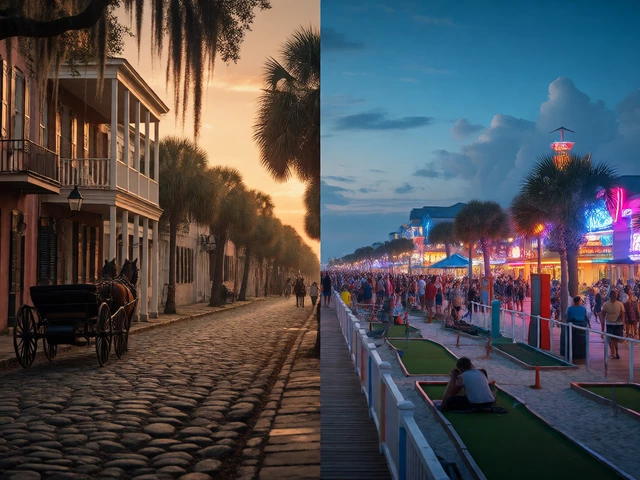
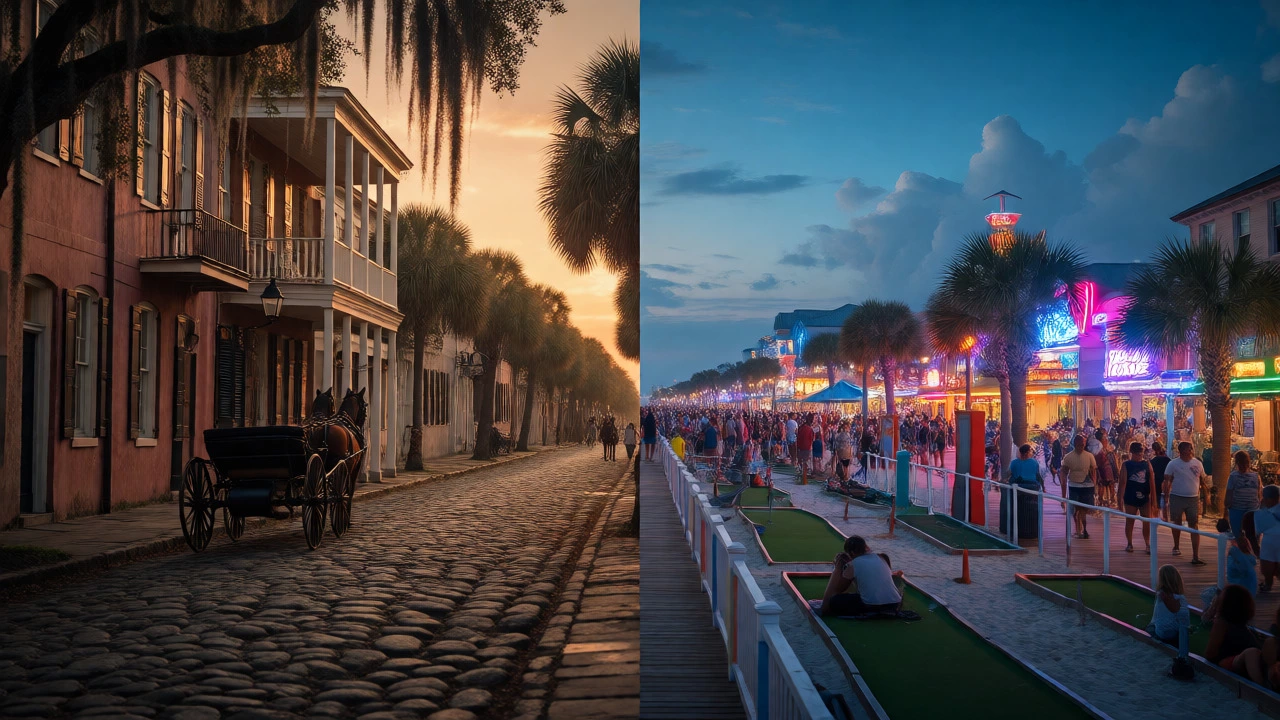
Picture this: You’re standing on a boardwalk. To your left, historic cobblestone streets wind toward antebellum mansions draped in moss. To your right, neon signs buzz over mini-golf courses and seafood buffets. This isn’t a split-screen movie; it’s the daily dilemma for anyone planning a trip to the South Carolina coast. The question "Which is better, Charleston or Myrtle Beach?" doesn’t have a single correct answer. It depends entirely on what you want from your holiday. Do you crave history, fine dining, and a slower pace? Or are you chasing sun-soaked sands, family-friendly attractions, and budget-friendly fun?
I’ve spent years analyzing travel patterns and visiting both destinations repeatedly. From my perspective here in Port Elizabeth, watching these two cities evolve has been fascinating. They represent two distinct philosophies of coastal tourism. One leans into heritage and sophistication; the other embraces entertainment and accessibility. Let’s break down exactly how they differ so you can pick the right one without regret.
The Vibe Check: Historic Charm Versus Resort Energy
Charleston is a historic city known for its well-preserved architecture, cobblestone streets, and rich cultural heritage. Walking through its downtown feels like stepping into a living museum. The air smells faintly of jasmine and salt water. Horse-drawn carriages clip-clop past buildings that have stood since the 1700s. It’s romantic, quiet, and deeply atmospheric. If you enjoy reading plaques about Revolutionary War figures or sipping wine while watching the sunset over Fort Sumter, this is your spot.
In contrast, Myrtle Beach is a resort city famous for its wide beaches, amusement parks, and vibrant nightlife. Think bright lights, loud music, and endless activities. The vibe is high-energy and unapologetically commercial. It’s designed for families who want everything within walking distance of their hotel. You’ll hear laughter from arcades and see tourists carrying buckets of crab legs. It’s not trying to be subtle. It’s trying to keep you entertained every second of the day.
Here’s the core difference: Charleston asks you to slow down. Myrtle Beach asks you to speed up. Neither is wrong, but they cater to completely different mental states. Are you looking to decompress with a book and a view? Go to Charleston. Are you looking to burn off energy at an amusement park? Head to Myrtle Beach.
Beach Quality and Accessibility
This is where many travelers get tripped up. They assume all coastal cities offer the same swimming experience. They don’t.
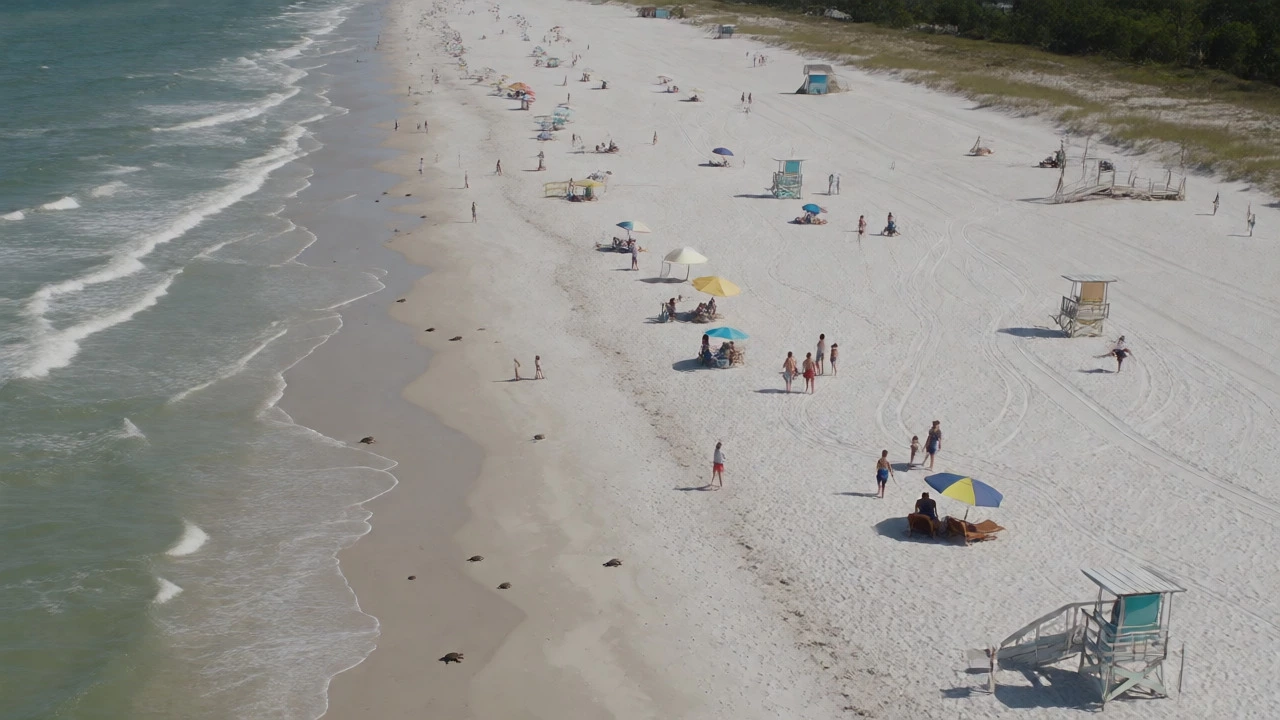
Charleston’s main beaches, like Folly Beach and Isle of Palms, require a drive. They aren’t right next to the historic district. The water here is often warmer due to the Gulf Stream influence, but the sand can be coarser. More importantly, the shoreline is narrower. In some spots, the tide comes in close to the dunes. You might find yourself sharing space with sea turtles rather than jet skis. It’s wilder, less manicured, and occasionally rougher surf makes swimming tricky for small children.
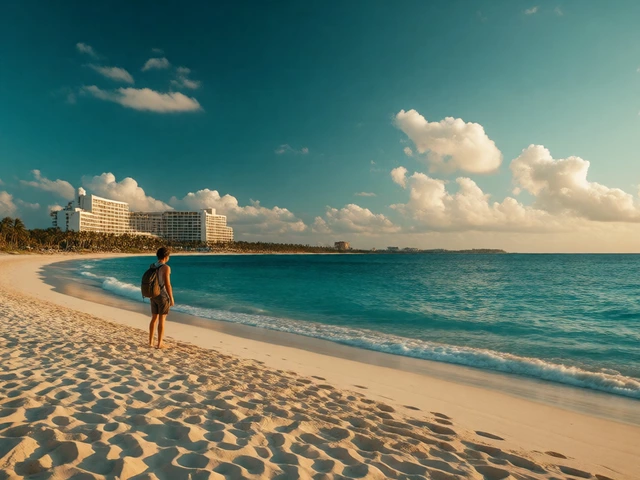
Myrtle Beach boasts a massive, wide sandy beach that stretches for miles. The sand is soft, white, and meticulously groomed by local crews. Lifeguards are stationed frequently, making it safer for casual swimmers. The ocean floor slopes gently, allowing kids to wade out far before getting deep. However, the water temperature can drop faster than in Charleston because it faces more open Atlantic winds. Also, the sheer volume of people means you might need to stake your claim early in the morning during peak summer months.
| Feature | Charleston Area | Myrtle Beach |
|---|---|---|
| Sand Width | Narrow to Moderate | Very Wide |
| Water Temp (Summer) | Warm (80°F+) | Moderate (75-80°F) |
| Crowd Density | Low to Moderate | High |
| Facilities | Limited restrooms/showers | Abundant amenities |
Dining: Culinary Capital Versus Buffet Heaven
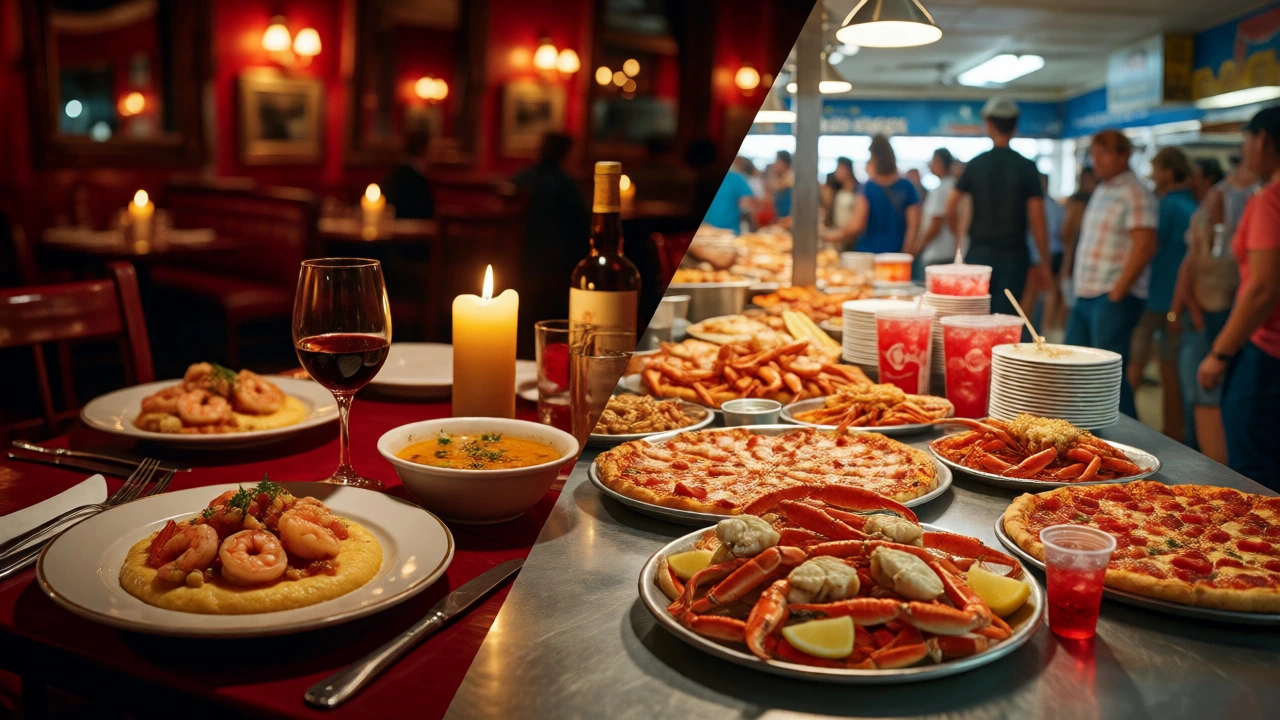
If food is your primary motivator, the choice becomes clearer. Charleston is widely recognized as one of America’s top culinary destinations. It holds numerous James Beard Award nominations annually. Restaurants here focus on Lowcountry cuisine-think shrimp and grits, she-crab soup, and oyster roasts. Ingredients are locally sourced, often from farms within fifty miles. Dining is an event. Reservations are essential, especially for places like Husk or FIG. Prices reflect the quality; expect to pay $40-$60 per person for dinner, excluding drinks.
Myrtle Beach offers convenience and variety. You’ll find iconic Southern chains like Bojangles alongside tourist-focused seafood buffets. The food is generally good but rarely groundbreaking. Portions are large, prices are moderate, and service is fast. If you’re traveling with picky eaters or teenagers who just want pizza and wings, Myrtle Beach wins easily. You won’t stress about finding a table. Walk-ins are common. But if you’re hunting for a memorable gastronomic experience, you might feel underwhelmed.
A pro tip: If you stay in Myrtle Beach, drive forty minutes north to North Myrtle Beach for slightly better independent restaurants. Still, neither matches Charleston’s depth. For serious foodies, Charleston is non-negotiable.
Activities and Entertainment
What will you actually do all day? This determines which city keeps you engaged.
- Charleston Activities: History tours, plantation visits (like Magnolia Plantation), boat cruises to Fort Sumter, art galleries, antique shopping on King Street, and live jazz clubs. It’s intellectual and relaxed.
- Myrtle Beach Activities: Ripley’s Aquarium, SkyWheel, go-karts, water parks, mini-golf, outlet malls, and nightlife venues. It’s physical and stimulating.
Families with young children usually prefer Myrtle Beach. The attractions are designed for short attention spans and active bodies. Teenagers might find Charleston boring unless they’re into history or shopping. Conversely, adults seeking romance or solitude will find Myrtle Beach overwhelming. The noise levels, traffic congestion, and constant stimulation can lead to fatigue. Charleston allows for spontaneous exploration. You can wander into a hidden courtyard or sit on a porch for hours. Myrtle Beach requires planning around scheduled events.
Cost Analysis: Where Does Your Money Go?
Budget matters. Let’s look at average daily costs for a couple in mid-2026.
| Expense Category | Charleston | Myrtle Beach |
|---|---|---|
| Accommodation (Mid-range) | $250 - $350 | $150 - $250 |
| Dining (Daily) | $120 - $180 | $80 - $120 |
| Activities | $50 - $100 | $100 - $200 |
| Total Estimated | $420 - $630 | $330 - $570 |
Charleston is significantly more expensive for lodging and dining. Boutique hotels charge premiums for location and charm. Myrtle Beach offers more value, especially if you book package deals that include attraction passes. However, watch out for hidden fees in Myrtle Beach, such as resort charges for pool access or parking. Always read the fine print before booking.
Accessibility and Logistics
Getting around differs sharply between the two. Charleston’s historic district is walkable, but once you leave the peninsula, you need a car. Parking is difficult and expensive ($20-$40 per night). Public transit is limited. Rideshares work but surge pricing hits hard during festivals.
Myrtle Beach is sprawling. You almost certainly need a car to move between hotels, beaches, and attractions. Traffic can be brutal in July and August. The airport (MYR) is smaller but handles seasonal flights efficiently. Charleston’s airport (CHS) is larger with more direct connections, though security lines can be long. Consider flight availability when deciding. If you’re flying internationally, Charleston often has better hub connections.
Who Should Choose Which?
Let’s simplify the decision matrix.
Choose Charleston if:
- You prioritize history, culture, and architecture.
- You are a foodie seeking award-winning dining.
- You want a romantic getaway or a quiet retreat.
- You enjoy walking and exploring on foot.
- You have a higher budget for luxury experiences.
Choose Myrtle Beach if:
- You are traveling with families or groups of friends.
- You want easy access to a wide, safe beach.
- You enjoy amusement parks, shopping, and nightlife.
- You are budget-conscious and seek value packages.
- You prefer a lively, energetic atmosphere.
Can you do both? Absolutely. They are only about 100 miles apart. A three-day trip could split time between them. Stay two nights in Charleston for dinner and history, then drive down for three days of beach lounging. This hybrid approach satisfies multiple desires without forcing a compromise.
Is Charleston suitable for toddlers?
It can be, but it requires effort. The beaches are farther away, and sidewalks can be uneven. Many parents find the heat and lack of immediate playgrounds challenging. Myrtle Beach is generally easier for young children due to proximity to facilities and flat terrain.
Which city is better for shopping?
Charleston offers unique boutiques and antiques on King Street, ideal for souvenirs and gifts. Myrtle Beach has large outlet malls (Tanger Outlets) perfect for brand-name discounts. Choose Charleston for uniqueness, Myrtle Beach for volume and deals.
When is the best time to visit each?
Spring (April-May) and Fall (September-October) are optimal for both. Summers are hot and humid with high crowds. Winter is mild in both, but Myrtle Beach closes many attractions, while Charleston remains fully operational with fewer tourists.
Is Myrtle Beach safe?
Generally yes, in tourist areas. Standard precautions apply: lock cars, avoid isolated areas at night, and watch belongings on the beach. Crime rates are comparable to other US resort towns. Charleston also requires standard urban awareness, particularly regarding petty theft in crowded districts.
Can I drink alcohol on the beach?
In Myrtle Beach, glass containers are prohibited, but plastic cups with beer are allowed. In Charleston, rules vary by municipality; Folly Beach allows it, but Isle of Palms restricts it. Always check local signage upon arrival.