Weekend Getaway Budget Planner
Trip Details
Your Budget Allocation
Based on the 60/30/10 Rule
You pack your bag, leave work behind, and drive away. You aren't running from a crisis. You aren't visiting sick relatives. You just want to breathe. This is the essence of a pleasure trip. It sounds simple, right? But in a world that glorifies busyness, taking time off just for fun can feel almost rebellious.
Most people think of vacations as these massive, once-a-year events. You save up for months, book a flight to a continent you’ve never seen, and spend two weeks trying to see everything. That’s great, but it’s not the only way to travel. A pleasure trip, especially when we talk about weekend getaways, is different. It’s shorter. It’s lighter. And honestly, it might be more effective at actually relaxing you than that exhausting three-week European tour.
The Anatomy of a Pleasure Trip
So, what exactly defines a pleasure trip? At its core, it is travel undertaken primarily for enjoyment, relaxation, or personal enrichment, rather than for business, obligation, or necessity. If you are going somewhere because you have to, it’s not a pleasure trip. If you are going somewhere because you want to, it is.
The key difference between a standard "vacation" and a pleasure trip often comes down to pressure. Traditional vacations come with heavy expectations. You feel like you need to take 500 photos, visit every landmark, and return home transformed. A pleasure trip strips that away. It’s about the experience itself, not the resume-building aspect of having been there.
| Feature | Business Trip | Pleasure Trip |
|---|---|---|
| Primary Goal | Work completion, meetings | Relaxation, enjoyment |
| Schedule | Rigid, packed | Flexible, open |
| Budget Control | Company card (usually) | Personal funds |
| Stress Level | High (deadlines) | Low (ideally) |
| Decision Making | Based on logistics | Based on desire |
When you understand this distinction, you start planning differently. You stop asking, "What do I need to do here?" and start asking, "How will this make me feel?" That shift changes everything.
Why Weekend Getaways Are the New Standard
There has been a massive shift in how we approach leisure travel over the last few years. The "big holiday" is losing ground to the "micro-vacation." Why? Because our attention spans are shorter, our schedules are tighter, and frankly, we’re tired.
A weekend getaway is the most popular form of a pleasure trip today. It fits into the cracks of modern life. You don’t need to request two weeks of paid time off. You just need Friday evening through Sunday night. From my perspective living in Port Elizabeth, this makes sense. We have beautiful destinations like the Wild Coast or Grahamstown within a few hours' drive. You don’t need a passport to reset your brain.
The psychology behind this is interesting. Research suggests that frequent, short breaks reduce burnout more effectively than one long annual vacation. When you take a big trip once a year, the stress relief wears off by month three. By then, you’re dreading the grind again. But if you take a small pleasure trip every quarter, you maintain a baseline of happiness and freshness throughout the year.
- Accessibility: Short trips cost less. You don’t need to sell a kidney to afford a nice B&B for two nights.
- Spontaneity: You can decide on Wednesday to go somewhere on Saturday. That freedom is intoxicating.
- Lower Planning Stress: Packing for two days is easy. Planning an itinerary for ten days is a part-time job.
Types of Pleasure Trips Beyond the Beach
We often associate pleasure trips with lying on a beach sipping cocktails. While that’s valid, the definition of leisure travel has expanded. People are looking for connection, novelty, and specific experiences. Here are the main categories of pleasure trips you should consider.
Cultural Immersion is travel focused on experiencing local arts, history, and daily life rather than sightseeing landmarks. Instead of rushing through a museum, you might spend a weekend in a nearby town attending a local festival, eating at family-run restaurants, and talking to residents. It’s about feeling the pulse of a place, not just checking it off a list.
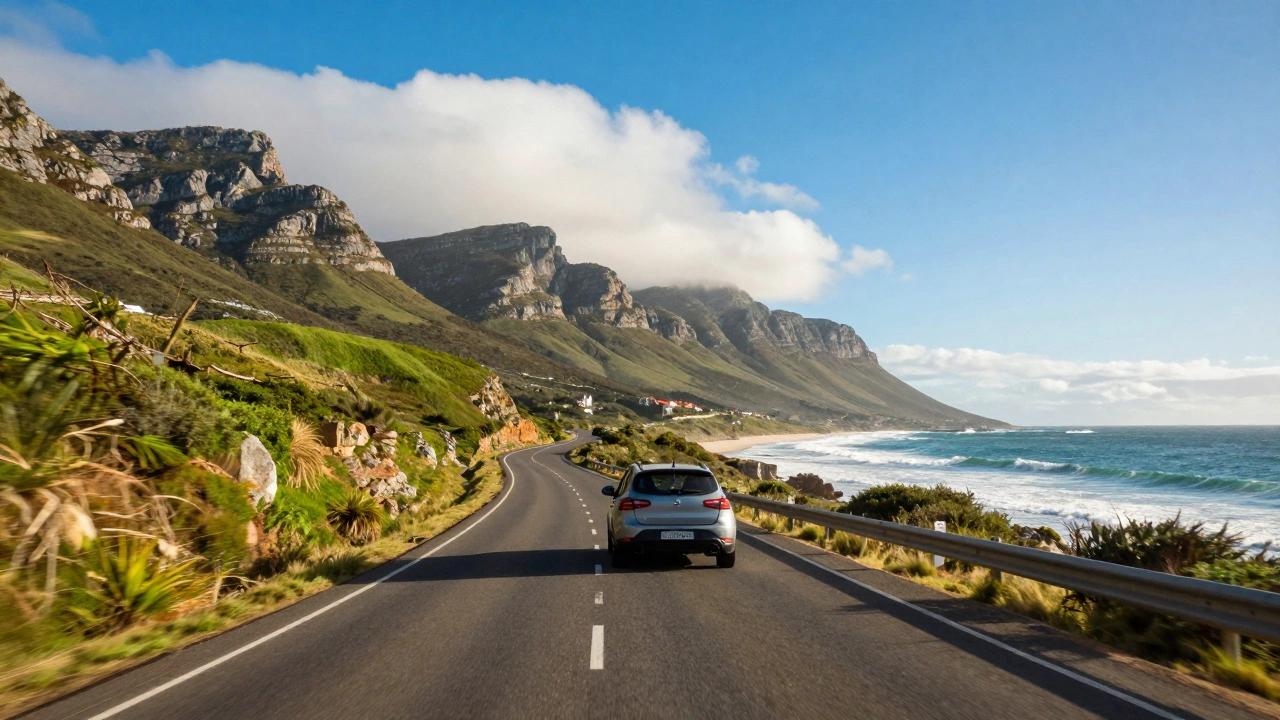
Nature Retreats are getaways designed to disconnect from technology and reconnect with the natural environment. Think hiking trails, mountain cabins, or coastal drives. In South Africa, this could mean driving out to the Tsitsikamma National Park for a quick overnight hike. The goal isn’t to conquer the mountain; it’s to breathe the air and silence the notifications on your phone.
Culinary Tours are short trips centered around food and drink experiences. Maybe you drive to Stellenbosch just for wine tasting, or to Durban for a weekend of curry shops. Food is a huge part of pleasure travel because it engages all your senses immediately. It’s tangible joy.
Planning Your First Pleasure Trip: A Simple Framework
If you’ve never taken a dedicated pleasure trip-especially a short one-you might feel paralyzed by choice. Where do I go? What do I do? Here is a no-nonsense framework to plan a successful weekend getaway without the stress.
- Define Your Energy Budget: Before you look at maps, ask yourself: Do I want to rest or explore? If you’re exhausted, choose a spa hotel or a quiet cabin. If you’re bored, choose a city with museums or a region with hiking trails. Don’t mix them unless you know your limits.
- Set a Hard Time Limit: For a weekend getaway, stick to Friday night to Sunday night. This constraint forces you to prioritize. You won’t try to do five things; you’ll pick the one thing that matters most.
- Choose One Anchor Activity: Build the trip around one main event. Maybe it’s a concert, a specific restaurant reservation, or a guided tour. Everything else fills the gaps around this anchor. This prevents decision fatigue.
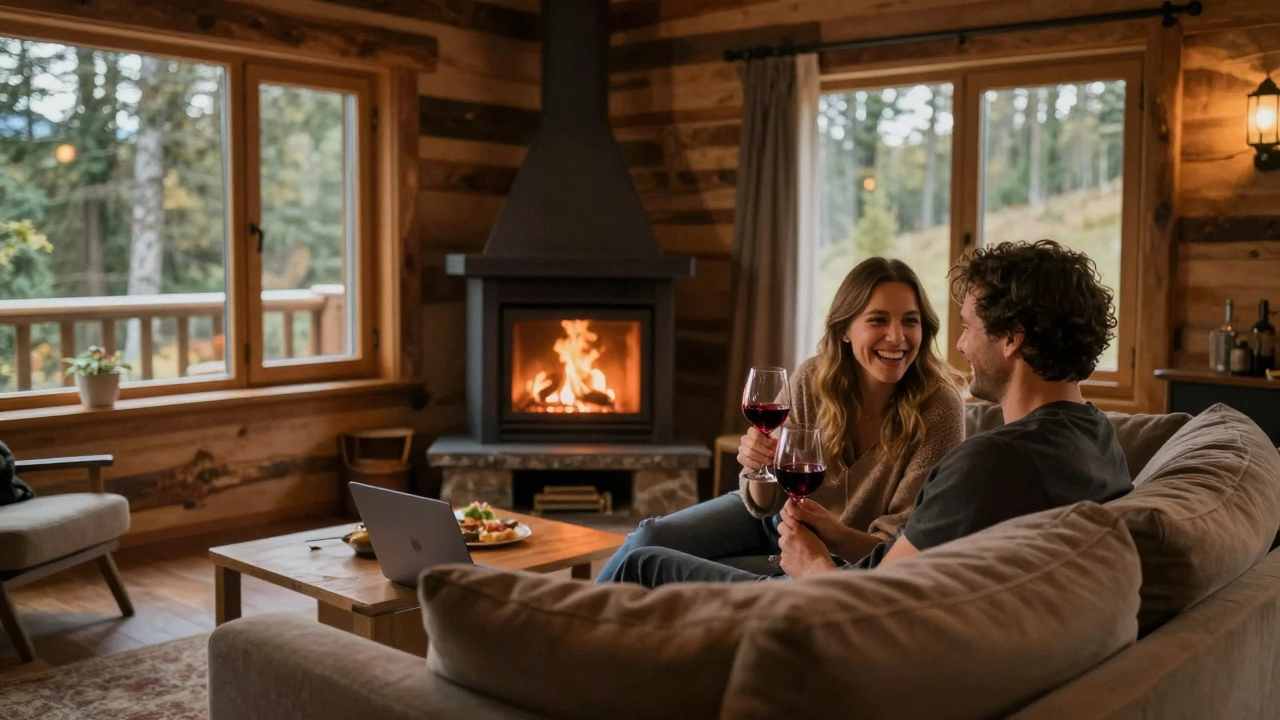
- Leave Room for Nothing: This is crucial. Schedule at least four hours of unstructured time. Wander. Sit in a cafe. Read a book. If your schedule is packed, you haven’t taken a pleasure trip; you’ve just changed your location for work-mode tourism.
Common Pitfalls to Avoid
Even simple pleasure trips can go wrong if you bring the wrong mindset. Here are the traps that turn relaxation into stress.
The FOMO Trap: Fear Of Missing Out makes you say yes to every suggestion. Your friend wants to see the art gallery? Okay. Your partner wants to hit the gym? Sure. You end up doing nothing fully. Learn to say no. A pleasure trip is selfish by design. Protect your peace.
The Comparison Game: Don’t compare your weekend getaway to someone else’s Instagram post from Bali. Their highlight reel is not your reality. Focus on your immediate surroundings. Is the coffee good? Is the bed comfortable? Is the sky blue? That’s enough.
The Work Creep: Bring your laptop only if you absolutely must. Better yet, leave it at home. If you check emails during a pleasure trip, you dilute the benefits. Your brain needs to signal that it is safe to rest. Constant connectivity sends the opposite signal.
Maximizing the Return on Investment
You might wonder if spending money on a short trip is worth it. Absolutely. The return on investment for a pleasure trip isn’t measured in currency; it’s measured in mental clarity and relationship health.
For couples, a weekend getaway can reignite connection. Without the distractions of chores, kids, and work, you remember why you like each other. For solo travelers, it’s a chance to practice self-reliance and discover new interests. For families, it creates shared memories that last longer than any toy bought at a mall.
Think of it as maintenance. You change the oil in your car so it doesn’t break down. You take pleasure trips so your mind doesn’t break down. It’s preventative healthcare for your soul.
Is a day trip considered a pleasure trip?
Yes, absolutely. A pleasure trip is defined by intent, not duration. If you leave your home environment to enjoy yourself, relax, or explore without work obligations, it counts. Day trips are excellent low-commitment options for busy schedules.
How much should I budget for a weekend getaway?
It varies wildly based on location and style. However, a good rule of thumb is to allocate 60% for accommodation and transport, 30% for food and activities, and 10% for emergencies. For a local weekend trip in South Africa, you can often find quality experiences for under R3,000 per person if you book in advance.
Can I take a pleasure trip alone?
Solo pleasure trips are incredibly rewarding. They offer total freedom and force you to engage with your surroundings. Many hotels offer single supplements, but hostels and boutique guesthouses are also great for meeting people while maintaining independence.
What is the best time of year to take a short break?
The best time is whenever you feel stressed. However, shoulder seasons (just before or after peak holidays) often provide better weather, fewer crowds, and lower prices. In South Africa, late autumn and early spring are ideal for road trips.
How do I convince my partner to take a spontaneous trip?
Frame it as a recharge, not an expense. Emphasize the simplicity: "Let's just drive for two hours, stay in a nice room, and eat well." Remove the pressure of planning by handling all the bookings yourself before mentioning it.