
Responsible Travel Impact Calculator
Trip Details
Enter your trip details to see how your travel contributes to global initiatives.
If you are planning an adventure holiday with G Adventures, you might be curious about who is actually behind the brand. Is it a faceless corporation? A massive conglomerate? Or something else entirely? The short answer is that G Adventures is still largely defined by its founder, Bruce Poon Tip. However, the reality of modern corporate ownership is a bit more nuanced than just one person’s name on a door.
Understanding who owns G Adventures matters because it shapes how the company operates. It influences their commitment to sustainability, how they treat local guides, and whether your money supports community projects or just shareholder dividends. Let’s break down the ownership structure, the role of the founder, and what this means for travelers in 2026.
The Founder: Bruce Poon Tip
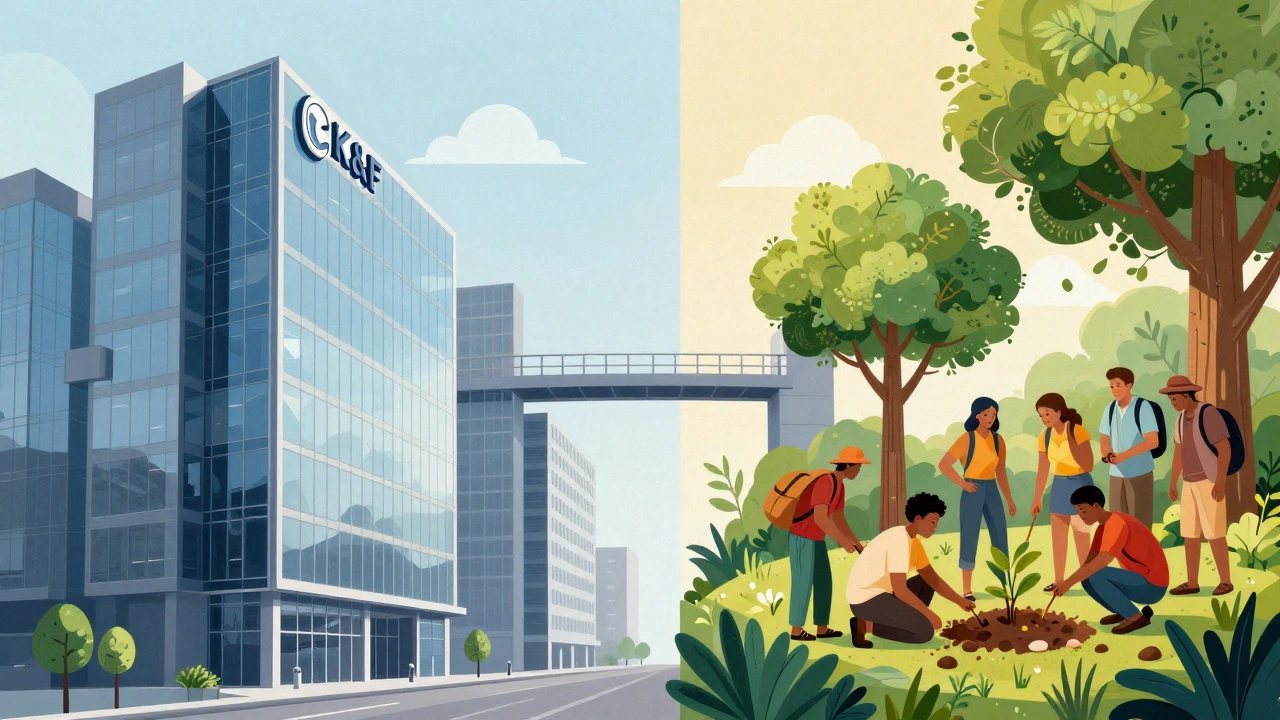
Bruce Poon Tip remains the public face and spiritual leader of G Adventures. Even if he doesn’t hold every single share, his influence is woven into the company’s DNA. He coined the term "responsible travel" long before it became a buzzword. Under his leadership, G Adventures introduced the "Plant a Tree" program, where they plant a tree for every traveler who books a trip. As of recent counts, this initiative has resulted in millions of trees planted across various countries.
For many travelers, knowing that Bruce Poon Tip is still involved provides a sense of trust. It suggests that the company hasn’t lost its soul to pure profit maximization. His personal story-from selling the company briefly to buying it back-is a testament to his dedication. This isn’t just a business to him; it’s a mission to connect cultures and protect the planet.
Corporate Ownership Structure
So, does Bruce Poon Tip own 100% of G Adventures? Not exactly. Like most successful global brands, G Adventures has undergone several rounds of investment and acquisition over the decades. Understanding this requires looking at the broader corporate landscape.
In 2014, G Adventures was acquired by CK&F Travel Group, a private equity firm specializing in travel and leisure businesses. CK&F is known for owning other major travel brands like Trafalgar and Intrepid Travel (though Intrepid later went public). Private equity firms typically buy companies to improve operations, expand markets, and eventually sell them for a profit.
However, the narrative changed again in 2018. Bruce Poon Tip, along with a group of investors, bought G Adventures back from CK&F. This move was significant. It allowed the company to return to independent status, free from the strict quarterly growth demands often imposed by large private equity firms. This independence is crucial for maintaining the long-term vision of responsible tourism, which often requires patience rather than quick cash grabs.
As of 2026, G Adventures operates as an independent company, but it is likely owned by a mix of institutional investors, private shareholders, and possibly Bruce Poon Tip himself. The exact percentage breakdown is not publicly disclosed, as it is not a publicly traded company on a major stock exchange. This privacy allows them to focus on strategic goals without the pressure of daily stock market fluctuations.
G Adventures vs. Intrepid Travel: A Key Distinction
One common point of confusion is the relationship between G Adventures and Intrepid Travel, another leading adventure travel company based in Australia. People often assume they are the same company or owned by the same parent entity. They are not.
While both companies were once part of the CK&F portfolio, they have since gone separate ways. Intrepid Travel went public on the Australian Securities Exchange (ASX) in 2021. This means Intrepid is owned by thousands of individual and institutional shareholders who buy and sell shares on the open market. G Adventures, on the other hand, remains privately held.
This distinction affects how each company operates. Publicly traded companies like Intrepid must report detailed financial results regularly and answer to a broad base of shareholders. Privately held companies like G Adventures can keep their strategies closer to the chest and potentially take longer-term risks that might not look good in a quarterly report but benefit the brand in the long run.
| Feature | G Adventures | Intrepid Travel |
|---|---|---|
| Founder | Bruce Poon Tip | Greg Maas & Dale Breining |
| Ownership Type | Private Equity / Independent | Publicly Traded (ASX) |
| Headquarters | Ottawa, Canada | Sydney, Australia |
| Market Focus | North America, Europe, Global | Global, strong in Asia-Pacific |
| Sustainability Model | Plant a Tree Program | Net Zero Carbon Certified |
Why Ownership Matters for Your Trip
You might wonder why any of this corporate history matters when you’re booking a trek in Peru or a river cruise in Vietnam. The answer lies in the day-to-day experience. Ownership structures dictate priorities.
When a company is privately held and led by its founder, the focus tends to remain on brand reputation and customer satisfaction. For G Adventures, this means investing in training for local leaders-the people who guide you on the ground. These leaders are often locals from the communities you visit. G Adventures pays them well above industry standards and provides benefits like health insurance and paid holidays. This is a direct result of the company’s philosophy, driven by its leadership team.
Additionally, the "Give Back" initiatives are more robust when the owners believe in them personally. G Adventures’ partnership with Room to Read, a non-profit organization focused on literacy and gender equality in education is a prime example. Instead of just donating money, they involve travelers in meaningful volunteer opportunities. If the company were solely driven by short-term profits, these programs might be cut to save costs. But under current ownership, they are seen as core to the product.
The Role of Local Partners
Another layer of "ownership" in the travel industry involves local operators. G Adventures doesn’t own hotels, buses, or restaurants directly in most destinations. Instead, they partner with local suppliers. In a way, these local partners co-own the experience you receive.
By choosing local family-run guesthouses over international chains, G Adventures ensures that a larger portion of your spending stays within the local economy. This model relies on strong relationships built over years. The stability provided by G Adventures’ consistent ownership structure helps maintain these partnerships. Frequent changes in top-level management can disrupt these delicate networks, leading to inconsistent service quality. Knowing that the company has stable leadership gives you confidence that the local partners will continue to deliver high-quality experiences.
Future Outlook: Stability and Growth
Looking ahead to the rest of 2026 and beyond, G Adventures appears to be in a strong position. The trend in travel is shifting towards slower, more meaningful experiences. Travelers are less interested in checking off landmarks and more interested in connecting with people and places. This aligns perfectly with G Adventures’ original mission.
The company continues to innovate in areas like digital nomad-friendly itineraries and multi-generational travel options. These expansions are funded by reinvesting profits rather than seeking external capital that might demand rapid scaling. This approach allows for careful curation of new destinations, ensuring that tourism development is sustainable and respectful of local cultures.
There are no immediate plans for another sale or merger. The current ownership group seems committed to growing the brand organically. This stability is reassuring for travelers who value consistency and ethical practices. It also suggests that the values you see advertised today are likely to be the same values guiding the company five or ten years from now.
How to Verify Ethical Claims
While understanding ownership is important, it’s also wise to do your own due diligence. Here are a few steps you can take to ensure your travel choices align with your values:
- Check their sustainability reports: Most reputable companies publish annual reports detailing their environmental and social impact. Look for specific metrics, not just vague promises.
- Read recent reviews: Pay attention to comments about local guides and community interactions. Do reviewers mention feeling welcomed and respected?
- Look for certifications: While G Adventures has its own programs, third-party certifications from organizations like B Corp or GSTC (Global Sustainable Tourism Council) add an extra layer of verification.
- Contact them directly: Ask questions about their supply chain. How do they select hotels? What happens if a supplier violates labor laws? Their willingness to answer transparently is a good sign.
Ultimately, the owner of G Adventures is a combination of its founding vision, its current private investors, and its dedicated staff worldwide. But the real owners of the experience are the travelers and the local communities who make it happen. By choosing a company with a clear, stable ownership structure and a proven track record of responsibility, you contribute to a travel industry that is better for everyone involved.
Is G Adventures owned by Intrepid Travel?
No, G Adventures and Intrepid Travel are separate companies. Although they were both previously owned by the same private equity firm (CK&F), they are now independently operated. Intrepid Travel is publicly traded on the Australian Stock Exchange, while G Adventures is privately held.
Does Bruce Poon Tip still own G Adventures?
Bruce Poon Tip is the founder and remains a key figure in the company. He helped buy the company back from private equity in 2018. While he may not own 100% of the shares, he retains significant influence and leadership roles, ensuring the company stays true to its original mission.
Is G Adventures a publicly traded company?
No, G Adventures is not publicly traded. It is a privately held company. This means its financial details and exact ownership percentages are not required to be disclosed to the general public, allowing for more flexible, long-term strategic planning.
What is the "Plant a Tree" program?
The "Plant a Tree" program is an environmental initiative launched by G Adventures. For every traveler who books a trip, the company plants a tree in a region where reforestation is needed. This program has resulted in millions of trees being planted globally, helping to combat climate change and restore ecosystems.
How does G Adventures support local communities?
G Adventures supports local communities by hiring local leaders as guides, paying fair wages, and using locally owned accommodations and transport. They also partner with charities like Room to Read to provide educational opportunities in developing countries, often involving travelers in volunteer activities.