City Break Fit Calculator
Not sure if a city break is right for you? Or how long it should be? Answer these quick questions to get a personalized recommendation based on the psychology of urban escapes.
1. Current Mental State
2. Logistics & Budget
Your Recommendation
Perfect MatchIdeal Duration
3 Days
Intensity Level
Moderate
Suggested Focus
Culture
Why this fits you:
You book a flight on Tuesday for a Saturday departure. You pack one bag. You land in a new metropolis, check into a hotel, and within two hours you are eating street food in a square you’ve never seen before. Why do we do this? Why does the idea of cramming into a concrete jungle for forty-eight hours feel more restorative than lying on a beach for a week?
It’s not just about ticking off landmarks. City breaks are a specific type of short-duration urban tourism designed to provide high-intensity cultural stimulation and mental reset through novelty. Unlike traditional vacations that rely on passive relaxation, city breaks leverage the human brain’s craving for pattern interruption. When you step off the plane in London, Tokyo, or Cape Town, your brain switches from autopilot mode to hyper-awareness. This shift is exactly what many people crave but rarely articulate.
The Science of Novelty and Dopamine
Your brain loves patterns. It saves energy by predicting what happens next. At home, you know where the coffee shop is, how long the commute takes, and what the view from your window looks like. This efficiency is comfortable, but it can also lead to a sense of stagnation. A city break shatters these patterns instantly.
Neuroscientists often refer to this as "novelty seeking." When you encounter new sights, sounds, and smells, your brain releases dopamine. This neurotransmitter isn’t just about pleasure; it’s about learning and engagement. In a familiar environment, you might walk past a building a hundred times without really seeing it. In a new city, every corner demands attention. You look up. You notice the architecture. You read the signs. This heightened state of awareness makes time feel slower and richer. Two days in a new city can feel longer and more fulfilling than two weeks in your hometown because your brain is recording more unique memories.
This isn't just theoretical. Studies on travel and well-being suggest that the anticipation of a trip provides nearly as much happiness as the trip itself. For city breaks, the planning phase is short but intense. You aren't worrying about visa applications for months or saving for a year-long sabbatical. You are solving immediate puzzles: Which museum is open on Sunday? Where is the best ramen spot near my hotel? These small, solvable problems give a sense of agency and accomplishment that daily routine often lacks.
Cultural Density and Efficiency
One of the biggest draws of urban travel is density. Cities are packed with culture. You can visit three world-class museums, eat at a Michelin-starred restaurant, and watch a live theater performance all within a five-mile radius. Compare this to a rural retreat where the nearest art gallery might be an hour’s drive away.
Cultural density refers to the concentration of artistic, historical, and social attractions within a compact geographic area. This attribute makes city breaks highly efficient for travelers who want maximum input for minimum time investment. For busy professionals or parents, time is the scarcest resource. They cannot afford a two-week vacation. But they can spare a weekend. City breaks respect this constraint by delivering a high volume of experiences in a short timeframe.
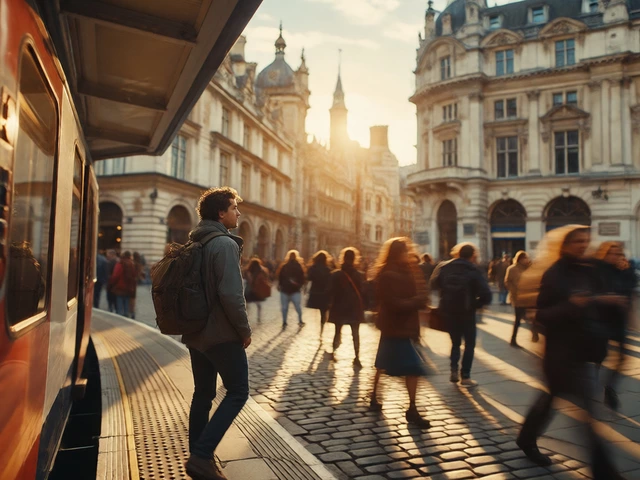
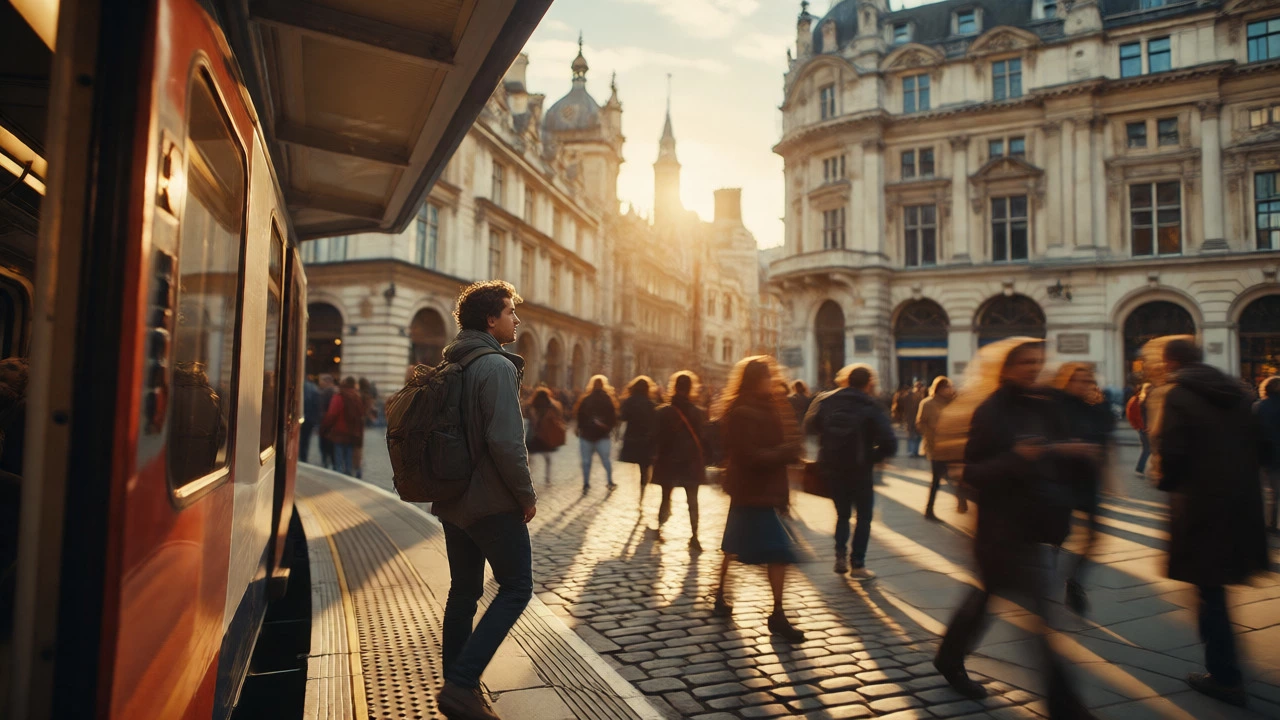
Consider the logistics. Public transport systems in major cities-like the Tube in London, the Metro in Paris, or the MyCiTi bus system here in Port Elizabeth-are designed for movement. You don’t need to rent a car, navigate unfamiliar highways, or worry about parking. You hop on a train, listen to a podcast, and arrive at your destination. This frictionless movement reduces stress and allows you to focus on the experience rather than the logistics.
| Feature | City Break | Beach Holiday | Rural Retreat |
|---|---|---|---|
| Primary Goal | Stimulation & Culture | Relaxation & Sun | Solitude & Nature |
| Time Commitment | 2-4 Days | 7-14 Days | 3-7 Days |
| Mental State | Active Engagement | Passive Rest | Reflective Calm |
| Cost Per Day | High | Medium | Low-Medium |
| Novelty Level | Very High | Low (if familiar) | Medium |

The Anonymity Factor
There is a strange freedom in being anonymous. At home, you are defined by your job title, your neighbor’s opinion, and your history. In a crowd of millions in New York or Berlin, you are nobody. And that is liberating.
This anonymity allows you to reinvent yourself for a few days. You can dress differently, speak to strangers, or sit alone in a café without feeling judged. Social psychologists note that this "de-individuation" in crowds can actually reduce social anxiety. You are part of the flow, but you are not observed. This creates a safe space for experimentation. Maybe you try a dish you’d never order at home. Maybe you strike up a conversation with a local artist. Without the weight of your usual social circle, you act more freely.
Furthermore, cities offer a diverse tapestry of humanity. You see different ages, styles, and lifestyles coexisting. This exposure broadens your perspective. You realize that there are countless ways to live a life. This cognitive expansion is a subtle but powerful benefit of urban travel. It challenges your assumptions and keeps your worldview flexible.
Accessibility and Low Barrier to Entry
Not everyone can take a month off work. Not everyone has the budget for a luxury safari or a transoceanic cruise. City breaks are accessible. They fit into standard weekends. They can be planned with little notice. If you have a free Friday and Monday, you can go somewhere.
The infrastructure supports this accessibility. Budget airlines, hostels, and mid-range hotels cater specifically to short-stay tourists. You don’t need expensive gear or specialized skills. You just need curiosity. This low barrier to entry means that travel becomes a regular habit rather than a rare event. Regular bursts of travel keep burnout at bay. Instead of waiting for the "big trip" once a year, you integrate micro-adventures into your life throughout the year.
For example, living in South Africa, you might find that a quick flight to Johannesburg for a day of gallery hopping offers a sharper contrast to coastal life than another weekend at the beach. The change in pace, noise, and visual landscape provides a mental reset that geography alone cannot achieve.
The Foodie Imperative
Let’s be honest: food is a massive driver. Cities are culinary hubs. They attract talent from everywhere. You get authentic regional cuisines prepared by people who grew up eating them. You get fusion experiments that only happen in cosmopolitan centers.
Eating out in a new city is a multisensory adventure. The smell of spices in a market, the clatter of plates in a bistro, the taste of a dish you can’t replicate at home-it all contributes to the memory. Food anchors the experience. Years later, you might forget the name of the street you walked down, but you will remember the taste of that pastry in Lisbon or the soup in Hanoi. This sensory richness makes city breaks deeply satisfying on a primal level.
How to Make Your Next City Break Count
If you are convinced, how do you avoid the trap of turning a relaxing break into a stressful checklist? Here are some practical tips based on common pitfalls:
- Pick one neighborhood per day. Don’t try to see the whole city. Choose a district, wander its streets, and let discoveries happen naturally.
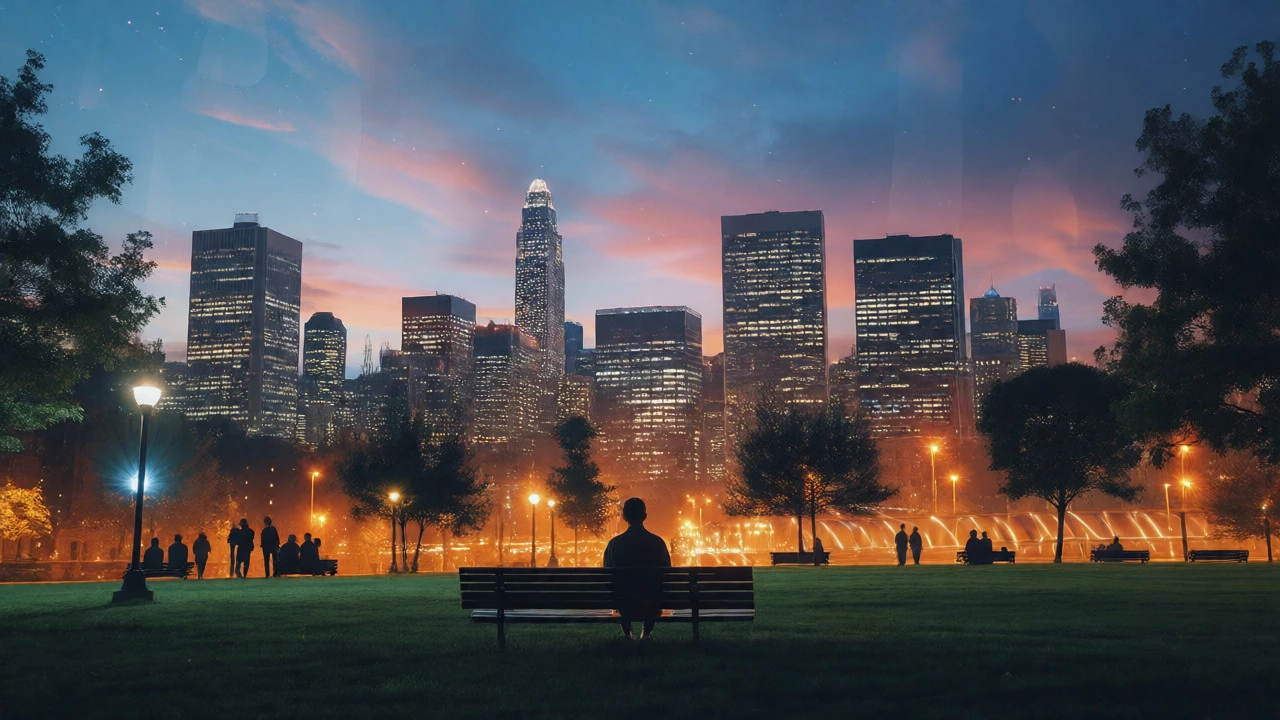
- Leave room for boredom. It sounds counterintuitive, but sitting in a park and watching people pass by is part of the experience. It lets your brain process the stimuli.
- Use public transport. It forces you to interact with the city’s rhythm. You’ll see neighborhoods you’d miss in a taxi.
- Limit your itinerary. Pick two "must-sees" and let everything else be optional. This reduces decision fatigue.
- Go solo or with compatible partners. City breaks require flexibility. If your partner wants to sleep until noon and you want to start at 8 AM, plan separate mornings.
Remember, the goal isn’t to document the trip for Instagram. The goal is to disrupt your routine enough to return home with a fresh perspective. That is the true value of the city break.
Are city breaks more expensive than other types of travel?
Per day, yes, city breaks often cost more due to higher accommodation and dining prices in urban centers. However, because they are shorter (typically 2-4 days), the total cost is usually lower than a week-long beach or rural holiday. Additionally, you save on transportation costs if you choose a nearby city, making them a budget-friendly option for frequent travel.
What is the ideal length for a city break?
Three days is widely considered the sweet spot. It allows enough time to unpack mentally, explore key areas, and recover from travel fatigue without feeling rushed. Two days can feel frantic, while four or more may dilute the intensity of the novelty effect, depending on the size of the city.
Do city breaks help with burnout?
Yes, for many people. Burnout often stems from monotony and lack of control. City breaks introduce novelty and allow for autonomous decision-making (where to eat, what to see), which restores a sense of agency. The change of environment also helps detach from work-related triggers associated with your home location.
Is it better to plan everything in advance or go spontaneous?
A hybrid approach works best. Book accommodations and major tickets (like museums) in advance to secure availability and prices. Leave your daily schedule loose. Spontaneity allows you to follow your mood and discover hidden gems, but having a base structure prevents decision paralysis when you’re tired.
What are the downsides of city breaks?
The main downsides are potential overstimulation, higher costs, and logistical stress (transfers, security checks). Some people find the noise and crowds draining rather than energizing. To mitigate this, choose quieter neighborhoods for accommodation and schedule downtime during the day.