
UK Staycation Cost Calculator
Trip Details
Cost Breakdown
Enter your trip details and click calculate to see the real cost breakdown.
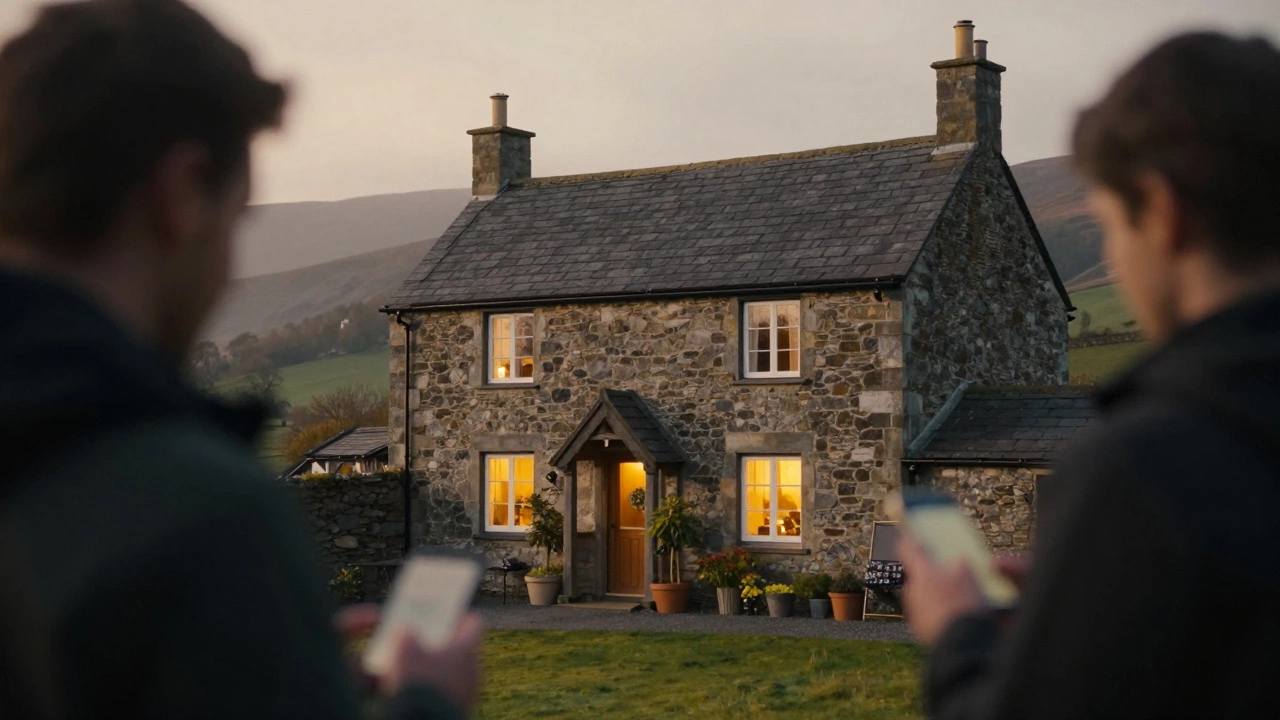
Booking a weekend away in the Lake District or a week by the Cornish coast used to feel like a steal. You’d find a quirky cottage, pay a fraction of what a hotel would charge, and pack up for an adventure. But if you’ve tried booking a Airbnb is a global online marketplace that connects people who want to rent out their homes with people who are looking for accommodations in that locale. in the UK recently, you’ve likely hit a wall of sticker shock. Prices have skyrocketed, availability has shrunk, and what was once a budget-friendly alternative now rivals luxury hotels.
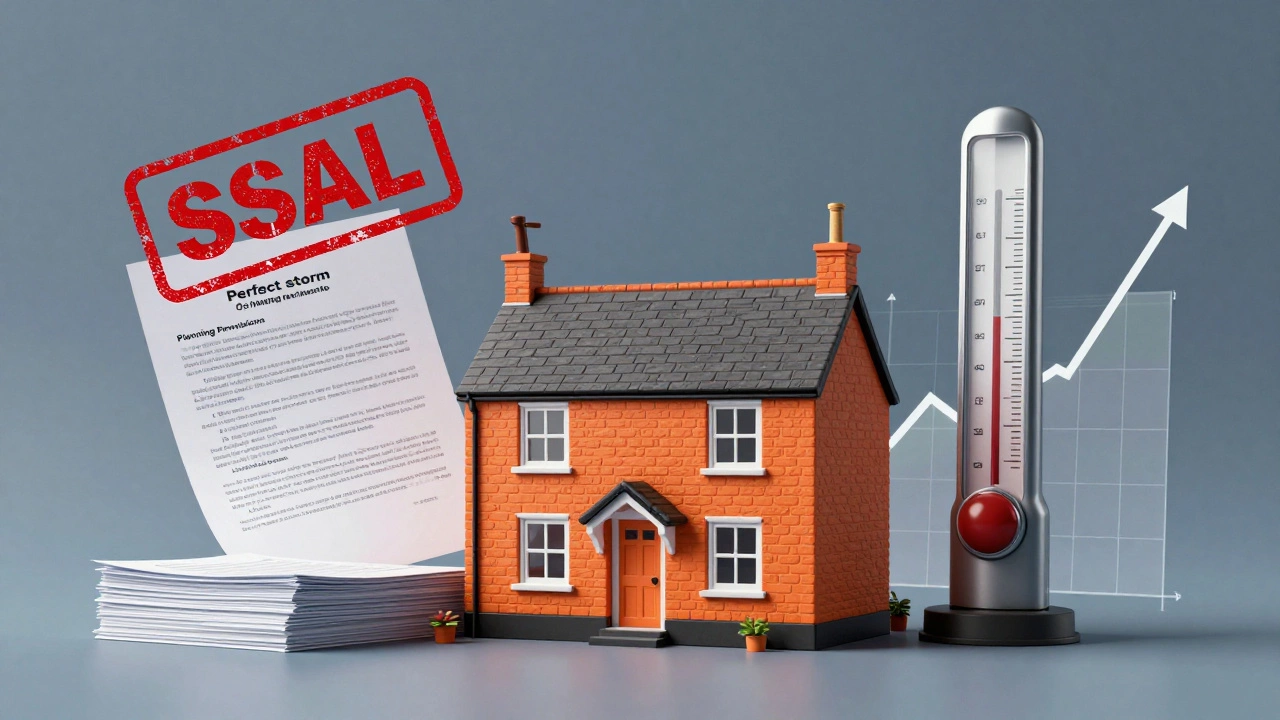
You’re not imagining it. The data backs you up. In 2025 and early 2026, average nightly rates for short-term lets in popular UK destinations rose by over 30% compared to pre-pandemic levels. Why is this happening? It’s not just one villain. It’s a perfect storm of new taxes, strict local laws, rising operational costs, and a fundamental shift in how landlords view their properties. If you want to enjoy a UK staycation without draining your savings, you need to understand the mechanics behind these price hikes.
The New Tax on Short-Term Lets
The biggest driver of increased costs isn’t inflation alone; it’s policy. The UK government introduced a new Short-Stay Accommodation Levy (SSAL) is a tax imposed on guests staying in short-term rentals for less than 90 days, designed to generate revenue for local communities. that came into full effect in recent years. Often referred to as the "Airbnb tax," this levy charges guests a fixed fee per night, per room. While the amount might seem small-around £2 to £4 per night-it signals a broader regulatory tightening.
Landlords don’t absorb this cost. They pass it directly to you. But the SSAL is just the tip of the iceberg. Local councils across England, Scotland, and Wales have also tightened planning permissions. In cities like London, Edinburgh, and Manchester, converting a residential property into a short-term let now requires explicit permission from the local authority. This process is expensive, time-consuming, and uncertain. Landlords factor these legal fees and risks into their nightly rates. If you’re paying more, part of that money is covering the landlord’s lawyer and the council’s bureaucracy.
The Supply Squeeze: Fewer Homes, More Demand
Economics 101: when supply drops and demand stays high, prices go up. The supply of available Airbnbs in the UK has plummeted. Why? Because many long-term hosts have quit. The hassle of managing bookings, cleaning, and dealing with complaints became too much after the initial pandemic boom faded. Then came the regulations. Many landlords decided it was easier to sell their second homes or convert them into long-term rentals, which offer stable income without the nightly turnover stress.
At the same time, demand hasn’t cooled. British travelers are still keen on domestic holidays. Fuel costs, flight prices, and foreign exchange rates make international trips less attractive for many families. This keeps the pressure on UK destinations. Popular spots like the Cotswolds, Devon, and Northumberland see thousands of search queries for every available listing. When five people bid on one cottage, the host raises the price. You’re competing against other locals who also want to escape the city, driving up the final cost.
| Factor | Impact on Price | Who Pays? |
|---|---|---|
| Short-Stay Accommodation Levy | +£2-£4 per night | Guest (directly added to bill) |
| Planning Permission Fees | +10-15% annual rate increase | Guest (via higher base rate) |
| Energy & Utility Bills | +5-8% operational cost | Guest (via cleaning/service fees) |
| Insurance Premiums | +10% coverage cost | Guest (indirectly via rates) |
| Cleaning Service Wages | +£15-£30 per clean | Guest (cleaning fee) |
Rising Operational Costs for Hosts
It’s not just taxes. Running a short-term rental is a business, and the cost of doing business in the UK has risen sharply. Energy bills remain volatile. Heating a stone cottage in Yorkshire during a cold snap costs significantly more than it did three years ago. Landlords turn on the heating before you arrive and keep it running while you’re there. Those utility bills are baked into your price.
Cleaning services are another major expense. Professional cleaners charge premium rates for short-notice turnovers. With labor shortages affecting the hospitality sector, finding reliable help is harder and more expensive. Hosts often add a separate "cleaning fee" that can range from £50 to £150 depending on the property size. This fee is non-negotiable and adds up quickly, especially for shorter stays. If you book a two-night break, the cleaning fee per night can be astronomical.
Insurance premiums have also jumped. Standard home insurance doesn’t cover short-term lets. Specialized policies are required, and insurers have raised rates due to increased claims for damage and liability. These costs are unavoidable for hosts, so they adjust their pricing models to ensure profitability. You’re paying for peace of mind-for both you and the landlord.
Dynamic Pricing Algorithms
Airbnb uses sophisticated algorithms to suggest pricing to hosts. These tools analyze real-time demand, local events, seasonality, and competitor rates. During peak times-school holidays, summer weekends, or major festivals like Glastonbury or Wimbledon-the algorithm pushes prices up aggressively. A cottage that costs £150 a night in November might jump to £400 in August.
Many hosts rely on third-party dynamic pricing software like PriceLabs is a dynamic pricing tool for vacation rentals that adjusts rates automatically based on market demand and competition. or Wheelhouse. These platforms optimize for maximum revenue, not guest affordability. They raise prices when demand spikes and lower them only when necessary. As a guest, you’re playing against a machine that knows exactly what the market will bear. If you wait until the last minute to book during a busy period, you’ll pay the highest possible rate.

How to Find Affordable Stays in the UK
Does this mean UK staycations are dead? Not at all. It means you need to change your strategy. Here are practical ways to cut costs:
- Book Early or Last Minute (But Not Too Late): Avoid the sweet spot of 2-4 weeks out when demand peaks. Book months in advance for summer dates, or try booking within 48 hours if hosts are desperate to fill empty nights.
- Choose Off-Peak Times: Visit popular areas in late spring (May) or early autumn (September). The weather is often still good, but prices drop by 20-30%.
- Look Beyond Hotspots: Instead of the Lake District, consider the Yorkshire Dales. Instead of Cornwall, try Dorset or Somerset. You get similar scenery for less money.
- Filter by Entire Home vs. Private Room: Sometimes, renting a private room in a house is cheaper than an entire apartment, though you lose privacy. Calculate the total cost including cleaning fees.
- Contact Hosts Directly: For longer stays (7+ nights), message the host. They may offer a discount to avoid the hassle of multiple turnovers.
The Future of UK Short-Term Rentals
The trend toward higher prices and stricter regulation is likely to continue. The UK government sees short-term lets as a contributor to the housing crisis. Expect more local councils to ban or restrict new listings. This will further reduce supply, keeping prices elevated. However, it may also improve quality. With fewer, more professional hosts, you might get better amenities and more consistent service.
For travelers, the key is flexibility. Be open to different regions, different times of year, and different types of accommodation. Consider boutique hotels, self-catering apartments booked through direct websites, or even camping sites with glamping options. Diversifying your search beyond Airbnb can reveal hidden gems that haven’t yet been priced into the mainstream market.
Is the Airbnb tax really making stays more expensive?
Yes, indirectly. The Short-Stay Accommodation Levy adds a direct cost per night, but the bigger impact comes from landlords raising base rates to cover compliance costs, legal fees, and increased administrative burdens associated with new regulations.
Why are cleaning fees so high on Airbnb in the UK?
Cleaning fees reflect the actual cost of professional cleaning services, which have risen due to labor shortages and higher wages. Hosts charge this separately to maintain competitive nightly rates, but it can make short stays disproportionately expensive.
Are there alternatives to Airbnb that are cheaper in the UK?
Yes. Platforms like Vrbo, Booking.com, and direct bookings with boutique B&Bs or self-catering companies can sometimes offer better deals. Camping and glamping sites also provide affordable outdoor experiences, especially in rural areas.
When is the best time to book a UK staycation to save money?
The best times are typically May and September, avoiding school holidays and major summer weekends. Booking several months in advance for peak periods or last-minute for off-peak dates can also yield significant savings.
Will Airbnb prices in the UK go down in the future?
Unlikely in the short term. With ongoing regulatory pressures, reduced supply, and sustained demand for domestic travel, prices are expected to remain high or continue rising slightly. Flexibility in timing and location is key to managing costs.