Caribbean Budget Estimator
Plan your trip smarter. Enter your trip details below to see how much you could save by choosing the Dominican Republic over other popular Caribbean destinations.
Estimated Savings with DR
Compared to the most expensive option selected in the table below.
| Destination | Accommodation | Food & Drink | Transport | Activities | Total Cost |
|---|
You want a Caribbean vacation without selling a kidney. The dream is white sand, turquoise water, and rum punches that cost less than your morning coffee at home. But let’s be real: most people hear "Caribbean" and immediately picture $800-a-night resorts in St. Barths or private villas in the Bahamas. That’s not the only option. If you know where to look, you can find paradise for half the price. The Dominican Republic consistently ranks as the cheapest Caribbean island to visit, offering unbeatable value for food, lodging, and activities.
Why the Dominican Republic Wins on Price
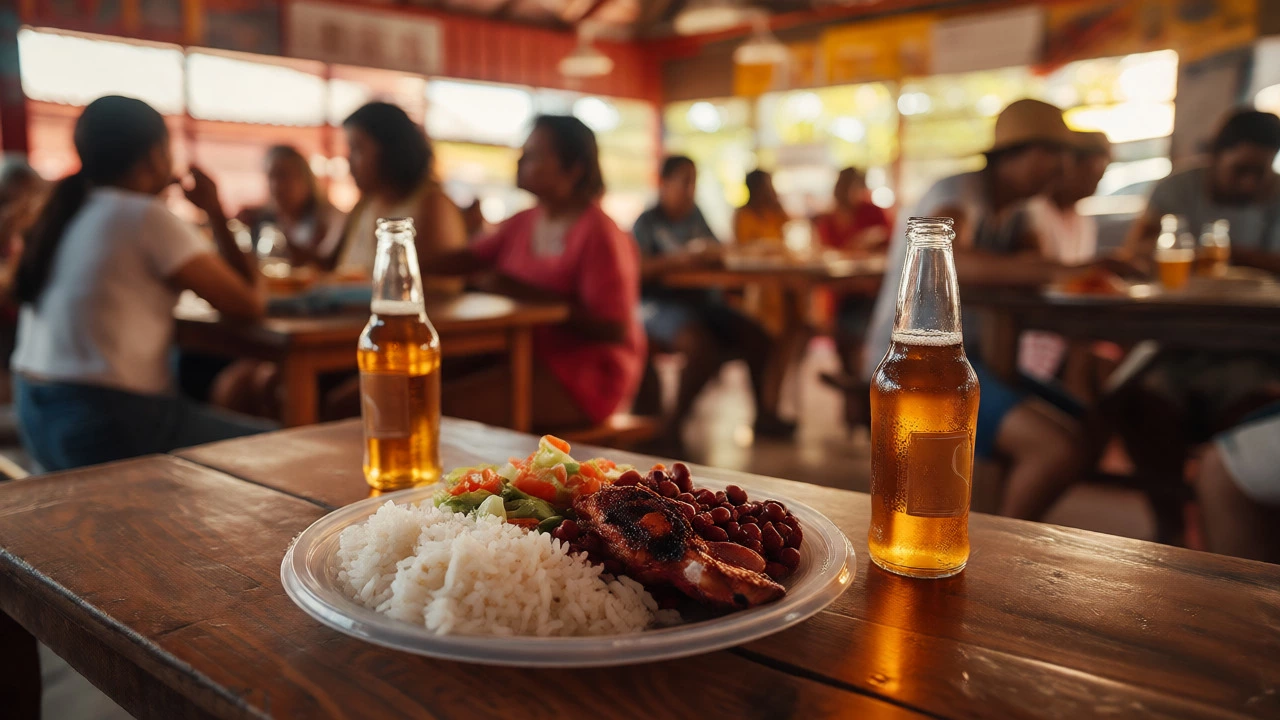
It isn’t just about cheap flights, though those help. The Dominican Republic (DR) wins because the local economy supports lower prices across the board. You aren’t paying a premium for imported goods because the country produces its own rice, beans, plantains, and chicken. A hearty lunch of la bandera dominicana-rice, beans, meat, and salad-costs around $5 to $7 at a local comedor. In Barbados or Aruba, that same meal might set you back $25 to $30.
Accommodation costs also drop significantly if you step away from the all-inclusive mega-resorts in Punta Cana. While those are convenient, they lock you into high prices. Look instead at guesthouses in Puerto Plata or Samaná. You can find clean, air-conditioned rooms with balconies overlooking the ocean for $40 to $60 per night. Compare that to the $200+ average nightly rate in Cayman Islands or Turks and Caicos, and the difference is stark.
The Real Cost Breakdown: DR vs. Other Islands
Let’s look at the numbers. This isn’t theoretical; these are current average estimates for mid-2026 based on traveler reports and local pricing. We are comparing a standard 7-day trip for two people, excluding international airfare.
| Expense Category | Dominican Republic (Puerto Plata) | Mexico (Cancun - Off Resort) | Jamaica (Montego Bay) | Barbados (St. James) |
|---|---|---|---|---|
| Average Nightly Stay | $50 | $70 | $90 | $150 |
| Daily Food & Drink | $40 | $60 | $75 | $120 |
| Local Transport (Daily) | $10 | $15 | $20 | $35 |
| Activities (Per Day) | $20 | $40 | $50 | $80 |
| Total Estimated Cost | $1,050 | $1,400 | $1,750 | $2,450 |
The gap widens when you factor in alcohol. A domestic beer like Presidente in the DR costs under $2. In Barbados, that same beer can cost $6 to $8. Over a week, drinking three beers a day saves you nearly $150 just by choosing the right island.
Hubs Within the Cheap Zone: Where Exactly Should You Go?
Not all parts of the Dominican Republic are equally cheap. Punta Cana is popular, but it’s becoming more expensive due to heavy tourism infrastructure. For true budget savings, aim for the north coast or the east side outside the resort bubbles.
- Puerto Plata: This city has a vibrant culture, historic sites like the Amber Museum, and access to Cabarete, known for kite surfing. It feels authentic rather than manufactured. Hostels here charge $15-$25 for dorms, while private guesthouses start at $35.
- Samaná Peninsula: Less developed than the north coast, Samaná offers stunning beaches like Playa Rincón without the crowds. You’ll need a rental car or a shared taxi (guagua) to get around, which keeps transport costs low if you split fares.
- Las Terrenas: A former fishing village turned expat haven. It’s slightly pricier than rural areas but still far cheaper than Punta Cana. Expect to pay $60-$80 for nice boutique hotels, but eat locally for $10 meals.
If the DR doesn’t appeal to you, consider Mexico’s mainland Caribbean coast outside Cancun. Places like Tulum have gotten pricey, but towns like Akumal or Bacalar offer similar beauty for less. However, remember that Mexico uses the Peso, so exchange rates fluctuate. The DR uses the Dominican Peso, which has remained relatively stable against the US Dollar recently, making budgeting easier.

How to Keep Costs Down Once You Arrive
Finding a cheap flight is step one. Keeping it cheap is step two. Here is how savvy travelers stretch their dollars in the Caribbean.
Eat Like a Local, Not a Tourist
Tourist menus near the beach mark up prices by 200%. Walk two blocks inland. Look for places with Spanish-only menus and local patrons eating plastic plates. Order mangú (mashed plantains) for breakfast-it’s filling, delicious, and costs pennies. Avoid imported cheeses and wines; stick to local fruits like papaya, mango, and coconut water, which are abundant and free or nearly free at markets.
Use Public Transport Wisely
In the DR, public buses called guaguas are incredibly cheap. A ride from Santo Domingo to Puerto Plata might cost $10. They are crowded and slow, but they save hundreds compared to private shuttles. If you prefer comfort, negotiate a fixed price with a taxi driver before getting in. Never rely on meters; they often don’t work or are rigged.
Choose Free Activities
The best things in the Caribbean are free. Swimming in the sea costs nothing. Hiking to El Limón Waterfall in Samaná requires a small guide fee ($10), but the hike itself is free. Exploring colonial zones in Santo Domingo or Santiago involves walking, not buying tickets. Save paid excursions like catamaran tours for one or two days, not every day.
Hidden Costs That Can Blow Your Budget
Cheap destinations come with caveats. Ignoring them turns a bargain into a burden.
Healthcare Quality: The DR has improved healthcare, but serious emergencies may require evacuation to the US or Europe. Travel insurance is non-negotiable. Do not skip this. A broken leg treated locally might be affordable, but an emergency airlift can cost $20,000+
Infrastructure Gaps: Power outages happen. Internet speeds vary. If you’re working remotely, test connectivity first. Some guesthouses have spotty Wi-Fi. Bring offline maps and downloaded entertainment.
Language Barrier: English is spoken in tourist hubs, but less so in local neighborhoods. Learning basic Spanish phrases like "¿Cuánto cuesta?" (How much does it cost?) prevents overcharging. Locals appreciate the effort and often give better deals.
Alternatives If You Want More Luxury Per Dollar
Maybe you don’t want rustic charm. Maybe you want AC that works and pools that sparkle. In that case, look at Cuba. Yes, Cuba. Despite political complexities, it remains one of the cheapest islands for luxury experiences. A five-star hotel room in Varadero can cost $100, including breakfast. Food is simple but cheap. The catch? Cash shortages and limited internet. It’s a different kind of adventure.
Another option is Hispaniola’s west side, specifically Haiti. It’s the poorest nation in the hemisphere, so costs are rock bottom. A meal might cost $2. But infrastructure is poor, security concerns exist, and tourism facilities are minimal. Only go here if you are an experienced traveler seeking raw cultural immersion, not relaxation.
Final Verdict: Is It Worth It?
If your goal is maximum sun, sand, and savings, the Dominican Republic is hard to beat. It balances affordability with enough tourist infrastructure to keep you safe and comfortable. You won’t feel like you’re camping, but you won’t feel like you’re being ripped off either. For families, couples, or solo backpackers who care more about experience than exclusivity, it’s the smartest choice in the Caribbean today.
Is the Dominican Republic safe for tourists?
Yes, major tourist areas like Puerto Plata, Punta Cana, and Las Terrenas are generally safe. Petty theft can occur, so keep valuables secure and avoid walking alone at night in unfamiliar areas. Stick to well-lit, populated streets and use reputable taxis.
Do I need a visa to visit the Dominican Republic?
Most visitors from the US, Canada, UK, and EU do not need a pre-approved visa. You receive a tourist card upon arrival, which is often included in your airline ticket. Ensure your passport is valid for at least six months beyond your travel dates.
What is the best time to visit for low prices?
The cheapest times are typically late summer (August to October) and early spring (April to May). These periods fall outside peak winter holidays and summer school breaks. Note that hurricane season runs June through November, so monitor weather forecasts closely during these months.
Can I drink the tap water?
No. Always drink bottled or purified water. Even locals often boil or filter their water. Use bottled water for brushing teeth if you have a sensitive stomach. Many hotels provide large jugs of filtered water for guests.
Are credit cards widely accepted?
Credit cards are accepted in hotels, larger restaurants, and supermarkets. However, small shops, street vendors, and rural areas operate on cash. Carry small bills in Dominican Pesos for tips, taxis, and market purchases. ATMs are available in cities but may charge fees.