Holiday Price Estimator
Enter your planned travel details to estimate potential price surcharges compared to baseline off-peak rates.
Season Analysis
Flight Increase
Hotel Increase
You book a flight for December, pack your bags, and then see the price tag at checkout. It stings, doesn't it? You know you’re paying a premium, but you might not realize exactly *why* or how much extra that premium actually is. The truth is simple: Peak Season is when demand crashes into limited supply, forcing airlines and hotels to jack up their rates. If you want to keep your wallet intact, you need to understand the mechanics of this pricing chaos.
The Global Peak Season Window
Generally speaking, the most expensive time to travel globally falls between mid-June and early September in the Northern Hemisphere, and mid-December to early January everywhere else. This isn’t just a guess; it’s driven by the school calendar. When kids are out of school, families travel. When families travel, hotels fill up and flights sell out.
But here is where it gets tricky. "Peak" isn't one uniform block of time. It shifts based on geography and specific events. For example, if you are flying from South Africa to Europe, July and August are brutal. Airfares can double compared to May or October. Why? Because European summer holidays coincide with South African winter break. Everyone wants to be in London, Paris, or Rome at the same time.
School Holidays are the single biggest driver of holiday cost spikes. In many countries, these breaks last six weeks in summer and two to three weeks around Christmas and Easter. During these windows, even unpopular destinations see price hikes because travelers have no choice-they have to move during those dates.
| Season Type | Typical Months (Northern Hemisphere) | Average Flight Increase | Average Hotel Increase |
|---|---|---|---|
| High Peak | July - August | +40% to +80% | +30% to +60% |
| Holiday Peak | Dec 15 - Jan 5 | +50% to +100% | +40% to +70% |
| Shoulder Season | May, June, Sept, Oct | +5% to +15% | -10% to +5% |
| Low Peak | Nov, Feb, Mar | Baseline | -20% to -40% |
Why Christmas and New Year Hit Hardest
If you ask anyone who travels frequently, they’ll tell you that the festive period is the absolute worst time for value. We’re talking about the two weeks surrounding Christmas and New Year’s Day. This is the "Super Peak." Unlike summer, which lasts months, this window is short and intense. People want to be home, or they want to escape to warm beaches while it’s freezing at home.
Airlines know this. They don’t offer sales during this period because they don’t have to. Seats are scarce. If you try to book a trip from Port Elizabeth to Cape Town or Durban in late December, you might pay triple what you’d pay in March. Hotels in coastal areas like Umhlanga or St Francis Bay often require minimum stays of five nights, locking you into a high-cost commitment.
It’s not just leisure travelers driving this. Many people use this time to visit family abroad. That dual demand-vacationers plus family reunions-creates a perfect storm for inflated prices. And unlike business travel, which drops off sharply after Friday evening, holiday travel is spread across Thursday through Sunday, keeping every seat occupied all weekend.
The Shoulder Season Sweet Spot
So, what’s the alternative? Enter Shoulder Season. This is the golden zone between peak and low season. Typically, this means May, June, September, and October in Europe and North America. In Southern Africa, our shoulder seasons align differently due to our climate, but the principle remains the same.
Shoulder season offers the best balance of weather, crowds, and cost. Flights are significantly cheaper, often 30-50% less than peak times. Hotels have more availability, meaning you can negotiate better rates or find last-minute deals. Plus, attractions aren’t overrun. Imagine visiting the Louvre in September versus July. In July, you’re fighting crowds. In September, you can actually see the art.
For South Africans traveling internationally, September and October are excellent choices. The European summer crowds have thinned out, but the weather is still pleasant. Conversely, February and March can be great for beach destinations in Asia or the Caribbean, avoiding the winter rush from colder climates.
Hidden Cost Traps Beyond Flights
Focusing only on airfare is a mistake. The "most expensive time" also affects ground costs. Car rentals spike during holidays. Fuel surcharges increase. Even grocery prices in tourist hotspots rise as local businesses capitalize on visitor spending power.
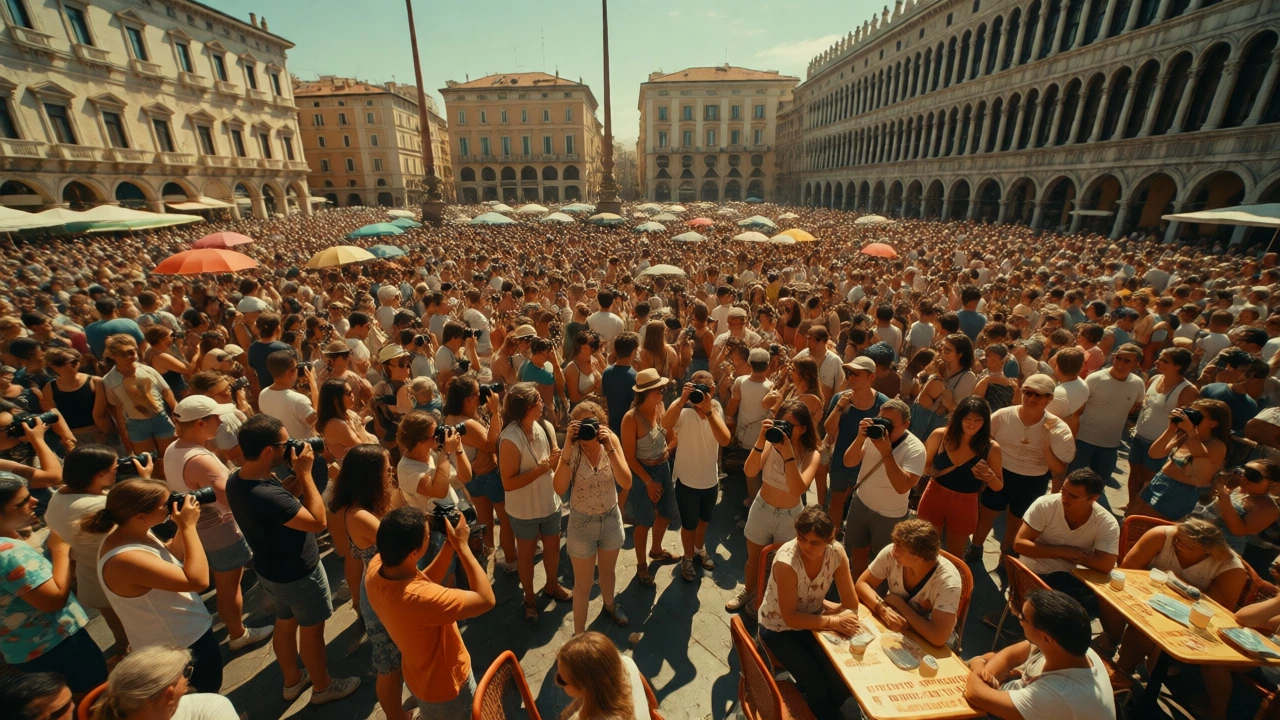
Consider event-driven peaks. A major festival can turn an otherwise cheap month into an expensive one overnight. Take Rio de Janeiro’s Carnival in February/March. While technically outside the global summer peak, hotel prices there skyrocket by 200% or more. Similarly, Oktoberfest in Munich turns September/October into a premium experience. Always check the local event calendar before booking. A city might be in its "low season" generally, but if it’s hosting the Olympics or a massive music festival, treat it as peak season.
Another trap is currency fluctuation. If you’re planning a trip to the US or UK, monitor exchange rates. Sometimes, a weaker Rand makes a destination feel twice as expensive, even if the base prices haven’t changed. This psychological factor often leads travelers to delay bookings, inadvertently pushing them closer to departure dates when prices are highest.
How to Beat the Peak Pricing Algorithm
Airlines use dynamic pricing algorithms that adjust fares based on search volume and remaining seats. Here is how you can game the system:
- Book Early for Peak: If you must travel in December or July, book at least four to six months in advance. Prices rarely drop closer to departure during these periods.
- Be Flexible with Dates: Flying on a Tuesday or Wednesday is almost always cheaper than Friday or Sunday. Shifting your return date by one day can save hundreds.
- Use Incognito Mode: Some studies suggest that cookies track your searches and raise prices. Clearing your cache or using private browsing might help avoid artificial price hikes.
- Set Price Alerts: Use tools like Skyscanner or Google Flights to set alerts for your desired route. Let the algorithm work for you instead of checking manually every day.
Also, consider nearby airports. Flying into a secondary airport might mean a longer train ride to the city center, but the savings on the ticket could outweigh the transport cost. For example, flying into Beauvais instead of Charles de Gaulle in Paris can save significant money, though you’ll pay for the shuttle bus.

Regional Variations: It’s Not One-Size-Fits-All
Not all destinations follow the same pattern. Tropical destinations like Bali or Thailand have different peak seasons based on monsoon patterns rather than school terms. Their high season is typically November to April, when the weather is dry and sunny. Traveling there in July or August (our winter) might actually be cheaper, despite being peak season in Europe.
Cruise lines operate on similar logic. Caribbean cruises are most expensive in December and February when Northerners flee the cold. Alaska cruises peak in July and August. Understanding the specific climate cycle of your destination is crucial. Don’t assume "summer" means expensive everywhere. In Australia, December is summer, so it’s peak. But in Canada, December is winter, so it’s low season unless you’re skiing.
Final Thoughts on Timing Your Trip
There is no magic bullet, but there is a strategy. Avoid the first week of July and the last week of December if you want to save money. Aim for the edges of these periods. If you can’t change your dates, accept the premium as the cost of convenience and guaranteed good weather.
Remember, the goal isn’t just to spend less-it’s to get better value. Paying more during peak season often means worse service, crowded sites, and stress. Paying less during shoulder season usually means attentive staff, empty beaches, and a relaxed vibe. Choose your trade-off wisely.
Is it ever cheaper to book last minute?
Rarely during peak season. Last-minute deals are mostly found in low or shoulder seasons when airlines need to fill empty seats. In peak times, planes are full, so prices stay high until takeoff.
Do school holidays affect solo travelers too?
Yes. Since hotels and flights are priced per unit, not per person type, everyone pays the higher rate. Solo travelers compete against families for the same limited inventory, driving up costs for all.
Which months are cheapest for international travel from South Africa?
Generally, February, March, and November offer the best rates for flights to Europe and Asia. These months fall outside both the South African school holidays and the major international vacation periods.
Does booking directly with the airline help save money?
Sometimes. Airlines may offer exclusive web-only fares or flexible cancellation options that third-party sites don’t show. However, aggregators like Skyscanner are better for comparing multiple carriers quickly.
Are weekends really more expensive to fly?
Yes, especially for leisure routes. Business travelers fly Mon-Fri, leaving weekends for tourists. High demand on Fridays and Sundays pushes prices up. Mid-week flights (Tue-Wed) are consistently cheaper.