Island Budget Estimator
Select your destination and travel style to see how far your money goes. Data based on average budget traveler expenditures.
Daily Breakdown
| Accommodation | |
| Food & Drink | |
| Local Transport | |
| Total Daily Burn Rate |
Relative Cost vs. Cheapest Option
Enter your trip details and click "Calculate Costs" to see the breakdown.
You want an island escape but your bank account is screaming "no." I get it. Island life sounds expensive-private villas, $50 cocktails, and flights that cost more than a used car. But here’s the truth: you can find stunning beaches, warm water, and local culture for less than the price of a weekend in London or New York. The trick isn’t just finding a cheap flight; it’s picking the right island where the cost of living stays low once you land.
I’ve spent years traveling on a shoestring, often starting from Port Elizabeth here in South Africa. I’ve learned that the "cheapest" island changes depending on where you’re flying from and what kind of experience you want. Are you looking for a party? A quiet retreat? Or just somewhere to read a book by the sea? Let’s break down the real numbers so you don’t get trapped by hidden fees.
The Real Cost Breakdown: What You Actually Pay
Before we name names, let’s look at the math. Most people forget that the ticket price is only half the battle. If you fly to a remote paradise but have to pay $40 for a bottle of water and $80 for a basic dinner, you’ll blow your budget in two days. We need to look at the daily burn rate.
In Southeast Asia, you can eat well for $5-$10 a day. In the Caribbean, that same meal might cost $25-$35. Why? Because most Caribbean islands import everything. Food, fuel, construction materials-it all comes by boat or plane. That markup hits you directly. So, when we talk about the least expensive islands, we are usually talking about places with strong local agriculture, high tourist competition (which drives prices down), or favorable exchange rates.
| Island Region | Accommodation/Night | Food/Day | Local Transport | Total Daily Est. |
|---|---|---|---|---|
| Phu Quoc, Vietnam | $15 - $25 | $10 - $15 | $5 | $30 - $45 |
| Sri Lanka | $20 - $35 | $8 - $12 | $3 | $31 - $50 |
| Roatan, Honduras | $30 - $50 | $15 - $25 | $10 | $55 - $85 |
| Bali, Indonesia | $25 - $40 | $10 - $20 | $5 | $40 - $65 |
| Mauritius | $40 - $70 | $20 - $35 | $15 | $75 - $120 |
Why Southeast Asia Wins the Price War
If you are strictly chasing the lowest number, Southeast Asia is hard to beat. Specifically, look at Vietnam and Thailand. These countries have massive tourism infrastructure, which means lots of hotels competing for your dollar. When supply is high, prices drop.
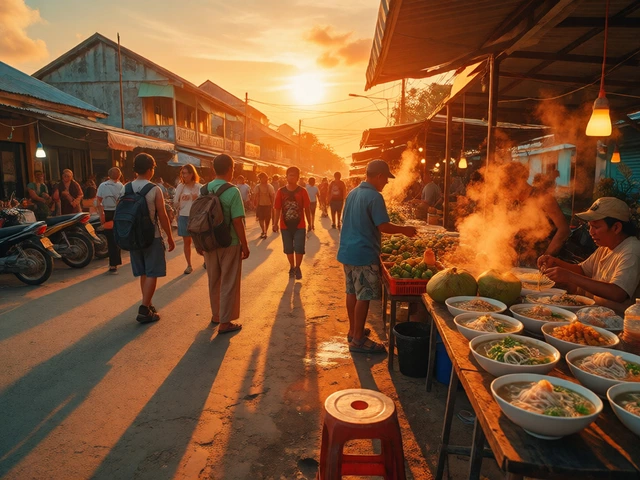
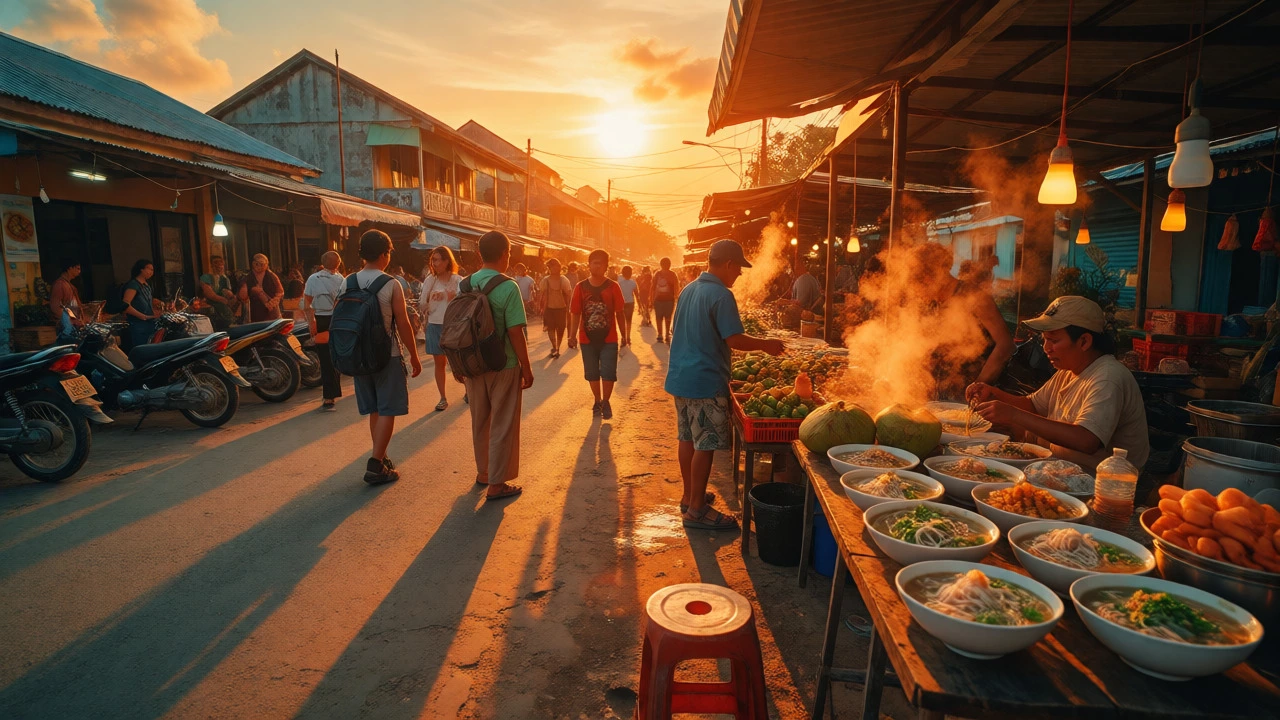
Take Phu Quoc in Vietnam. It’s not as famous as Bali yet, which keeps it cheaper. You can find clean, air-conditioned rooms for under $20. Street food is world-class and costs pennies. A bowl of Pho? Maybe $2. A fresh coconut? $1. Compare that to a resort island in the Maldives where a similar snack could cost $15 because it had to be flown in on a seaplane.
However, there’s a catch. Getting to Vietnam from Europe or North America can be pricey. From South Africa, like my home base in Port Elizabeth, flights to Asia can range from $600 to $900 round trip depending on the season. But if you stay for two weeks, those daily savings add up fast. You save enough on food and lodging to offset the higher airfare compared to flying to a closer, pricier destination.
The Caribbean Option: Where Is It Cheap?
People assume the Caribbean is always expensive. They think of St. Barts or the Cayman Islands. But the region has huge disparities. If you want the Caribbean vibe without the Caribbean price tag, you need to look at Honduras Bay Islands or parts of the Dominican Republic.
Roatan, off the coast of Honduras, is a favorite among backpackers. Why? Because it caters to divers and long-term travelers who live there on small budgets. You can rent a scooter for $20 a day instead of hiring taxis. Eat at local "comedores" (small eateries) where lunch is $5. The water is clear blue, the reefs are amazing, and you aren’t paying for the "luxury tax" you see in Aruba or Turks and Caicos.
Another dark horse is Cuba. While political complexities exist, the actual cost of staying there can be very low if you avoid state-run hotels. Staying in a casas particulares (private homestay) gives you authentic hospitality and meals included for around $25-$35 a night. It’s not the easiest logistics-wise, but for pure value per dollar, it’s tough to ignore.
Africa’s Hidden Gems: Closer to Home
Since I’m writing this from South Africa, I have to mention our backyard. For many readers, flying across the Atlantic or to Asia is too much hassle or expense. Enter Zanzibar and Mauritius.
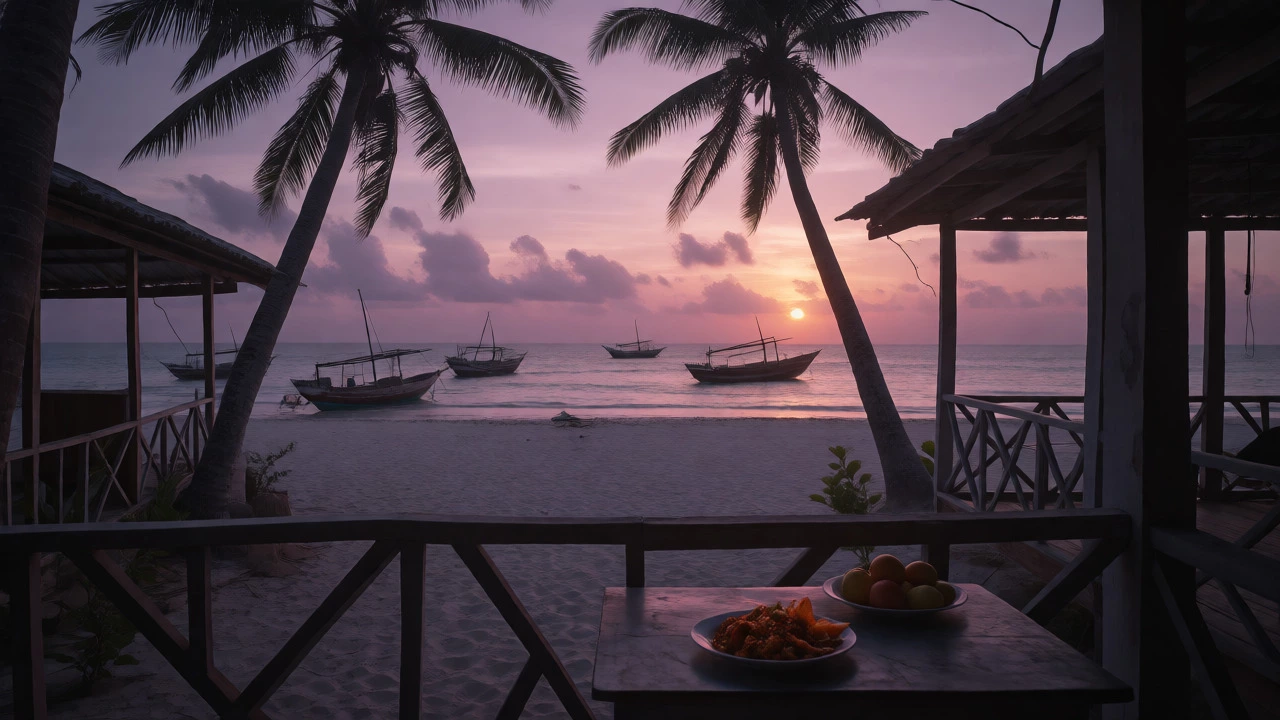
Zanzibar is surprisingly affordable if you stay away from the ultra-luxury resorts in Nungwi. Head south to Paje or Michamvi. You can find guesthouses run by local families for $30 a night. The food is incredible-spicy seafood curries for $4. Plus, the flights from Johannesburg or Cape Town are frequent and competitive. You can often snag a return ticket for under $400 during off-peak months (April to June). That makes the total trip cost significantly lower than flying to Thailand when you factor in time off work and jet lag recovery.
Mauritius is slightly pricier than Zanzibar but offers better infrastructure. It’s safe, clean, and has excellent public buses. A bus ride costs cents. If you cook your own meals using fresh produce from local markets, you can keep your daily spend under $60. It’s not "backpacker cheap," but it’s "middle-class comfortable cheap," which is a different kind of win.
How to Keep Costs Down Once You Arrive
Picking the right island is step one. Step two is behaving like a local, not a tourist. Here is how I stretch my budget:
- Eat where locals eat: Avoid restaurants with English menus and pictures of burgers. Look for places where the staff speaks the local language and the customers are locals. This applies in Bali, Roatan, and Zanzibar alike.
- Use public transport: In Thailand, use the songthaews (shared trucks). In Mauritius, take the bus. In Cuba, share rides. Taxis are the budget killer. If you must hire a driver, negotiate the price before getting in, or use apps like Grab (Asia) or Bolt (Africa).
- Book accommodations directly: Online platforms charge service fees. If you find a place on Booking.com, try calling them or messaging via WhatsApp to ask for a direct rate. Many owners will knock 10-15% off to avoid the commission.
- Travel in shoulder season: Don’t go in December or July. Go in May or September. Prices drop by 30%, and the crowds thin out. The weather might be slightly rainier, but you won’t care when you’re saving hundreds.
Common Pitfalls That Blow Your Budget
I’ve seen people ruin their trips by ignoring small details. Here are three traps to avoid:
- The "All-Inclusive" Illusion: Sometimes an all-inclusive package looks cheap upfront ($1,200 for a week). But then you realize you never leave the resort, you drink mediocre beer, and you miss the culture. Often, paying $800 for a room and spending $400 on great local food and tours yields a richer experience for less money.
- Exchange Rate Shocks: Check the currency before you book. If the local currency has crashed against the dollar or euro, you’re rich. If it’s strengthened, your budget shrinks. Use tools like XE.com to check trends over the last six months.
- Hidden Resort Fees: In some places, especially in the Caribbean and Mexico, hotels charge a "resort fee" of $20-$50 per night that isn’t shown in the booking engine. Always call ahead to confirm the final total.
Final Verdict: Which Island Should You Pick?
If you want the absolute lowest daily cost and don’t mind a longer flight, go to Vietnam or Thailand. Your money goes furthest there. If you are in the Americas and want proximity, choose Roatan or the Dominican Republic. If you are in Europe or Southern Africa, Zanzibar offers the best balance of price, ease, and beauty.
Remember, the cheapest island isn’t necessarily the best island. It’s the one that fits your tolerance for discomfort and your desire for adventure. Do your homework, check recent traveler reviews for price updates, and pack light. The ocean doesn’t charge extra for your view.
Which Caribbean island is the cheapest to visit?
The Dominican Republic and Honduras (Bay Islands) are generally the cheapest options in the Caribbean. The Dominican Republic benefits from a large tourism industry that drives competition, while Honduras offers lower costs of living and fewer luxury taxes. Avoid smaller islands like the Caymans or Bermuda, which rely heavily on imports.
Is it cheaper to visit islands in Asia or the Caribbean?
On a daily basis, Asian islands (like those in Vietnam, Thailand, or Indonesia) are significantly cheaper due to lower labor and food costs. However, airfare from North America or Europe to Asia is often higher than flights to the Caribbean. If you stay for two weeks or more, Asia usually wins on total cost. For short trips, the Caribbean may be more economical.
What is the cheapest way to get around on these islands?
Public transportation is almost always the cheapest option. In Southeast Asia, use shared vans or buses. In the Caribbean, use local minibuses or ferries between nearby islands. Renting a scooter is often the next best option for flexibility, costing $5-$15 per day in most budget destinations, compared to $50+ for private taxis.
Do I need a visa for these cheap islands?
It depends on your passport. Many Southeast Asian countries offer visa-on-arrival or e-visas for Western passports. The Caribbean varies widely; some require pre-approved visas, others do not. Always check the specific embassy website for your nationality before booking flights, as visa fees can add $20-$100 to your trip cost.
When is the best time to book for low prices?
For the Caribbean, aim for late summer (August-September) or early spring (April-May), avoiding the holiday rush. For Asia, avoid major holidays like Chinese New Year and Christmas. Booking flights 2-3 months in advance and accommodation 1 month in advance typically yields the best rates for budget travelers.