All-Inclusive Holiday Cash Calculator
Plan your wallet strategy before you pack. This calculator helps determine the optimal amount of cash to bring based on your trip duration, group size, and spending preferences.
Trip Details
Spending Preferences
Recommended Cash Amount
for your entire trip
Breakdown by Category
Quick Tips
- Keep small bills handy
- Split cash between locations
- Notify your bank before traveling
- Use hotel safe for excess
The "All-Inclusive" Myth: Why Your Wallet Shouldn't Be Empty
You’ve booked the package. The brochure promised endless drinks, three meals a day, and zero stress. It sounds like you can leave your credit card at home and just show up with sunscreen. But here is the reality check that most travel agents don’t lead with: all-inclusive holidays are rarely 100% inclusive of everything you might want to do or buy.
If you arrive at your resort with absolutely no cash, you will likely face awkward moments. Maybe you want to tip the housekeeper who keeps your room spotless. Perhaps you decide to take a taxi to a local town instead of using the expensive resort shuttle. Or maybe you just want to buy a cold bottle of water from a street vendor after swimming in the ocean. In these scenarios, digital payments often fail, and cards are sometimes rejected by small vendors.
So, do you need money? Yes. But you don’t need a fortune. The key is knowing exactly where your prepaid money stops and where your personal wallet needs to kick in. This guide breaks down the hidden costs, tipping etiquette, and smart ways to carry currency so you enjoy your trip without financial friction.
What Is Actually Covered in Your Package?
Before packing cash, look closely at your booking confirmation. The term "all-inclusive" varies wildly between brands. A luxury resort in the Maldives might include spa treatments and private transfers, while a budget-friendly chain in Mexico might only cover basic buffet food and house-brand beer.
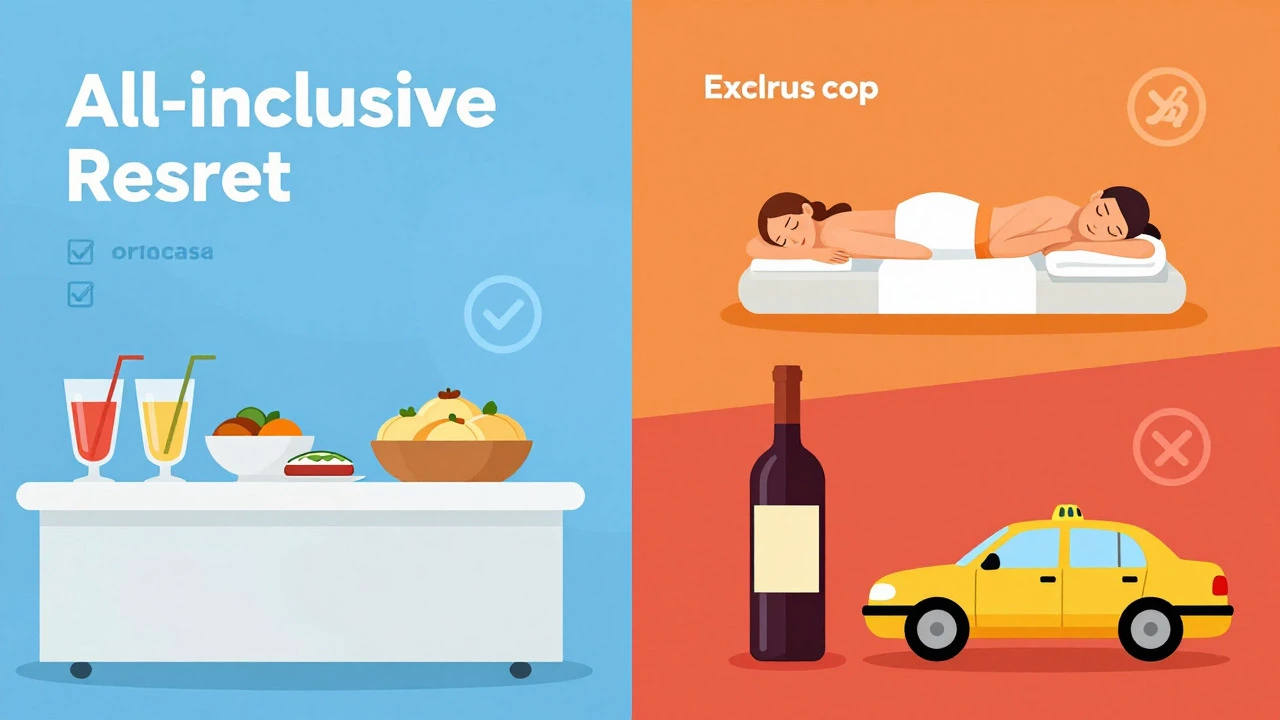
Typically, your upfront payment covers:
- Standard room accommodation (excluding premium suites or upgrades)
- Three main meals and two snacks per day at designated restaurants
- Non-premium alcoholic beverages and soft drinks during specific hours
- Basic on-site activities like beach volleyball, yoga classes, or kids' club access
However, several high-value items are almost always excluded. These are the gaps where you will need extra funds. Premium spirits, à la carte dining at specialty restaurants, spa services, excursions off the property, and airport transfers are common exclusions. If you assume everything is free, you will be surprised when the bill arrives.
| Category | Usually Included | Usually Extra Cost |
|---|---|---|
| Dining | Buffet meals, poolside snacks | À la carte specialty restaurants, room service |
| Drinks | House wine, beer, standard cocktails | Premium brands, top-shelf liquor, minibar items |
| Activities | Beach sports, daily entertainment shows | Scuba diving, golf, guided tours, spa treatments |
| Transport | Resort shuttle bus (limited schedule) | Airport transfers, taxis, car rentals |
| Services | Basic housekeeping | Tips, laundry, Wi-Fi (sometimes), phone calls |
The Tipping Culture: To Tip or Not to Tip?
This is the most debated topic among travelers. Some resorts explicitly state "no tipping allowed," arguing that staff salaries are higher because gratuities are included. Others encourage tipping as a way for service workers to supplement their income. The truth lies somewhere in the middle, depending on the destination and the quality of service.
In many Caribbean and Mexican resorts, while tipping isn't mandatory, it is deeply appreciated. Staff members often rely on tips to make ends meet. If your server remembers your drink order, your housekeeper leaves creative towel animals, or your concierge secures hard-to-get dinner reservations, a small cash tip goes a long way.
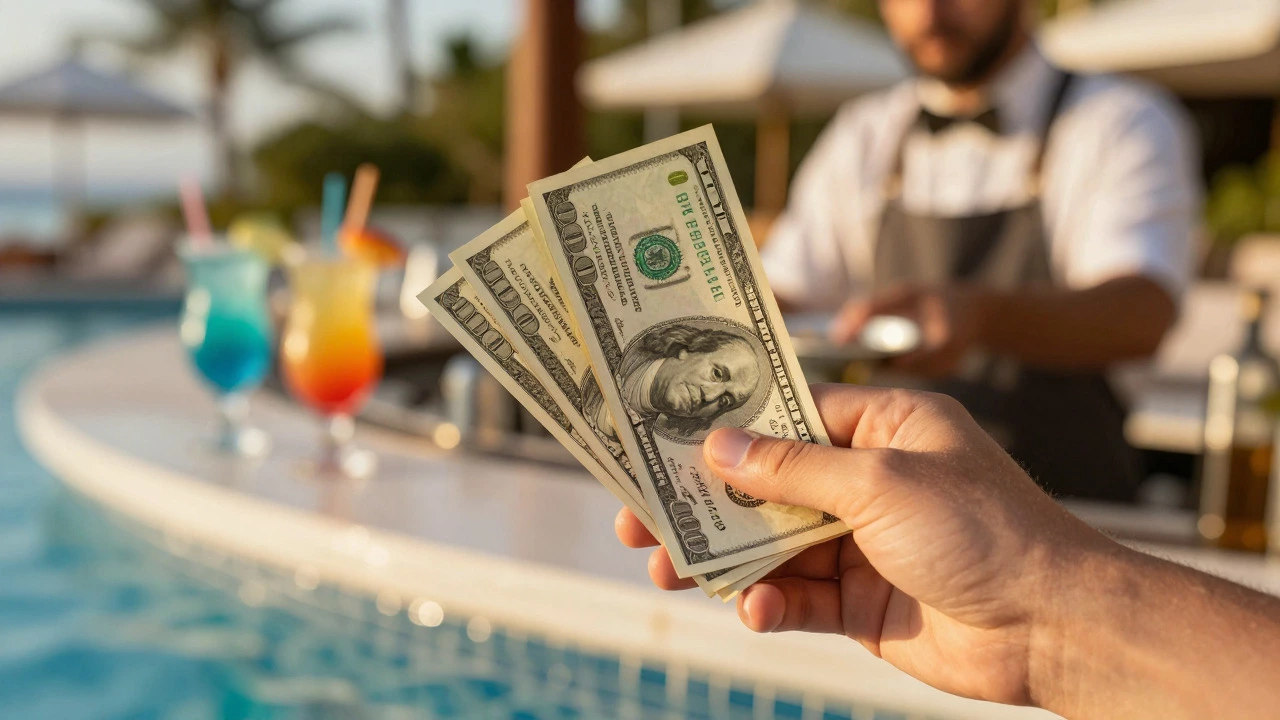
How much should you budget? A general rule of thumb is $5-$10 USD per day for housekeeping and $2-$5 per drink if you’re ordering premium beverages or receiving exceptional table service. Keep small bills handy. Handing a $100 bill to a bartender for a $2 tip creates an awkward exchange. Having a stack of $1s, $5s, and $10s makes tipping seamless and respectful.
Off-Property Adventures Require Local Currency
One of the biggest mistakes travelers make is staying inside the resort walls the entire time. While convenient, this limits your cultural experience. Most all-inclusive properties are located near towns, markets, or natural attractions that are not part of the package.
Imagine walking out of the resort gate into a vibrant local market. You see fresh fruit, handmade crafts, and street food. Vendors here rarely accept credit cards. They want local cash. Without it, you miss out on authentic interactions and unique souvenirs. Similarly, if you hire a local taxi driver to take you to a nearby beach or historical site, they will expect payment in cash upon arrival.
Even within the resort, some amenities cost extra. For example, renting snorkeling gear, joining a sunset sailing cruise, or getting a massage at the spa usually requires additional payment. While many spas accept cards, smaller excursion operators often prefer cash due to lower transaction fees.
Hidden Costs That Catch Travelers Off Guard
Beyond tips and excursions, there are subtle costs that can add up quickly. Here are the most common ones:
- Premium Alcohol: House brands are included. Want a specific vintage wine or a name-brand whiskey? Expect to pay full price, often marked up significantly compared to local bars.
- Room Service: Many resorts charge a delivery fee or exclude certain menu items from the all-inclusive plan.
- Wi-Fi Access: While basic Wi-Fi is becoming standard, high-speed internet for remote work or streaming may require a paid upgrade.
- Laundry Services: If you spill something or get sandy, laundry services are almost always extra.
- Medical Expenses: Resort clinics may offer basic first aid, but serious medical issues require evacuation or hospital visits, which are not covered by your holiday package.
Being aware of these costs helps you budget realistically. Instead of being shocked by a $50 bill for a single cocktail, you can choose to stick to included options or budget for one special treat.
Cash vs. Card: What Should You Carry?
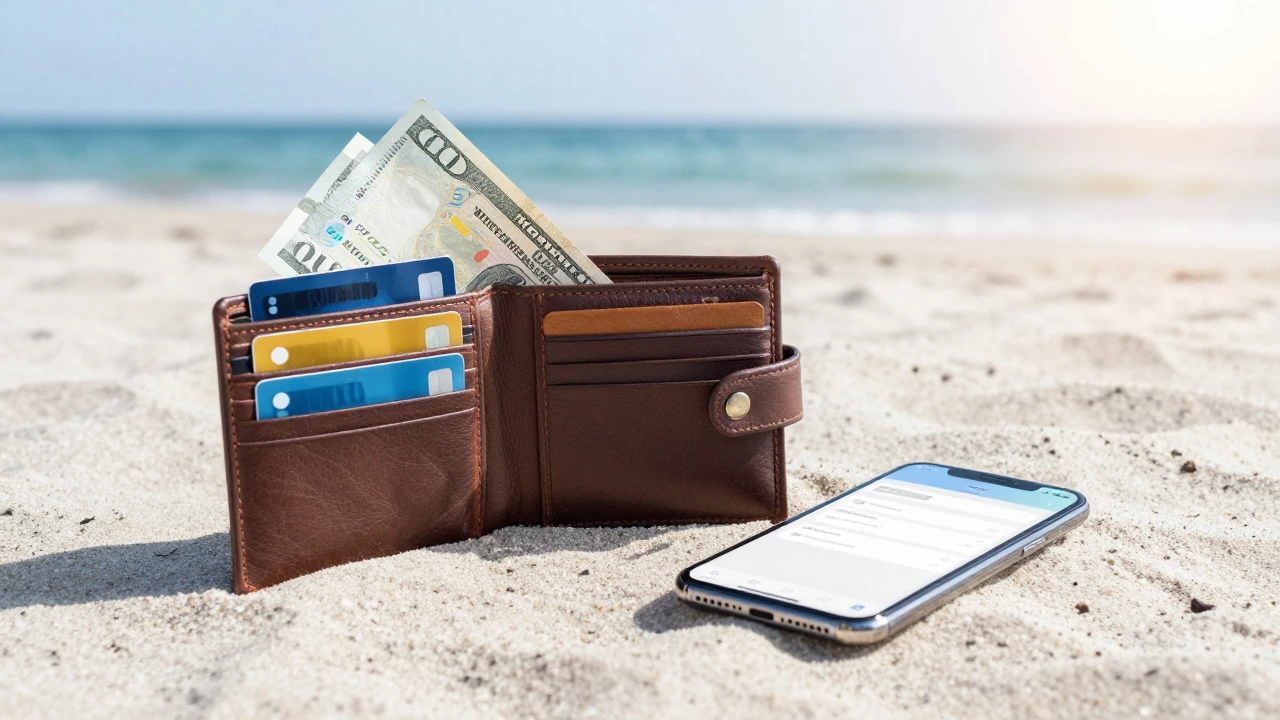
The best approach is a hybrid strategy. Relying solely on cash is risky-if you lose it, it’s gone. Relying solely on cards is inconvenient for small purchases and tipping. Here’s how to balance both:
Bring a mix of currencies: Carry a small amount of US dollars (widely accepted in tourist areas) and local currency for markets and taxis. Exchange rates fluctuate, so converting a modest amount before you travel or withdrawing from ATMs upon arrival ensures you have usable cash.
Use cards for large expenses: Keep your credit card safe in your hotel safe. Use it for spa treatments, excursions booked through the resort, or premium dining. This provides a paper trail and fraud protection. Notify your bank of your travel dates to avoid blocked transactions.
Keep cash accessible but secure: Don’t keep all your cash in one place. Split it between your wallet, a hidden pocket in your luggage, and your hotel safe. Use a money belt or neck pouch if you’re exploring crowded markets.
Budgeting Tips for a Stress-Free Trip
To avoid overspending, set a daily allowance for extra expenses. For example, if you’re on a week-long trip, allocate $20-$30 per day for tips, local snacks, and small purchases. This totals $140-$210 for the week-a manageable amount that enhances your experience without breaking the bank.
Track your spending. Use a simple notes app on your phone to log cash outflows. At the end of each day, review what you spent. Did you over-tip? Did you buy too many souvenirs? Adjust your budget for the next day accordingly.
Finally, communicate with your travel agent or resort directly. Ask about specific inclusions and exclusions. Some resorts offer "premium packages" that include alcohol upgrades or activity credits. If you plan to indulge heavily, upgrading your package might save you money compared to paying out-of-pocket for every item.
Is it better to bring US dollars or local currency?
It depends on the destination. In many Caribbean and Central American resorts, US dollars are widely accepted for tips and small purchases. However, for local markets and taxis outside the resort, local currency is preferred and often gives you a better rate. Bring a mix: US dollars for convenience within the resort ecosystem, and local cash for authentic experiences off-property.
Can I use my credit card everywhere in the resort?
Most major resorts accept credit cards at bars, spas, and gift shops. However, some smaller outlets, mobile bartenders, or excursion operators may be cash-only. Additionally, using cards for tiny amounts like tips can feel impersonal and may incur foreign transaction fees. Always carry some cash for flexibility.
How much cash should I bring for a week-long all-inclusive trip?
A reasonable estimate is $200-$400 USD for a couple, depending on your spending habits. This covers tips for staff ($50-$100), local excursions or taxis ($50-$100), and miscellaneous purchases like souvenirs or premium drinks ($100-$200). Adjust based on whether you plan to stay strictly within the resort or explore locally.
Are gratuities really included in all-inclusive packages?
Technically, yes, a service charge is often added to your bill. However, this money is pooled and distributed among staff, meaning individual servers and housekeepers may earn less than they would with direct tips. Direct cash tips ensure your appreciation reaches the specific people who helped you, and it is culturally expected in many destinations.
What happens if I run out of cash during my holiday?
Most resorts have ATMs on-site or nearby, though they may charge high withdrawal fees. Alternatively, the front desk can often convert larger bills into smaller denominations or provide emergency cash advances against your credit card (subject to interest). To avoid this, withdraw enough cash upon arrival to last the first few days.