Adventure holidays aren’t just about climbing mountains or rafting rapids. They’re about pushing past your comfort zone, waking up somewhere you’ve never been, and realizing you’re capable of more than you thought. If you’ve ever looked at a photo of someone hiking the Inca Trail or sleeping under the stars in the Namib Desert and thought, That could be me, then you’re already thinking like an adventure traveler.
Adventure holidays aren’t luxury trips
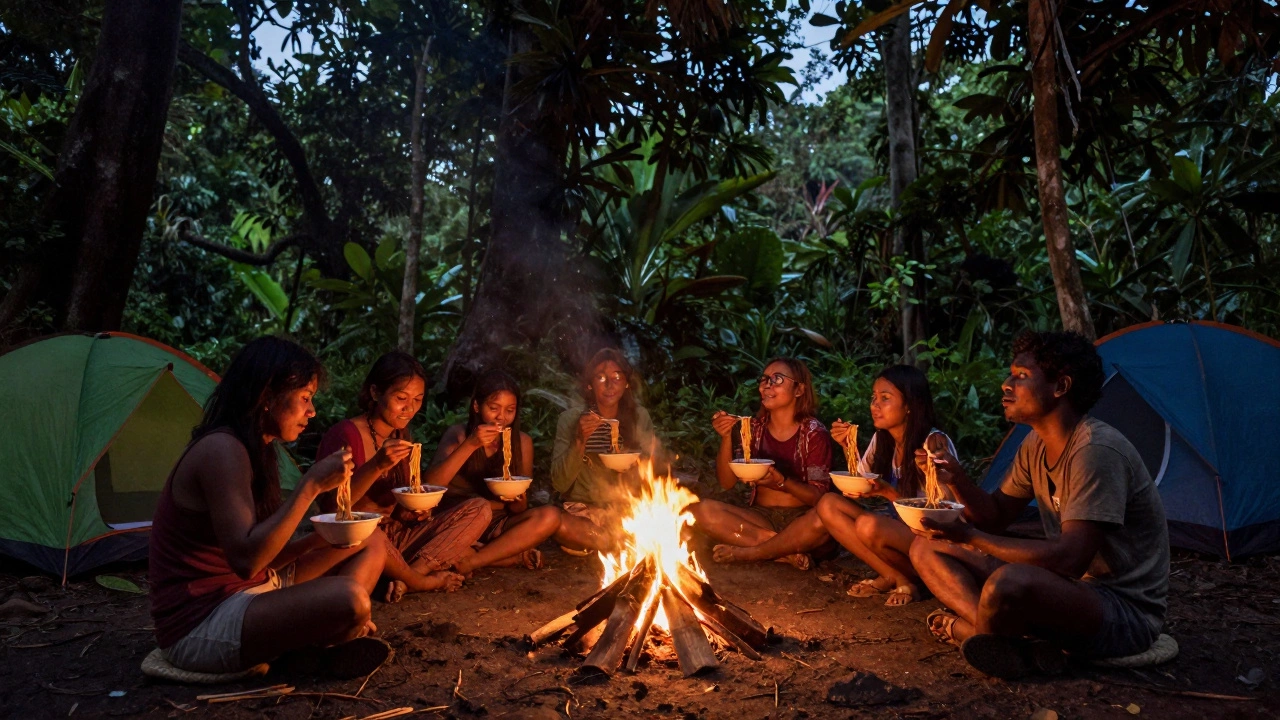
Forget five-star resorts and room service. Adventure holidays are about immersion, not indulgence. You might sleep in a tent on a glacier, eat noodles from a street stall in Nepal, or hike 12 hours with a pack that weighs half your body. The goal isn’t to relax-it’s to feel alive.
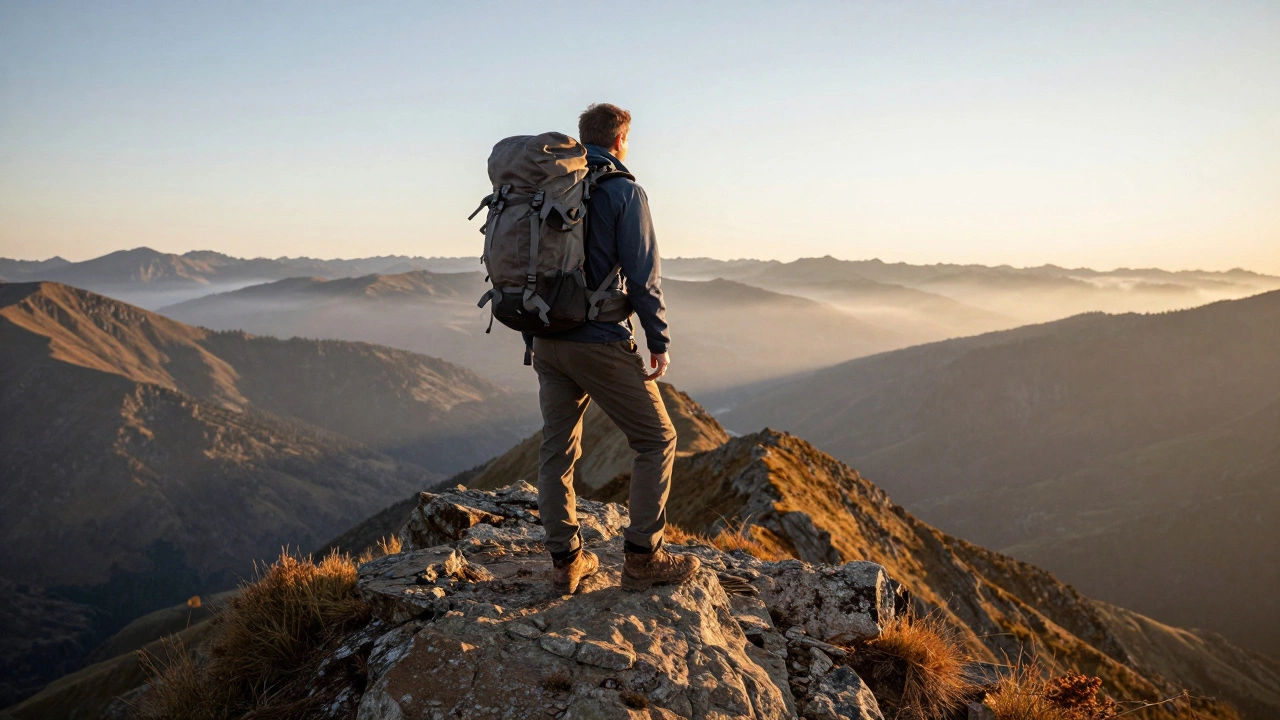
Think about it: when was the last time you felt real exhaustion? Not the kind from sitting at a desk, but the kind that comes after climbing a steep ridge at 3,500 meters, your lungs burning, your legs shaking, and then-suddenly-you’re standing on a ridge with 360 degrees of untouched wilderness stretching out below you? That’s the kind of moment adventure holidays are built for.
What counts as an adventure holiday?
There’s no official list, but most adventure holidays share a few key traits:
- Physical challenge-you’re moving your body in ways you don’t normally do
- Unpredictable environments-weather, terrain, or local conditions change fast
- Remote locations-you’re not just a tourist in a city, you’re in places with few roads, few people, and few amenities
- Self-reliance-you’re not just following a guide, you’re making decisions
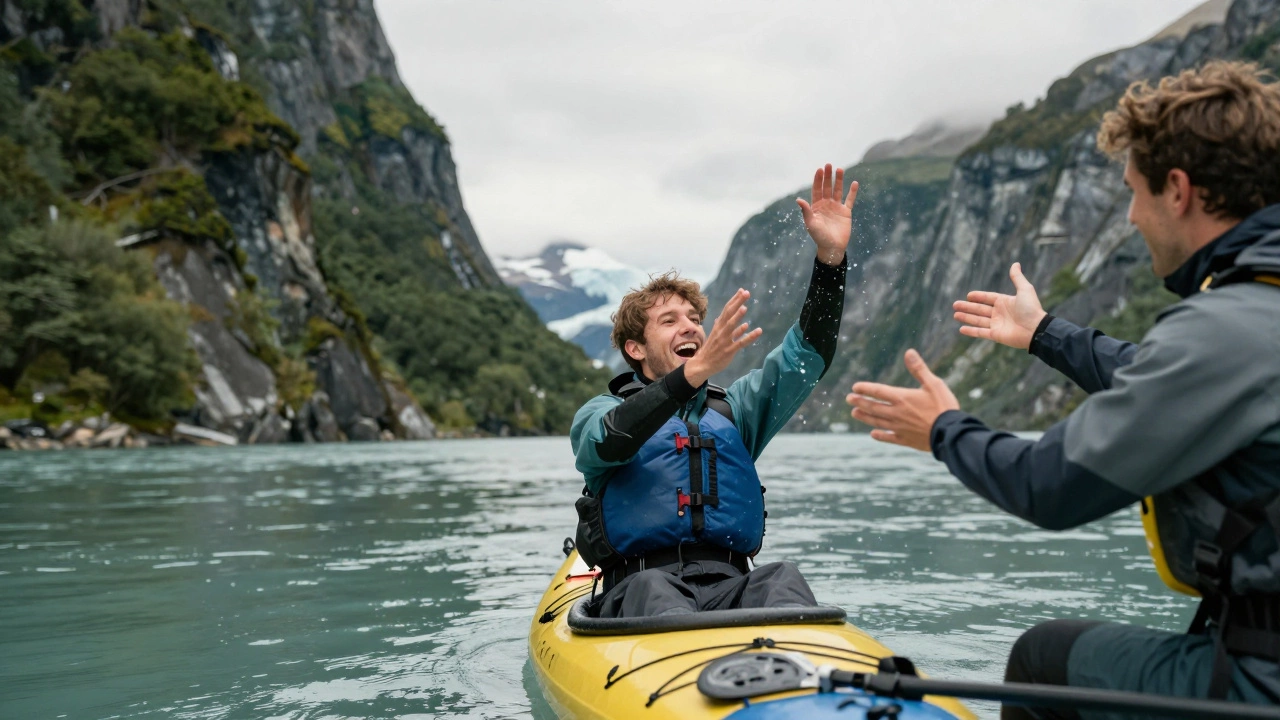
Examples? Trekking the Drakensberg in South Africa, kayaking through the fjords of Patagonia, mountain biking the Rockies, scuba diving in the Coral Triangle, or even long-distance trail running through the Scottish Highlands. It’s not about the activity-it’s about how much you’re putting yourself out there.
It’s not just for extreme athletes
A lot of people think adventure travel means you need to be a fitness fanatic. That’s not true. Adventure holidays come in all levels. You don’t need to be an elite climber to do a multi-day trek. You don’t need to be a pro kayaker to paddle a calm river through a jungle.
There are guided tours designed for beginners-groups with experienced leaders, gear provided, and routes that match your fitness level. In fact, most people who try adventure travel for the first time start with something moderate: a 3-day hike in the Atlas Mountains, a night in a treehouse in Costa Rica, or a bike tour through Vietnam’s countryside.
The key? Choose something that stretches you, not breaks you.
Why do people choose adventure holidays?
It’s not just about the views. People go because they’re looking for something deeper.
One woman I met in Lesotho told me she quit her job after her dad passed away. She didn’t want to travel to relax-she wanted to feel something real again. So she spent three months walking solo across the Drakensberg. She said, "I didn’t find answers on the trail. But I found myself again."
Others go because they’re tired of screens, routines, and the same old weekend escapes. Adventure holidays force you to be present. No Wi-Fi. No notifications. Just you, your pack, and the next ridge.
Studies show that people who take adventure trips report higher levels of life satisfaction and reduced stress-even months after returning. It’s not magic. It’s the result of pushing limits, solving problems, and connecting with nature and people in ways you can’t in daily life.
How to plan your first adventure holiday
If you’ve never done one, start here:
- Choose a destination that excites you-not one that looks "epic" on Instagram. Do you want to hear silence? Try Mongolia. Do you want to feel rainforest heat? Try Borneo.
- Match the activity to your fitness-if you haven’t walked more than 5km in a year, don’t start with a 10-day trek. Look for "beginner-friendly" or "moderate" options.
- Book with a reputable operator-check reviews, ask about safety protocols, and make sure they have local guides. You’re not just paying for a trip-you’re paying for experience.
- Pack smart-leave the designer gear at home. Bring moisture-wicking layers, sturdy boots, and a good rain shell. You don’t need 20 gadgets. You need three things: warmth, dryness, and durability.
- Expect the unexpected-flights get delayed, trails get muddy, weather changes. The best adventures are the ones that don’t go as planned.
What to avoid
There are traps, even for well-meaning travelers:
- Don’t go alone if you’re inexperienced-even the most confident solo travelers get lost, hurt, or caught in bad weather. Start with a group.
- Don’t skip travel insurance-adventure travel insurance isn’t optional. It covers medical evacuations, trip cancellations, and gear loss. Standard policies often don’t cover off-trail hiking or remote areas.
- Don’t treat it like a photo op-you’re not there to post. You’re there to experience. Put the camera down sometimes.
- Don’t ignore local culture-in Nepal, you don’t climb a sacred mountain without understanding local beliefs. In Namibia, you don’t camp on land without asking permission. Respect isn’t optional.
Adventure holidays change you
People come back from these trips with more than just stories. They come back with a different sense of what’s possible.
One guy I know went on a 7-day rafting trip down the Zambezi. He was scared of water. He couldn’t swim. But he went anyway. He spent the first day clinging to the raft. By day four, he was laughing as he got thrown out of the boat. By day seven, he signed up for a scuba course.
That’s the thing about adventure holidays. They don’t just take you to a new place. They take you to a new version of yourself.
Are adventure holidays safe?
Yes, when you plan properly. Most adventure tour operators have strong safety records. They train guides in first aid, carry emergency radios, and monitor weather. The real risk comes from under-prepared travelers-those who skip insurance, ignore advice, or push beyond their limits. Stay within your training, listen to your guide, and you’ll be fine.
How much do adventure holidays cost?
Prices vary wildly. A weekend hiking trip in South Africa might cost $300. A 10-day expedition to the Himalayas could run $3,000-$5,000. Budget options exist-hostels, local guides, public transport-but gear, permits, and transport add up. The average person spends between $800 and $2,500 for a 7-10 day trip. It’s not cheap, but it’s often cheaper than a luxury resort vacation.
Do I need special gear?
Not always. Many operators provide gear like tents, kayaks, or climbing equipment. But you’ll need your own boots, moisture-wicking clothes, a daypack, and a good rain jacket. Don’t buy expensive gear just for one trip. Borrow, rent, or buy used. Focus on fit and function, not brand names.
Can I do adventure holidays solo?
Yes-but only if you’re experienced. Solo travel works for seasoned hikers who know how to read maps, handle emergencies, and communicate in local languages. If you’re new, start with a group. Many companies offer solo-friendly trips where you share accommodation and meals with others. You’ll still get the independence without the risk.
What’s the best destination for beginners?
For first-timers, the Azores in Portugal, the Lake District in England, or the Drakensberg in South Africa are excellent. They offer clear trails, reliable weather, local support, and stunning scenery without extreme altitude or technical challenges. These places let you test the waters-literally and figuratively-without overwhelming you.