
When people think of adventure, they don’t picture quiet beaches or museum halls. They think of cliffs, rapids, snow-capped peaks, and jungles where the only map is the one in your head. So which country truly owns the title of adventure? There’s no single answer-but one place stands out above the rest for sheer variety, accessibility, and raw adrenaline.
New Zealand: The Adventure Capital of the World
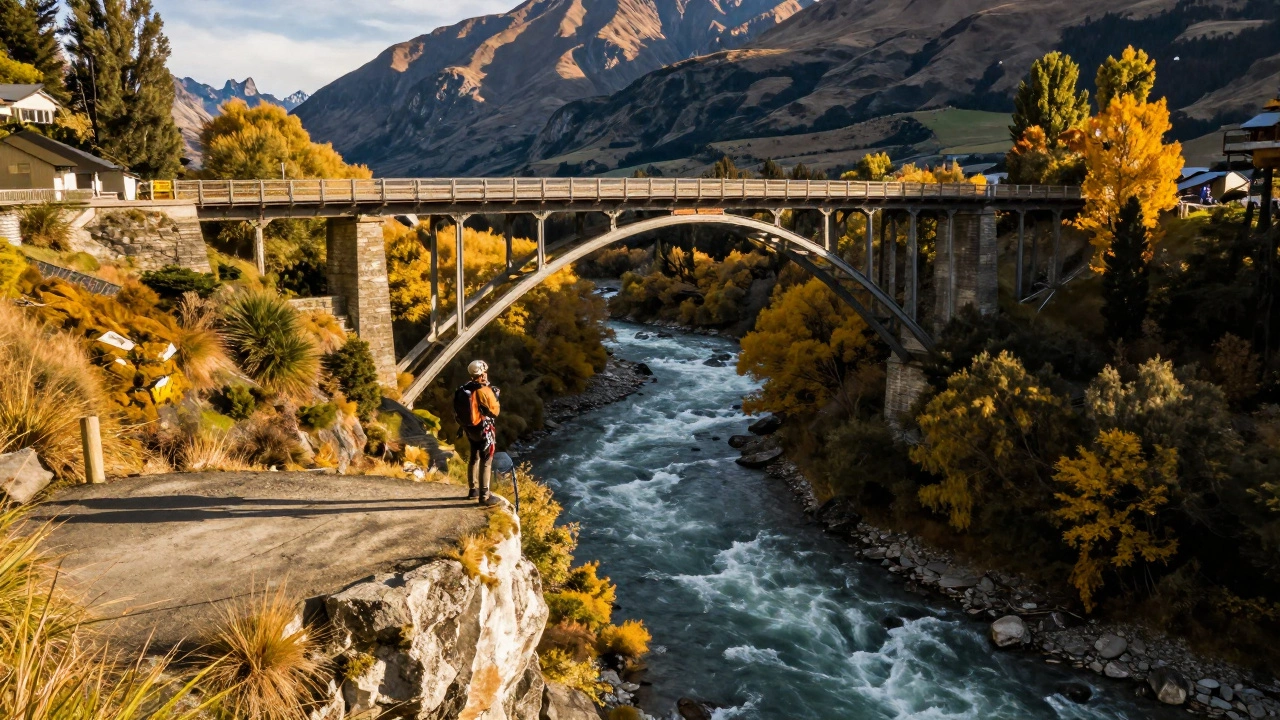
New Zealand doesn’t just offer adventure-it built its identity around it. From the moment you land in Queenstown, you’re surrounded by signs for bungee jumping, skydiving, jet boating, and white-water rafting. This small island nation punches way above its weight. It’s home to the world’s first commercial bungee jump, launched off the Kawarau Bridge in 1988. Today, over 400,000 people each year take the leap from 43 meters above the river.
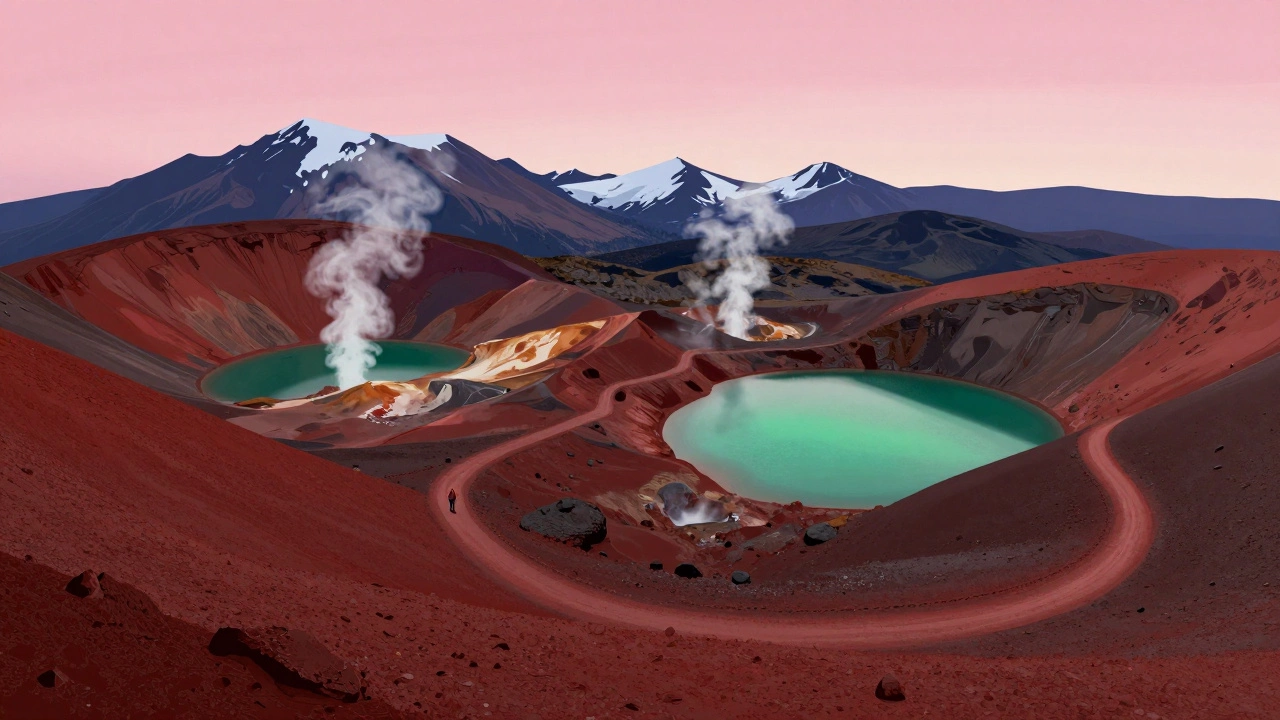
But it’s not just about extreme stunts. New Zealand’s geography is a playground. The Southern Alps offer backcountry skiing and heli-hiking. Fiordland National Park has some of the most untouched wilderness on Earth-think Milford Sound, where waterfalls plunge straight into deep blue fjords. The Tongariro Alpine Crossing, a 19.4-kilometer hike across volcanic terrain, is often called the best one-day trek in the Southern Hemisphere. You walk through red craters, emerald lakes, and steaming vents-all in a single day.
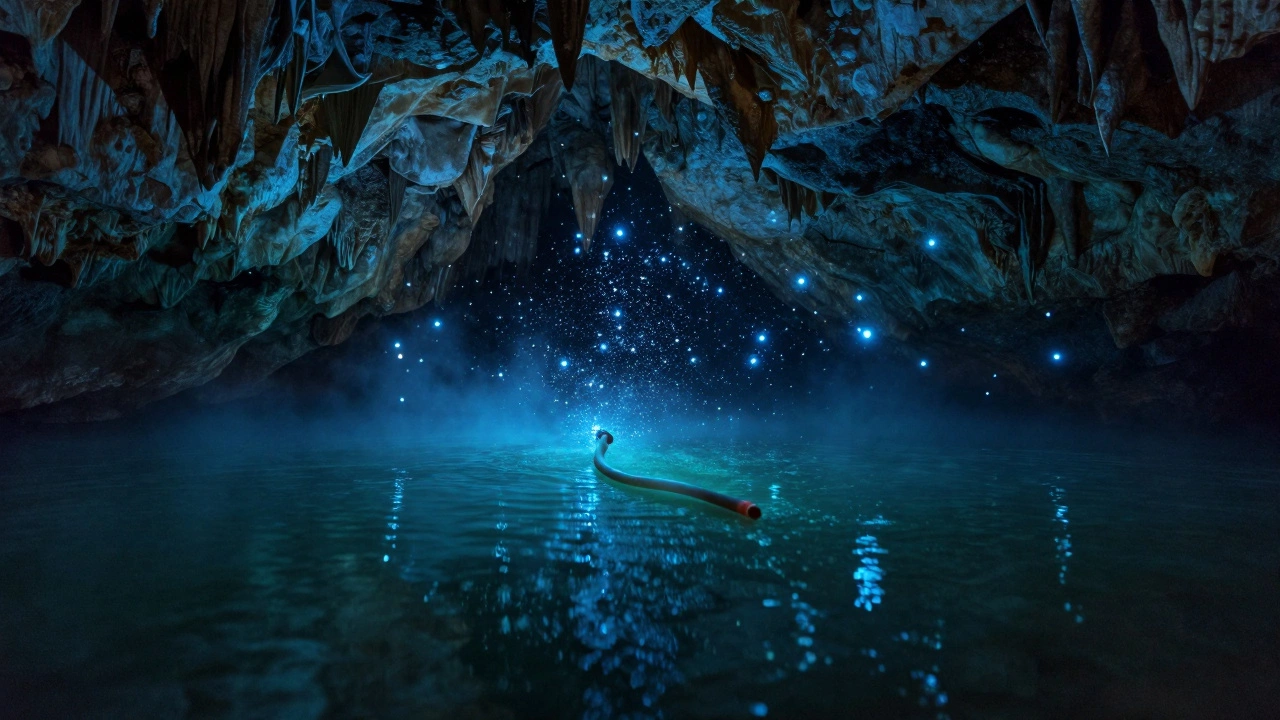
And then there’s the caves. Waitomo isn’t just a pretty name-it’s a network of glowworm-lit caverns where you can float silently underground in a rubber tube, surrounded by thousands of tiny blue lights. It’s like swimming through a living galaxy.
Why New Zealand Beats the Rest
Other countries have their moments. Nepal has Everest. Costa Rica has zip-lining through rainforests. Iceland has lava fields and glacier hikes. But none of them combine scale, safety, infrastructure, and variety like New Zealand.
Let’s compare. In Nepal, you need permits, guides, and weeks of acclimatization just to start trekking. In Costa Rica, the trails are beautiful but often muddy and poorly marked. Iceland’s weather can shut down access for days. New Zealand? You can book a bungee jump at 9 a.m., hike a volcano by noon, and be rafting down a Class V river by 4 p.m.-all without a visa, language barrier, or gear rental hassle.
It’s not just about the activities-it’s about the system. Every major adventure site has certified operators, emergency services, and clear signage. You don’t need to be an expert to jump in. A 16-year-old can skydive. A 65-year-old can kayak through Milford Sound. That accessibility is rare.
Other Top Adventure Countries
That doesn’t mean New Zealand is the only option. If you’re looking for alternatives, here are the next tier:
- Costa Rica - Best for rainforest zip-lining, surfing, and volcano hikes. The Arenal region is a hotspot for hot springs and guided canyoning.
- Nepal - The king of trekking. The Annapurna Circuit and Everest Base Camp routes draw tens of thousands yearly. But it demands physical prep and patience.
- Iceland - Unique for its raw, lunar landscapes. Glacier walks, ice caving, and snorkeling between tectonic plates (at Silfra) are unmatched.
- Canada - Huge, wild, and underused. Banff and Jasper offer world-class rock climbing, dog sledding, and grizzly bear safaris.
- South Africa - Often overlooked. From shark cage diving off Gansbaai to hiking Table Mountain, bungee jumping off Bloukrans Bridge (the highest in the world at 216 meters), and safari adventures in Kruger, it’s a hidden gem.
Each of these places has something special. But only New Zealand gives you all of it-packed into a country smaller than the state of Colorado.
What Makes a Country Truly an Adventure Destination?
Not every place with mountains or rivers counts. True adventure destinations share five traits:
- Diverse terrain - Mountains, forests, rivers, deserts, coastlines-all within a short drive.
- Infrastructure - Reliable transport, trained guides, safety gear, and emergency response.
- Accessibility - No need for months of training or permits. You can show up, pay, and go.
- Consistency - Weather doesn’t shut down operations for weeks. Activities run year-round.
- Local culture - Communities that embrace adventure tourism and have built economies around it.
New Zealand nails all five. Costa Rica hits four. Nepal hits three. Most countries don’t even hit two.
Real Traveler Stories
A couple from Chicago booked a 10-day trip to New Zealand after watching a documentary. They came for hiking. They left having skydived over Lake Wakatipu, ridden a jet boat through narrow canyons, and slept in a cave-turned-hotel in Waitomo. "We didn’t know we needed this," they told a local tour operator. "We thought we were just going to see pretty views. We didn’t know we were going to feel alive again."
Another traveler, a 72-year-old retired teacher from Germany, took up mountain biking in Rotorua. She’d never ridden a bike since her teens. Two weeks later, she was racing down single-track trails with locals half her age. "I thought I was too old," she said. "Turns out, I was just afraid."
These aren’t outliers. They’re common. New Zealand doesn’t just attract thrill-seekers-it transforms them.
When to Go
Adventure doesn’t sleep in New Zealand, but seasons matter:
- December-February - Summer. Best for hiking, rafting, and beach activities. Crowded but warm.
- March-May - Autumn. Fewer people, crisp air, golden forests. Perfect for photography and quiet trails.
- June-August - Winter. Ski season. Snow sports dominate, but many other activities still run.
- September-November - Spring. Wildflowers bloom. Rivers swell, making rafting more intense. Fewer tourists.
For most people, April or October offer the sweet spot: good weather, low crowds, and full activity options.
Final Thought: It’s Not Just About the Place
Adventure isn’t about ticking boxes. It’s about what happens inside you when you step into the unknown. New Zealand doesn’t sell adrenaline-it creates transformation. It’s the country where people come to jump off bridges and leave with a new sense of who they are.
If you’ve ever wondered what adventure really means, go where it’s not just offered-it’s lived.
What is the safest country for adventure travel?
New Zealand is widely regarded as one of the safest countries for adventure travel. It has strict safety regulations for adventure operators, well-trained guides, and emergency services that respond quickly. The government requires all adventure companies to be certified and carry liability insurance. Compared to places like Nepal or Peru, where infrastructure can be inconsistent, New Zealand’s systems are reliable and transparent.
Can you do adventure activities in New Zealand without experience?
Absolutely. Most adventure activities in New Zealand are designed for beginners. Bungee jumping, jet boating, and even white-water rafting include full safety briefings and gear. Guides handle all the technical parts-you just show up, listen, and enjoy. Many operators even offer "try-it" packages for under $50, so you can test the waters before committing.
Is New Zealand expensive for adventure travelers?
It can be, but not more than other top destinations. A skydive costs around $250-$300, a bungee jump $180-$220, and a full-day rafting trip $150-$200. These are comparable to prices in Switzerland or Canada. The difference? In New Zealand, you can do five different adventures in one week and still have money left for hostels and local food. Budget travelers often find it more affordable than expected.
What’s the best adventure activity in New Zealand for families?
The Tongariro Alpine Crossing is perfect for families with teens. It’s a full-day hike but not technically difficult. Kids love the volcanic landscapes and hot streams. For younger children, the Waitomo Glowworm Caves offer a magical, calm experience. Jet boating in Queenstown is also family-friendly-kids as young as 6 can ride with a guardian. Many operators offer group discounts and child-friendly packages.
Do you need a visa to visit New Zealand for adventure travel?
Visitors from over 60 countries, including the U.S., Canada, the UK, Australia, and most of Europe, don’t need a visa for stays under 90 days. You do need a New Zealand Electronic Travel Authority (NZeTA), which costs about $25 and takes 10 minutes to apply online. It’s valid for two years. No passport stamp, no long forms-just a simple digital check-in.