

All-Inclusive Holiday Cost & Crowd Calculator
January
Post-HolidayFebruary
Winter BreakMarch
Spring StartApril
Easter PeriodMay
Pre-SummerJune
Early SummerJuly
Peak SummerAugust
Summer PeakSeptember
Fall StartOctober
Shoulder SeasonNovember
Pre-WinterDecember
Holiday PeakSelect a Month to View Details
Click on any month above to see comprehensive cost analysis, crowd levels, weather risk assessment, and booking recommendations.
Timing is everything when you are booking a trip. You might have the perfect destination in mind, but if you pick the wrong month, your wallet will take a hit before you even pack your bags. For travelers looking at all-inclusive holidays, the cost doesn't just fluctuate by destination-it spikes dramatically based on the calendar.
If you are planning for 2026, understanding which months drain your budget fastest is crucial. The short answer? December and July are typically the most expensive months to fly and stay. But why does this happen, and can you avoid it without sacrificing fun?
The Two Peaks of Travel Costs
Travel pricing follows a predictable pattern driven by supply and demand. There are two distinct peaks where prices soar: the Northern Hemisphere winter break and the summer school holidays.
December is often the absolute most expensive month. This isn't just about Christmas Day. The entire period from mid-December through New Year's Eve sees a massive surge in bookings. Families want to celebrate together, and couples look for romantic escapes to warm climates. Because everyone wants to be away during this time, airlines and resorts raise their rates significantly. An all-inclusive package that costs $1,500 per person in November might jump to $3,000 or more in late December.
The second peak is July. In many parts of Europe, North America, and Australia, schools are out for the summer. Families flock to beaches, theme parks, and coastal resorts. Since all-inclusive hotels cater heavily to families, they capitalize on this high-demand period. Prices for flights and accommodations reach their highest point of the year, excluding the holiday season.
Why Do Prices Spike During These Months?
You might wonder why a hotel room costs so much more in July than in June. It comes down to three main factors: school schedules, weather, and limited inventory.
- School Holidays: Most people cannot take long breaks whenever they want. They are tied to school terms. When millions of families have free time simultaneously, demand explodes. Hotels know they can charge premium rates because there is no alternative for parents who want to vacation with their kids.
- Weather Reliability: In December, travelers head to tropical destinations like the Caribbean or Southeast Asia to escape the cold. In July, they seek reliable sunshine in Europe or North America. When the weather is guaranteed to be good, providers don't need to discount their rooms to attract guests.
- Limited Inventory: Popular all-inclusive resorts fill up quickly during these peak times. As availability drops, prices rise. By the time you see a deal in December or July, it’s usually gone, leaving only the most expensive suites available.
The Hidden Cost of "All-Inclusive" in Peak Season
When you book an all-inclusive holiday during the most expensive months, you aren't just paying for a room and food. You are paying for convenience and exclusivity. However, there are hidden downsides to consider.
During peak seasons, resorts are often at maximum capacity. This means longer waits for poolside service, crowded beaches, and booked-up spa appointments. While your package includes meals, the quality of service can dip when staff are overwhelmed by thousands of guests. Some travelers find that the experience feels less relaxing because everything is packed tight.
Additionally, flight prices contribute significantly to the total cost. Airlines use dynamic pricing algorithms that detect high search volumes. If you start searching for flights to Cancun or Malia in October for a December trip, you might already see higher prices compared to searching in August. The combination of expensive airfare and premium resort rates makes December and July the priciest options.
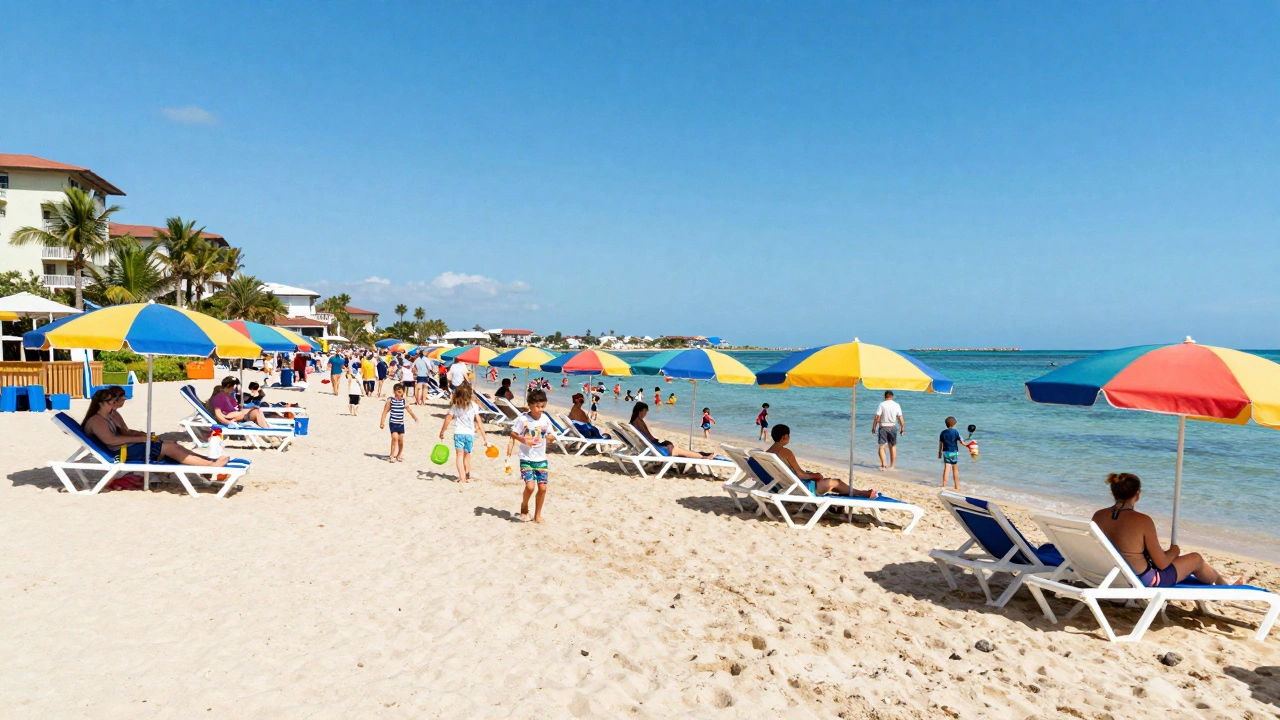
Cheaper Alternatives: Shoulder Seasons
If you want to save money without missing out on great weather, look at the "shoulder seasons." These are the periods just before or after the peak months.
| Month | Price Level | Crowd Level | Weather Risk |
|---|---|---|---|
| December | Very High | Extreme | Low (in tropics) |
| July | High | High | Low |
| November | Medium | Medium | Medium (hurricane season end) |
| May | Low-Medium | Low | Medium (heat/humidity) |
| September | Low | Low | High (hurricane season peak) |
November is a fantastic option for winter sun seekers. After Thanksgiving week, prices drop sharply. You get similar weather to December but with fewer crowds and lower costs. Similarly, May offers great value for summer destinations. Schools are still in session in many places, so family resorts are quieter and cheaper. The weather is usually warm and dry, making it ideal for beach holidays.
Regional Differences Matter
The "most expensive month" changes depending on where you go. The global travel market isn't uniform. What is peak season in Europe might be low season in Asia.
For example, if you are traveling to Thailand or Bali, December and January are peak season due to the dry weather and holiday celebrations. However, July might be slightly less expensive than December because it falls outside the major Western holiday period, though it is still part of the dry season. Conversely, if you are heading to Morocco or Turkey, July is extremely hot and expensive, while April or October offer pleasant weather and better prices.
Understanding these regional shifts allows you to target specific destinations during their off-peak times. You can still enjoy an all-inclusive luxury experience while paying half the price simply by shifting your destination choice.

How to Book Smart in 2026
To avoid overpaying for your all-inclusive holiday, follow these practical steps:
- Book Early or Late: For peak months like December, book as early as possible (6-9 months ahead) to secure the best rates. Alternatively, wait for last-minute deals if you are flexible, though this is risky for all-inclusives which sell out fast.
- Use Price Alerts: Set up alerts on travel comparison sites. Track prices for your desired dates and destinations. You’ll learn when prices spike and when they dip.
- Avoid Holiday Weeks: Even within expensive months, specific weeks matter. Avoid the week containing Christmas, New Year, Easter, or local national holidays. Shifting your trip by just one week can save hundreds of dollars.
- Consider Alternative Airports: Sometimes flying into a nearby city and taking a transfer can be cheaper than flying directly to the tourist hub. This applies especially to popular all-inclusive destinations.
Is It Worth Paying More for Peak Season?
For some travelers, yes. If you have young children who can only travel during school breaks, December and July may be your only options. The convenience of not having to arrange childcare or miss work outweighs the extra cost. Additionally, the atmosphere in peak season can be lively and energetic, which some people prefer.
However, if you are retired, work remotely, or have flexible schedules, avoiding these months is a no-brainer. You’ll get better service, more space, and significant savings. The trade-off is usually minimal-perhaps a slightly higher chance of rain in shoulder seasons-but the financial benefit is substantial.
What is the cheapest month to book an all-inclusive holiday?
The cheapest months are typically September and early November for Caribbean destinations, and May for Mediterranean spots. These periods fall outside major school holidays and often coincide with the tail end of hurricane season or pre-summer heat, leading to lower demand and prices.
Why are all-inclusive holidays so expensive in December?
December combines high demand from families celebrating Christmas and New Year with limited inventory. Resorts raise prices because they know they can fill every room at premium rates. Flight costs also surge during this period, adding to the total expense.
Can I save money by booking last minute for peak season?
It is risky. While last-minute deals exist, all-inclusive resorts often sell out well in advance for peak months like December and July. If you wait too long, you may find only the most expensive suites available, or none at all. Booking early is generally safer for securing good rates during high-demand periods.
Are all-inclusive holidays worth the extra cost in peak season?
It depends on your priorities. If you need to travel during school holidays, the convenience may justify the cost. However, if you value relaxation and service, peak season can mean crowded pools and busy restaurants. Shoulder seasons often provide a better balance of price, comfort, and experience.
How far in advance should I book for December holidays?
Ideally, book 6 to 9 months in advance. This gives you access to early-bird discounts and ensures you have a wide selection of rooms and flights. Waiting until closer to the date often results in higher prices and limited choices.