Find Your Perfect Luxury Escape
Discover the most luxurious place in the world tailored to your specific desires and travel style.
There is a moment when you step off the plane or dock at the private pier, and the noise of the regular world just... stops. The air smells different-saltier, cleaner, maybe with a hint of jasmine or expensive wood polish. You aren't just checking into a hotel; you are entering a sanctuary where service anticipates your needs before you even feel them. This is the realm of the most luxurious places on Earth.
But what actually makes a place "the most luxurious"? Is it the price tag? The size of the bed? Or is it something harder to define, like the feeling of absolute privacy and personalized attention? For travelers seeking the pinnacle of comfort, luxury has shifted from gold-plated faucets to experiences that feel impossible to replicate elsewhere. In 2026, the definition of ultimate luxury is less about showing off and more about seamless, hyper-personalized escape.
What defines true luxury in modern travel?
True luxury today is defined by privacy, personalization, and exclusivity rather than just opulence. It involves bespoke services, such as private chefs, dedicated concierges, and access to restricted areas, ensuring a seamless and unique experience for the guest.
The Private Island Experience: Ultimate Privacy
If you want to disappear completely, a private island resort is the answer. These properties offer a level of isolation that mainland hotels simply cannot match. When you book an entire island, you are not just renting rooms; you are buying silence, space, and control over your environment.
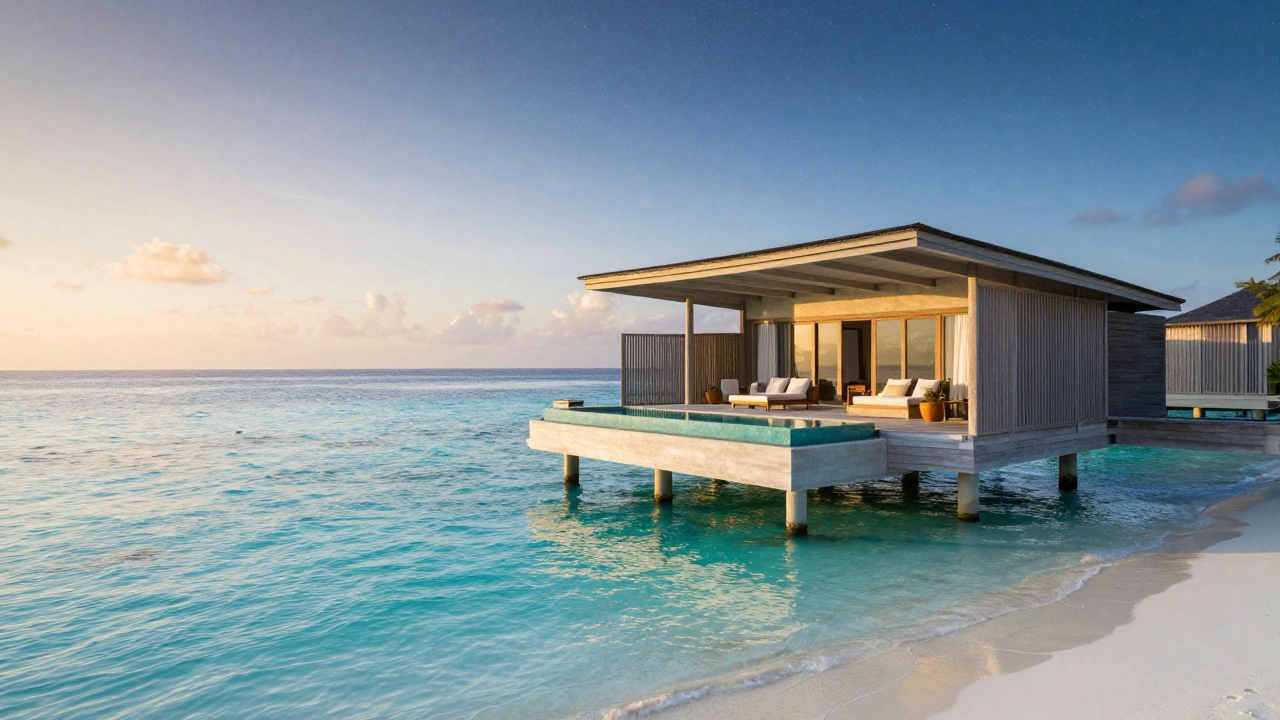
Soneva Jani in the Maldives is often cited as the benchmark for this category. Imagine waking up in a glass-bottomed bedroom suspended over turquoise water. Your villa has its own infinity pool and a retractable roof so you can stargaze from your bed. But the real luxury here is the staff-to-guest ratio. With only 14 villas spread across three islands, every employee knows your name, your drink preference, and your schedule.
Another contender is Aman Summerhouse in Mykonos. While not a full island, it occupies a historic mansion with its own beach club, offering a sense of seclusion that feels like owning a piece of Greece. The key attribute here is accessibility combined with exclusivity. You are close enough to civilization to enjoy high-end dining but far enough away to ignore it entirely.
- Privacy: No other guests nearby; soundproofing is top-tier.
- Service Ratio: Often 5+ staff members per guest.
- Customization: Menus, activities, and room setups tailored daily.
Historic Grandeur: Luxury with Soul
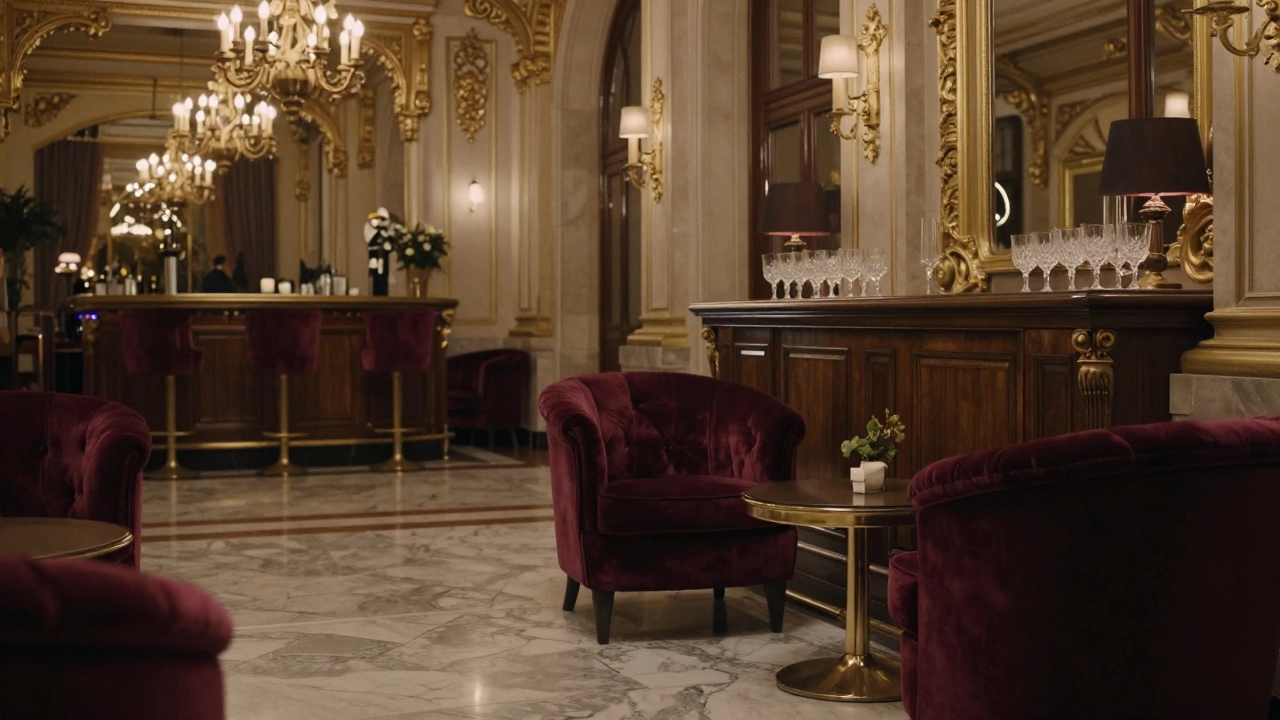
Some travelers find modern minimalism cold. They crave history, architecture, and stories etched into the walls. For these guests, the most luxurious place is one that has hosted kings, artists, and legends. This type of luxury offers a connection to the past while providing modern amenities.
The Ritz Paris remains the gold standard for historic luxury. Opened in 1898, it was designed specifically for King Edward VII. Staying here means walking through the same halls as Coco Chanel and Ernest Hemingway. The luxury lies in the preservation of tradition. The service is formal, precise, and deeply respectful of protocol. The Bar Hemingway serves cocktails that haven’t changed their recipe in decades, and the afternoon tea ceremony is a ritual, not just a meal.
In contrast, Palazzo Avino in Matera, Italy, offers luxury rooted in ancient cave dwellings. The Sassi di Matera are some of the oldest inhabited cities in the world. By transforming these stone caves into five-star suites, the hotel provides a unique juxtaposition: ancient rough-hewn stone meets silk sheets and smart technology. This appeals to travelers who want cultural immersion without sacrificing comfort.
| Feature | Historic (e.g., The Ritz) | Modern (e.g., Aman) |
|---|---|---|
| Atmosphere | Formal, traditional, ornate | Calm, minimalist, serene |
| Architecture | Preserved heritage, intricate details | Contemporary design, local materials |
| Service Style | Protocol-driven, uniformed staff | Informal, anticipatory, discreet |
| Best For | Traditionalists, special occasions | Relaxation, wellness, digital detox |
Eco-Luxury: Sustainability as a Status Symbol
In 2026, luxury is increasingly tied to sustainability. The new elite don’t just want comfort; they want to know their stay doesn’t harm the planet. Eco-luxury resorts prove that you can have zero carbon footprint without sacrificing five-star amenities. This shift reflects a broader change in values among high-net-worth individuals.
Giraffe Manor in Kenya might seem unusual, but it represents a different kind of eco-luxury: conservation-focused. Guests wake up to giraffes knocking on their windows. The property is part of a larger conservation effort, and staying there directly supports wildlife protection. The luxury here is the unique access to nature and the moral satisfaction of contributing to a good cause.
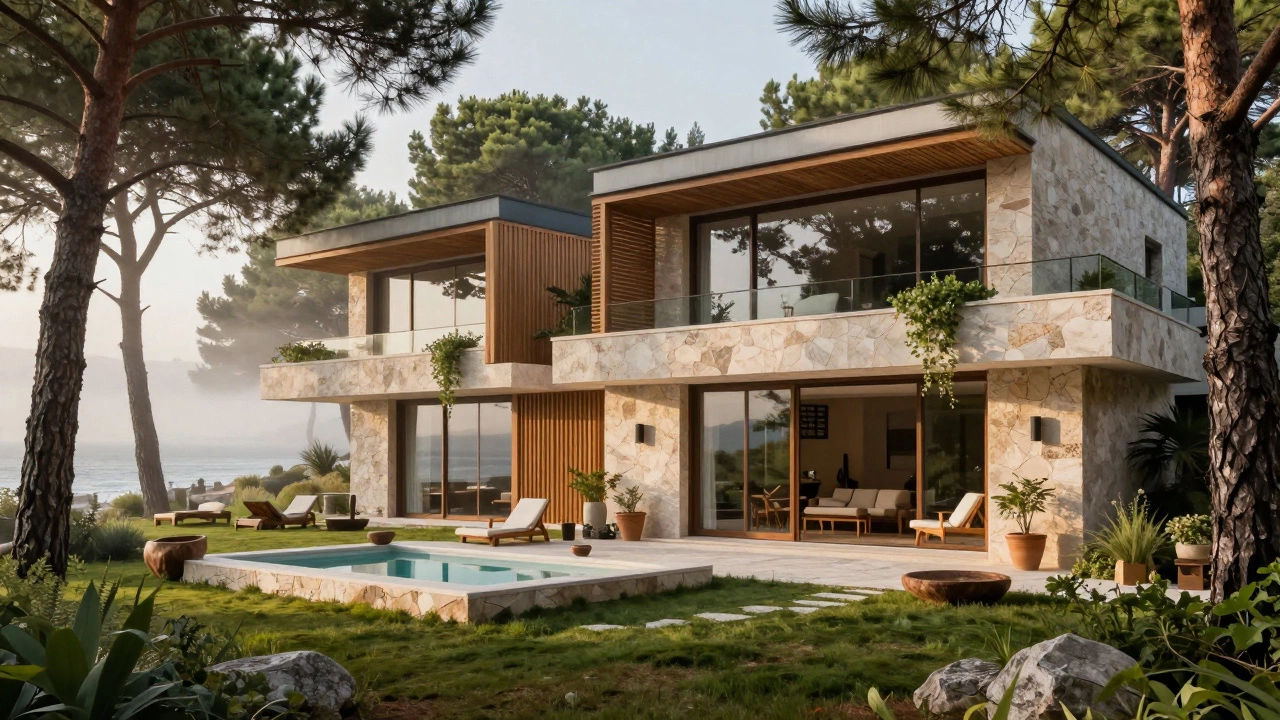
For a more remote experience, Aman Sveti Stefan in Montenegro combines natural beauty with low-impact design. Nestled in a pine forest near the Adriatic Sea, the resort uses locally sourced ingredients and energy-efficient systems. The focus is on well-being and harmony with the environment. Spa treatments use organic products, and meals feature farm-to-table cuisine. This appeals to travelers who view luxury as health and mindfulness.
- Carbon Neutrality: Many top resorts now offset their emissions through reforestation projects.
- Local Sourcing: Food and decor come from within a 50-mile radius to reduce transport impact.
- Conservation Access: Private tours of protected reserves led by expert biologists.
The Role of Service: Anticipating Needs
You can have the best location and the most beautiful rooms, but if the service fails, the luxury collapses. True luxury is invisible. It’s when the ice is in your glass before you ask for it. It’s when the car is waiting exactly when you need it, not a minute later.
This is where brands like Four Seasons and Mandarin Oriental excel. They train their staff to read body language and subtle cues. For example, if you linger by the spa menu, a therapist might approach you with a recommendation based on your recent flight time. If you mention a birthday casually, the room will be decorated with flowers and a handwritten note upon arrival.
Consider the concept of the "Resident Experience Manager" at Bulgari Resort Dubai. Each guest is assigned a dedicated manager who handles everything from restaurant reservations to yacht charters. This single point of contact eliminates the stress of planning and allows guests to fully relax. The value proposition here is time savings and peace of mind.
Choosing Your Perfect Luxury Escape
Determining the "most luxurious" place depends entirely on what you value most. Are you seeking adventure, relaxation, history, or privacy? There is no single winner, but there are clear leaders in each category.
If privacy is your priority, look toward private islands in the Maldives or Seychelles. If you crave culture and history, choose a palace hotel in Europe or a heritage site in Asia. If sustainability matters to you, seek out eco-resorts in Africa or South America. And if service is king, stick with established global brands known for their rigorous training standards.
Before booking, consider these questions:
- Do I prefer bustling city centers or secluded nature?
- Is my goal relaxation, exploration, or socializing?
- How important is dietary customization or specific wellness programs?
Luxury travel is personal. The most expensive place isn’t always the best for you. The right place is the one that aligns with your desires and exceeds your expectations in the ways that matter most to you.
What is the most expensive hotel room in the world?
The Royal Suite at the Hotel President Wilson in Geneva often tops the list, costing upwards of $100,000 per night. However, many private island rentals in the Maldives can exceed this price depending on season and exclusivity.
Are luxury resorts worth the high cost?
For many, yes. The value comes from unparalleled service, unique experiences, privacy, and high-quality amenities. It transforms a vacation into a transformative experience, reducing stress and creating lasting memories.
What should I pack for a luxury resort stay?
Pack light but elegant clothing suitable for the destination's climate. Include swimwear, comfortable sandals, and formal attire if the resort has dress codes. Most luxury resorts provide high-end toiletries, robes, and slippers, so you don't need to bring those.
How do I book a private island?
Private islands are typically booked through specialized luxury travel agents or directly via the resort's website. Due to limited availability, it's advisable to book 6-12 months in advance, especially for peak seasons.
What is the difference between 5-star and luxury boutique hotels?
Five-star hotels follow strict industry standards for amenities and services. Luxury boutique hotels focus on unique design, personalized service, and distinctive character, often offering a more intimate and curated experience.