
British vs American English: Holiday Vocabulary Quiz
Loading question...
Context will appear here.
Quiz Complete!
See how well you understand the differences between British and American English.
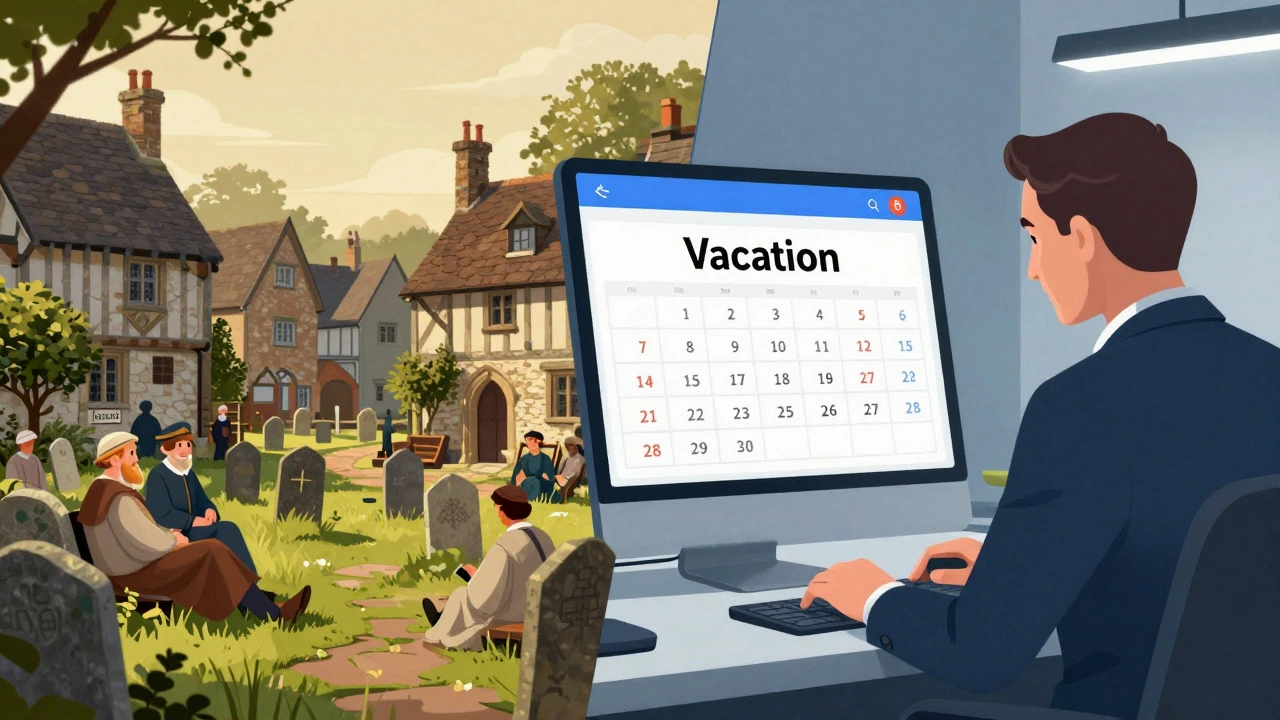
You’ve probably noticed it before. You’re chatting with a friend from London, or maybe you’re watching a BBC drama, and someone says they are off on holiday. If you’re used to American English, your brain might stumble for a split second. Why not vacation? It’s the same thing, right? Time off work, travel, relaxation. But in the UK, saying “vacation” can sound oddly formal, almost like you’re reading from a legal contract.
This isn’t just a random quirk of the British tongue. It’s a deep-rooted linguistic habit that tells us a lot about history, class, and how people view their free time. As we head into the summer of 2026, with UK staycations becoming more popular than ever due to currency fluctuations and changing travel habits, understanding this word choice helps you fit in better-whether you’re booking a cottage in Cornwall or just trying to understand your British colleague’s plans.
The Historical Roots of "Holiday"
To understand why the British say holiday, we have to look back at where the word comes from. The term is a contraction of “holy day.” Originally, these were religious festivals-days dedicated to saints or significant biblical events. On these days, work was forbidden, and the focus was on church and community.
In medieval England, there were dozens of these holy days scattered throughout the year. They weren’t necessarily fun days off in the modern sense; they were mandatory breaks from labor. Over centuries, as the Church’s power waned and secularism grew, the meaning shifted. The “holy” part faded into the background, but the concept of a “day off” remained. By the Victorian era, the Industrial Revolution had created a rigid work schedule, and workers began fighting for paid time off. When they finally won these rights, they kept the old word. A holiday became any day you didn’t have to work, regardless of whether it was religious.
This historical baggage is key. In the UK, the word carries a sense of tradition and collective pause. It’s not just about escaping work; it’s about participating in a cultural rhythm of rest that has existed for hundreds of years.
Why Americans Use "Vacation"
Across the Atlantic, the story is different. The word vacation comes from the Latin vacatio, which means “emptiness” or “absence.” In a legal context, it referred to a period when courts were closed or when a position was vacant. Early American settlers adopted this term to describe periods of absence from duty or work.
As the United States developed its own distinct identity post-independence, it naturally drifted away from British linguistic norms. While Britain clung to its historical “holy days,” America embraced a more secular, individualistic concept of time off. A vacation was something you took-a personal break from the grind. It felt more active, more intentional. It wasn’t given by tradition; it was claimed by the individual.
This difference reflects broader cultural shifts. The US focused on progress, industry, and individual achievement. Taking a vacation was seen as a reward for hard work, a chance to recharge so you could get back to building the future. The British approach, rooted in holiday, feels more communal and less transactional.
Semantic Differences: What Each Word Implies
It’s not just about swapping one word for another. The connotations matter. In British English, holiday is the umbrella term for any extended break. Whether you’re flying to Greece, camping in Scotland, or staying home, it’s all a holiday.
Americans, however, make a distinction. A vacation usually implies travel and leisure. If you’re just staying home and relaxing, you might say you’re taking some “time off” or “PTO” (Paid Time Off). Using the word vacation for a weekend at home would sound strange to an American ear. It suggests you went somewhere special.
In the UK, if you say you’re going on holiday, people assume you’re leaving your usual environment. But if you’re doing a staycation, you still call it a holiday. You might say, “I’m having a staycation holiday,” though often just “I’m on holiday” suffices, with the context implying you’re local. This flexibility shows how deeply embedded the word is in the British mindset. It covers all bases: travel, rest, and escape.
| Concept | British English Term | American English Term | Nuance/Usage |
|---|---|---|---|
| Extended Break | Holiday | Vacation | General term for time off work/travel |
| Staying Home | Staycation | Time Off / PTO | UK uses 'holiday' broadly; US distinguishes travel |
| Short Break | Break | Getaway | Often implies a quick trip or mental reset |
| Public Days Off | Bank Holidays | Federal Holidays | UK term reflects financial sector origins |

The Rise of the Staycation in the UK
In 2026, the concept of the staycation is bigger than ever. Post-pandemic travel fatigue, combined with economic pressures, has led many Britons to explore their own backyard. Instead of dealing with airport queues and foreign exchange rates, people are booking B&Bs in the Lake District or glamping sites in Wales.
Interestingly, even when they don’t leave their county, they still call it a holiday. This reinforces the idea that the word is about the *state* of being off, not just the act of traveling. A staycation is a type of holiday where the destination is domestic. It’s a clever linguistic adaptation that allows people to claim the psychological benefits of a break without the logistical hassle of international travel.
If you’re visiting the UK and want to blend in, avoid saying, “I’m taking a vacation in Edinburgh.” Instead, try, “I’m spending my holiday in Edinburgh.” Your British hosts will instantly recognize you as someone who understands the local code.
Bank Holidays: Another Clue
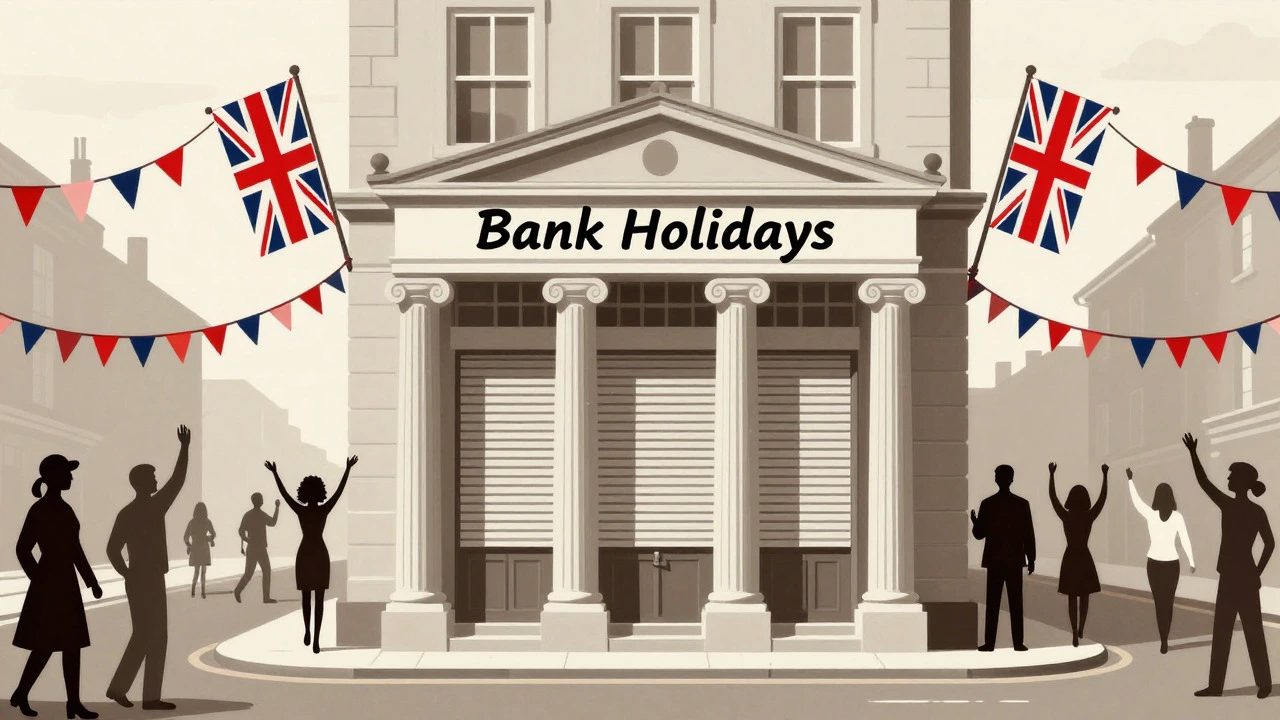
If you think holiday is confusing, wait until you hear about Bank Holidays. These are the official public holidays in the UK. Why “Bank”? Because historically, these were days when banks were closed. If the banks were shut, most businesses couldn’t operate, so everyone got the day off.
In the US, these are called Federal Holidays or just Public Holidays. The British term highlights the commercial reality of the past. Today, Bank Holidays are major markers in the calendar. Good Friday, Easter Monday, May Day, Spring Bank Holiday, Summer Bank Holiday, Christmas Day, Boxing Day, and New Year’s Day are all Bank Holidays.
Notice the pattern? Even these specific days are tied to the word holiday. It’s not just about personal time off; it’s about national synchronization. When the country stops, it’s a holiday. This collective aspect is missing in the American use of vacation, which feels more private.
How to Use These Words Correctly
So, what should you do if you’re interacting with both British and American audiences? Here’s a quick guide:
- In the UK: Always use holiday for any extended time off. Use Bank Holiday for public days off. Use staycation if you’re exploring locally.
- In the US: Use vacation for travel and leisure. Use time off or PTO if you’re just resting at home. Use Federal Holiday for public days off.
- Internationally: If you’re unsure, holiday is widely understood in Europe and Commonwealth countries. Vacation is dominant in North America and increasingly recognized globally due to media influence.
Making the wrong choice won’t cause a diplomatic incident, but it will mark you as an outsider. And in a world where cultural nuance matters, fitting in can open doors. Whether you’re negotiating a business deal in Manchester or making friends in Miami, using the right word shows respect for local customs.
Why This Matters Beyond Language
Language shapes thought. The fact that Britons use holiday suggests they view time off as a natural, recurring part of life, tied to history and community. Americans using vacation see it as a deliberate break, a personal investment in well-being. Both perspectives have value.
Understanding these differences helps us appreciate how culture influences our daily lives. It’s not just about vocabulary; it’s about worldview. Next time you hear someone say they’re off on holiday, remember the centuries of history behind that simple word. And if you’re planning your own break, whether it’s a staycation in the Cotswolds or a trip to California, choose your words wisely. You might just find yourself connecting more deeply with the places and people you meet.
Do British people ever use the word vacation?
Yes, but rarely. British people understand the word vacation because of American movies and TV shows. However, using it in conversation can sound pretentious or overly formal. It might also imply you are referring to a legal or academic break rather than a leisure trip. Stick to holiday to sound natural.
What is a staycation?
A staycation is a holiday where you stay in your own country or region instead of traveling abroad. It involves treating your local area like a tourist destination. In 2026, UK staycations are very popular due to cost savings and convenience. You still call it a holiday in British English.
Why are they called Bank Holidays?
The term Bank Holiday originated in the 19th century when banks were closed on certain days, forcing other businesses to close too. These days became recognized as public days off. The name stuck, even though today many non-bank sectors remain open. It’s a unique British term that doesn’t translate directly to American Federal Holidays.
Is holiday a religious term?
Historically, yes. Holiday comes from “holy day.” Originally, these were religious festivals. Over time, the religious meaning faded, and it became a general term for any day off work. Today, most holidays in the UK are secular, though some like Christmas retain religious roots.
Can I use vacation in the UK without sounding weird?
You won’t be misunderstood, but you will stand out. Using vacation in the UK marks you as an American or someone heavily influenced by American media. It’s not incorrect, but it lacks the cultural resonance of holiday. For seamless integration, switch to holiday.