UK Trip Budget Calculator (2026)
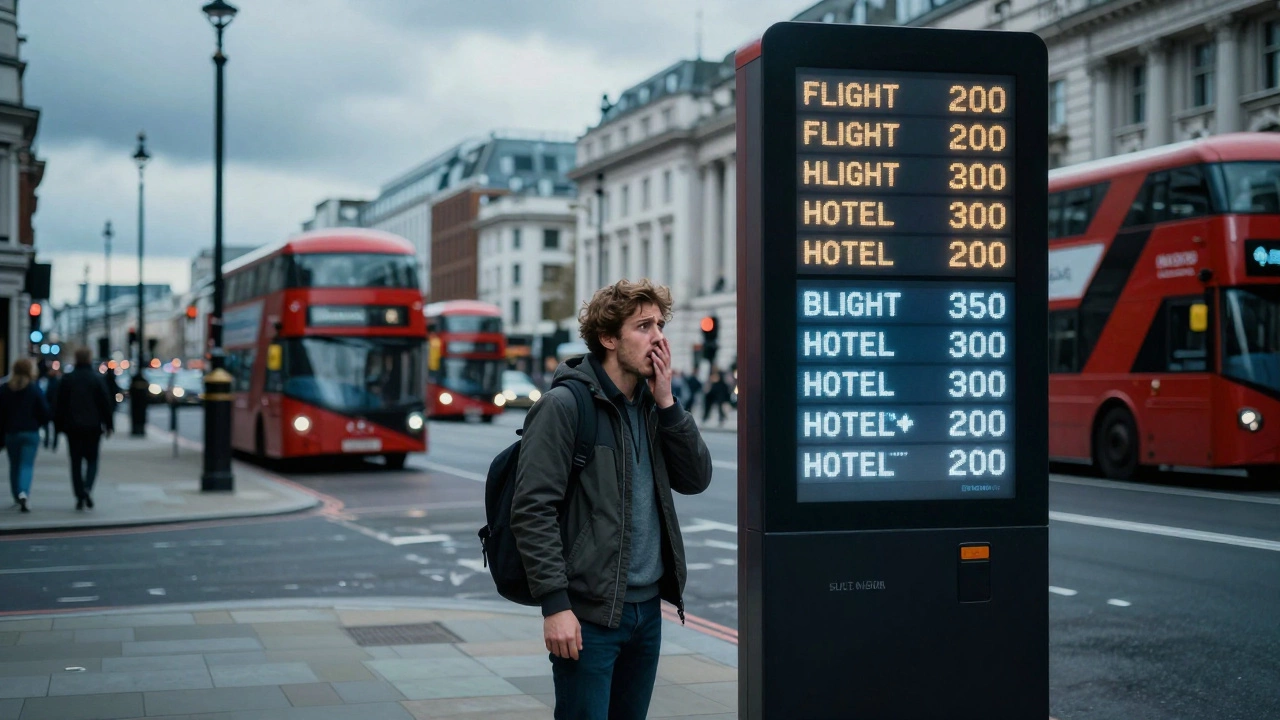
It’s not just you. If you’ve looked at flight prices to London or hotel rates in Edinburgh lately, your wallet probably flinched. The United Kingdom has a reputation for being pricey, but the reality in 2026 is more nuanced than just "everything costs more." It’s a mix of structural costs, post-pandemic shifts, and specific tourist traps that can drain your budget if you aren’t careful.
You might have heard that the pound sterling is weak compared to the dollar or euro, which should theoretically make travel cheaper. And while exchange rates help, they don’t offset the rising baseline costs of living in the UK. From soaring energy bills passed on to consumers to strict labor laws that keep service wages high, the underlying economics are pushing prices up across the board. This isn’t about luxury; it’s about the basic cost of doing business in Britain right now.
The Real Culprit: Accommodation Costs
If there is one thing that will blow your budget faster than anything else, it’s where you sleep. The housing crisis in the UK has spilled over into the short-term rental market. With many landlords converting long-term rentals into Airbnbs to chase higher returns, the supply of affordable rooms has tightened significantly.
| City | Budget Hotel (£) | Mid-Range Airbnb (£) | Luxury Stay (£) |
|---|---|---|---|
| London | 150+ | 250+ | 500+ |
| Edinburgh | 110+ | 180+ | 350+ |
| Manchester | 80+ | 120+ | 200+ |
| Bristol | 90+ | 140+ | 220+ |
In London alone, finding a clean, safe room under £150 per night during peak season (June to August) is nearly impossible unless you book months in advance or stay in zones far from central attractions. Even outside the capital, cities like Bristol and Edinburgh have seen hospitality inflation outpace general inflation. Why? Because tourism demand rebounded hard after the pandemic, and hotels capitalized on this by raising base rates and adding hidden fees for Wi-Fi or late check-outs.
Food and Drink: The Pint Price Shock
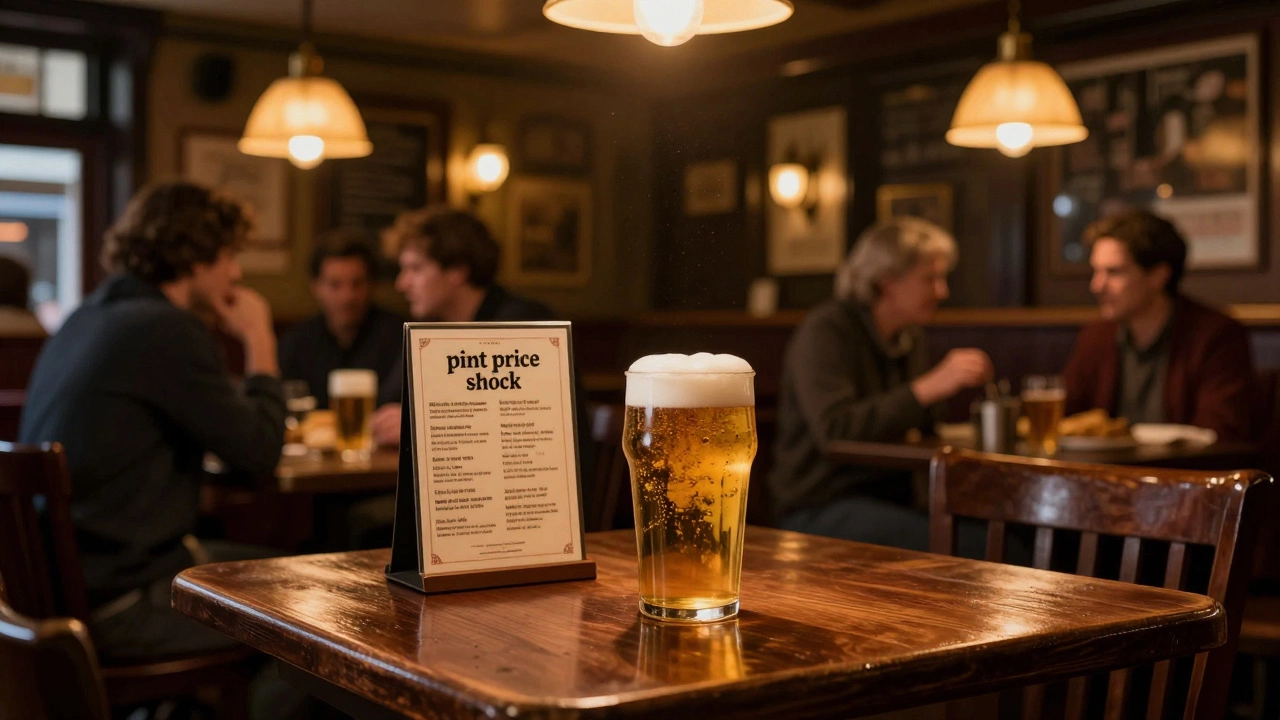
Let’s talk about food. You might remember reading that British pubs were cheap havens for tourists. That era is largely over. A pint of beer in a city center pub now routinely costs between £7 and £9. In London, it can hit £10. This isn’t just greed; it’s survival for pub owners. Energy costs in the UK remain among the highest in Europe, and minimum wage increases have forced businesses to raise menu prices to maintain margins.
Dining out follows a similar pattern. A three-course meal for two at a mid-range restaurant in Manchester or Glasgow will easily set you back £80-£100. Tipping, while not as aggressive as in the US, is still expected (usually 10-12%), which adds another layer to the bill. However, there is a silver lining: supermarkets like Tesco, Sainsbury’s, and Aldi offer incredibly cheap ready meals and groceries. If you’re staying in an Airbnb with a kitchen, cooking your own breakfast and dinner can slash your food budget by half.
Transportation: Trains vs. Buses
Getting around the UK is another major expense driver. The national rail network, operated by various companies under the umbrella of National Rail, is notoriously expensive. A last-minute ticket from London to York can cost upwards of £100 one-way. Even with advance bookings, fares are steep compared to countries with subsidized public transport.
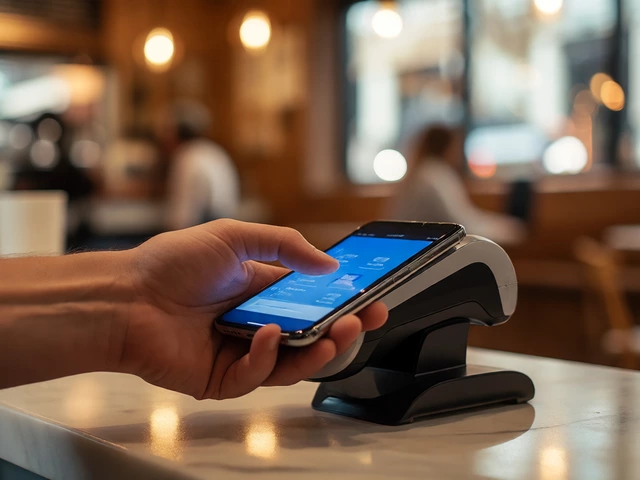
However, you don’t have to pay train prices. Long-distance coach services like National Express and FlixBus offer routes at a fraction of the cost. A bus ride from London to Edinburgh might take 8 hours instead of 4.5, but it could cost you less than £20 if booked early. For local travel within cities, contactless payment cards or mobile wallets are your best friend. They automatically cap your daily spending at the price of a Day Travelcard, saving you from buying expensive paper tickets.
Attraction Fees: The Museum Paradox
Here is where the UK punches above its weight in value. While getting there and sleeping there is expensive, seeing the sights doesn’t have to be. Most major museums and galleries in London-including the British Museum, the Victoria and Albert Museum, and the Tate Modern-are free to enter. This is a massive advantage for budget travelers. You can spend days exploring world-class art and history without spending a penny on entry fees.
However, paid attractions are getting pricier. Theme parks like Alton Towers or Legoland Windsor charge premium rates, often exceeding £100 per adult during peak times. Historic sites managed by English Heritage or Historic Environment Scotland also see annual price hikes. Plan these visits carefully, and consider annual passes if you’re staying for more than two weeks.

Hidden Costs That Bite
There are smaller expenses that add up quickly. Mobile data roaming charges can be high if your provider doesn’t include UK coverage. While many EU plans work seamlessly, US carriers often charge extra. Renting a SIM card upon arrival or using eSIMs can save you significant money.
Another sneaky cost is the "tourist tax" or city levy. London introduced a visitor levy in recent years, adding a small fee per night to hotel stays. Other cities are following suit. These fees are rarely included in the initial search results on booking platforms, leading to sticker shock at checkout. Always check the final price before confirming your reservation.
How to Visit the UK Without Breaking the Bank
So, is the UK too expensive? Not necessarily. It requires strategy. Here is how smart travelers manage their budgets in 2026:
- Travel Off-Peak: Visit in May, October, or November. Weather is mild, crowds are thinner, and prices drop by 20-30%.
- Stay Outside City Centers: Look for accommodations in neighborhoods slightly further from the main stations. Good transport links mean you can still access attractions easily.
- Eat Like a Local: Hit up markets like Borough Market in London or Leith Market in Edinburgh for cheap, high-quality street food. Avoid restaurants directly next to major landmarks.
- Use Free Walking Tours: Many cities offer free walking tours where you tip the guide at the end. It’s a great way to learn the history without paying upfront.
- Book Transport Early: Train tickets in the UK are dynamic. Booking 8-12 weeks in advance can save you hundreds of pounds compared to buying on the day.
The UK remains a culturally rich destination with incredible history, diverse landscapes, and vibrant cities. Yes, it costs more than it used to. But with careful planning, you can experience the best of Britain without emptying your savings account. The key is knowing where to splurge and where to save.
Is the UK more expensive than France or Spain?
Generally, yes. While rural areas in the UK can be comparable to Southern Europe, major cities like London, Edinburgh, and Manchester are significantly more expensive than Paris, Barcelona, or Madrid, particularly regarding accommodation and dining out.
What is the most expensive part of visiting the UK?
Accommodation is typically the largest expense, followed by inter-city train travel. Dining out is also costly, but this can be mitigated by self-catering and eating at supermarkets.
Are museums really free in London?
Yes, most major national museums and galleries in London, including the British Museum, Natural History Museum, and Tate Modern, are free to enter. Special exhibitions may charge a fee.
How much does a pint of beer cost in the UK in 2026?
In city centers, expect to pay between £7 and £10 for a pint of beer. Prices vary by location, with London being the most expensive and rural pubs slightly cheaper.
Is it cheaper to drive or take the train in the UK?
For groups of three or more, driving can be cheaper due to fuel costs and parking. For solo travelers or couples, trains (booked in advance) or buses are often more economical when factoring in parking fees and congestion charges in cities like London.