
National Geographic Ownership Timeline
Explore the complex corporate history behind the iconic yellow rectangle. Navigate through the decades to understand how National Geographic evolved from a non-profit society into a global media powerhouse.
Sears Publishing
Joint Venture PartnerKey Outcome
Expansion of magazine distribution
Context & Details
The National Geographic Society entered its first major corporate entanglement with Sears Publishing. Sears provided business infrastructure for publishing and marketing, while Nat Geo provided the brand.
For decades, the yellow rectangle logo was synonymous with discovery. It appeared on magazine covers in airport lounges, on TV screens during prime time, and increasingly, on digital devices around the world. But behind that iconic brand lay a complex corporate history that often confused even seasoned travelers and media enthusiasts. You might have heard rumors about National Geographic being owned by Fox. Was it true? Not exactly-and the reality is far more interesting.
To understand where National Geographic stands today, we need to rewind the clock. The story isn't just about who owns the rights to the logo; it's about how a non-profit educational organization evolved into a global media powerhouse. It involves a massive merger between two entertainment giants, a strategic partnership that reshaped the industry, and a shift in how we consume adventure content. If you're planning your next trip inspired by those breathtaking documentaries, knowing who controls the narrative helps you understand why certain destinations get the spotlight while others remain hidden gems.
The Original Partnership: A Non-Profit Meets a Publisher
Let’s start at the beginning. The National Geographic Society is a non-profit scientific and educational organization founded in 1888. Its mission has always been to increase geographic knowledge and explore the natural world. For most of its history, the Society published its own magazine and managed its own expeditions. It didn’t need a corporate owner because it was funded by membership dues, grants, and the sale of its publications.
However, as the media landscape changed in the late 20th century, the Society realized it needed a partner with distribution muscle. In 1995, they entered into a joint venture with Sears (specifically, its subsidiary, Sears Publishing). This was the first major corporate entanglement. Sears provided the business infrastructure for publishing and marketing, while National Geographic provided the brand and editorial content. This partnership lasted until 2000, when Sears sold its stake to Hearst Communications, a major American media company.
So, for five years, Hearst was the corporate partner. But this still doesn’t answer the question about Fox. To find that connection, we have to look at what happened next, particularly in the realm of television.
The Rise of National Geographic Channels
In 1997, the National Geographic Society launched National Geographic Channel, a cable television network dedicated to nature, science, and exploration. Unlike the magazine, which was self-published through partners, the channel required a broadcasting partner to reach millions of homes. Initially, this partnership was with CBS (Columbia Broadcasting System). CBS handled the distribution and operations, while National Geographic retained creative control over the programming.
This model worked well for a decade. The channel became a go-to source for high-quality documentary content. But again, no Fox involvement yet. The confusion arises from a later event-a massive corporate shake-up that changed the entire media landscape. Before we get there, it’s important to note that throughout these early years, National Geographic remained an independent entity in terms of its core mission. The corporate partners were essentially licensees, not owners of the Society itself.
The Fox Connection: A Brief and Misunderstood Era
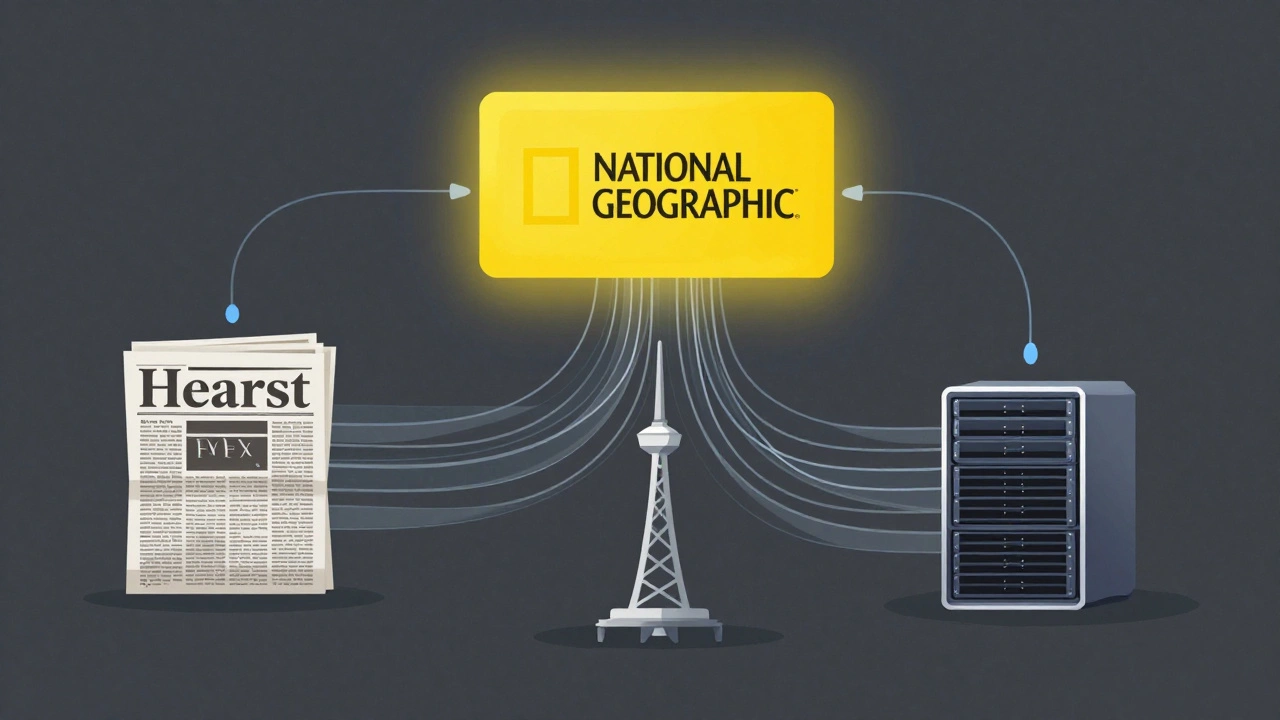
Here’s where the rumor starts. In 2014, 21st Century Fox (the media conglomerate led by Rupert Murdoch) made a significant move. They acquired a majority stake in the National Geographic Partners joint venture. Wait, let’s unpack that. National Geographic Partners was the commercial arm of the National Geographic Society, formed in 2015 after Hearst exited the picture. This entity managed the magazine, the channels, books, and other commercial products.
When Fox bought into this partnership, they didn’t buy the National Geographic Society. They bought a stake in the *commercial* operations. Specifically, Fox acquired 73% of the equity in National Geographic Partners, while the Society retained 27%. This meant Fox had significant influence over how the brand was used in advertising, merchandise, and some programming decisions. But crucially, the Society still controlled the editorial integrity of the magazine and the scientific accuracy of the content.
So, was National Geographic owned by Fox? Technically, Fox owned a majority share of the *commercial partnership* that licensed the brand. But they did not own the National Geographic Society, nor did they own the intellectual property outright. It was a licensing deal, not an acquisition of the organization itself. This distinction matters because it explains why the content remained true to its roots despite having a corporate backer known for blockbuster movies and news networks.
The Disney Takeover: How Everything Changed
If you’re reading this in 2026, the Fox chapter is already closed. In March 2019, The Walt Disney Company completed its acquisition of most of 21st Century Fox’s assets. This included Fox’s stake in National Geographic Partners. Overnight, Disney became the new majority partner in the commercial arm of National Geographic.
This move was strategic. Disney wanted to strengthen its position in the documentary and educational space, complementing its existing holdings like ESPN and ABC. For National Geographic, it meant aligning with a company that had a strong interest in family-friendly, high-production-value content. Think of shows like One Strange Rock or Bloodline: Murder in the Rockies. These productions benefited from Disney’s resources and global distribution network.
But here’s the key point: the National Geographic Society still exists as an independent non-profit. It still funds expeditions, publishes peer-reviewed journals, and supports conservation efforts worldwide. The partnership with Disney is purely commercial. Disney licenses the brand for use in media, merchandise, and experiences, but it does not dictate the scientific direction of the Society. This separation ensures that the credibility of the brand remains intact, even as it reaches wider audiences through Disney+ and other platforms.
What This Means for Adventure Travelers
Why should you care about corporate ownership when you’re planning your next hiking trip or safari? Because the entities behind the scenes influence what stories get told. When Fox was involved, there was a slight shift toward more dramatic, narrative-driven documentaries. Under Disney, the focus has expanded to include more immersive, visually stunning series designed for streaming audiences.
As an adventure traveler, this means you’ll see more content highlighting remote destinations, unique cultural practices, and environmental challenges. National Geographic continues to be a trusted source for inspiration. Whether you’re looking for tips on trekking in the Andes or diving in the Great Barrier Reef, the brand’s commitment to authenticity remains strong. The corporate partners change, but the mission stays the same: to explore the unknown and protect the planet.
| Year | Partner Entity | Role/Stake | Key Outcome |
|---|---|---|---|
| 1995-2000 | Sears Publishing | Joint Venture Partner | Expansion of magazine distribution |
| 2000-2015 | Hearst Communications | Majority Partner | Growth in international editions |
| 2015-2019 | 21st Century Fox | 73% Equity Stake | Launch of new digital platforms |
| 2019-Present | The Walt Disney Company | Majority Partner via Fox Assets | Integration with Disney+ streaming service |

Common Misconceptions About Ownership
It’s easy to get tangled up in the details. Many people assume that because Disney produces National Geographic content, they own the brand entirely. Others believe that Fox still has a say in editorial decisions. Neither is true. The National Geographic Society retains full control over its scientific work and charitable activities. The commercial partners only handle the business side-licensing, advertising, and production budgets.
Another misconception is that the quality of content has declined due to corporate involvement. In reality, the influx of funding from large media companies has allowed for higher production values and broader reach. Expeditions are better equipped, documentaries are more cinematic, and educational resources are more accessible than ever before. The challenge now is balancing commercial interests with the Society’s non-profit mission, a delicate dance that requires constant oversight.
How to Verify Authentic National Geographic Content
With so many brands using similar names, it’s important to know what’s official. Look for the yellow rectangle logo. Check if the content is produced by National Geographic Partners or directly by the Society. Be wary of third-party websites claiming affiliation without clear licensing agreements. Official content will always emphasize scientific accuracy and ethical storytelling.
If you’re interested in supporting their work, consider becoming a member of the National Geographic Society. Your contributions fund real-world expeditions and conservation projects. Alternatively, subscribe to their magazines or streaming services to enjoy the content while indirectly supporting the organization’s mission. Either way, you’re helping to keep the spirit of exploration alive.
Did Fox own National Geographic?
Fox did not own the National Geographic Society. However, from 2015 to 2019, 21st Century Fox held a 73% stake in National Geographic Partners, the commercial joint venture that licenses the brand. This gave Fox significant influence over business operations but not editorial control.
Who owns National Geographic now?
The National Geographic Society remains an independent non-profit organization. Commercially, The Walt Disney Company holds the majority stake in National Geographic Partners following its acquisition of Fox assets in 2019. Disney manages the licensing and distribution of National Geographic media content.
Is National Geographic still a non-profit?
Yes, the National Geographic Society is still a non-profit organization. It continues to fund scientific research, education, and conservation efforts globally. The commercial partnerships with companies like Disney do not affect its non-profit status or mission.
Why did Disney acquire Fox's stake in National Geographic?
Disney acquired Fox's stake to expand its portfolio of premium documentary and educational content. This move strengthened Disney's position in the streaming market, particularly with the launch of Disney+, which features a dedicated hub for National Geographic programming.
Does Disney control what National Geographic publishes?
No, Disney does not control the editorial content of National Geographic. The National Geographic Society retains full authority over its magazine, scientific publications, and expedition planning. Disney only manages the commercial aspects of the brand, such as advertising and distribution.
Can I trust National Geographic content under Disney?
Yes, National Geographic content remains trustworthy. The Society enforces strict editorial guidelines to ensure scientific accuracy and ethical reporting. While Disney provides production resources, the final approval for content rests with National Geographic editors and scientists.
What happened to Hearst's role in National Geographic?
Hearst Communications was the majority partner in National Geographic from 2000 to 2015. In 2015, Hearst sold its stake to form a new joint venture with 21st Century Fox, marking the end of Hearst's direct involvement in the brand's commercial operations.
How does the National Geographic Society make money?
The Society generates revenue through membership dues, donations, grants, and licensing fees from its commercial partners. These funds support its scientific expeditions, educational programs, and conservation initiatives worldwide.