
Find Your Perfect Activity Holiday
Select your preferences below to discover which active travel experience suits you best.
Beginner / Low
Occasional walks, light exerciseIntermediate / Medium
Regular workouts, comfortable with hillsAdvanced / High
Athletic, seeking challenge & adrenalineHiking & Trekking
$800 - $2,500Why this fits you:
Based on your preference for nature and beginner-friendly fitness levels, hiking offers the perfect balance of accessibility and immersion.
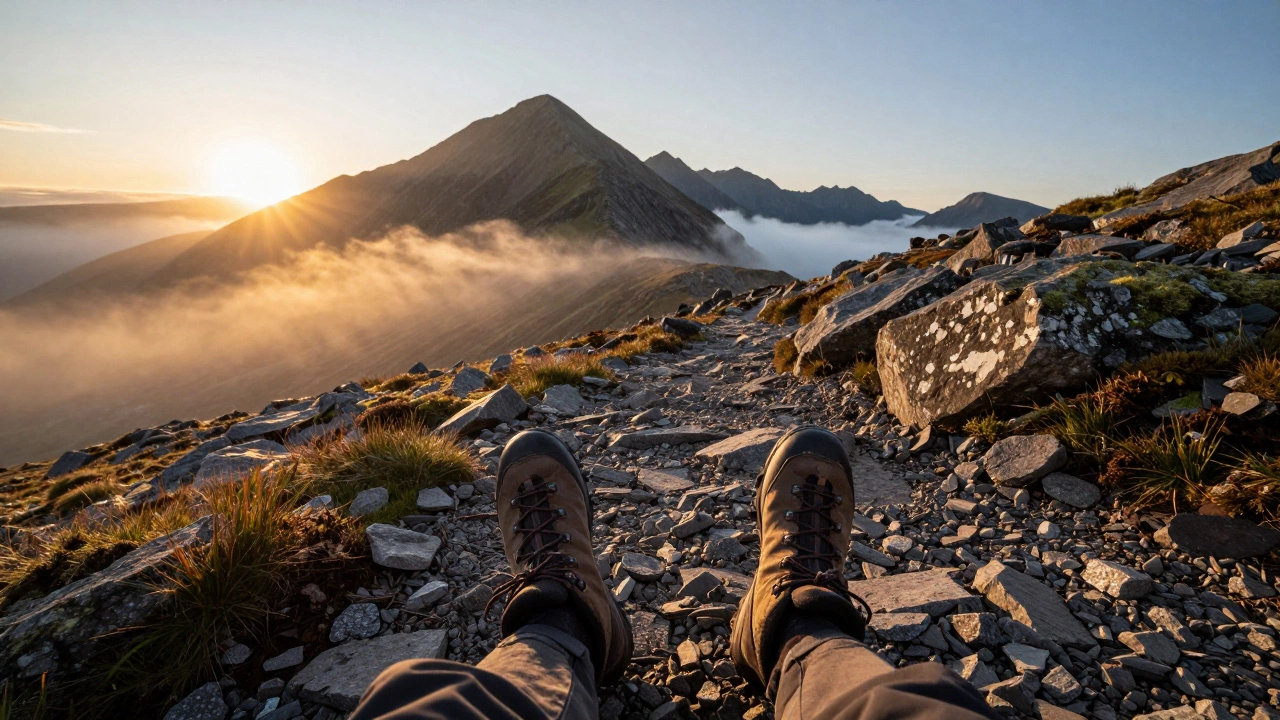
Imagine waking up not to the sound of a hotel alarm, but to the crunch of gravel under your boots or the gentle lapping of water against a kayak. You’re not just visiting a place; you are moving through it. This is the essence of an activity holiday, a travel style that swaps passive sightseeing for physical engagement and hands-on experiences.
If you’ve ever felt drained by endless museum queues or bored by static beach days, this might be your new favorite way to explore the world. An activity holiday isn’t just about sweating; it’s about connecting with a destination on a deeper level. It transforms you from a spectator into a participant.
The Core Definition: More Than Just Exercise
An activity holiday is a trip where the primary focus is on participating in specific physical activities or skill-based experiences rather than traditional relaxation or sightseeing. Unlike a standard resort vacation where the pool is the main attraction, here the landscape itself is the playground.
This concept sits at the intersection of adventure travel and experiential tourism. While adventure travel often implies high risk and extreme conditions (like climbing Everest), activity holidays are generally more accessible. They include everything from guided hiking tours in the Alps to pottery workshops in Kyoto. The key differentiator is intentionality: you book the trip *for* the activity, not as an add-on.
Consider the difference between a city break in London and an activity holiday there. In a city break, you might walk past Buckingham Palace. On an activity holiday, you might join a historical running tour that covers five miles while explaining the royal history, or take a intensive two-day cycling class through the Thames Path. The activity drives the itinerary.
Why Choose an Activity Holiday?
The rise of active travel isn't just a trend; it's a response to modern fatigue. Here is why travelers are increasingly choosing movement over stillness:
- Deeper Cultural Immersion: When you hike through a village in Peru or bike through the rice paddies of Vietnam, you see parts of the country tourists rarely visit. You interact with locals who live and work in these spaces, leading to authentic conversations rather than transactional ones.
- Mental Health Benefits: Physical exertion releases endorphins. Combining this with nature exposure-a practice known as "forest bathing" or shinrin-yoku-significantly reduces cortisol levels. You return home feeling refreshed, not just rested.
- Skill Acquisition: Many activity holidays offer learning opportunities. You might leave a ski trip in Austria able to carve turns you couldn’t make before, or finish a cooking holiday in Italy confident in making fresh pasta from scratch.
- Sustainable Tourism: Active travel often has a lower carbon footprint. Walking, cycling, and kayaking produce zero emissions. Even when flights are involved, activity-focused tours often partner with local guides and eco-lodges, supporting community economies directly.

Popular Types of Activity Holidays
The variety of options is vast, catering to all fitness levels and interests. Here are some of the most popular categories for 2026:
1. Hiking and Trekking
This is the gateway drug of activity holidays. From the multi-week Inca Trail to Machu Picchu in Peru to the shorter, scenic West Highland Way in Scotland, trekking allows you to cover ground while enjoying panoramic views. Modern hiking tours often include porters for gear, allowing you to travel light and focus on the steps.
2. Cycling Tours
Cycling holidays have exploded in popularity. Whether it’s road cycling through the vineyards of Tuscany or mountain biking in the rugged terrain of Moab, Utah, these trips combine endurance with exploration. E-bikes have revolutionized this sector, making steep climbs accessible to casual riders and expanding the demographic range significantly.
3. Water-Based Adventures
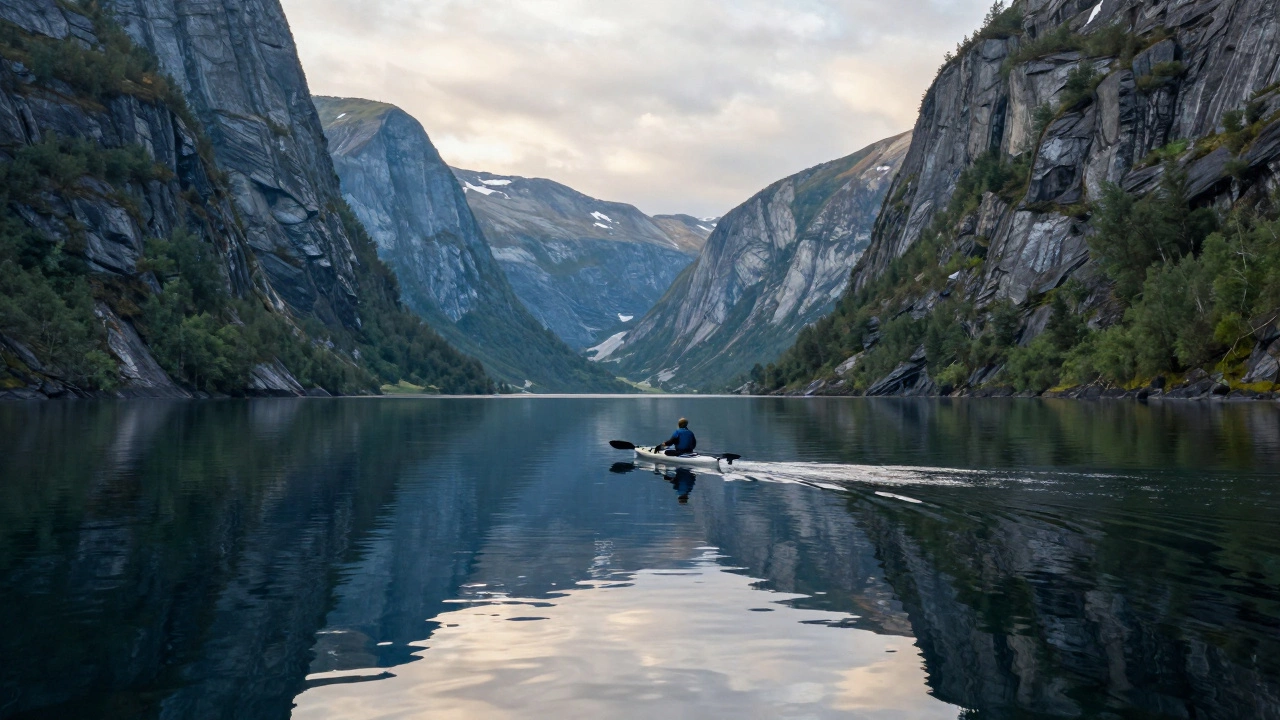
Kayaking, paddleboarding, and sailing holidays offer a unique perspective. Imagine paddling through the fjords of Norway or navigating the mangroves of Thailand. These activities require balance and coordination, keeping your mind focused on the present moment-a form of active meditation.
4. Wellness and Yoga Retreats
While less intense, yoga and wellness retreats are firmly in the activity category. They involve structured daily practices, often combined with hiking or swimming. Destinations like Bali and Costa Rica are hubs for these immersive experiences, focusing on holistic health.
5. Winter Sports
Skiing and snowboarding remain classic activity holidays. However, the trend is shifting towards sustainable resorts and off-piste guiding experiences that emphasize safety and natural beauty over party scenes.
| Activity Type | Fitness Level Required | Average Cost (Per Person) | Best For | Peak Season |
|---|---|---|---|---|
| Hiking/Trekking | Low to High | $800 - $2,500 | Nature lovers, solitude seekers | Spring/Fall |
| Cycling Tours | Medium | $1,200 - $3,000 | Scenic routes, social groups | Summer |
| Kayaking/Paddleboarding | Low to Medium | $600 - $1,800 | Water enthusiasts, beginners | Summer |
| Skiing/Snowboarding | Medium to High | $1,500 - $4,000 | Adrenaline junkies, winter fans | Winter |
| Yoga/Wellness | Low | $1,000 - $3,500 | Stress relief, spiritual growth | All Year |
Planning Your First Activity Holiday
Choosing the right activity holiday requires careful consideration. It’s not just about picking a cool sport; it’s about matching the activity to your abilities, interests, and budget.
Assess Your Fitness Honestly
Don’t underestimate the demands of active travel. A "moderate" hiking trail can be brutal if you’re unaccustomed to altitude or heat. Start with shorter durations and lower intensities. If you want to trek the Andes, train locally for three months beforehand. Most reputable tour operators provide detailed fitness requirements and training plans.
Choose the Right Operator
The quality of your guide makes or breaks the experience. Look for companies certified by organizations like the Leave No Trace principles or local tourism boards. Read reviews specifically mentioning guide expertise and safety protocols. For technical activities like rock climbing or white-water rafting, ensure guides are certified by recognized bodies such as the American Mountain Guides Association (AMGA).
Pack Smart
Your gear needs to be functional, not fashionable. Invest in good footwear-this is non-negotiable. Moisture-wicking fabrics, layering systems, and a reliable backpack are essential. If you’re renting equipment (like bikes or skis), book in advance to ensure proper fitting.
Budget for Experiences, Not Just Flights
Activity holidays often cost more upfront due to specialized equipment, guides, and permits. However, they offer better value because meals, accommodation, and logistics are usually included. Compare the total package price against booking elements separately.
Common Pitfalls to Avoid
Even seasoned travelers make mistakes when planning active trips. Here is how to steer clear:
- Overbooking Activities: Don’t schedule back-to-back intense days without rest. Burnout leads to injury and ruins the trip. Build in buffer days for recovery or spontaneous exploration.
- Ignoring Weather Windows: Research the climate thoroughly. Hiking in Patagonia during the rainy season is miserable. Timing is critical for safety and enjoyment.
- Underestimating Altitude: If traveling to high elevations (above 2,500 meters), acclimatize properly. Acute Mountain Sickness (AMS) is real and can be dangerous. Ascend slowly and stay hydrated.
- Skipping Insurance: Standard travel insurance often excludes high-risk activities. Ensure your policy covers skiing, scuba diving, or horse riding if those are part of your plan.
The Future of Active Travel
In 2026, activity holidays are becoming more inclusive and sustainable. We’re seeing a rise in "slow travel" initiatives, where long-distance walking or cycling routes connect communities across borders. Technology also plays a role, with apps providing real-time trail conditions and AI-driven itineraries that adjust based on your fitness data.
Moreover, there is a growing emphasis on regenerative tourism. Instead of just minimizing harm, travelers are seeking ways to contribute positively-planting trees during reforestation hikes or participating in coral reef restoration dives. This shift adds purpose to the physical exertion, making the holiday feel meaningful beyond personal achievement.
Whether you are chasing adrenaline or seeking tranquility through movement, an activity holiday offers a transformative way to see the world. It challenges you, connects you, and leaves you with memories etched not just in photos, but in muscle memory.
Is an activity holiday suitable for beginners?
Absolutely. Many activity holidays cater specifically to beginners. For example, introductory yoga retreats, easy cycling tours with e-bikes, and guided day-hikes are designed for people with minimal prior experience. Always look for tours labeled "beginner-friendly" or "introductory" and communicate your fitness level to the operator beforehand.
How much does an activity holiday typically cost?
Costs vary widely depending on the activity, location, and duration. A week-long hiking tour in Europe might cost $1,500-$2,500 per person, including lodging and meals. More specialized activities like ski instruction or scuba diving certification can range from $2,000 to $4,000. Budget options exist, such as self-guided walking trails with hostels, which can be done for under $1,000.
Do I need special insurance for an activity holiday?
Yes, standard travel insurance often excludes high-risk activities like skiing, scuba diving, rock climbing, or even strenuous hiking above certain altitudes. You must purchase a policy that explicitly covers your planned activities. Check the fine print for terms like "adventure sports coverage" or "extreme activity exclusion."
What should I pack for a general activity holiday?
Essentials include sturdy, broken-in footwear, moisture-wicking clothing layers, a lightweight rain jacket, sunscreen, insect repellent, and a reusable water bottle. For specific activities, you may need helmets, life jackets, or specialized gear, but many tour operators rent these out. Always bring a basic first-aid kit and any personal medications.
Can families go on activity holidays?
Yes, family-friendly activity holidays are very popular. Options include gentle cycling tours, snorkeling trips, horseback riding safaris, and cultural workshops like cooking or craft classes. Look for operators that offer multi-generational packages with flexible pacing and child-friendly accommodations.