Adventure Travel Readiness Quiz
Loading question...
Defining the Adventure Trip
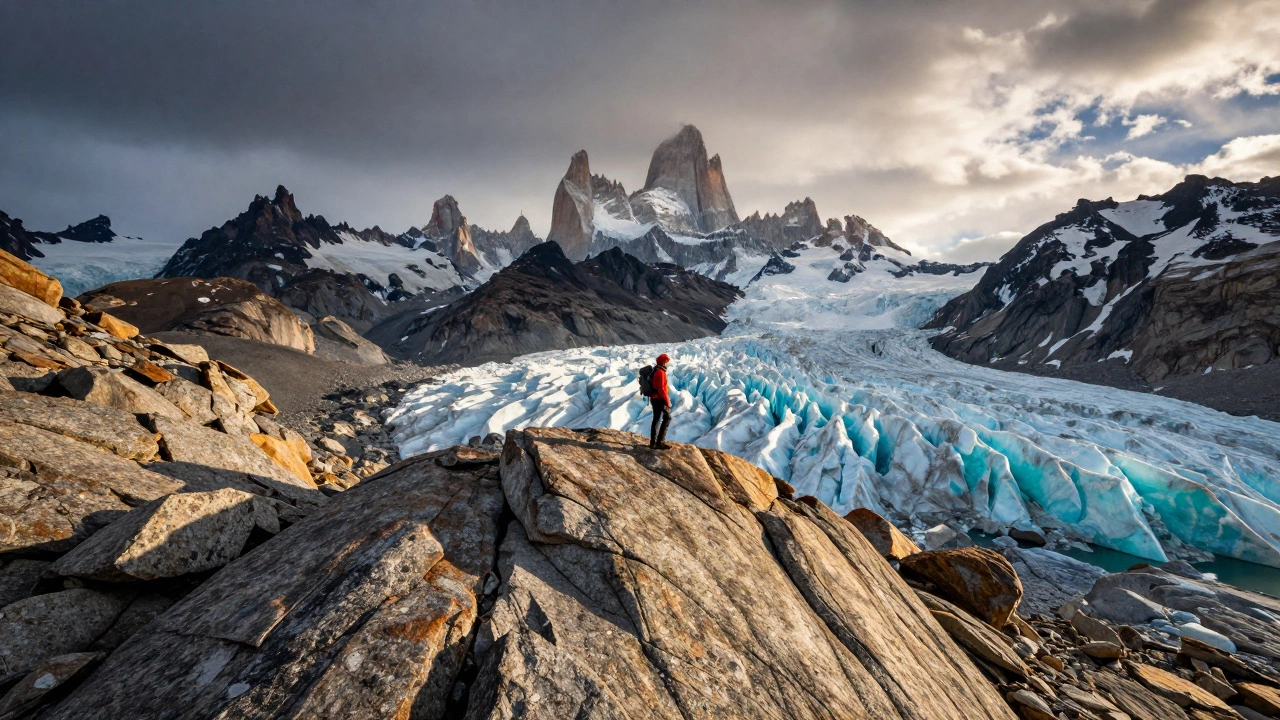
You’ve seen the photos. Someone is hanging off a cliff in Patagonia, a region known for its dramatic landscapes and challenging trekking routes. Another is kayaking through white-water rapids in New Zealand, a country famous for its adrenaline-fueled tourism industry. You feel that itch to do something similar, but you’re not sure if your upcoming vacation counts as an adventure trip. Is it just hiking? Is it skydiving? Or is it something else entirely?
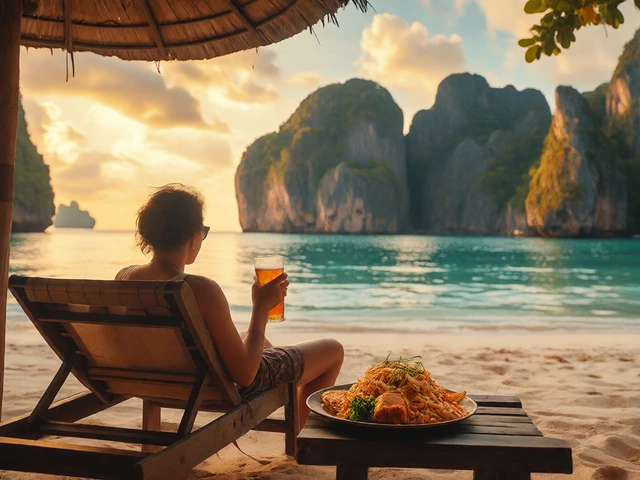
An adventure trip isn’t defined by how much you spend or how far you fly. It’s defined by engagement. Unlike traditional leisure travel, where you sit on a beach and watch the world go by, an adventure trip requires you to participate actively in your environment. It involves physical exertion, cultural immersion, or a degree of risk that pushes you outside your comfort zone. The core element is interaction with nature or local culture in a way that feels transformative rather than passive.
When you plan an adventure holiday, you are looking for experiences that challenge you physically or mentally. This could mean navigating a dense jungle in Costa Rica, a biodiversity hotspot popular for eco-adventures. It might involve climbing a mountain in the Himalayas, a mountain range offering some of the most demanding treks on Earth. The key takeaway is that you are not just observing; you are doing. This active participation creates memories that stick with you long after you return home.
The Spectrum of Adventure: From Soft to Hard
Not all adventures are created equal. Some people confuse "adventure" with "extreme," but they are different categories within the same umbrella. Understanding this spectrum helps you choose a trip that matches your fitness level and risk tolerance. Experts often divide adventure travel into two main types: soft adventure and hard adventure.
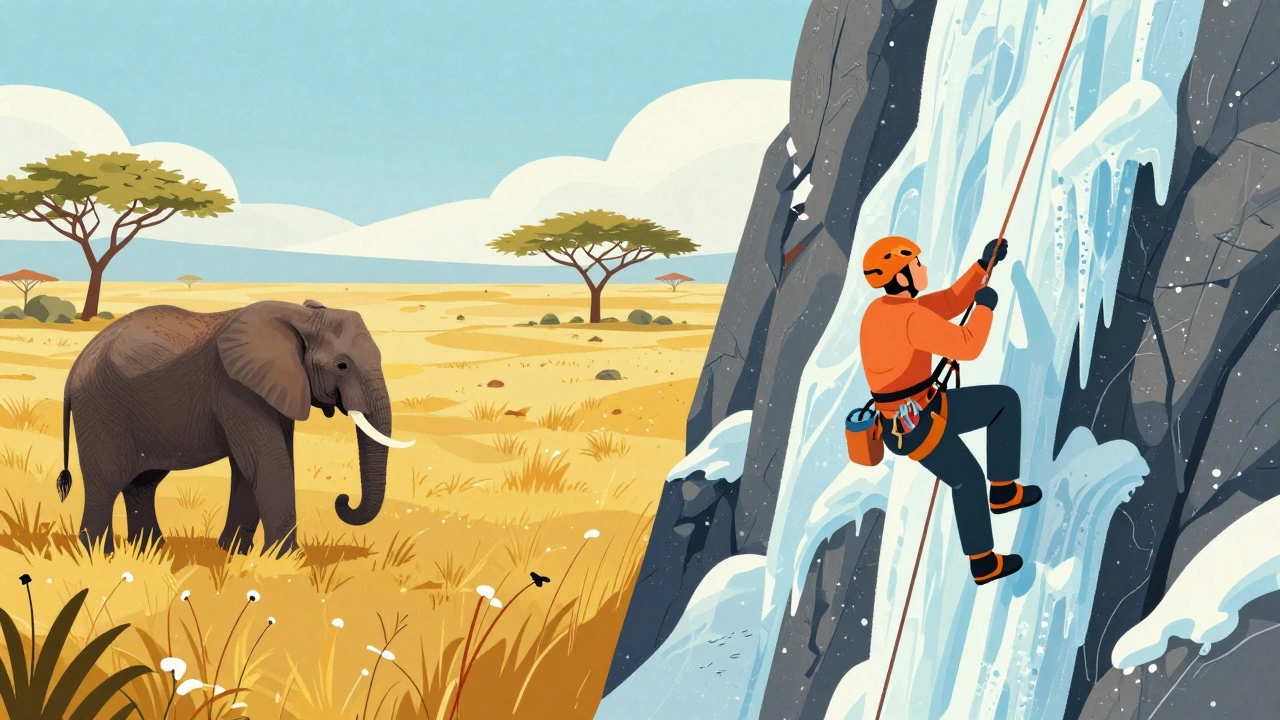
Soft adventure involves minimal risk and low technical skill requirements. These trips are accessible to most people with average fitness levels. Think about wildlife safaris in Kenya, a destination renowned for its guided game drives and cultural encounters. You might also consider snorkeling in the Great Barrier Reef, Australia's iconic marine park. While these activities require some effort, they don’t demand specialized training or carry significant danger. They offer a taste of adventure without the high stakes.
Hard adventure, on the other hand, requires specific skills, equipment, and a higher tolerance for risk. Examples include mountaineering in Nepal, a country at the heart of the Himalayan climbing circuit. Other examples are white-water rafting on Class V rapids or bungee jumping in Queenstown, New Zealand's adventure capital. These activities often require prior experience or professional guidance. If you have never climbed before, attempting a hard adventure without preparation can be dangerous. Knowing where you fall on this spectrum is crucial for planning a safe and enjoyable trip.
| Feature | Soft Adventure | Hard Adventure |
|---|---|---|
| Risk Level | Low to Moderate | High |
| Skill Requirement | Minimal (beginner-friendly) | Advanced (training often needed) |
| Physical Exertion | Moderate | High |
| Equipment Needs | Basic gear provided | Specialized personal gear |
| Examples | Hiking, Wildlife Safaris, Snorkeling | Mountaineering, Skydiving, White-Water Rafting |
Why People Choose Adventure Travel
Why do we seek out discomfort when we could relax in a resort? The answer lies in the psychological rewards of adventure. Many travelers report that adventure trips provide a sense of accomplishment that standard vacations cannot match. Overcoming a fear of heights while rock climbing or surviving a storm on a sailing trip builds resilience and confidence.
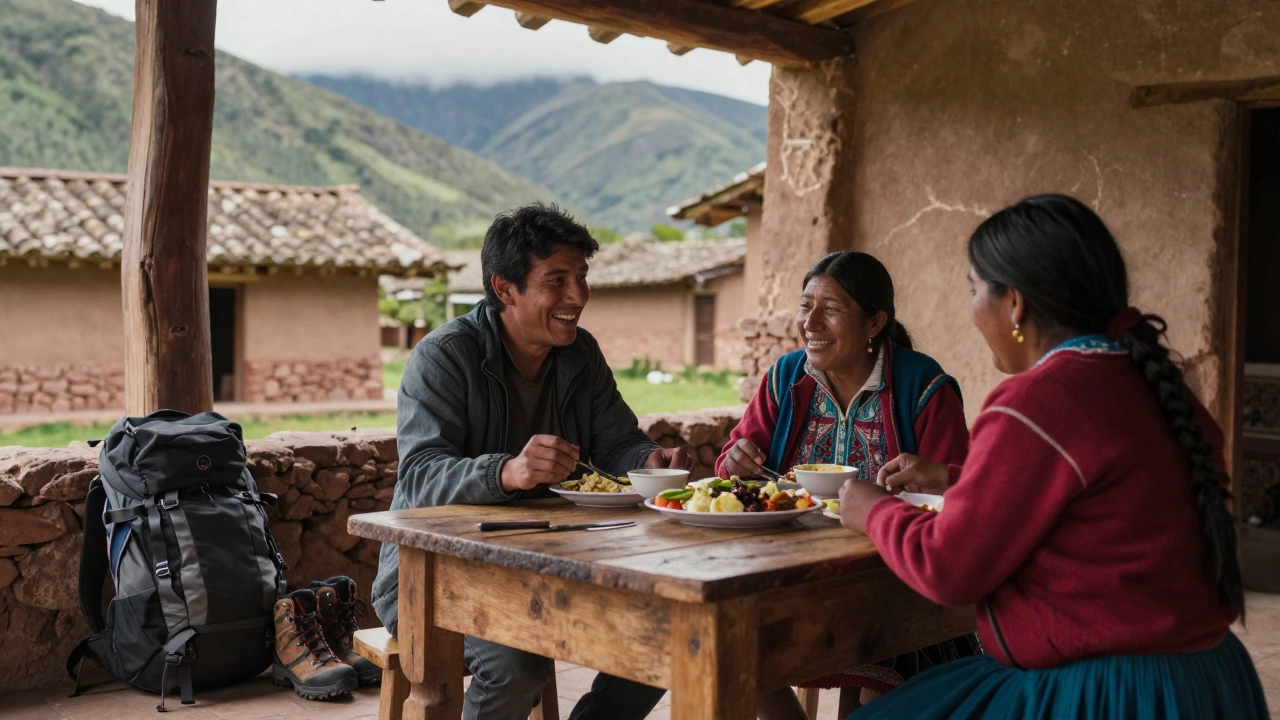
Adventure travel also fosters deeper connections. When you are hiking through a remote village in Peru, a country rich in indigenous cultures and ancient trails. you are more likely to interact with locals than if you were staying in an isolated hotel. These interactions lead to authentic cultural exchanges. You learn about their lives, traditions, and perspectives in a way that feels genuine. This cultural immersion is a major driver for many modern travelers who want to move beyond superficial tourism.
Furthermore, adventure trips often take place in pristine natural environments. Being immersed in nature has been shown to reduce stress and improve mental health. The combination of physical activity, fresh air, and stunning scenery creates a holistic wellness experience. For many, this break from the digital world and urban routine is essential for recharging their batteries.
Planning Your First Adventure Trip
If you are new to adventure travel, proper planning is non-negotiable. Unlike a city break, where you can wing it, adventure trips require careful preparation. Start by assessing your own fitness level and interests. Do you enjoy water sports? Are you comfortable with heights? Be honest with yourself. Pushing too hard too fast can lead to injury or disappointment.
Research is your best friend. Look for reputable tour operators who prioritize safety and sustainability. Check reviews from past travelers to see if the company delivers on its promises. Pay attention to details like group size, guide qualifications, and emergency protocols. A good operator will provide clear information about what to expect, including physical demands and required gear.
Budgeting is another critical step. Adventure trips can vary widely in cost. Soft adventures tend to be more affordable, while hard adventures often require expensive equipment and specialized guides. Factor in costs for travel insurance, which should cover medical evacuation and adventure activities. Don’t skimp on insurance; it is your safety net if things go wrong. Also, consider the environmental impact of your choices. Opt for eco-friendly operators who support local communities and minimize waste.
Safety First: Mitigating Risks
Safety is the cornerstone of any successful adventure trip. No matter how experienced you are, risks exist. Always follow the instructions of your guides. They know the terrain and weather conditions better than you do. Ignoring their advice can put you and others in danger. Carry appropriate gear, even if it seems unnecessary. A lightweight rain jacket or sturdy boots can make a huge difference in uncomfortable or hazardous situations.
Prepare for emergencies. Learn basic first aid skills before you go. Carry a small medical kit with essentials like bandages, antiseptic wipes, and pain relievers. Know the location of the nearest medical facilities along your route. In remote areas, communication can be limited, so carry a satellite phone or personal locator beacon if recommended by your operator. These devices can save your life if you get lost or injured.
Listen to your body. If you feel unwell, speak up immediately. Pushing through illness or fatigue can lead to serious consequences, especially at high altitudes or in extreme climates. Acute Mountain Sickness (AMS) is a real threat in places like Machu Picchu, a historic site in Peru reached via strenuous hikes. Recognizing symptoms early and descending if necessary can prevent life-threatening complications. Respect the environment and your limits, and you’ll have a safer, more enjoyable experience.
The Role of Technology in Modern Adventures
Technology has transformed adventure travel. GPS devices and smartphone apps help navigators stay on track in unfamiliar terrain. Weather forecasting tools allow groups to plan around storms and heatwaves. Social media lets travelers share their experiences instantly, inspiring others to embark on similar journeys. However, technology also introduces new challenges. Battery life can be an issue in cold or remote environments, so always carry power banks.
Digital maps and trail guides provide valuable information, but they shouldn’t replace common sense. Conditions on the ground can change rapidly. A trail marked as easy online might be muddy and difficult due to recent rains. Use technology as a tool, not a crutch. Trust your instincts and your guides over screen data when discrepancies arise. Balancing tech reliance with situational awareness is key to modern adventure success.
Is an adventure trip suitable for beginners?
Yes, absolutely. Many adventure trips are designed specifically for beginners. Soft adventure options like guided hikes, wildlife safaris, or introductory scuba diving courses offer low-risk entry points. Look for tours labeled "beginner-friendly" or "no experience required." Reputable operators provide all necessary equipment and instruction, ensuring you can participate safely without prior skills.
How much does an adventure trip typically cost?
Costs vary widely depending on the type of adventure and destination. A soft adventure weekend might cost between $500 and $1,500, including flights and accommodation. Hard adventure trips, such as multi-day mountaineering expeditions, can range from $2,000 to $10,000 or more. Factors influencing price include duration, guide expertise, equipment rental, and travel insurance. Budgeting early and comparing quotes from multiple operators helps find the right fit for your finances.
What is the best time of year for adventure travel?
The best time depends entirely on your chosen destination and activity. For example, trekking in Nepal is best during the spring (March-May) and autumn (September-November) seasons when weather is stable. Conversely, white-water rafting in tropical regions may be ideal during the rainy season when river levels are high. Always research the specific climate patterns and peak seasons for your intended adventure to avoid cancellations or unsafe conditions.
Do I need special insurance for an adventure trip?
Yes, standard travel insurance often excludes adventure activities. You need a policy that explicitly covers the specific activities you plan to do, such as skiing, scuba diving, or mountaineering. Ensure the policy includes medical evacuation coverage, especially for remote locations. Read the fine print carefully to understand exclusions and limits. Investing in comprehensive adventure-specific insurance protects you from potentially devastating medical bills.
Can I go on an adventure trip alone?
Yes, solo adventure travel is increasingly popular. Many tour operators offer single-supplement rooms or allow solo joiners to share accommodations. Group tours are particularly good for solo travelers as they provide built-in companionship and safety. However, always inform someone trustworthy of your itinerary and expected return time. Solo travel requires extra vigilance regarding safety and decision-making, but it offers unparalleled freedom and personal growth opportunities.