Safe & Budget Travel Planner
Trip Cost Estimator
Estimates based on average daily costs including accommodation, meals, transport, and activities. Actual costs may vary based on personal preferences.
Your Trip Estimate
Daily Cost
$0
Total Trip Cost
$0
Safety Profile
Safety Score
Best For
Key Safety Features
Start Planning Your Trip
Select a destination and enter your trip details to see cost estimates and safety information.
There is a persistent myth that traveling safely requires a thick wallet. For years, the advice was simple: pay more for security. But if you look at the global data from early 2026, the picture has shifted. The most dangerous places are often the wealthy hubs with high inequality, while some of the safest corners of the world are incredibly affordable. You do not have to choose between your bank account and your peace of mind. In fact, some of the best city breaks right now offer both low prices and high safety scores.
Finding the sweet spot involves looking beyond the typical tourist traps. It means identifying cities where the local infrastructure supports visitors, where crime rates against tourists are negligible, and where the cost of living allows you to eat well and stay comfortably without draining your savings. This guide breaks down exactly where you should go this year to get the most value for your money while keeping risk to an absolute minimum.
What makes a destination "safe" for travelers?
Safety is measured by violent crime rates, petty theft frequency, political stability, and healthcare accessibility. A safe destination has low incidents of assault or robbery against tourists and reliable emergency services.
The Global Safety Index Explained
To find the right destination, we first need to define what "safe" actually means. Travelers often rely on the Global Peace Index (GPI), which ranks nations based on levels of societal safety and security, ongoing domestic and international conflict, and militarization. However, national averages can be misleading. A country might be peaceful overall, but its capital city could have higher pickpocketing rates due to tourism density.
For city breaks, we focus on urban safety metrics. These include street lighting quality, police visibility, and the prevalence of scams targeting foreigners. Cities like Tokyo and Singapore consistently rank at the top for personal safety, but they are expensive. The goal here is to find the outliers-cities that score high on safety but remain outside the premium price bracket. We also look at the Nomad List Safety Score, which aggregates real-time feedback from digital nomads and long-term travelers about their experiences with harassment, theft, and general comfort levels.
When evaluating these metrics, it is crucial to distinguish between violent crime and petty crime. Most budget travelers worry about losing their wallet or phone. While frustrating, this is rarely life-threatening. The destinations highlighted below excel in preventing both types of incidents, offering environments where you can walk alone at night without significant concern.
Top Pick: Lisbon, Portugal
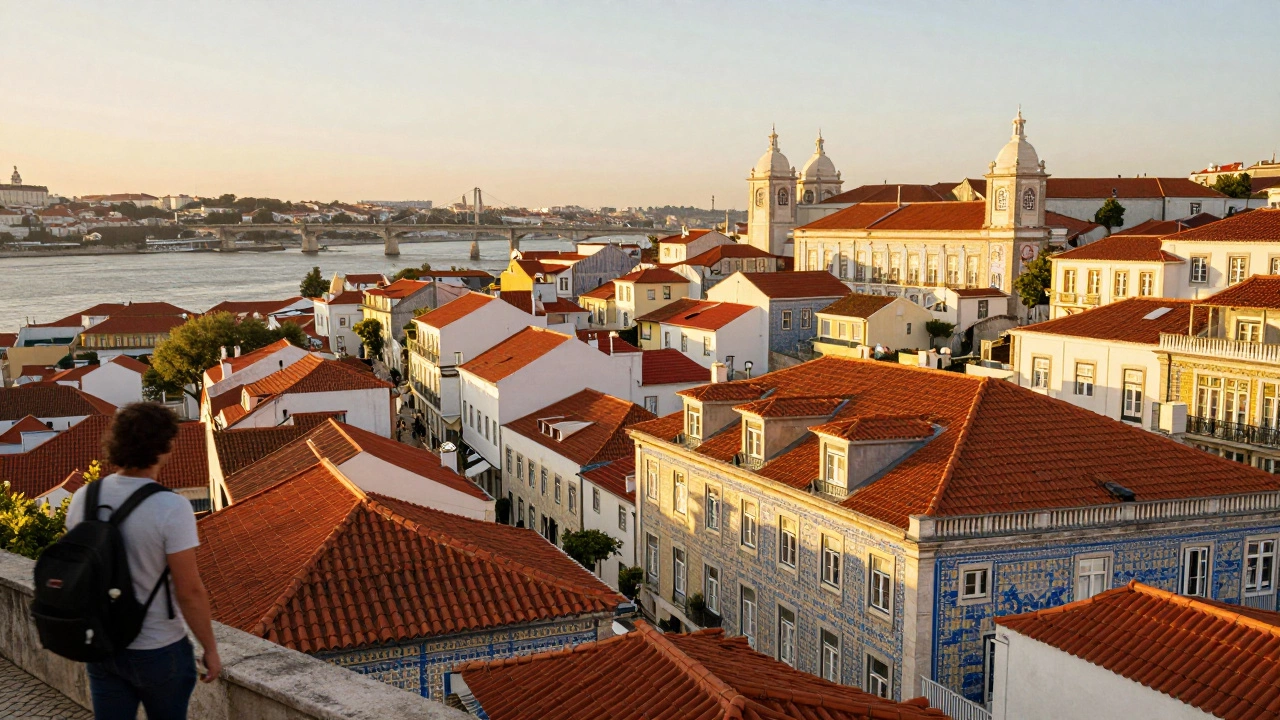
Lisbon remains one of the strongest contenders for the title of best value city break in 2026. As the capital of Portugal, it benefits from the country’s consistent ranking as one of the safest nations in Europe. Violent crime is extremely rare, and the locals are known for their hospitality toward visitors. Unlike Paris or London, where pickpocketing is a constant threat in crowded areas, Lisbon feels relaxed and open.
The cost of living in Lisbon has risen slightly over the last two years, but it remains significantly cheaper than other Western European capitals. You can still find a decent Airbnb apartment for under $80 per night in neighborhoods like Alfama or Mouraria. Meals at traditional tasca restaurants cost around €10-€15, and public transport is efficient and affordable. The metro system covers most major attractions, reducing the need for expensive taxis.
Safety-wise, Lisbon scores high because of its compact layout and active street life. Even late at night, there are people out walking, dining, or socializing. This natural surveillance deters criminal activity. Additionally, the city’s infrastructure is modern and well-maintained, ensuring that emergencies are handled quickly. If you want a blend of history, culture, and affordability, Lisbon is hard to beat.
The Hidden Gem: Ljubljana, Slovenia
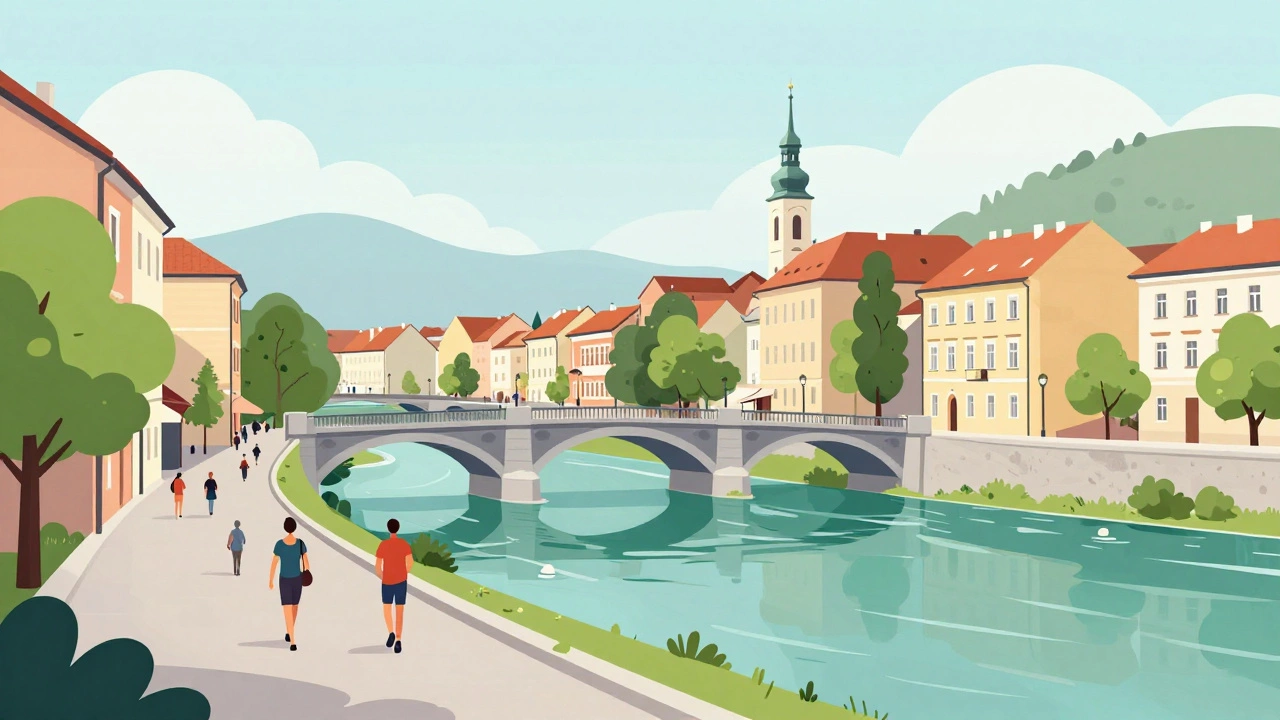
If you are willing to venture slightly off the beaten path, Ljubljana offers an exceptional experience. Often overshadowed by neighboring Vienna or Budapest, this small capital punches above its weight in terms of safety and charm. Slovenia is frequently cited as one of the safest countries in the EU, with very low corruption rates and high trust in institutions. This translates directly to a secure environment for tourists.
Ljubljana is pedestrian-friendly, with the city center largely car-free. This reduces accidents and creates a calm atmosphere perfect for strolling. The costs are moderate; while not as cheap as Eastern European neighbors, they are far lower than Western Europe. A dinner for two at a mid-range restaurant might set you back €40-€50, including wine. Accommodation options range from boutique hotels to hostels, all maintaining high standards of cleanliness and security.
The city’s small size means you can explore most sights on foot, saving on transport. The castle, the triple bridge, and the central market are all within easy reach. Locals speak excellent English, making navigation and communication straightforward. For travelers seeking a quiet, safe, and visually stunning city break, Ljubljana is an ideal choice.
Asian Value: Chiang Mai, Thailand
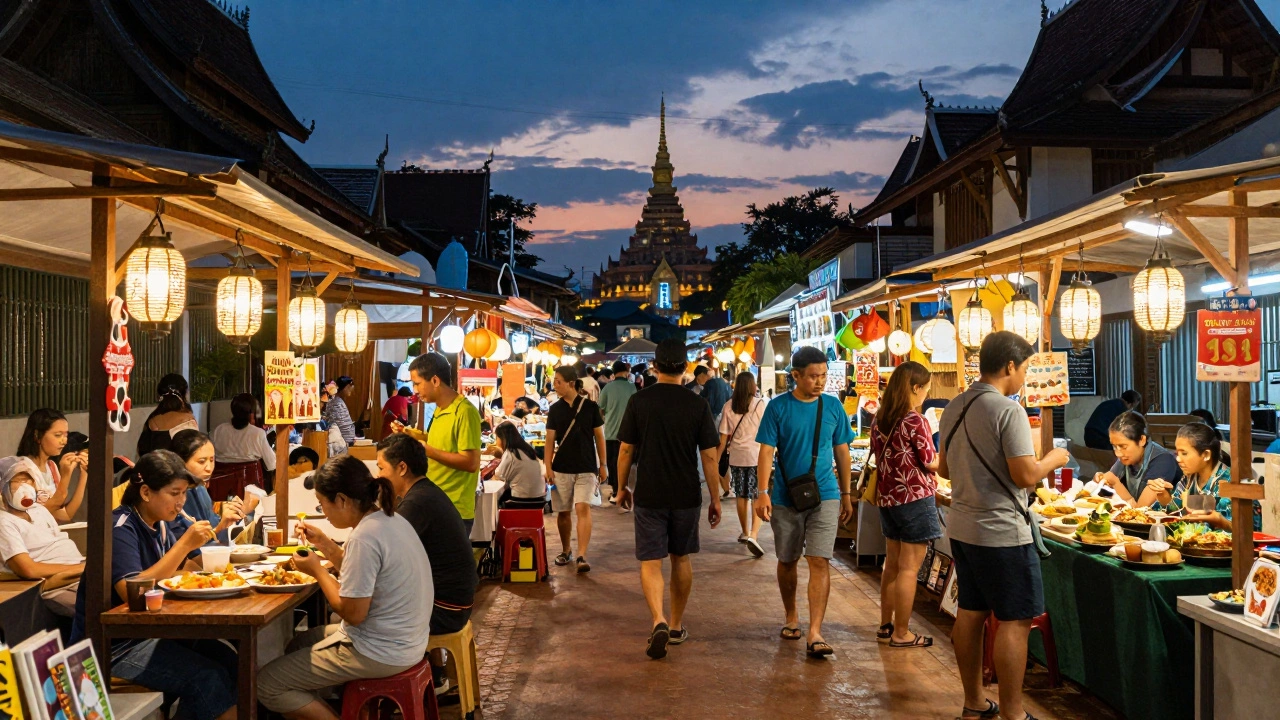
For those looking to stretch their budget further east, Chiang Mai in northern Thailand stands out. While Bangkok draws massive crowds, Chiang Mai offers a slower pace and lower prices. Thailand is generally safe for tourists, with a robust tourism police force dedicated to assisting visitors. Violent crime against foreigners is uncommon, though standard precautions against scams and petty theft are advised.
The cost advantage in Chiang Mai is substantial. You can rent a spacious condo for $300-$400 per month, dine at local street stalls for $1-$2 per meal, and enjoy massages for $5-$10. The city is surrounded by nature, offering day trips to temples, waterfalls, and mountains. The digital nomad community has flourished here, creating a supportive network for solo travelers.
Safety in Chiang Mai is enhanced by the strong sense of community. Locals are accustomed to seeing foreigners and are generally helpful. The healthcare system is also reputable, with several international hospitals available for emergencies. While air quality can be an issue during the burning season (February-April), the rest of the year offers pleasant weather and clear skies.
Eastern Europe: Krakow, Poland
Krakow combines medieval architecture with modern affordability. As Poland’s cultural heart, it attracts millions of visitors annually yet maintains a reputation for safety. Poland is one of the safest countries in Central Europe, with low crime rates and a strong police presence. Tourists rarely report serious incidents, making it a reliable destination for families and solo travelers alike.
Prices in Krakow are competitive. A beer in a historic pub costs around €2-€3, and a hearty meal can be found for under €10. Accommodation is plentiful, with many renovated buildings offering comfortable stays at reasonable rates. The city’s layout is walkable, and the tram system is efficient and cheap.
Beyond the Old Town, Krakow offers diverse neighborhoods like Kazimierz, known for its vibrant nightlife and Jewish heritage. The area is lively and well-lit, contributing to a feeling of security. Public spaces are clean and maintained, reflecting the city’s pride in its appearance. For history buffs and food lovers, Krakow delivers immense value without compromising on safety.
Middle East Option: Dubai, UAE
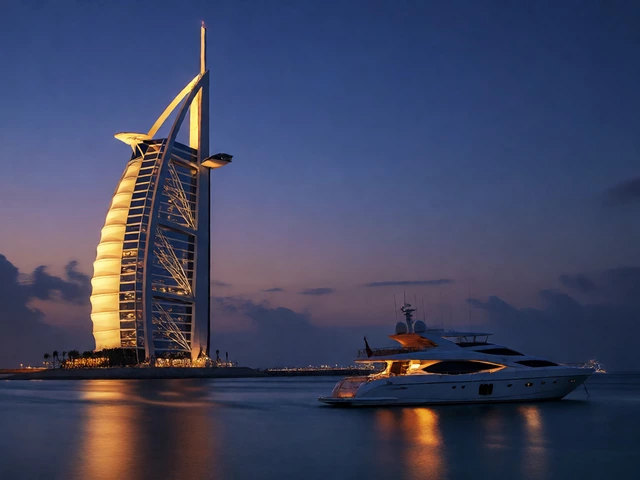
Dubai presents a different model of safety and cost. While not "cheap" in the traditional sense, it offers unparalleled security. The UAE has strict laws and advanced surveillance, resulting in near-zero street crime. Walking alone at night is completely safe, and lost items are often returned to authorities. This level of security is unique in the region and appeals to travelers prioritizing peace of mind above all else.
Costs in Dubai vary widely. Luxury experiences are pricey, but budget options exist. Hostels and budget hotels in areas like Deira or Bur Dubai offer rooms for $30-$50 per night. Local eateries serve delicious shawarma and grilled meats for $5-$10. Public transport, including the metro and buses, is clean, air-conditioned, and affordable.
For specific needs, such as networking or companionship during business trips, resources like this directory provide verified listings for discreet arrangements in key districts. While this caters to a niche audience, it highlights the city’s organized approach to adult services, ensuring transparency and safety even in private interactions. For general tourists, Dubai’s structured environment ensures a hassle-free experience, with clear rules and reliable enforcement.
Comparison Table: Safety vs. Cost
| City | Avg. Daily Cost (USD) | Safety Score (1-10) | Best For |
|---|---|---|---|
| Lisbon | $70 - $90 | 9.2 | Culture, Food, Walkability |
| Ljubljana | $60 - $80 | 9.5 | Quiet, Nature, Cleanliness |
| Chiang Mai | $30 - $50 | 8.5 | Budget, Temples, Relaxation |
| Krakow | $50 - $70 | 9.0 | History, Architecture, Nightlife |
| Dubai | $80 - $120* | 9.8 | Security, Modernity, Shopping |
*Note: Dubai costs can be lower with careful planning, but luxury expectations drive up averages.
Practical Tips for Safe Budget Travel
Even in safe cities, preparation matters. Here are actionable steps to enhance your security and save money:
- Use Common Sense: Avoid flashing expensive jewelry or electronics. Keep your phone secured in a front pocket or zipped bag.
- Research Neighborhoods: Some areas may be statistically safe but feel unwelcoming. Check recent traveler reviews for specific districts.
- Travel Insurance: Always purchase comprehensive travel insurance. It covers medical emergencies, theft, and trip cancellations, providing financial protection.
- Local Transport: Use official taxis or ride-sharing apps. Avoid unmarked vehicles, especially in unfamiliar cities.
- Emergency Contacts: Save local emergency numbers and the contact details of your country’s embassy before you depart.
Conclusion: Making the Right Choice
Choosing a destination depends on your priorities. If you want European charm and reliability, Lisbon and Krakow are top choices. For extreme budget savings and cultural immersion, Chiang Mai is unmatched. If security is your absolute priority, Dubai offers a controlled, safe environment despite higher costs. Ljubljana provides a balanced, serene option for those seeking tranquility.
Remember, safety is not just about statistics; it is about awareness and respect for local customs. By choosing destinations with strong infrastructures and positive reputations, you maximize your enjoyment and minimize risks. Plan ahead, stay informed, and embrace the adventure. The world is vast, and affordable, safe travel is more accessible than ever in 2026.
Is it safe to travel alone in these cities?
Yes, all listed cities are considered safe for solo travelers. Women and men alike report feeling secure walking alone at night in central areas. Standard precautions apply.
Which city is the cheapest for food?
Chiang Mai offers the lowest food costs, with street meals under $2. Krakow and Lisbon follow with affordable local dishes ranging from $5-$10.
Do I need a visa for these destinations?
Visa requirements depend on your nationality. EU citizens can enter Lisbon, Ljubljana, and Krakow freely. US citizens typically get visa-free entry for short stays. Check official government sources for current rules.
How safe is public transport in these cities?
Public transport in all listed cities is safe and reliable. Pickpocketing can occur in crowded metros, so keep valuables close. Dubai’s metro is particularly secure and modern.
Are there any hidden dangers in budget destinations?
Hidden dangers usually involve scams rather than violence. Be wary of overpriced taxis, fake tour guides, and unofficial ticket sellers. Stick to reputable providers and research beforehand.