

Travel Season & Cost Estimator
Trip Details
Fill in the details to see your estimated savings and travel season classification.
Imagine booking a flight to your dream destination for half the price you usually pay. It sounds too good to be true, but it’s entirely possible if you know when to book. The question isn’t just about finding a discount; it’s about timing. Many travelers assume that summer or winter break is the only time to go, but those are actually the most expensive periods. If you want to stretch your budget further, you need to look at the data behind seasonal pricing.
The short answer is that January and February are typically the cheapest months to travel globally. However, the real savings come from understanding *why* prices drop and how to apply this knowledge to specific destinations. Whether you’re planning a beach getaway or a city break, knowing the shoulder seasons and avoiding peak holiday windows can save you hundreds of dollars.
Why Do Flight and Hotel Prices Change?
To find the best deals, you first need to understand the mechanics of travel pricing. Airlines and hotels use dynamic pricing models. This means they adjust prices based on demand, competition, and how far in advance you book. When everyone wants to go somewhere-like during Christmas or school holidays-prices skyrocket. When interest dips, prices fall to attract customers.
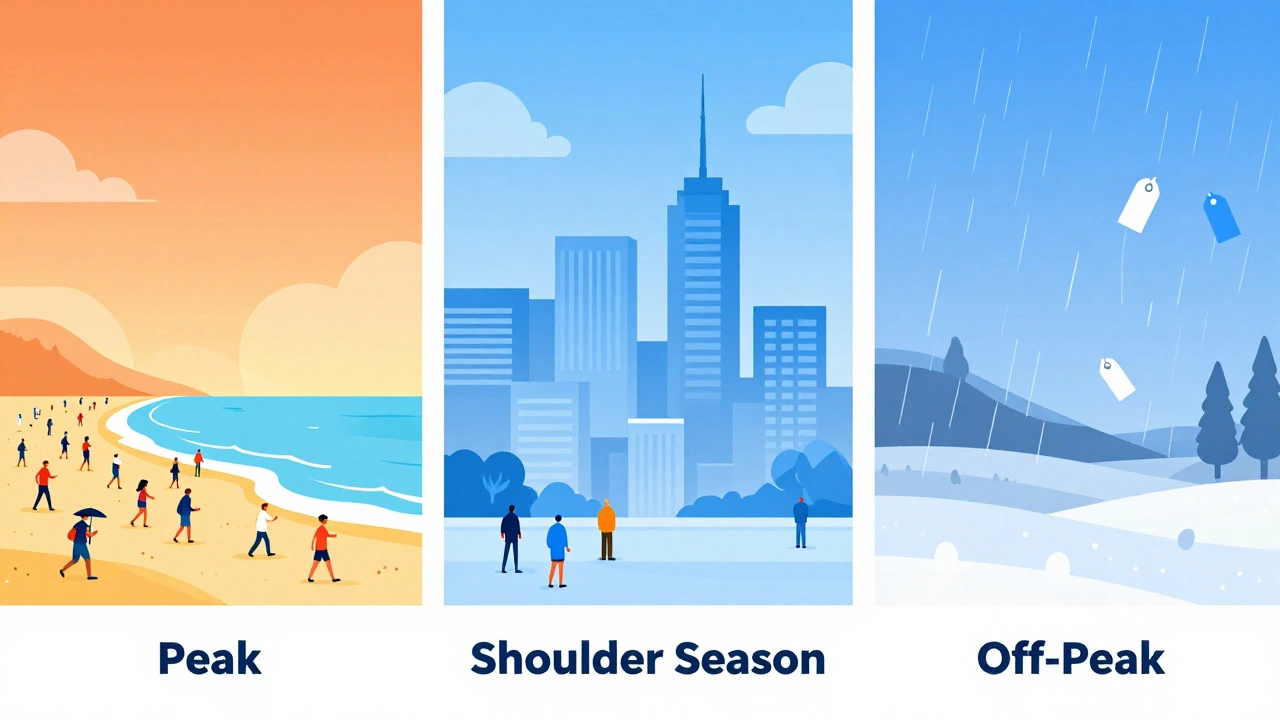
There are three main seasons to consider:
- Peak Season is the period with the highest demand and prices, usually aligned with school holidays and major festivals. This is when families travel, so expect premium rates.
- Shoulder Season is the transition period between peak and off-peak, offering a balance of good weather and lower costs. This is often the sweet spot for smart travelers.
- Off-Peak Season is the time with the lowest demand, resulting in the cheapest fares but potentially less ideal weather.
For example, in Europe, July and August are peak season. But May and September (shoulder season) offer similar weather with significantly lower hotel rates. By shifting your dates by just a few weeks, you can avoid the crowds and save money.
The Global Calendar: When to Go Where
While January is generally the cheapest month worldwide, the best time depends heavily on your destination. Weather patterns and local holidays play a huge role. Let’s break down the best times to visit popular regions.
| Region | Cheapest Months | Weather Consideration |
|---|---|---|
| Europe | January, February, November | Cold and rainy in many areas; fewer daylight hours |
| Southeast Asia | May, June, September, October | Hot and humid; higher chance of rain during monsoon season |
| North America | January, February, late November | Very cold in northern cities; ski resorts may still be busy |
| South America | April, May, November | Mild weather; good for trekking and city tours |
| Australia & New Zealand | May, June, September, October | Autumn and spring; pleasant temperatures without summer crowds |
If you’re flexible with your destination, you can always find a place where it’s cheap and pleasant. For instance, while Europe is freezing in January, Southeast Asia might be experiencing its dry season, making it an attractive alternative.
Avoiding Hidden Price Spikes
Even within the cheapest months, certain dates will cost more. You need to watch out for local holidays and events. For example, traveling to Thailand during Songkran (mid-April) or to Brazil during Carnival (February/March) will mean paying peak prices despite being outside the global high season.
School holidays are another major factor. In countries like the US, UK, and Australia, school breaks drive up demand. Even if it’s not a public holiday, parents often plan trips around their children’s schedules. If you don’t have kids, you have a massive advantage. You can travel during these "family-heavy" periods and enjoy empty attractions, or you can avoid them entirely to save money.
Here are some key dates to avoid if you want the absolute lowest prices:
- Christmas and New Year’s Eve (late December to early January)
- Easter weekend (March or April)
- Summer school holidays (July and August in the Northern Hemisphere)
- Major sporting events like the Olympics or World Cup
By steering clear of these dates, you ensure that you’re not competing with millions of other travelers for limited seats and rooms.
How Far in Advance Should You Book?
Timing your purchase is just as important as choosing the right month. Data from travel aggregators suggests that for domestic flights, booking 1-3 months in advance yields the best prices. For international flights, the window is wider: 2-8 months ahead.
However, last-minute deals do exist. If you’re spontaneous, you might find discounted flights close to departure date because airlines want to fill empty seats. But this is risky. Accommodation prices rarely drop last minute; in fact, they often rise as availability shrinks. So, while you might snag a cheap ticket, you could end up paying a premium for a hotel.
A good rule of thumb is to set price alerts. Most flight search engines allow you to track specific routes. When the price drops, you get notified. This way, you can buy when the market favors you, rather than guessing.

Budget Tips Beyond Timing
Choosing the right month is step one. To maximize your savings, combine this with other budget-friendly strategies. First, be flexible with your airports. Flying into a secondary airport near a major city can sometimes save you 20% or more. For example, flying into Bologna instead of Milan, or Gatwick instead of Heathrow.
Second, consider alternative accommodations. Hotels aren’t the only option. Hostels, guesthouses, and vacation rentals can be much cheaper, especially for longer stays. Some platforms even offer weekly discounts.
Third, eat like a local. Tourist traps near landmarks charge inflated prices. Walk a few blocks away, and you’ll find better food at lower costs. This simple habit can save you dozens of dollars per day.
Finally, use cashback and reward points. Credit cards and travel apps often offer incentives for bookings. If you’re already spending money, why not earn something back? Just make sure you pay off any balances to avoid interest charges.
Is Off-Peak Travel Worth the Trade-Offs?
You might wonder if saving money is worth dealing with bad weather or closed attractions. It depends on what you value. If you prioritize relaxation and solitude, off-peak travel is perfect. You’ll have museums and beaches to yourself. But if you rely on outdoor activities or specific cultural events, check if they’re available during your chosen month.
For example, visiting Iceland in January means shorter days and colder temperatures, but you have a higher chance of seeing the Northern Lights. Visiting in July gives you midnight sun but larger crowds. Both are valid choices; it’s about aligning your trip with your preferences.
Ultimately, the cheapest month to travel is the one that fits your schedule and budget without compromising your enjoyment. With careful planning, you can explore the world without breaking the bank.
What is the absolute cheapest month to fly internationally?
January is typically the cheapest month to fly internationally. After the holiday rush ends, demand drops significantly, leading to lower airfares. February is also very affordable. Avoid December, June, July, and August for the best prices.
Can I find cheap holidays in summer?
It’s harder, but possible. Look for destinations in the Southern Hemisphere, where it’s winter during our summer. Countries like Argentina, Chile, and South Africa offer great deals in June, July, and August. Alternatively, choose less popular European cities that don’t rely solely on beach tourism.
How many days before departure should I book my flight?
For international flights, aim to book 2 to 8 months in advance. For domestic flights, 1 to 3 months is ideal. Booking too early or too late can result in higher prices. Use price tracking tools to monitor fluctuations and buy when prices dip.
Are mid-week flights really cheaper?
Yes, flying on Tuesdays and Wednesdays is often cheaper than weekends. Business travelers usually fly on Mondays and Fridays, driving up prices. Leisure travelers prefer weekends. Mid-week flights have lower demand, so airlines offer discounts to fill seats.
What is shoulder season travel?
Shoulder season refers to the periods just before or after peak travel season. For example, in Europe, this is spring (April-May) and autumn (September-October). You get milder weather, fewer tourists, and lower prices compared to summer, making it an excellent time for budget-conscious travelers.