
Family Holiday Cost Estimator
Plan your trip smarter. Enter your family details and duration to see estimated costs for top budget-friendly destinations.
| Destination | Avg Daily Cost (Family) | Total Trip Estimate | Value Rating |
|---|
💡 Budget Tip
Traveling in shoulder season (May, June, Sept, Oct) can reduce costs by 30-50% compared to peak summer months.
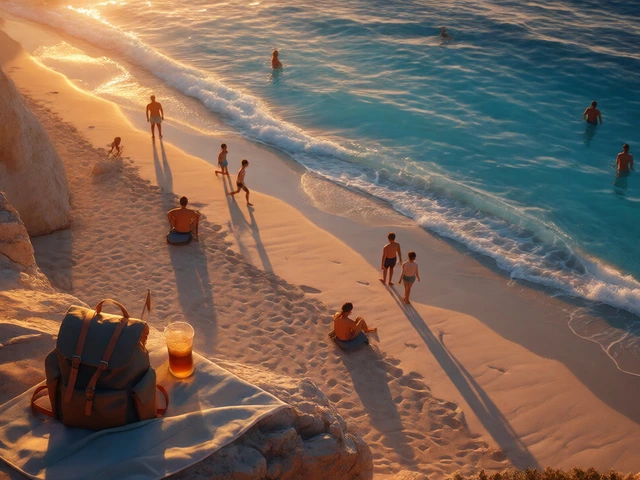
Staring at your bank account after booking flights can feel like a punch to the gut. You want memories, not a mortgage-sized bill. But here is the good news: you don't need to sell a kidney to enjoy a cheap family holiday. The world has plenty of spots where $50 buys a feast, and kids run free on safe beaches or ancient ruins. The trick isn't just finding cheap flights; it's picking a destination where daily costs stay low once you land.
Why Daily Costs Matter More Than Flights
Most families make the same mistake. They hunt for the cheapest airfare to Europe, then get hit by $15 coffees and €40 hotel rooms for three people. A flight saving of $200 vanishes in two days if your daily burn rate is high. When planning a budget trip, calculate the "cost per person per day." This includes accommodation, food, local transport, and activities. If this number stays under $70-$80 for a family of four, you are in green territory. That means looking beyond Western Europe and North America to regions with favorable exchange rates and lower labor costs.
Southeast Asia: The King of Value
If you want maximum bang for your buck, Southeast Asia remains unbeatable. Countries like Vietnam, a Southeast Asian nation known for its rich history, diverse landscapes, and extremely low cost of living, and Thailand, a tropical country famous for its beaches, royal palaces, ornate temples, and vibrant street life offer luxury experiences at backpacker prices. In Vietnam, a private tour guide might cost $30 for the whole family, while a meal at a local restaurant averages $2-$3 per person. Accommodation is surprisingly affordable; you can find clean, air-conditioned hotels with pools for $40-$60 a night.
Thailand adds ease of travel to the mix. It’s tourist-friendly, English is widely spoken in hubs, and the infrastructure handles families well. Islands like Krabi or Koh Samui have calm waters suitable for young children. While popular spots get pricier, stepping slightly off the main tourist trail drops costs significantly. For instance, eating where locals eat rather than at beachfront resorts cuts food bills by 70%.
Eastern Europe: Culture Without the Price Tag
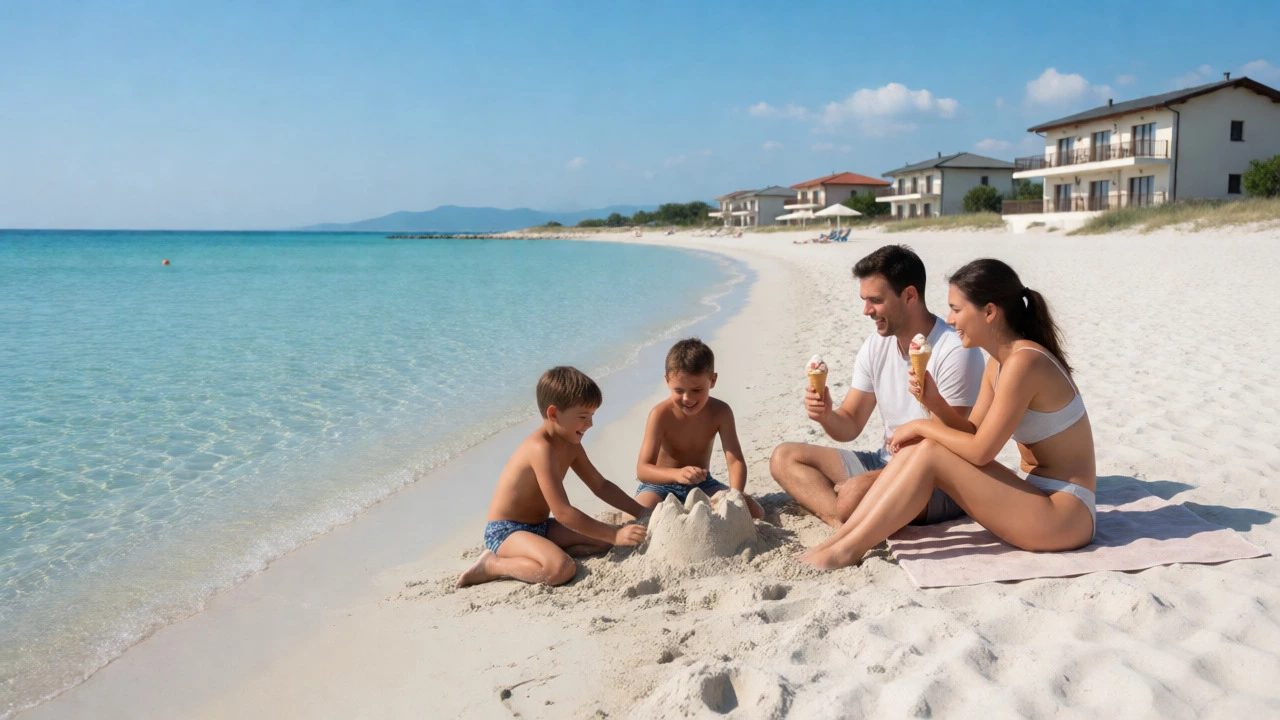
For families wanting European charm without Parisian prices, Eastern Europe is a goldmine. Bulgaria, a Balkan country offering Black Sea resorts, ski slopes, and historic towns at very low costs and Romania, a country in Central Europe featuring medieval castles, Carpathian mountains, and affordable urban centers are standouts. Bulgaria’s Black Sea coast offers all-inclusive resorts that rival Caribbean packages but cost half as much. A week-long stay for a family of four often totals less than $1,500 including meals and drinks.
Romania offers adventure. Kids love the legend of Dracula, and Bran Castle delivers the chills. Bucharest provides grand architecture and museums that are often free or very cheap for children. Public transport is reliable and inexpensive. A metro ride costs around $0.50. Compare this to London or New York, where a single tube or subway ticket can exceed $3. The difference over ten rides adds up fast.
| Destination | Accommodation | Food & Drink | Transport & Activities | Total Daily Estimate |
|---|---|---|---|---|
| Vietnam | $50 | $40 | $30 | $120 |
| Bulgaria | $60 | $50 | $20 | $130 |
| Mexico | $80 | $60 | $40 | $180 |
| Portugal | $120 | $80 | $50 | $250 |
| France | $180 | $120 | $80 | $380 |
Mexico and Central America: Proximity Pays Off
If you live in North America, flying far away eats into your budget before you even start spending. Mexico remains one of the most accessible options. Beyond the pricey Cancun strip, places like Oaxaca, Merida, or Puerto Escondido offer authentic culture and stunning beauty at a fraction of the cost. Street tacos cost pennies. Local buses connect cities for under $10. Families can explore Mayan ruins, swim in cenotes (natural sinkholes), and relax on uncrowded beaches.
Guatemala and Belize also shine. Lake Atitlán in Guatemala features colorful villages and volcanic views. Costs are incredibly low, though safety requires more vigilance than in resort zones. Belize offers the second-largest barrier reef in the world. While island stays can be pricey, staying on the mainland near Placencia keeps budgets manageable while still providing easy access to snorkeling tours.
Turkey: A Bridge Between Worlds
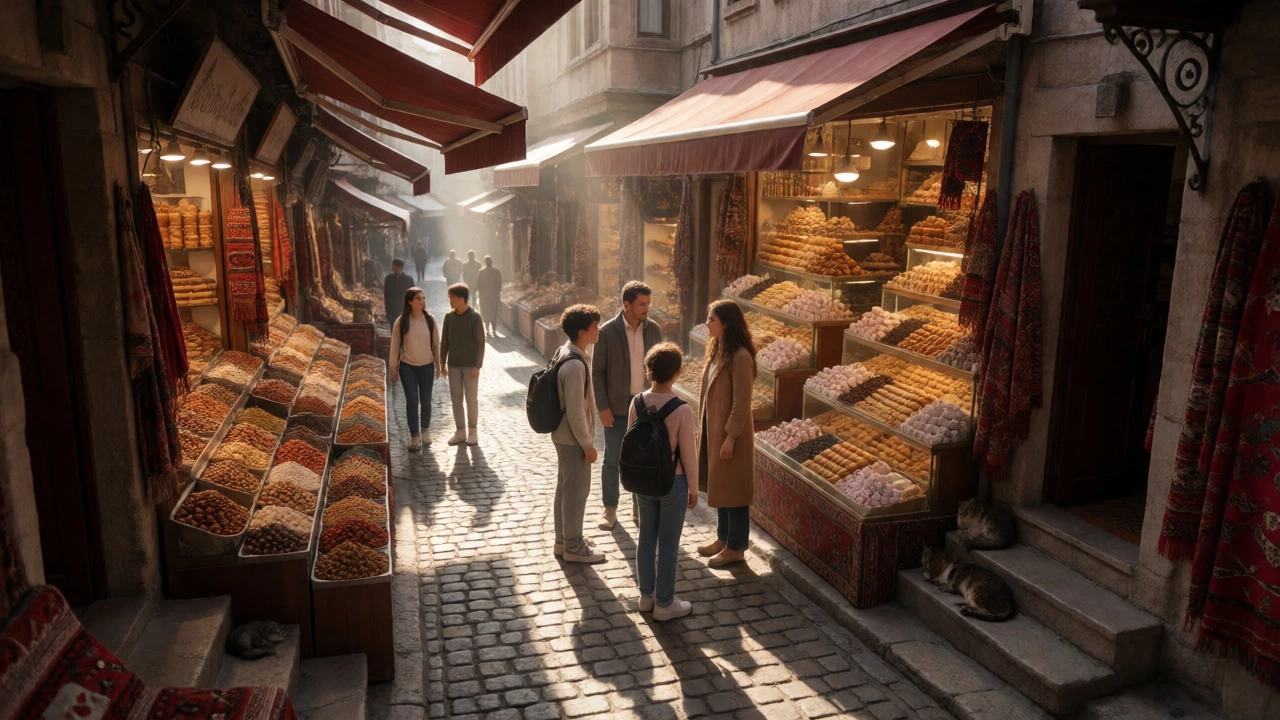
Turkey, a transcontinental country spanning Europe and Asia, known for its rich Ottoman history, stunning coastline, and competitive pricing deserves serious consideration. The currency fluctuations in recent years have made Turkey exceptionally attractive for foreign tourists. Istanbul offers a sensory overload for kids-boat cruises on the Bosphorus, bustling bazaars, and cat-filled streets. Aegean towns like Fethiye or Dalyan provide turquoise waters and boat trips that are affordable compared to Greek islands just across the sea.
Food in Turkey is a highlight. Mezze platters, grilled meats, and fresh baklava satisfy picky eaters and adventurous parents alike. A lavish dinner for four rarely exceeds $40-$50. Taxis are cheaper than in Western Europe, though always insist on using the meter. Domestic flights within Turkey are frequent and reasonably priced, allowing you to combine city culture with beach relaxation efficiently.
How to Keep Costs Down Regardless of Destination
Picking the right place is half the battle. Managing your money is the other half. Here are practical tactics that actually work:
- Travel Shoulder Season: Avoid July and August. Go in May, June, September, or October. Prices drop by 30-50%, and crowds thin out. Weather is often better too.
- Book Accommodation with Kitchens: Eating out every meal drains funds. Renting an apartment or villa lets you buy groceries. Breakfast and lunch become cheap staples, leaving budget for nice dinners.
- Use Local Transport: Skip taxis and rental cars when possible. Trains and buses are slower but cost a tenth as much. Kids often enjoy the journey itself.
- Look for Free Attractions: Parks, beaches, old town walks, and markets cost nothing. Many museums offer free entry for children under 12 or specific weekdays.
- Set a Daily Cash Limit: Withdraw a set amount each morning. When it’s gone, no more spending until tomorrow. This prevents credit card shock at home.
Hidden Gems Worth Checking Out
If you want to go off the beaten path, consider Albania. Often called the "Maldives of Europe," its Albanian Riviera features crystal-clear water and white sands. Prices are among the lowest in Europe. A pizza costs $3, and guesthouses are friendly and cheap. Just ensure you have international driving permits if renting a car, as roads can be winding.
Georgia, the country in the Caucasus, is another sleeper hit. Tbilisi is quirky, artistic, and safe. Food is hearty and delicious-think cheese breads and walnut sauces. Wine tours are affordable and fun for adults. Nature hikes are free. The hospitality is legendary; locals will likely feed you if you look hungry.
Final Thoughts on Budget Travel
A cheap holiday doesn’t mean a bad holiday. It means being smart about where your money goes. By choosing destinations with strong purchasing power parity, you gain more freedom. You can afford spontaneous ice cream cones, extra museum tickets, or a fancy last-night dinner. Focus on experiences, not things. Talk to locals. Walk everywhere. Let your kids lead the way sometimes. These moments cost little but remember forever.
Is it safe to travel to these cheap destinations with children?
Yes, generally. Places like Thailand, Portugal, and Croatia are very safe for families. Always check current government travel advisories for specific regions. Stick to well-touristed areas initially, use common sense regarding traffic and water hygiene, and keep copies of important documents. Health insurance covering medical evacuation is highly recommended for remote areas.
Do I need vaccinations for Southeast Asia?
Routine vaccines should be up to date. Hepatitis A and Typhoid are commonly recommended for most travelers due to food and water risks. Malaria prophylaxis may be needed depending on the specific region and time of year. Consult a travel medicine clinic 4-6 weeks before departure for personalized advice based on your itinerary.
What is the best time to book flights for cheap family holidays?
For international flights, booking 2-3 months in advance is usually optimal. Use fare alert tools to track prices. Flying mid-week (Tuesday/Wednesday) is often cheaper than weekends. Consider alternative airports nearby if they offer significant savings. Remember that baggage fees can add up quickly for a family, so factor those into the total flight cost.
Are all-inclusive resorts really cheaper?
Not always. All-inclusives can be great value if you plan to eat and drink heavily on-site. However, if you prefer exploring local restaurants and markets, paying separately for meals often costs less and provides a richer cultural experience. Calculate the break-even point: if local meals are $5 and the resort charges $100/day for food/drink, you’d need to consume $100 worth of amenities daily to justify the package.
How do I handle currency exchange abroad?
Avoid exchanging money at airports, as rates are poor. Use ATMs from major banks to withdraw local currency, checking your bank’s international fee structure first. Credit cards with no foreign transaction fees are excellent for larger purchases. Always pay in local currency when offered by card terminals to avoid dynamic currency conversion markups.