Holiday Time Perception Simulator
Why does Christmas fly by? Use this tool to simulate how different behaviors affect your subjective experience of the holiday duration.
How it Works
This simulator uses principles from the article:
- • Novelty: More new experiences = richer memories = feels shorter in hindsight but longer in detail.
- • Mindfulness: Less distraction = better encoding = feels slower in the moment.
- • Decisions: More choices = autopilot = faster subjective passage.
You blink, and suddenly the turkey is carved, the gifts are unwrapped, and January feels like it’s already breathing down your neck. It’s a universal frustration: Christmas seems to evaporate in the span of a few days, while the weeks leading up to December 25th drag on forever. Why does this happen? Is it just your imagination, or is there something deeper at play in how our brains process the festive season?
The answer lies in a mix of neuroscience, psychology, and the specific way we structure our modern holidays. We aren’t actually experiencing less time; we’re processing it differently. When you understand the mechanics behind this "holiday speed" phenomenon, you can stop fighting it and start enjoying the moments that matter. Let’s break down exactly why the clock seems to accelerate when tinsel goes up.
Your Brain Deletes Routine Memories
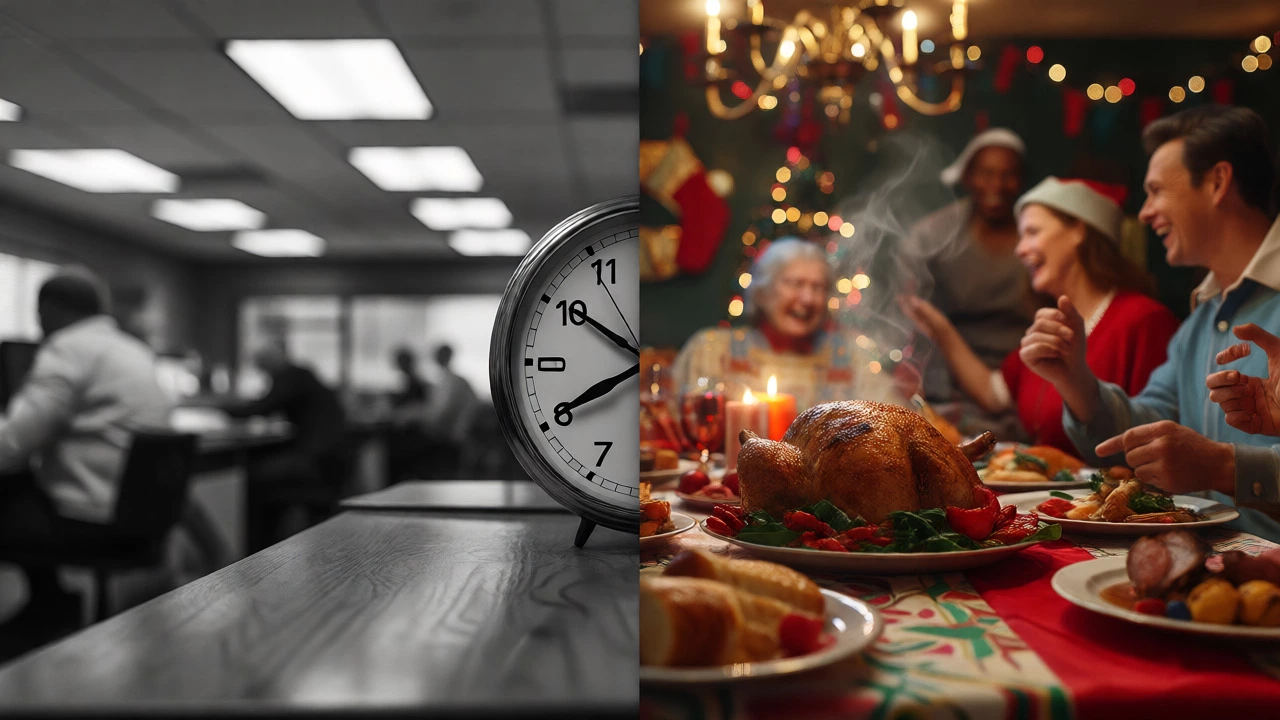
Think about your last Tuesday at work. You probably can’t remember much about it, right? Now think about your last birthday party. You likely remember the cake, the songs, maybe even the weather. This difference comes down to how your brain stores memories. Your brain is an efficiency machine. It filters out repetitive, mundane events because they don’t require new learning. These routine days blend together into a single, blurry block of time.
Christmas, however, is packed with novel experiences. You’re visiting relatives you haven’t seen in months, eating foods you only eat once a year, and engaging in rituals that break your daily pattern. Because these events are unique, your brain records them in high definition. But here’s the twist: when you look back on the period *after* the fact, the density of those memories makes the actual duration feel shorter. You have so many distinct markers in such a short window that your mind compresses the timeline. It’s like watching a movie trailer versus a full feature film-the trailer has more memorable hits per minute, making it feel richer but fleeting.
The Anticipation Trap
There’s a well-documented psychological concept called "hedonic adaptation," but let’s call it what it really is: the anticipation trap. For weeks before December 25th, you are mentally living in the future. You’re planning menus, buying gifts, and imagining the perfect family gathering. During this prep phase, your attention is split between the present moment (which is often stressful) and the future event (which is idealized).
Once Christmas Day actually arrives, the anticipation vanishes. You are finally "in" the moment, but because you spent so much energy projecting forward, the arrival feels abrupt. There’s no buildup left to sustain the feeling of expansion. Psychologists note that time feels slower when we are waiting for something we desire, but once the desire is fulfilled, the dopamine hit fades quickly, and the clock resets to normal-or even speeds up due to the post-holiday crash.
Decision Fatigue Steals Your Focus
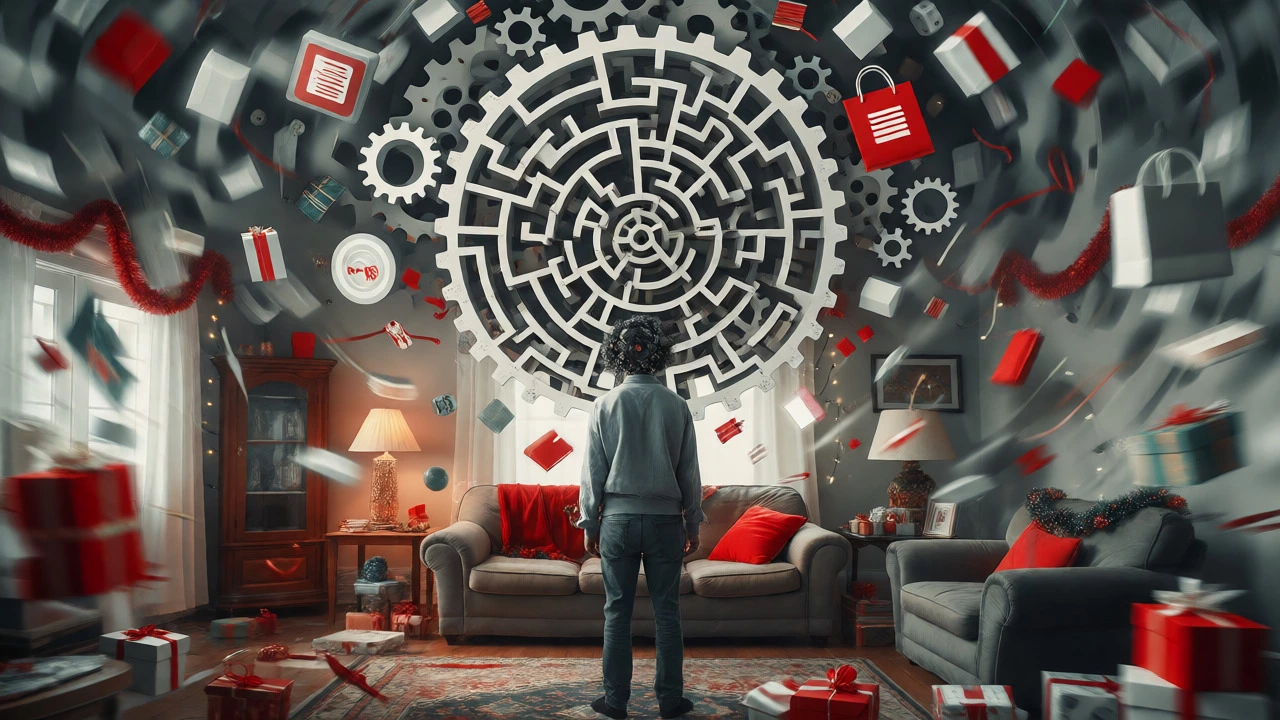
Have you ever noticed that days where you make hundreds of small decisions feel longer, while days where someone else plans everything feel shorter? Christmas is a marathon of micro-decisions. What to cook? Who gets which gift? How to decorate? Which route to take to avoid traffic? Each decision consumes cognitive energy, a resource known as glucose in the brain.
When your prefrontal cortex is overloaded with logistical choices, it stops paying close attention to the passage of time. You go into "autopilot mode." In autopilot, you aren’t actively observing your surroundings; you’re executing tasks. Since active observation is key to forming detailed time-stamps in memory, autopilot days feel like they vanish. You wake up, you’re cooking, you’re cleaning, you’re serving, and suddenly it’s bedtime. You didn’t experience the day; you survived it.

Social Comparison and Digital Distraction
In 2026, Christmas isn’t just happening in your living room; it’s happening on your screen too. Social media creates a distorted sense of time through curated highlights. You see friends’ perfect dinners, exotic trips, and flawless outfits. This triggers social comparison, which increases anxiety and reduces presence.
When you’re scrolling through Instagram while sitting at the dinner table, you’re not fully engaged in the conversation or the taste of the food. You’re multitasking. Studies on attention suggest that divided attention leads to faster subjective time passing. If you’re half-present, you’re losing half the memory encoding. The result? A holiday that feels like a blur of notifications rather than meaningful connection.
How to Slow Down the Clock
You can’t change the physics of time, but you can hack your perception of it. Here are three practical strategies to make Christmas feel substantial rather than swift.
- Create Novelty: Do one thing differently every day during the holiday week. Visit a new park, try a recipe from a different culture, or listen to music you’ve never heard. Novelty forces your brain to pay attention, creating more distinct memory anchors.
- Practice Mindful Pauses: Set aside five minutes each day where you do nothing. No phone, no talking, no planning. Just sit and observe. This breaks the autopilot cycle and gives your brain a chance to timestamp the moment.
- Reduce Decision Load: Pre-plan everything possible. Buy gifts online, prep meals two days ahead, and set strict time limits for shopping. The fewer decisions you make in real-time, the more mental bandwidth you have to actually enjoy the experience.
Is it true that time actually passes faster as we get older?
Yes, this is a widely accepted theory in psychology. As children, every day is filled with new firsts-first day of school, first bike ride, first snow. These novel experiences stretch our perception of time. As adults, life becomes more routine, and the proportion of new experiences decreases. Consequently, a year feels like a smaller fraction of our total life experience, making it seem like time accelerates. Christmas amplifies this because it is a rare burst of novelty in an otherwise routine adult life.
Why does the preparation phase feel so long?
The preparation phase often feels long because it is filled with low-novelty, high-effort tasks like shopping, cleaning, and wrapping. These tasks are tedious and repetitive, causing boredom. Boredom makes time feel slow because we are hyper-aware of the clock ticking. Additionally, the gap between effort and reward creates a sense of waiting, which psychologically stretches time.
Does drinking alcohol affect how fast Christmas feels?
Alcohol can impair memory formation, particularly in the hippocampus, the part of the brain responsible for encoding new memories. If you drink moderately to heavily during Christmas gatherings, you may lose chunks of memory or find that events blend together. This lack of distinct memory markers makes the period feel shorter in retrospect because there are fewer clear reference points to measure against.
How can I make next Christmas feel longer?
Focus on quality over quantity. Instead of trying to cram in more activities, choose one or two meaningful interactions and be fully present for them. Limit screen time, engage in deep conversations, and step outside for fresh air. By reducing distractions and increasing mindfulness, you create stronger memory traces, which will make the holiday feel more substantial when you look back on it.
Is the "holiday blues" related to time perception?
Yes. The sudden drop in stimulation after Christmas ends can lead to a contrast effect. The high-energy, high-novelty environment of the holidays contrasts sharply with the quiet, routine nature of early January. This abrupt shift can make the holiday period seem like a fleeting dream, emphasizing its brevity. Managing expectations and easing back into routine gradually can help mitigate this jarring transition.