Adventure Holiday Matcher
Answer three quick questions to find the best adventure destination for you based on our 2026 guide.
You want to feel your heart pound against your ribs. You want to wake up somewhere that doesn't have a cell signal and end the day with mud on your boots or salt in your hair. But where do you actually go? The internet is flooded with generic lists telling you to "go outside," but that doesn't help when you're trying to book flights for next summer.
Choosing an adventure holiday isn't just about picking a pretty picture. It's about matching your fitness level, budget, and risk tolerance to a specific landscape. Are you looking for high-altitude trekking that requires weeks of training? Or do you want accessible adrenaline like zip-lining through a canopy? This guide breaks down the top contenders for 2026, cutting through the noise to tell you exactly what it’s like to be there.
Nepal: The Gold Standard for Trekking
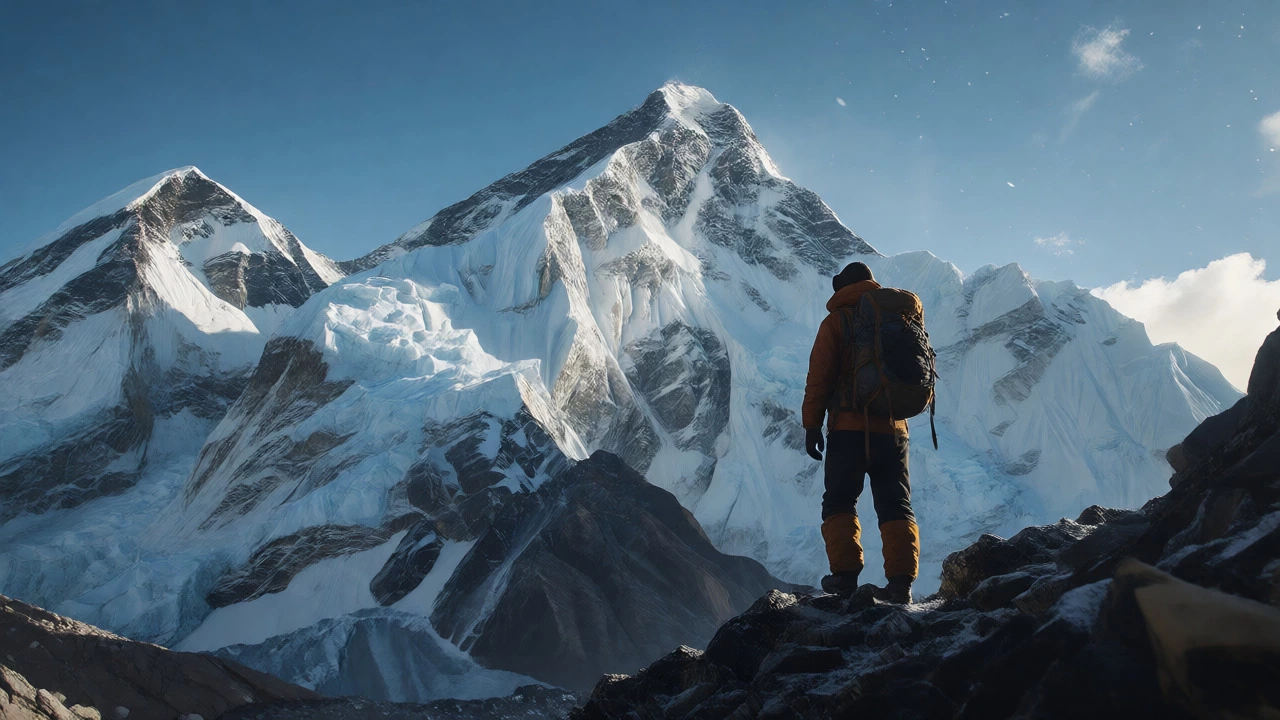
If you ask serious hikers where they want to go, most will say Nepal before they finish their sentence. Why? Because it offers the highest peaks on Earth, including Mount Everest, which stands at 8,849 meters. But you don't need to summit Everest to have a life-changing trip. The Annapurna Circuit and the Everest Base Camp trek are well-established routes with tea houses every few miles, meaning you can sleep indoors and eat hot dal bhat after walking ten hours.
The catch? Altitude sickness is real and dangerous. You cannot rush this trip. Most itineraries now include acclimatization days, which extend the trip to two or three weeks. If you’re short on time, consider lower-altitude options in the Langtang Valley, but understand that you are trading elevation for accessibility.
New Zealand: Adrenaline Without the Extreme Isolation
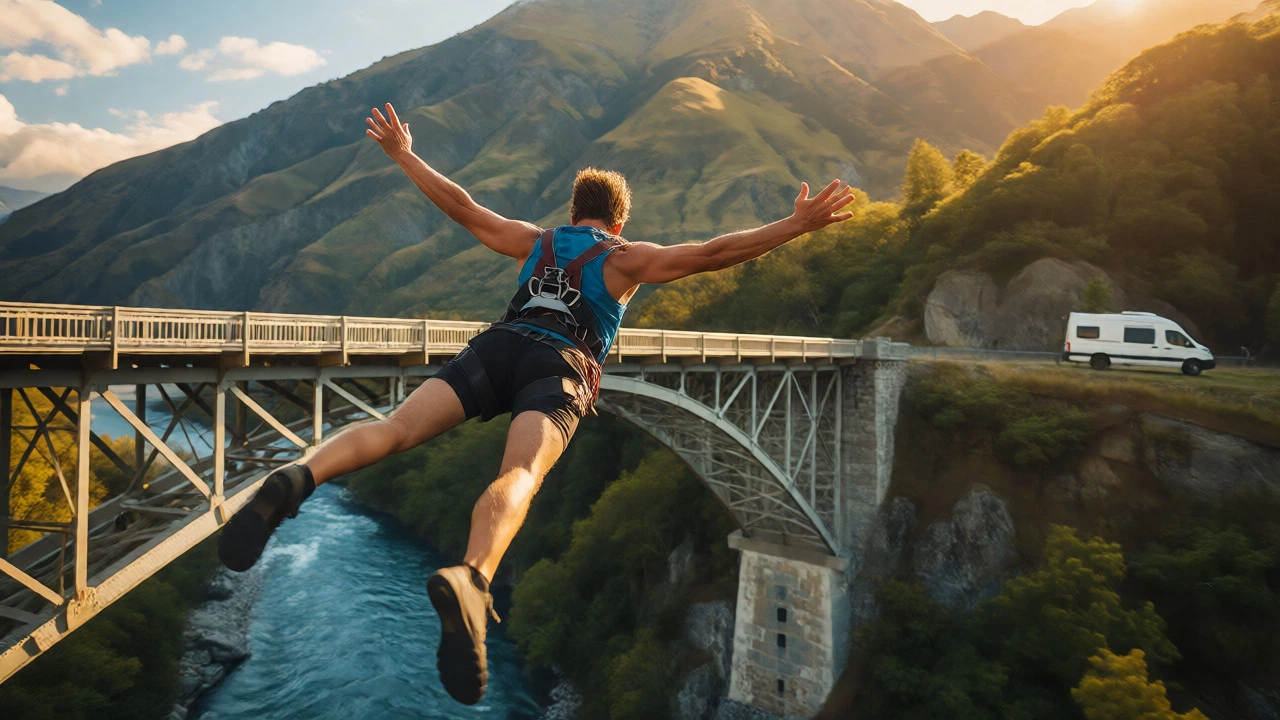
New Zealand is often called the adventure capital of the world, and for good reason. Queenstown, located on the South Island, invented commercial bungy jumping. Today, you can skydive, jet boat through narrow canyons, or hike the Routeburn Track-all within a few hours of each other. The infrastructure here is fantastic. Roads are paved, safety standards are rigorous, and you can easily rent a camper van to explore at your own pace.
This destination suits those who want variety without committing to one intense activity. You can hike during the day and enjoy craft beer in the evening. However, it is expensive. Flights from Europe or North America are long and costly, and daily expenses for activities add up quickly. Budget at least $150-$200 USD per day if you plan to do multiple paid adventures.
Costa Rica: Biodiversity Meets Surfing
For travelers who want greenery, wildlife, and water sports, Costa Rica is hard to beat. It packs rainforests, volcanoes, and coastlines into a small country. You can white-water raft on the Pacuare River in the morning and surf in Tamarindo by afternoon. The biodiversity is staggering; you might see sloths, toucans, and howler monkeys on a single trail walk.
The climate is tropical, so humidity is high year-round. Dry season (December to April) is peak tourist time, meaning higher prices and crowded beaches. Green season (May to November) offers discounts and fewer people, but expect daily afternoon rains. This is ideal for families or groups with mixed fitness levels because many tours offer scalable difficulty levels.
Iceland: Fire, Ice, and Raw Landscapes
Iceland feels like another planet. Glaciers, black sand beaches, active volcanoes, and geothermal hot springs create a landscape unlike anywhere else. Hiking here is unique because much of the interior is uninhabited wilderness. The Laugavegur Trail is a popular multi-day trek that takes you through colorful rhyolite mountains and ice caves.
Weather is the biggest variable. In winter, daylight lasts only four to five hours, and storms can close roads unexpectedly. Summer offers midnight sun, allowing for late-night hikes, but wind speeds remain unpredictable. Gear matters more here than almost anywhere else. Waterproof layers are non-negotiable. Also, note that wild camping is restricted in many areas to protect fragile moss ecosystems.
South Africa: Big Five Safaris and Shark Cage Diving
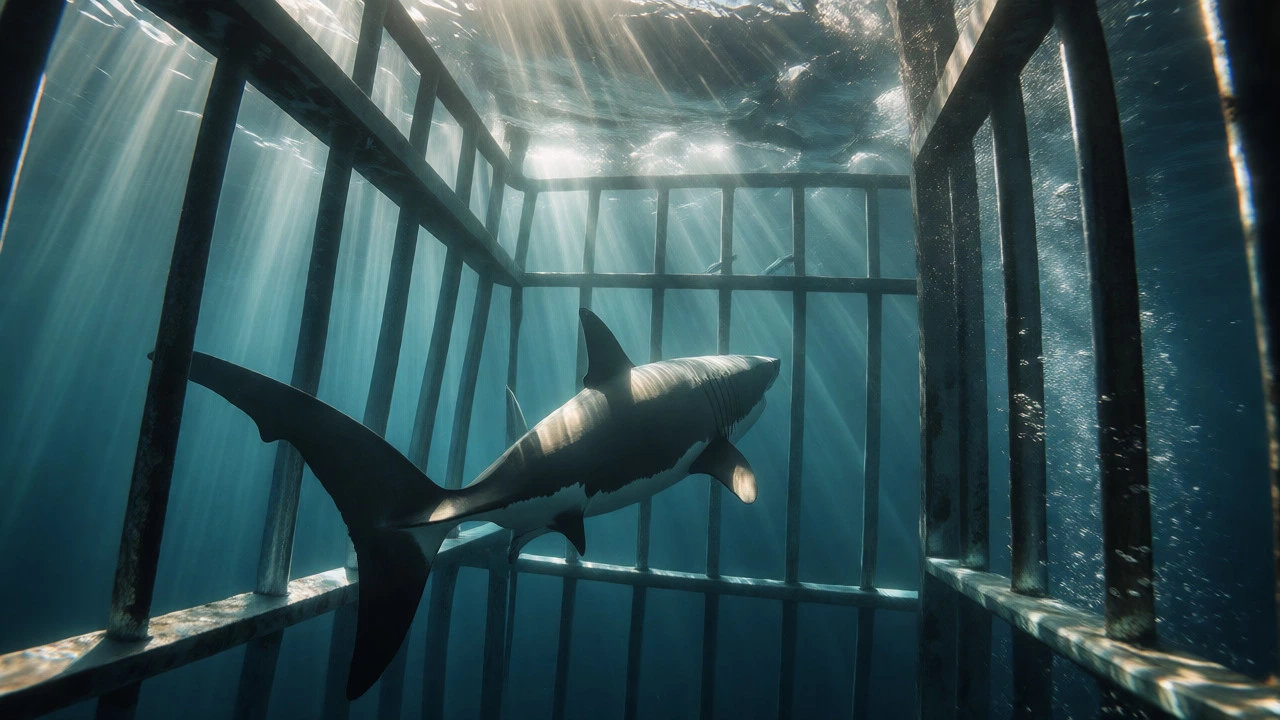
Adventure doesn’t always mean physical exertion. Sometimes it means proximity to danger. South Africa offers world-class safari experiences in Kruger National Park, where you can track lions, elephants, leopards, rhinos, and buffalos. For thrill-seekers, Gansbaai provides great white shark cage diving. You get into a steel cage, drop into the water, and watch these apex predators circle below you.
Shark diving depends heavily on weather and visibility. It’s not guaranteed every day, so build extra days into your itinerary. Safari lodges range from luxury tented camps to self-drive options. Self-driving is cheaper but requires patience and knowledge of animal behavior. Guided tours cost more but significantly increase your chances of spotting rare animals.
How to Choose Your Destination
Picking the right spot comes down to three factors: time, money, and physical readiness. Use this table to compare the top contenders based on typical costs and requirements.
| Destination | Primary Activity | Physical Demand | Avg. Daily Cost (USD) | Best Time to Visit |
|---|---|---|---|---|
| Nepal | Trekking/High Altitude | High | $30 - $80 | Oct-Nov, Mar-May |
| New Zealand | Mixed (Hiking, Water Sports) | Medium | $150 - $250 | Dec-Feb (Summer) |
| Costa Rica | Rainforest/Surfing | Low-Medium | $80 - $150 | Dec-Apr (Dry) |
| Iceland | Hiking/Glacier Walks | Medium-High | $120 - $200 | Jun-Aug |
| South Africa | Safari/Shark Diving | Low-Medium | $100 - $300 | May-Sep (Dry) |
Common Pitfalls to Avoid
First, underestimating logistics. In remote areas like Patagonia or the Himalayas, transport delays are common. Don’t schedule a flight out of Kathmandu the morning after your trek ends. Give yourself buffer days.
Second, ignoring insurance. Standard travel insurance often excludes activities like rock climbing, scuba diving, or skiing above certain altitudes. Read the fine print. You need specialized adventure coverage that explicitly lists your planned activities.
Third, packing too light or too heavy. In cold climates like Iceland, wet clothes are dangerous. Pack synthetic or wool layers, never cotton. In tropical zones like Costa Rica, breathable fabrics prevent heat rash. Always test your gear before the big trip.
Final Thoughts on Booking
The best adventure holiday is the one that matches your current life stage. If you’re recovering from burnout, maybe you don’t need to summit a volcano. Maybe you just need to swim in a waterfall. Be honest with yourself about your energy levels. Book early for popular seasons-flights to New Zealand and permits for Nepal sell out months in advance. And remember, the goal isn’t just to tick a box. It’s to come home with stories that make you smile when you’re stuck in traffic.
Do I need special insurance for adventure holidays?
Yes, standard travel insurance often excludes high-risk activities like trekking above 4,000 meters, scuba diving, or motorbike riding. Always purchase specialized adventure travel insurance that covers medical evacuation and specifically lists your planned activities.
Which adventure destination is best for beginners?
Costa Rica and New Zealand are excellent for beginners. Both offer well-marked trails, reliable infrastructure, and guided tours that cater to various fitness levels. Unlike Nepal or Iceland, you don't need extensive prior experience or extreme physical conditioning to enjoy them.
What is the cheapest adventure holiday option?
Nepal is generally the most affordable once you arrive, with tea-house treks costing as little as $30-$50 per day including food and lodging. Southeast Asian countries like Vietnam or Laos also offer low-cost trekking and kayaking opportunities, though flights may be pricier depending on your origin.
When is the best time to visit Nepal for trekking?
The pre-monsoon season (March to May) and post-monsoon season (September to November) offer the clearest skies and stable weather. These are peak times, so book accommodations early. Winter trekking is possible but colder, while monsoon season brings heavy rain and landslide risks.
Is New Zealand expensive for an adventure trip?
Yes, New Zealand is relatively expensive compared to Asia or South America. Accommodation, fuel, and activity fees add up. To save money, consider camping instead of hotels, cooking your own meals, and choosing free activities like hiking over paid ones like bungy jumping.