
UK Travel Mode Selector
Train
Recommended ModeTrains are the backbone of UK travel, offering the best balance of speed and comfort for city-to-city journeys.
Other Options Considered:
Select your destination and priority to get a personalized recommendation.
Imagine standing at a bustling London station, clutching a ticket you don't fully understand, while a train departs without you. It’s a nightmare scenario that happens more often than tourists like to admit. The United Kingdom is compact but complex when it comes to movement. You have high-speed rail networks, ancient canal boats, gritty city buses, and scenic coastal ferries all competing for your attention.
The "best" way to get around isn’t one single method. It depends entirely on whether you are chasing budget savings, scenic views, or raw speed. If you try to use one mode of transport for everything, you will either overspend or lose hours in traffic. This guide breaks down the reality of moving through England, Scotland, Wales, and Northern Ireland so you can plan with confidence.
Trains: The Backbone of UK Travel
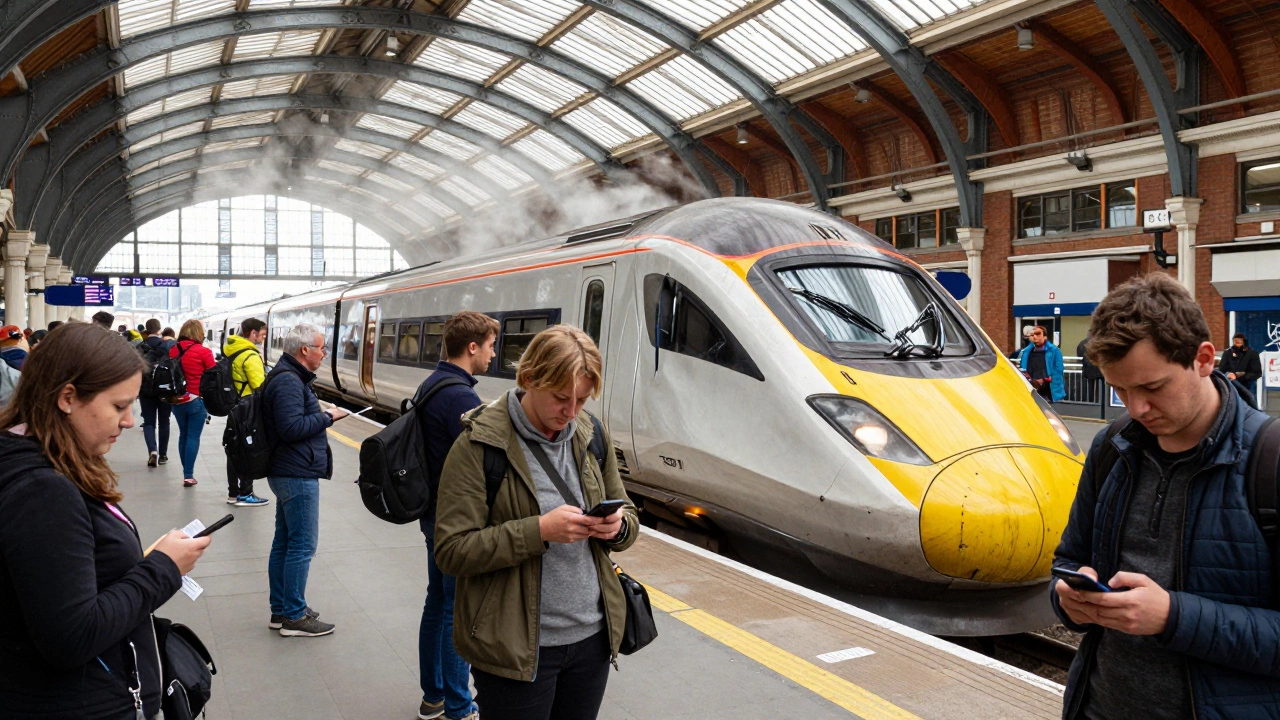
For most international visitors, National Rail is the primary intercity transport network connecting major cities across Great Britain. It is fast, comfortable, and covers distances that would take forever by car due to congestion. However, it is also notoriously expensive if you buy tickets last minute.
The key to train travel in the UK is timing. Train operators use dynamic pricing, similar to airlines. A ticket from London to Edinburgh bought three months in advance might cost £30. That same ticket bought an hour before departure can exceed £150. Always book early. Use aggregator sites like Trainline or Direct Trains to compare prices across different operators.
You should also know about railcards. If you are traveling in pairs, the Two Together Railcard is a discount card offering one-third off standard rail fares for two named adults traveling together. It costs £30 for a year. If you save just £10 per trip, it pays for itself quickly. For solo travelers, the 16-25 Railcard is an option if you fit the age bracket, though many older tourists miss out because they assume it’s only for students. It’s not; it’s for anyone under 26.
High-speed services like Avanti West Coast and LNER offer premium comfort but come at a premium price. First Class seats provide more legroom, free Wi-Fi, and complimentary drinks, which can be worth it for long journeys over four hours. For shorter hops, Standard Class is perfectly adequate.
Buses and Coaches: The Budget Alternative
If trains break your bank account, look to the coach. National Express is the largest coach operator in the UK, providing long-distance bus services between cities and towns. Their competitors include Megabus and FlixBus. These services are significantly slower than trains-London to Manchester takes about 4 hours by train but nearly 7 hours by coach-but they can be up to 80% cheaper.
Coaches are ideal for overnight travel. You can sleep on the bus, saving on a night’s accommodation. The seats recline, there is air conditioning, and usually free Wi-Fi (though signal strength varies). Just pack light; luggage space is limited compared to trains.
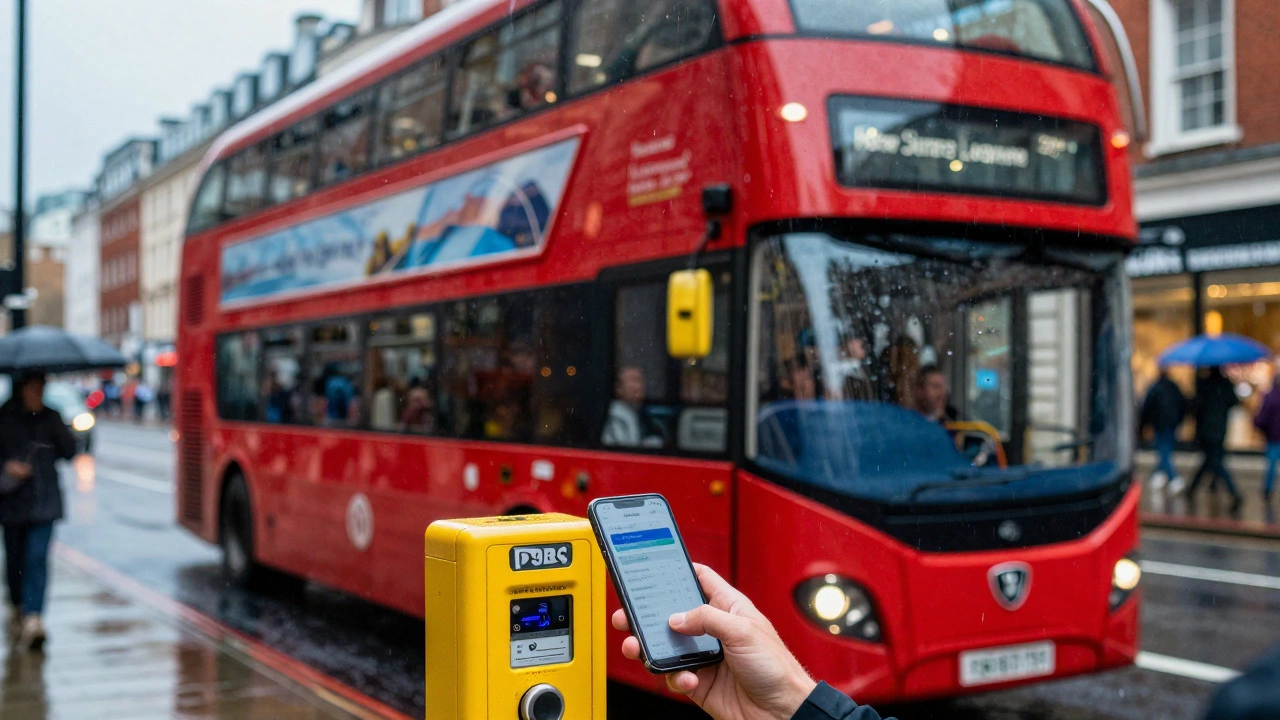
Within cities, local buses are essential. In London, the iconic red double-decker buses run 24/7 on many routes. You do not need to buy paper tickets. Simply tap your contactless bank card or mobile phone on the yellow reader when boarding. There is no cash payment. The daily cap ensures you never pay more than a certain amount regardless of how many times you ride. Other cities like Manchester, Birmingham, and Glasgow have similar contactless systems now, making physical Oyster cards or single-use tickets obsolete for most tourists.
Renting a Car: Freedom vs. Frustration
Driving in the UK means driving on the left. For many Americans, Australians, and South Africans, this feels natural. For Europeans and Asians, it requires intense focus. Beyond the side of the road, the real challenge is infrastructure. Narrow country lanes in Cornwall or the Lake District can feel claustrophobic. City centers in London, Oxford, and Cambridge have Congestion Charges or Ultra Low Emission Zones (ULEZ) that charge daily fees for entering specific areas unless your car meets strict emissions standards.
Renting a car makes sense if you are exploring rural regions like the Scottish Highlands, the Yorkshire Dales, or the Cotswolds. Public transport here is sparse. A train might take you to a nearby town, but getting to the actual hiking trail or cottage pub often requires a walk or a taxi.
If you rent, choose a small car. Parking spaces are tiny. Automatic transmissions are available but cost more and are harder to find in smaller agencies. Manual cars are the norm. Ensure your rental includes comprehensive insurance that covers theft and damage, as basic policies often have high excess fees.
Ferries: Connecting Islands and Cross-Border Trips
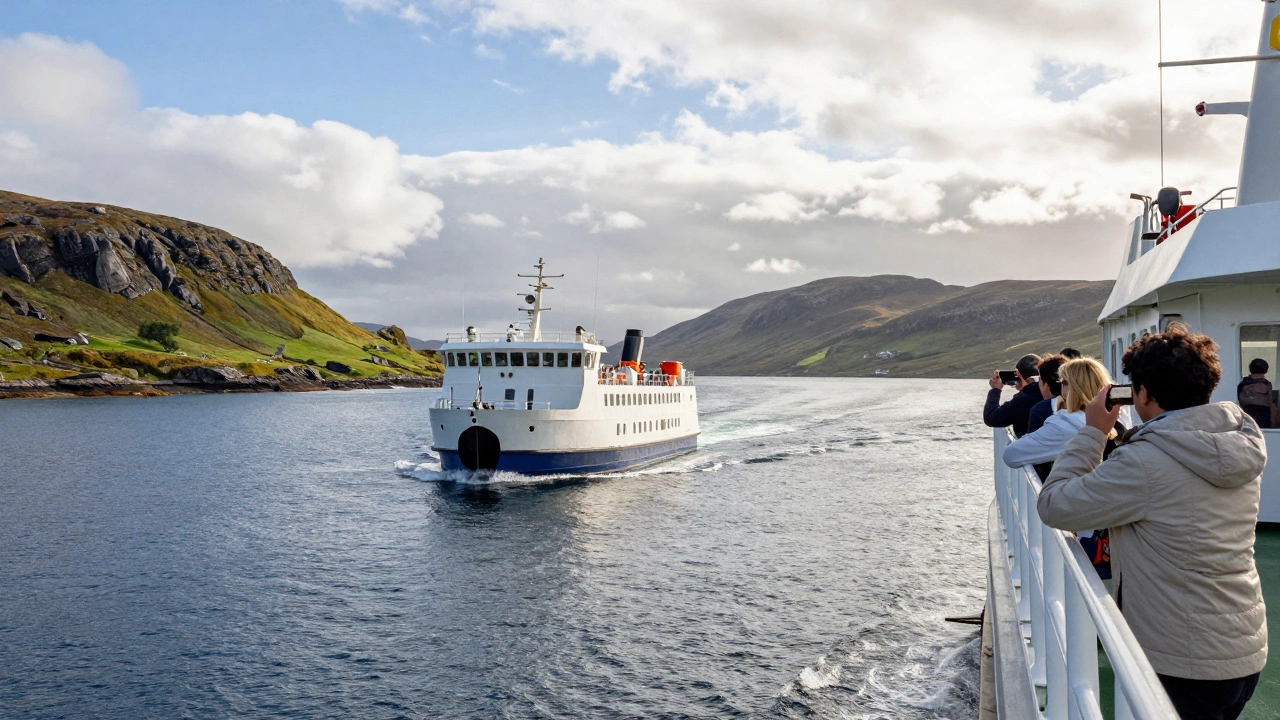
The UK is an island nation surrounded by water. To reach places like Isle of Wight, Anglesey, or the Hebrides, you must take a ferry. Isle of Wight Steam Packet Company is the main ferry operator connecting mainland England to the Isle of Wight. These crossings are short, often under an hour, and offer stunning views.
For longer journeys, such as crossing from Great Britain to Northern Ireland or the Republic of Ireland, companies like Stena Line and Irish Ferries operate large vessels. These trips can take several hours and sometimes include cabins for overnight stays. Booking these well in advance is crucial, especially during summer holidays when demand spikes.
Ferries are also useful for avoiding tunnel queues. If you are driving from London to Paris via Calais, taking the Eurotunnel Le Shuttle is faster than the Channel Tunnel train, but ferries from Dover to Calais offer a chance to stretch your legs and see the sea.
Air Travel: Domestic Flights for Long Distances
Should you fly domestically? Generally, no. Flying from London to Edinburgh takes about an hour in the air, but with security checks, airport transfers, and boarding time, the total door-to-door journey rivals or exceeds the train duration. Trains depart from city centers and arrive in city centers. Airports are often located far outside urban areas.
However, domestic flights become viable for reaching remote locations like Aberdeen, Inverness, or Belfast from London, especially if you have tight connections or heavy luggage. Airlines like Loganair and Ryanair operate these routes. Compare the total time and cost against train options before booking. Often, a direct train is more relaxing and punctual.
Comparison of Transport Modes
| Mode | Best For | Cost Range | Speed | Comfort |
|---|---|---|---|---|
| Train | City-to-city, speed, convenience | £20 - £150+ | Fast (up to 125 mph) | High |
| Coach/Bus | Budget travelers, overnight trips | £5 - £30 | Slow (avg 50 mph) | Medium |
| Car Rental | Rural exploration, flexibility | £40/day + fuel/parking | Variable (traffic dependent) | High (private) |
| Domestic Flight | Long distances, remote airports | £30 - £100 | Fast (in-air) | Low (airport hassle) |
| Ferry | Islands, cross-border drives | £10 - £100+ | Moderate | Medium-High |
Pro Tips for Navigating the System
Download the Citymapper app for London and other major cities. It integrates tube, bus, bike, and walking directions seamlessly. For national rail, the National Rail Enquiries app provides live departure boards and platform changes.
Avoid buying tickets at the station window if possible. Queues can be long, and machines often run out of change. Use your phone. Most stations have good Wi-Fi or strong 4G/5G coverage.
Be aware of peak hours. Trains and tubes are incredibly crowded between 7:30 AM and 9:30 AM, and again from 5:00 PM to 7:00 PM on weekdays. If you can schedule your travel outside these windows, you will enjoy a much more pleasant experience.
Finally, keep your ticket accessible until you leave the station. Gatekeepers may ask to see it upon exit, even if you tapped in with an Oyster or contactless card. Losing a paper ticket means paying for a new one.
Is it better to drive or take the train in the UK?
For city-to-city travel, trains are almost always better due to speed, comfort, and lack of parking hassles. Driving is superior only for rural areas like the Scottish Highlands or countryside where public transport is infrequent.
Do I need to book train tickets in advance?
Yes, absolutely. Advance tickets can be up to 80% cheaper than walk-up fares. Book as soon as your itinerary is fixed, typically up to 12 weeks ahead.
Can I use my credit card on London buses?
Yes, you can tap any contactless debit or credit card directly on the reader. No need to buy an Oyster card first. Daily price capping applies automatically.
What is the cheapest way to travel between UK cities?
Coaches operated by National Express or Megabus are the cheapest. Booking early can get you fares as low as £5-£10 for long distances.
Are trains safe for tourists?
Yes, UK trains are very safe. Keep your belongings close in busy stations and avoid empty carriages late at night, but generally, crime rates on rail are low.