
Coastal Vacation Destination Finder
Answer the following questions to find out which East Coast destination matches your travel style.
Result Title
Subtitle
Description goes here.
Why this fits you:
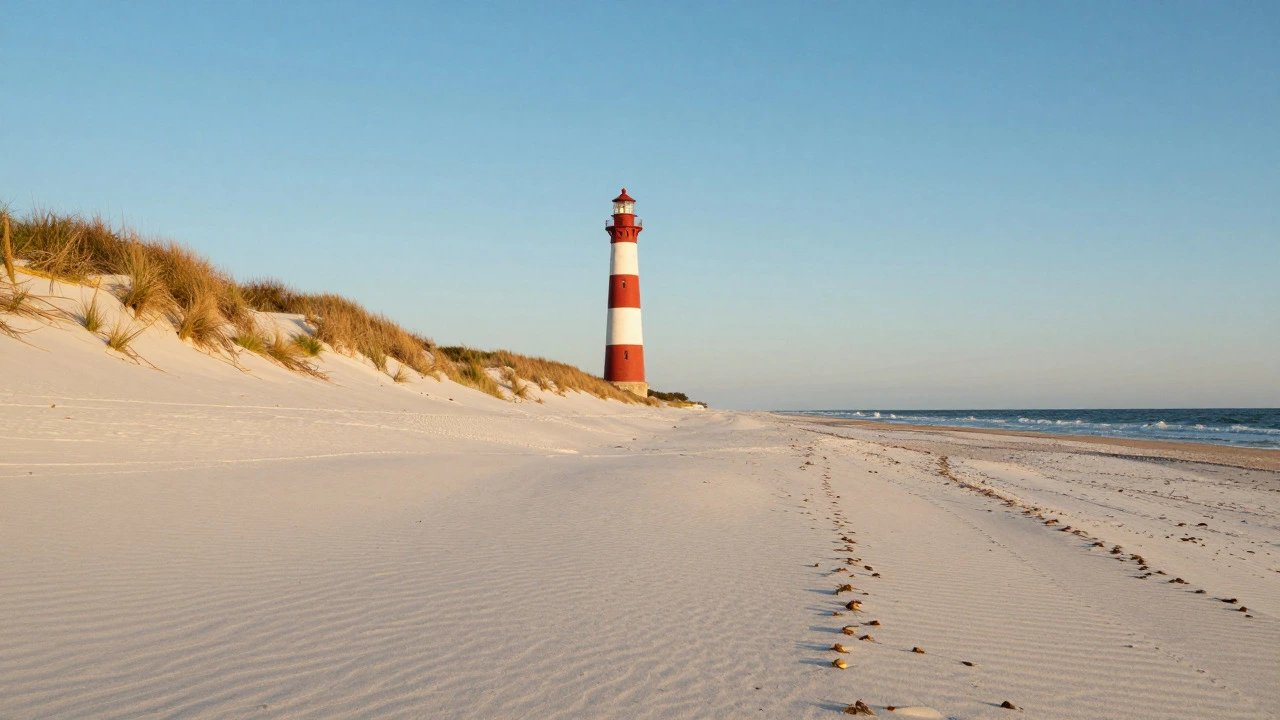
Standing on the shoreline of Outer Banks is a barrier island chain off the coast of North Carolina known for its wild beaches, historic lighthouses, and rugged natural beauty, you feel the Atlantic wind whipping through your hair. The sand is wide, the dunes are high, and the nearest convenience store might be twenty minutes away. Now, imagine standing in Myrtle Beach is a bustling coastal resort city in South Carolina famous for its boardwalk, amusement parks, golf courses, and vibrant nightlife. Here, the boardwalk is lined with arcades, restaurants are everywhere, and the energy is electric. Both destinations offer incredible coastal experiences, but they cater to completely different types of travelers. If you’re trying to decide where to spend your next summer holiday, understanding the fundamental differences between these two iconic East Coast destinations is crucial.
The Vibe: Wild Nature vs. Resort Entertainment
The first thing you’ll notice when comparing these two spots is the atmosphere. Outer Banks feels like a remote retreat. It’s spread across eight islands, connected by bridges, with vast stretches of undeveloped land. You won’t find skyscrapers here. Instead, you’ll see low-rise cottages, wooden boardwalks leading into marshes, and historic sites like the Wright Brothers National Memorial. The vibe is relaxed, quiet, and deeply connected to nature. It’s the kind of place where you go to disconnect from technology and reconnect with the outdoors.
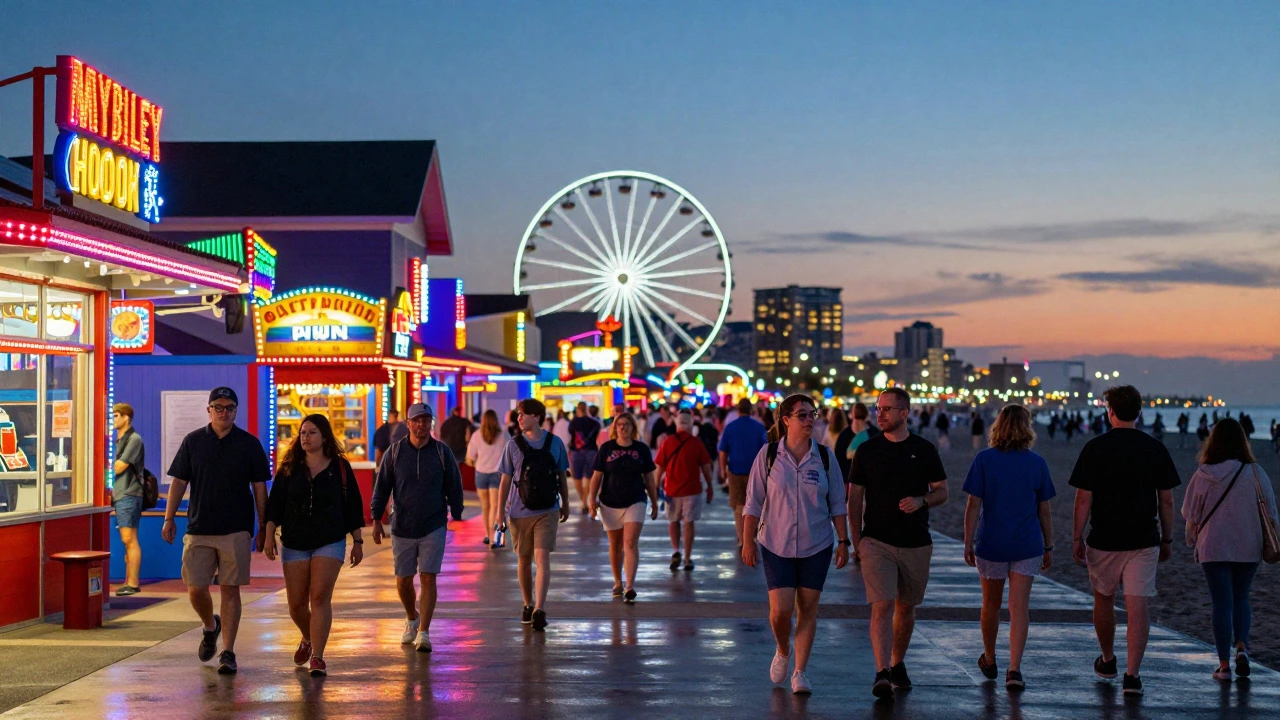
Myrtle Beach, on the other hand, is a classic American resort town. It’s dense with hotels, shopping centers, and entertainment venues. The famous Myrtle Beach Boardwalk and Promenade buzzes with activity day and night. You’ve got the Broadway at the Beach complex, which includes an indoor water park, mini-golf, and numerous dining options. If you love having everything within walking distance or a short drive, Myrtle Beach wins hands down. But if you prefer solitude and natural landscapes, Outer Banks is your better bet.
Beach Experience: Wide Sands vs. Urban Shoreline
Both locations boast beautiful Atlantic Ocean beaches, but the experience differs significantly. Outer Banks offers some of the widest beaches on the East Coast. Because it’s less developed, you can often find long stretches of empty sand. The water is generally cooler due to the northward location, but the clarity and cleanliness are exceptional. Swimming is great, but so is shelling, kite flying, and just wandering along the shore without bumping into crowds.
Myrtle Beach has narrower beaches because the development goes right up to the sand. During peak season (June through August), it gets crowded. However, the infrastructure is superior. There are lifeguards stationed frequently, beach access points every few blocks, and plenty of places to rent chairs, umbrellas, and kayaks. The water is warmer than in Outer Banks, making it more inviting for extended swimming sessions. If you want a lively beach scene with people-watching and nearby amenities, Myrtle Beach delivers.
| Feature | Outer Banks | Myrtle Beach |
|---|---|---|
| Atmosphere | Rugged, quiet, nature-focused | Bustling, energetic, resort-style |
| Beach Width | Very wide, often uncrowded | Narrower, crowded in summer |
| Water Temperature | Cooler (avg 70-75°F in summer) | Warmer (avg 78-82°F in summer) |
| Nightlife | Limited, mostly bars and live music | Vibrant, clubs, concerts, shows |
| Golf Availability | Fewer courses, scenic links | Over 100 courses, championship level |
| Family Attractions | Museums, wildlife tours, fishing | Amusement parks, aquariums, mini-golf |
Activities: What Can You Do?
In Outer Banks, activities revolve around nature and history. You can rent a four-wheel-drive vehicle to explore the Jockey's Ridge State Park, home to the tallest living sand dune system on the East Coast. Kiteboarding is huge here due to consistent winds. Whale watching tours depart from various ports, especially during migration seasons in spring and fall. History buffs will appreciate visiting the Cape Hatteras Lighthouse, climbing its 268 steps for panoramic views, or exploring the historic homes of the Croatoan area. Fishing charters are abundant, offering trips for marlin, tuna, and flounder.
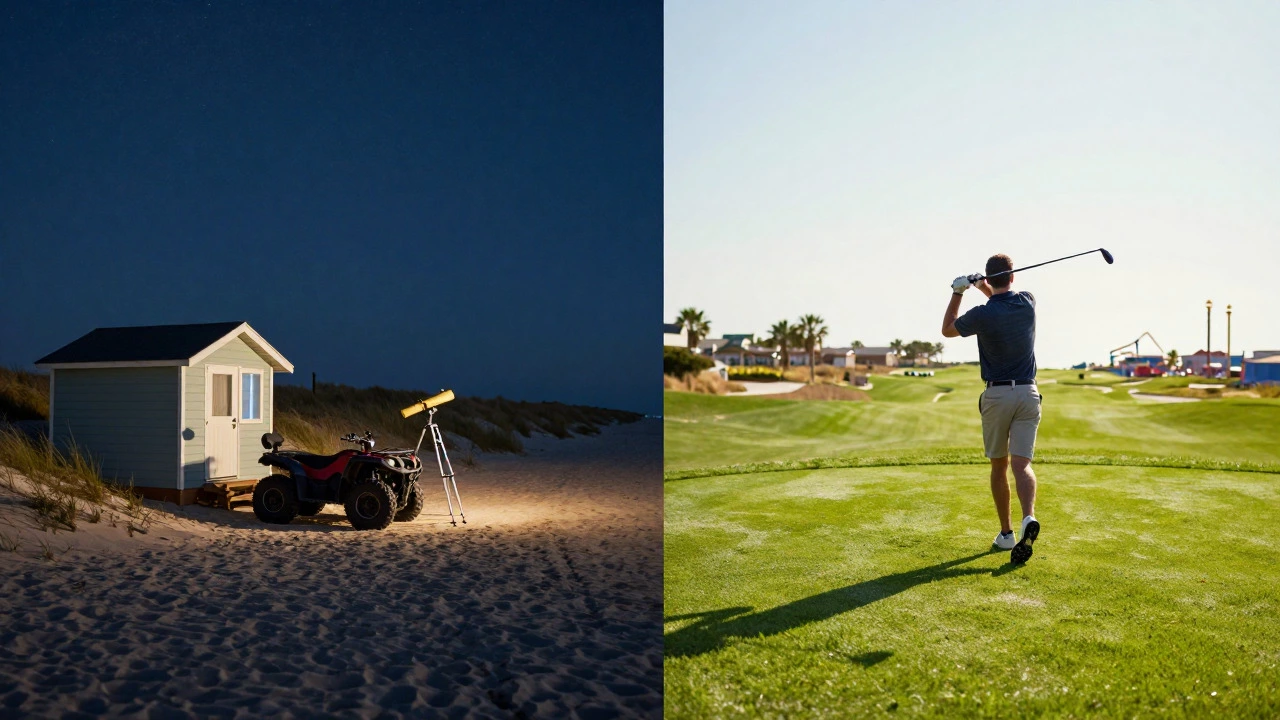
Myrtle Beach is an activity hub. Golf enthusiasts call it the "Golf Capital of the World" for good reason-with over 100 courses, including designs by legends like Jack Nicklaus. Families flock to attractions like Broadway at the Beach, Myrtle Beach State Park, and the SkyWheel observation wheel. The area also hosts numerous festivals throughout the year, from the Spring Fling Arts & Music Festival to the International Kite Festival. If you want non-stop entertainment options, Myrtle Beach provides them all under one roof.
Dining and Nightlife Options
Foodies have distinct choices depending on their destination. Outer Banks emphasizes fresh seafood caught locally. Restaurants often feature oysters, crab cakes, and fried fish straight from the boats. The dining scene is casual and authentic, with many eateries located in converted shacks or cozy cottages. While there are upscale options, the focus remains on quality ingredients rather than elaborate presentations. Nightlife is subdued; most places close early, focusing on local crowds enjoying live country or bluegrass music.
Myrtle Beach offers a diverse culinary landscape. From fine dining steakhouses to international cuisines, you’ll find something for every palate. The Grand Strand area boasts hundreds of restaurants, many with oceanfront views. For nightlife, Myrtle Beach shines. Venues like the House of Blues host major concerts, while bars and clubs stay open late. If you enjoy dancing, live performances, and a vibrant social scene, this is the place to be.
Accommodation and Cost Considerations
Where you stay affects both your budget and experience. In Outer Banks, vacation rentals dominate the market. Most visitors book entire houses or condos through platforms like Vrbo or Airbnb. This setup works well for families or groups wanting privacy and kitchen facilities. Prices vary widely based on proximity to the ocean and size of the property. Expect higher costs during July and August. Hotel options exist but are limited compared to Myrtle Beach.
Myrtle Beach offers extensive hotel accommodations ranging from budget-friendly motels to luxury resorts. Many hotels include perks like pool access, breakfast, and shuttle services. Room rates tend to be lower per night than renting a whole house in Outer Banks, though additional expenses for food and activities can add up. Overall, Myrtle Beach may appear cheaper initially, but Outer Banks provides better value for larger groups seeking self-catering independence.
Best Time to Visit Each Destination
Timing matters greatly for both locations. Summer (June-August) brings warm weather and peak crowds to both areas. However, Hurricane season runs from June to November, posing risks particularly for Outer Banks’ exposed coastline. Fall (September-October) offers pleasant temperatures, fewer tourists, and excellent conditions for outdoor activities in both regions. Spring (April-May) sees blooming flora and moderate prices, ideal for golfers heading to Myrtle Beach or hikers exploring Outer Banks trails.
If you prioritize perfect beach weather, aim for mid-July to early August. But beware of congestion. For a balance of good weather and manageable crowds, target late May or September. Winter months see significant drops in visitor numbers, with many businesses closing temporarily in Outer Banks, whereas Myrtle Beach maintains some operations year-round thanks to its convention center and indoor attractions.
Who Should Choose Where?
Deciding between Outer Banks and Myrtle Beach comes down to personal preferences. Choose Outer Banks if you:
- Love nature, hiking, and photography
- Prefer quiet evenings and stargazing
- Are traveling with young children who need space to play safely
- Want to learn about maritime history and lighthouses
- Enjoy fishing, surfing, or kiteboarding
Choose Myrtle Beach if you:
- Crave constant entertainment and variety
- Love golf, shopping, and dining out
- Enjoy nightlife, concerts, and festivals
- Prefer convenient hotel stays with amenities
- Travel with teenagers interested in arcades and thrill rides
Final Thoughts on Your Coastal Decision
Neither destination is objectively "better"-they simply serve different purposes. Outer Banks rewards those who seek tranquility, natural beauty, and historical depth. Myrtle Beach delights visitors looking for excitement, convenience, and endless recreation opportunities. Consider what kind of memories you want to create. Do you envision lounging on a deserted stretch of sand reading a book? Or do you picture riding rollercoasters after dinner? Answering that question will guide you toward the right choice for your unforgettable coastal getaway.
Is Outer Banks safer than Myrtle Beach?
Both destinations are generally safe for tourists. Outer Banks has lower crime rates due to its rural character and smaller population density. Myrtle Beach, being a larger urban resort area, experiences typical city-related incidents but maintains strong police presence in tourist zones. Always practice standard safety precautions regardless of location.
Which destination is better for seniors?
Myrtle Beach tends to be more senior-friendly due to accessible hotels, numerous golf courses tailored for older players, and easy transportation options. However, retirees who prefer peaceful environments and slower-paced activities may enjoy Outer Banks' calm atmosphere and scenic drives equally well.
Can I visit both Outer Banks and Myrtle Beach in one trip?
Yes, though it requires careful planning. The drive takes approximately 4 hours via Interstate 95 and Highway 24. Combining both stops allows you to experience contrasting coastal cultures, but ensure you allocate enough time at each location to avoid feeling rushed. Renting a car is essential for flexibility.
Are pets allowed in accommodations?
Many vacation rentals in Outer Banks welcome pets, often charging extra fees. Some beaches allow leashed dogs during specific hours. In Myrtle Beach, pet-friendly hotels exist but require advance booking. Always confirm policies directly with providers before finalizing reservations.
What about hurricane risks?
Hurricane season spans June through November, peaking in September. Outer Banks faces higher risk due to its exposed barrier island geography. Myrtle Beach also experiences storms but benefits from inland buffers. Travel insurance covering weather disruptions is highly recommended for any summer visit.