Budget Vacation Estimator
Trip Details
Estimated Trip Total
The Truth About Cheap American Getaways
Let's be honest: the "cheapest" state depends entirely on where you're starting from and what you actually like to do. If you're looking for a luxury resort in Hawaii, you're not finding a budget trip. But if you want a place where your dollar stretches, you have to look past the big-name tourist traps. The secret to a low-cost trip is finding states where the local cost of living is low, meaning hotels, diners, and gas don't carry a "tourist tax." To find the cheapest state to go on vacation, we have to look at the Midwest and the South, where the landscape is vast and the prices stay grounded.
Quick Budget Wins
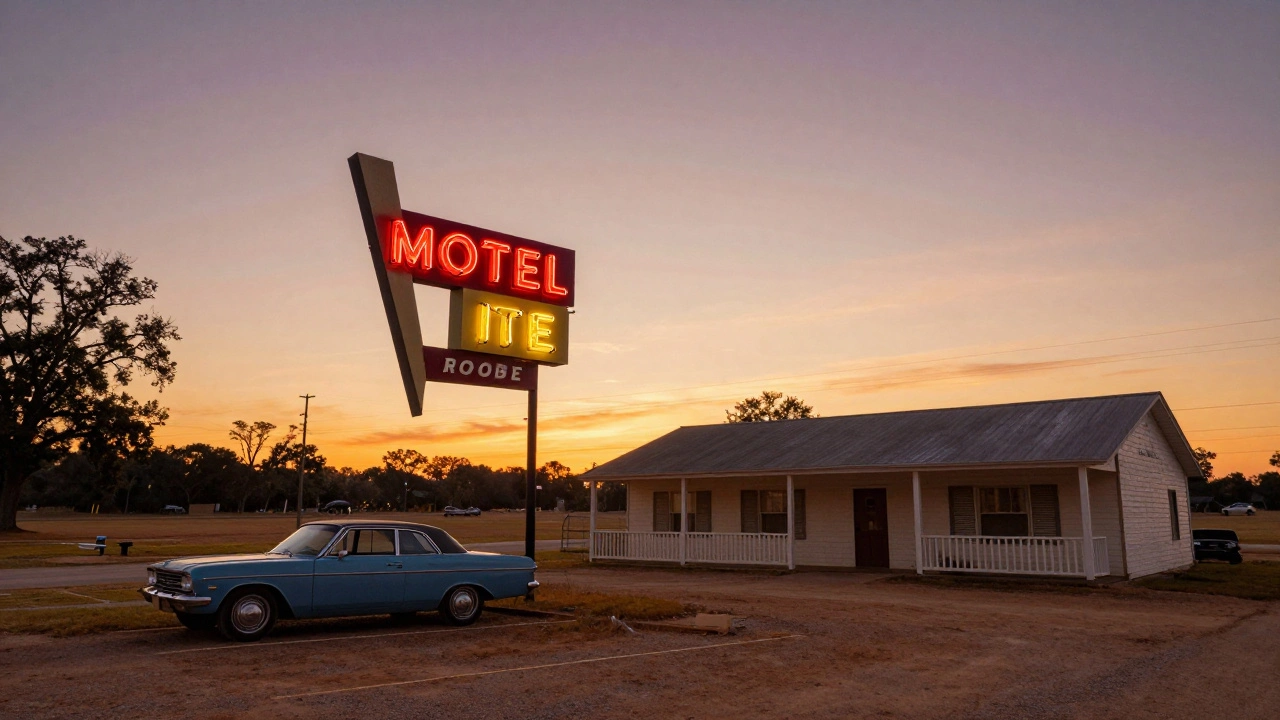
- Accommodation: Look for motels and independent inns in rural areas rather than chain hotels in city centers.
- Food: Stick to local diners and regional specialties (like BBQ in the South) which are filling and cheap.
- Transport: Rent a compact car; public transit in the cheapest states is often non-existent.
- Timing: Visit during the shoulder seasons (Spring and Autumn) to avoid price spikes.
Breaking Down the Budget Leaders
When we talk about affordability, we aren't just talking about the price of a hotel room. We're talking about the total ecosystem of spending. In states like Arkansas, you can find world-class nature in the Ozark Mountains without paying the prices associated with the Rockies. The cost of a meal in a small Arkansas town is often 30% lower than in a major metro area.
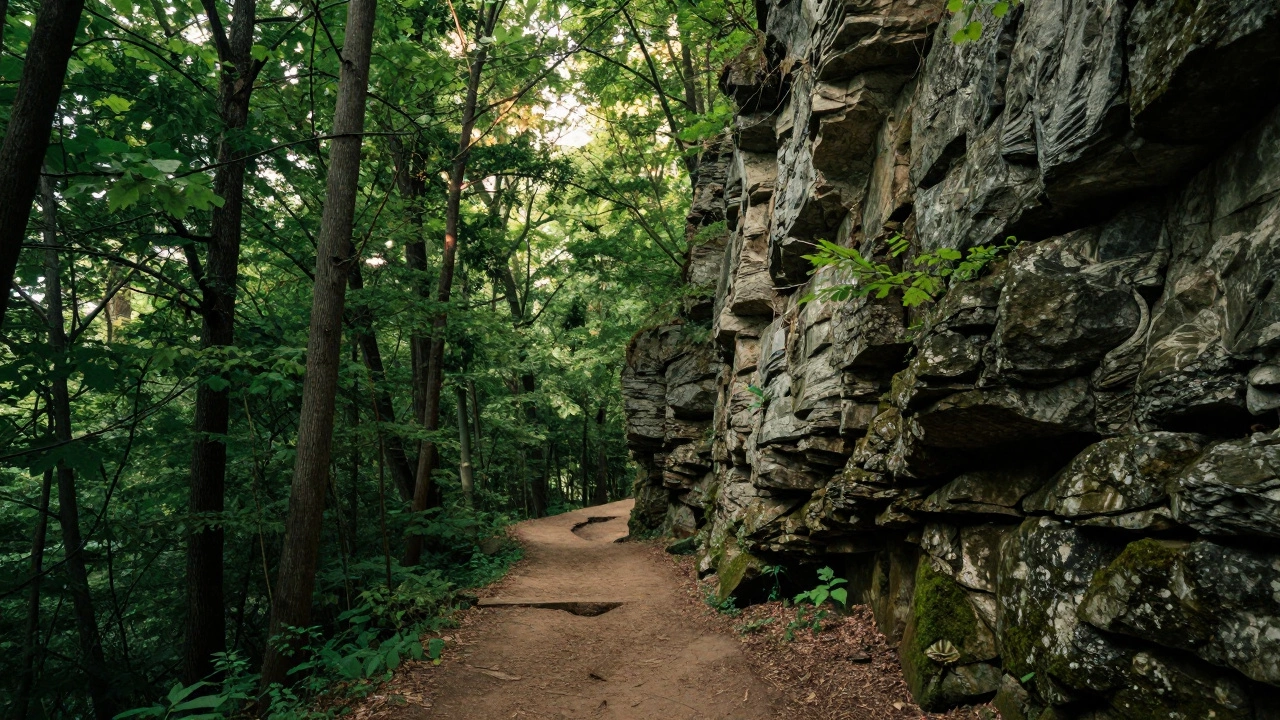
Then you have Tennessee. While Nashville has become an expensive hotspot, the rest of the state is a budget traveler's dream. If you head to the Smoky Mountains or the smaller towns in the west, you'll find that hiking is essentially free, and the local guesthouses are far more affordable than the downtown hotels of the "Music City." The trick here is to move 50 miles away from the neon lights.
| State | Avg. Hotel (Night) | Avg. Meal (Per Person) | Primary Cheap Activity |
|---|---|---|---|
| Mississippi | $80 - $120 | $12 - $18 | Blues Museums / River Tours |
| Arkansas | $70 - $110 | $10 - $15 | Hiking in Ozarks |
| Tennessee | $90 - $150 | $15 - $22 | Great Smoky Mountains |
| Alabama | $85 - $130 | $12 - $20 | Gulf Shores Beaches |
Why the South and Midwest Win on Price
Why are these areas so much cheaper? It comes down to the Cost of Living. When land is cheaper and taxes are lower, the businesses passing those savings to the consumer. In a state like Alabama, you can get a full meal and a drink for under $20, whereas in Massachusetts, that same meal might cost you $45 after tip and tax.
Another factor is the type of tourism. These states focus heavily on outdoor recreation and heritage. Walking through a historical site or swimming in a public lake doesn't cost much. Compare that to the "experience economy" of cities like Las Vegas or Orlando, where every single activity-from a themed ride to a magic show-has a ticket price attached to it. If you prefer a walk in the woods over a walk through a mall, these states are your best bet.
The Hidden Costs of "Cheap" States
Here is the part most travel blogs ignore: the transportation gap. In the cheapest states, you cannot survive without a car. If you fly into a small airport in Mississippi and expect to take a bus to your hotel, you're in for a shock. You'll end up spending more on expensive Ubers than you would have on a slightly pricier hotel in a walkable city.
To make these trips truly affordable, you have to plan your transit. Renting a car at the airport is the standard, but if you're really pinching pennies, look for peer-to-peer rental apps. Also, keep an eye on gas prices; while the hotel is cheap, driving 300 miles between rural attractions can eat into your budget quickly. Pro tip: map your route to avoid backtracking, which saves both time and fuel.
How to Hack Your Trip for Maximum Savings
If you've picked a budget-friendly state, you can push the costs even lower with a few simple moves. First, avoid the "Tourist Zones." In any state, there's a strip of road where the signs say "Best Burgers in the State" or "Authentic Souvenirs." Avoid them. Drive three blocks away from the main tourist drag, and you'll find where the locals eat. The food is better, and it's usually half the price.
Second, leverage the National Park Service. Many of the cheapest states have incredible state parks or federal land. While some have entry fees, many are free or cost a nominal amount for a whole vehicle. Instead of paying for a guided tour, download the official park app and do the self-guided loop. You get the same views without the $100 tour fee.
Finally, consider the Shoulder Season. If you go to Alabama in July, you're fighting for hotel rooms during the summer rush, and prices spike. If you go in October, the weather is perfect, the crowds are gone, and hotels often slash prices to fill rooms. This is the single most effective way to drop your trip cost by 20-40%.
Planning Your Budget Route
If you're undecided, try a multi-state loop. Start in Arkansas, head over to Tennessee, and wind down into Mississippi. This allows you to see three of the most affordable regions in the US without paying for multiple long-haul flights. You can use a single rental car and stay in small-town motels, which keeps your daily spend incredibly low.
Don't forget to check local event calendars. Sometimes a small town in the Midwest will have a festival that brings in crowds, temporarily hiking hotel prices. A quick search for "events in [City] [Month]" can save you from accidentally booking a room during a peak weekend.
Is there a specific month that is cheapest for US vacations?
Generally, January and February are the cheapest months for travel in the US due to the cold weather in the North. However, for the budget-friendly Southern states mentioned here, the "shoulder seasons" of October and November offer the best balance of low prices and pleasant weather.
Are motels actually safe in these cheap states?
Most modern motels are perfectly safe. The key is to check recent reviews on sites like TripAdvisor or Google Maps. Look for mentions of "cleanliness" and "lighting in the parking lot." If a place has a 4-star rating from 100+ people, it's usually a safe, budget-friendly bet.
Do I need a rental car to visit Mississippi or Arkansas?
Yes, absolutely. These states are not designed for pedestrians or robust public transit. To see the best sights-like the Delta in Mississippi or the Ozarks in Arkansas-you will need your own wheels. Without a car, you will be limited to the immediate area around your hotel and will spend significantly more on ride-sharing services.
What is the cheapest way to eat while traveling in the South?
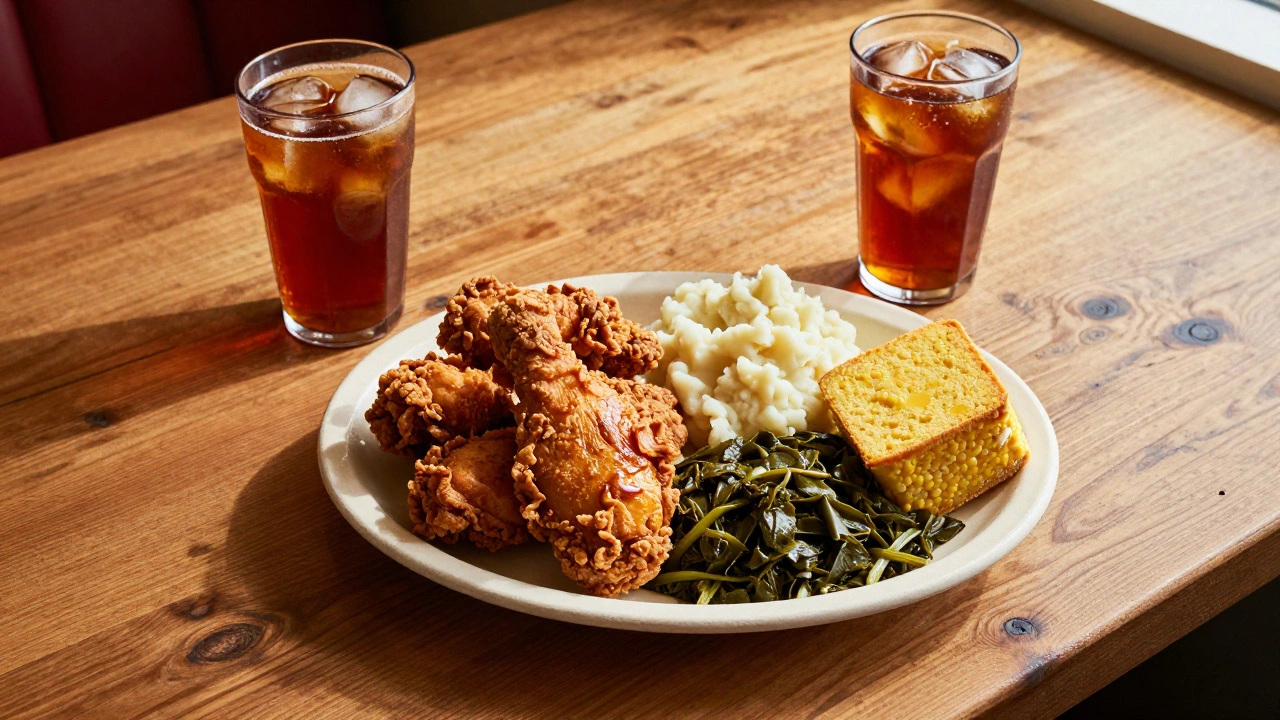
Look for "meat-and-three" restaurants. These are traditional Southern eateries where you get one meat and three side dishes for a fixed, low price. They are incredibly filling, authentic, and usually cost under $15. Also, visiting local farmers' markets for snacks and fruit is a great way to save money.
Can I visit these states on a very tight budget?
Yes. By focusing on free natural attractions (hiking, public beaches, city parks), staying in budget motels or campsites, and eating at local diners, you can keep your daily spend remarkably low. The key is avoiding the "tourist traps" and focusing on the authentic, rural experience.
Next Steps for Your Trip
If you're ready to book, start by mapping out your "anchor" cities. Pick one major point of interest (like the Great Smoky Mountains) and build your route around it. Once you have your route, look for hotels in the towns *between* the major attractions-these are almost always cheaper than the hotels *at* the attraction.
If you find that car rentals are too expensive, check out apps like Turo or look for a travel partner to split the cost. For those who prefer not to drive, you might want to reconsider your destination and look at more urban, walkable budget options like Philadelphia or parts of the Midwest, though you'll lose some of the low-cost benefits of the rural South.