England Cash & Payment Planner
Not sure how many pounds to bring? Answer a few questions about your trip to get a personalized recommendation.
Recommended Cash Amount
£0
Calculating...
You just landed at Heathrow or Gatwick. Your phone is buzzing with notifications, your luggage is on the carousel, and you’re wondering one thing: do you need cash in England? The short answer is no, not really. But the real answer is a bit more nuanced. If you’re carrying £50 in your pocket, you’re set for emergencies, tips, or that random market stall that doesn’t accept cards. But if you’re lugging around £500 because you heard Britain was stuck in the 1990s, you’re over-preparing.
I’ve traveled through England enough times to know how the payment landscape has shifted. Ten years ago, you’d get weird looks trying to pay for a coffee with a card. Today? It’s rare to find a place that won’t take contactless. Still, there are edge cases where physical pounds matter. Let’s break down exactly when you’ll want those notes and coins, and when you can safely leave them behind.
The Reality of Card Payments in England
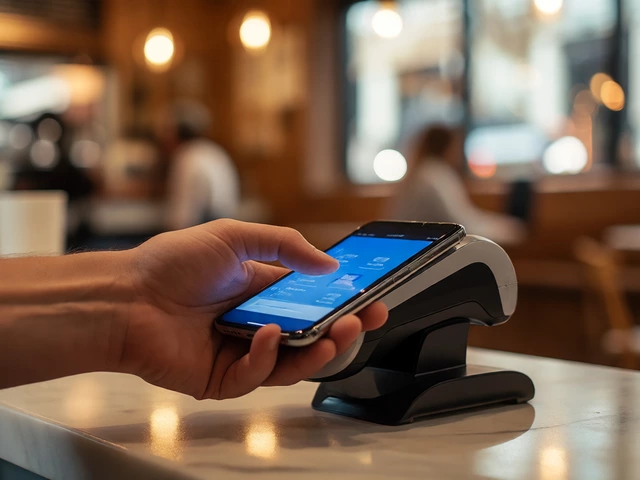
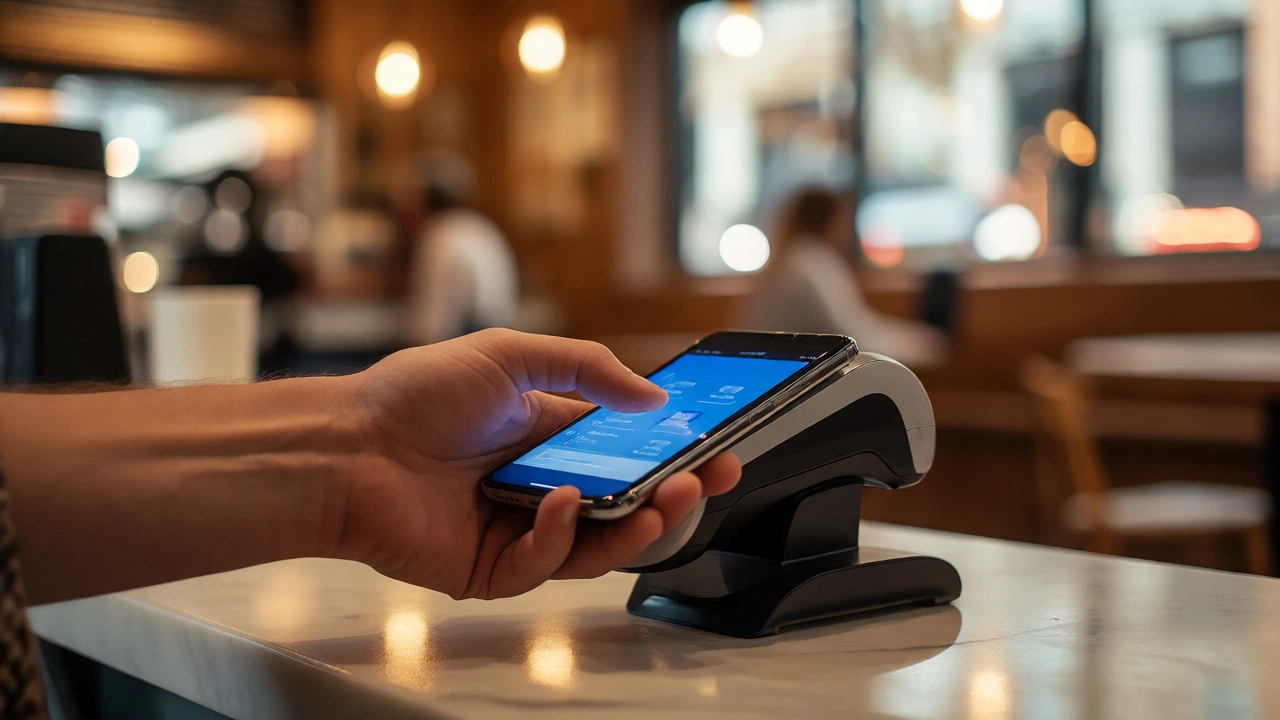
England runs on digital money now. From major retailers like Tesco and Sainsbury’s to tiny independent cafes in rural villages, card acceptance is nearly universal. Contactless payments-tapping your debit or credit card-or using Apple Pay and Google Pay are the norm. You don’t even need to enter a PIN for transactions under £100 (the limit varies slightly by bank but usually sits between £30 and £100).
This isn’t just true in London. I’ve been to small towns in Yorkshire and Cornwall where the pub accepts contactless for a pint. Even street performers often have QR codes linked to their bank accounts. So, if you’re planning a standard tourist itinerary-museums, restaurants, hotels, train tickets-you can go entirely card-free... wait, sorry, cash-free.
Contactless Payment is a method of making secure payments without physically inserting a card into a reader, typically using NFC technology. In the UK, this system has become so widespread that it accounts for the majority of retail transactions.
When You Actually Need Physical Pounds
So why bother with cash at all? Because "almost everywhere" isn't "everywhere." Here are the specific scenarios where having some sterling notes saves you headaches:
- Tips and Gratuities: While many restaurants add service charges automatically, tipping taxi drivers, hotel porters, or tour guides is still common. Not everyone carries a change purse for these small acts. A few £1 or £5 notes make life easier.
- Rural Markets and Flea Fairs: If you’re visiting places like Borough Market in London or local farmers' markets in the countryside, some older vendors might only accept cash. It’s becoming rarer, but it happens.
- Small Independent Shops: Occasionally, you’ll find a family-run newsagent or a small gift shop that has a minimum spend for card use (£5 or £10). Having exact change avoids awkward negotiations.
- Emergency Situations: What if your card gets declined due to a fraud alert? Or what if the power goes out in a remote area, knocking out card terminals? Cash is your backup plan.
- Public Toilets: Yes, this is still a thing. Many public restrooms in train stations and parks require 20p or 50p coins. They rarely take cards.
Cash vs. Cards: A Quick Comparison
To help you decide how much to carry, here’s a breakdown of where each payment method shines. This table reflects current practices as of late 2026.
| Scenario | Best Method | Why? |
|---|---|---|
| Hotels & Major Retail | Contactless/Card | Universal acceptance; faster checkout. |
| Restaurants & Cafes | Contactless/Card | Most places allow splitting bills digitally. |
| Taxis (Black Cabs) | Card/Cash | All licensed cabs must accept cards, but cash speeds up small fares. |
| Minicabs (Uber/Bolt) | App Payment | No cash needed; driver keeps change. |
| Street Vendors/Fairs | Cash | Some lack card terminals; cash is expected. |
| Public Transport | Oyster/Contactless | Paper tickets cost more; avoid buying them. |

How Much Cash Should You Bring?
Don’t stress about exchanging hundreds of pounds before you fly. Here’s a practical rule of thumb based on trip length:
- Short Trip (3-5 days): Carry £50-£70 in mixed denominations (£5, £10, £20 notes). This covers tips, odd expenses, and backups.
- Week-Long Stay: £100 is plenty. Most of your spending will be on meals and attractions, which are card-friendly.
- Extended Stay (2+ weeks): Withdraw cash locally rather than bringing it from home. Use ATMs to pull out £20-£40 every few days as needed.
Remember, carrying too much cash risks loss or theft. And let’s be honest, fumbling with coins in your coat pocket while trying to hail a cab in the rain isn’t fun.
Where to Get Cash in England
If you do need cash, you have options. But not all are created equal.
ATMs (Cash Machines): These are your best friend. Look for machines attached to banks like Barclays, HSBC, Lloyds, or NatWest. Avoid standalone ATMs in tourist hotspots or convenience stores-they often charge high fees or offer poor exchange rates. Always choose to be charged in GBP (pounds) rather than your home currency. This is called Dynamic Currency Conversion, and it almost always costs you more.
Bureau de Change: You’ll see these signs everywhere in cities. Compare rates online before you walk in. High-street branches often have worse rates than independent shops in less touristy areas. Also, watch out for "no commission" claims-they might hide the fee in a bad exchange rate.
Prepaid Travel Cards: Services like Wise (formerly TransferWise) or Revolut let you hold multiple currencies and spend like a local. You load money onto the app, convert it to GBP at near-interbank rates, and tap to pay. This is arguably the smartest way to manage money abroad. You can also withdraw cash from most ATMs using these cards, though daily limits apply.
Dynamic Currency Conversion (DCC) is a practice where merchants offer to charge customers in their home currency instead of the local currency, often at an unfavorable exchange rate. In England, declining DCC can save you 3-5% per transaction.
Common Pitfalls to Avoid
Even savvy travelers slip up. Here are mistakes I’ve seen friends make:
- Buying Traveler’s Checks: Who does this anymore? Very few places accept them, and cashing them takes time. Skip it.
- Using Airport Exchange Kiosks: Rates at airports are notoriously bad. If you must, only exchange enough for a taxi and a snack. Wait until you’re in the city center for better deals.
- Ignoring Bank Fees: Check with your bank before you leave. Some charge 3% foreign transaction fees plus a flat ATM withdrawal fee. Using a no-fee travel card sidesteps this.
- Assuming All Taxis Take Cash: While black cabs do, minicabs booked via apps usually don’t. Don’t expect the driver to have change for a £50 note.
Final Thoughts on Money Management
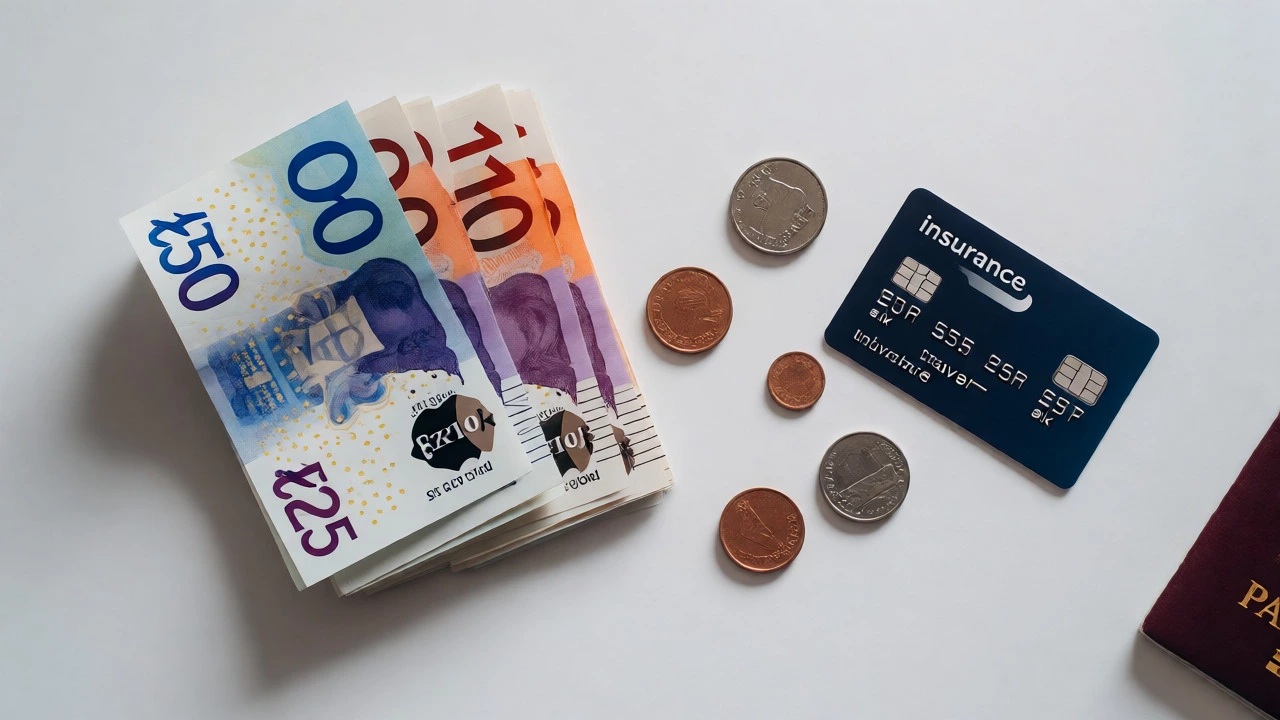
You don’t need a suitcase full of cash to enjoy England. The country is incredibly card-friendly, safe, and efficient. But being prepared with a small amount of local currency gives you flexibility and peace of mind. Think of it as insurance, not your primary payment method.
My advice? Load up a multi-currency account like Wise, keep a couple of credit cards handy, and tuck £50 in your wallet. That’s it. You’re ready to explore everything from the bustling streets of Manchester to the quiet lanes of the Cotswolds without worrying about whether you can pay for your next cuppa.
Can I use US dollars in England?
No, you cannot use US dollars for everyday purchases in England. The official currency is the British Pound Sterling (GBP). While some highly tourist-focused souvenir shops might accept dollars, they will give you a terrible exchange rate. Always pay in pounds.
Is it cheaper to exchange money before going to England?
It depends. Exchanging at home can sometimes offer competitive rates if you order online and collect later. However, using a multi-currency card like Wise or Revolut often provides better value because you get closer to the mid-market exchange rate. Avoid exchanging large amounts at airport kiosks upon arrival, as rates are usually poor.
Do taxis in London accept credit cards?
Yes, all licensed black cabs in London are required to accept credit and debit cards. Minicabs booked through apps like Uber or Bolt handle payments digitally within the app. However, having small cash for tips is appreciated, especially for longer journeys.
What is the contactless payment limit in the UK?
The standard contactless limit is £100 for most major banks, though some may set it lower at £30 or £50. For transactions above this limit, you’ll need to enter your PIN. This applies to both physical cards and mobile wallets like Apple Pay and Google Pay.
Are there any places in England that only take cash?
Very few. Most businesses, including small ones, accept cards. Exceptions might include some rural farm stands, very old-fashioned pubs in remote villages, or certain charitable donation boxes. Public toilets are another common exception, often requiring coins.