Adventure Style Finder
Not sure if you're ready for a survival challenge or prefer a guided experience? Answer these 5 questions to find your ideal adventure profile.
Loading question...
Your Adventure Profile:
Why this fits you:
Suggested Activities:
Key Takeaways
- Soft Adventure focuses on leisure and low-risk activities with plenty of support.
- Hard Adventure requires specialized skills, higher physical exertion, and accepts greater risk.
- The main difference lies in the level of technical expertise and the amount of infrastructure provided.
- You can mix both types depending on your confidence and the destination.
The World of Soft Adventure
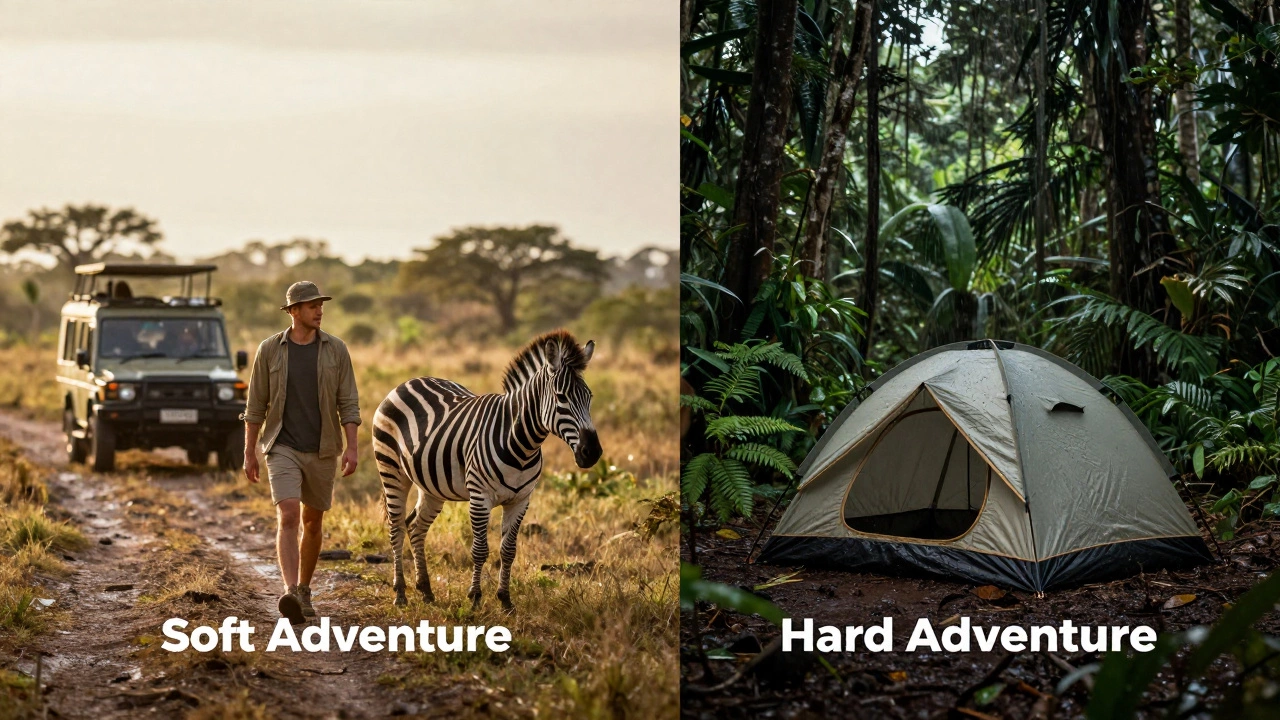
Let's start with Soft Adventure is a style of tourism that involves physical activity and nature but keeps the risk low and the comfort high. It's essentially "adventure-lite." You get the thrill of seeing new landscapes and doing something active, but you aren't exactly risking your life to do it. The hallmark of soft adventure is the presence of a safety net. You usually have a professional guide, a pre-arranged hotel at the end of the day, and a level of infrastructure that ensures you aren't truly "lost in the wild."
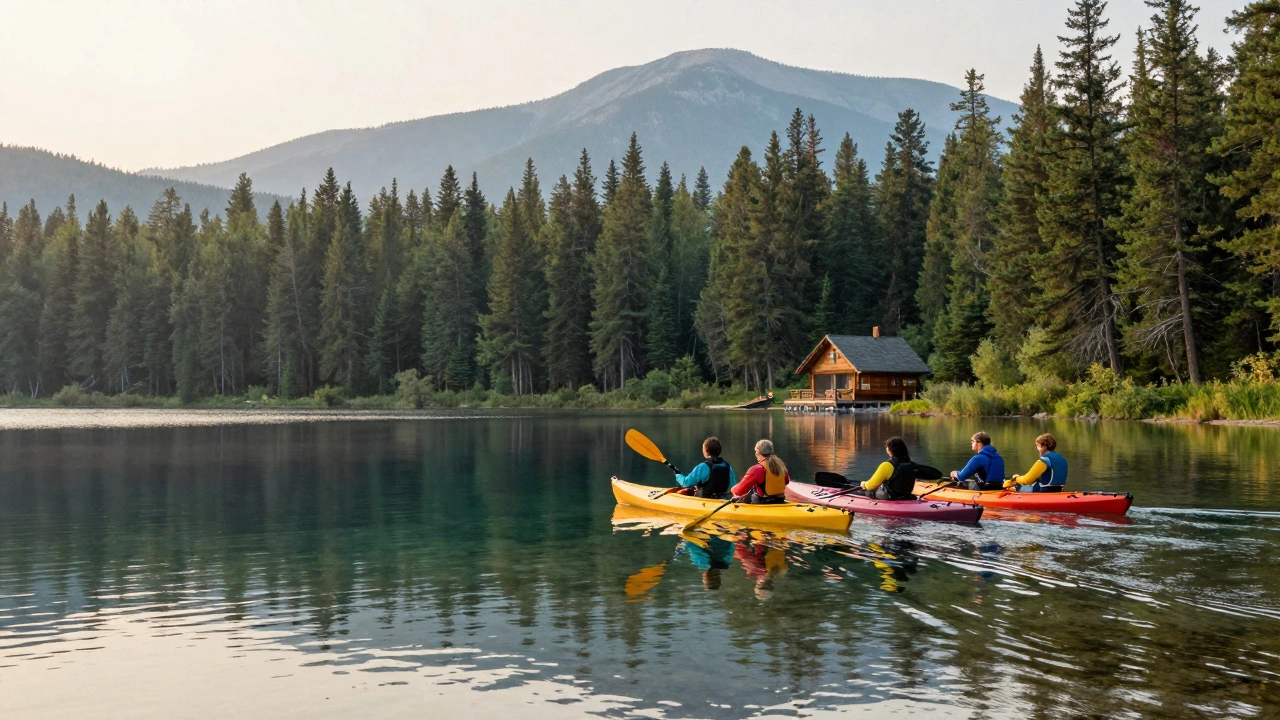
Think of a guided kayaking trip on a calm lake in Canada. You're paddling through nature, you're getting some exercise, and you're seeing wildlife, but if you flip your boat, there's a guide right there to pull you out and a warm cabin waiting for you on the shore. Or consider a walking safari in South Africa; you're out in the bush, but you're with an expert ranger who knows exactly where the lions are and has a radio to call for help.
For most people, adventure travel types like this are the perfect entry point. You don't need to spend months training in a gym or learning how to read a topographic map. The goal here is enrichment and light excitement rather than an extreme test of will. It allows you to step outside your bubble without completely leaving the comfort of modern civilization.
The Grit of Hard Adventure
On the other side of the spectrum, we have Hard Adventure, which is a high-intensity form of travel that requires specialized technical skills, significant physical endurance, and a high tolerance for risk. This isn't about a "trip"; it's about a challenge. In hard adventure, the environment is often hostile, the infrastructure is non-existent, and the stakes are much higher. If something goes wrong, you can't just call a concierge to fix it.
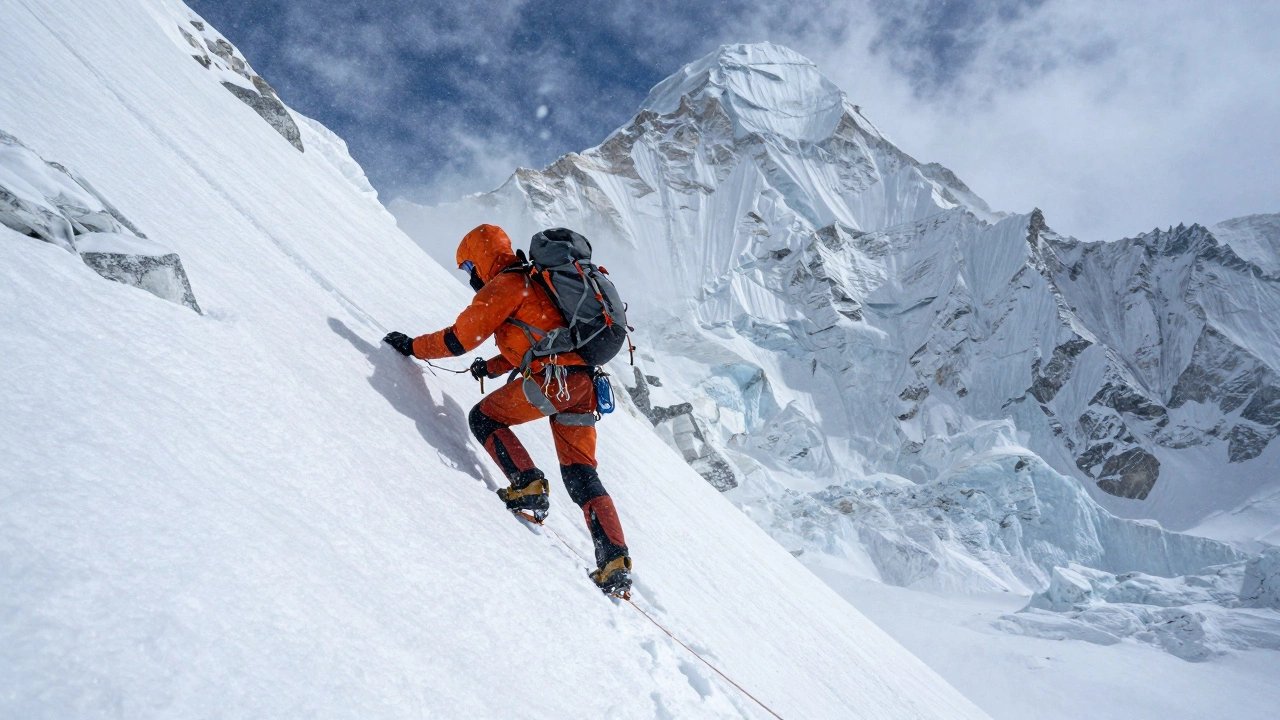
A classic example is high-altitude mountaineering on Mount Everest or trekking through the Amazon Rainforest without a paved trail. These activities require specific training-like knowing how to use an ice axe, managing altitude sickness, or navigating by the stars. You're not just "visiting" a place; you're battling the elements to reach a goal.
The psychology here is different. While soft adventure is about relaxation and discovery, hard adventure is about achievement and the "flow state" that comes from overcoming extreme difficulty. It often involves Bivouacking (sleeping rough in a temporary shelter) and carrying all your gear on your back for days or weeks. It's the difference between staying at a lodge and digging a hole in the snow to keep from freezing.
Comparing the Two: A Side-by-Side Look
To make it easier to decide which one fits your current mood, it helps to look at the specific attributes of each. While the line can sometimes blur-like when a soft adventure hike becomes hard because of a sudden storm-the general intentions are very different.
| Feature | Soft Adventure | Hard Adventure |
|---|---|---|
| Skill Level | Beginner/General Fitness | Expert/Specialized Training |
| Risk Level | Low to Moderate | High |
| Infrastructure | Hotels, Guided Tours, Paved Paths | Wild Camping, Remote Terrain |
| Physical Effort | Moderate (Walking, Light Paddling) | Intense (Climbing, Long-haul Trekking) |
| Primary Goal | Sightseeing & Relaxation | Challenge & Personal Mastery |
How to Transition from Soft to Hard Adventure
You don't have to jump straight from a city break to climbing K2. Most people follow a natural progression. If you're craving more intensity, the best way is to slowly remove the "safety nets" of soft adventure. Start by booking a trip that has a "primitive" camping component instead of a hotel. Move from a guided walking tour to a self-guided hike with a map and compass.
Another way to bridge the gap is by focusing on Technical Skills. If you like kayaking in calm waters, take a white-water rapids course. Learning how to handle a Class III or IV rapid transforms a soft activity into a hard one. The activity remains the same-paddling a boat-but the environment and the skill required change the category entirely.
It's also worth looking into Expedition Travel. These are often organized trips that lean toward hard adventure but provide a bridge of professional support. You might spend two weeks in the Arctic, but you have a base camp and a satellite phone. This lets you experience the hardness of the environment without the extreme risk of going completely solo.
Common Pitfalls and How to Avoid Them
The biggest mistake people make is misjudging their own capacity. I've seen plenty of travelers book a "trekking" trip in the Himalayas thinking it's soft adventure, only to find out they're expected to climb 3,000 feet of elevation per day with a 15kg pack. That is a hard adventure, and without the proper physical conditioning, it can lead to injury or a miserable experience.
To avoid this, always ask the tour operator for a "difficulty rating." If they say "moderate," ask what that means specifically. Does it mean a few hills and a nice lunch, or does it mean ten miles of uneven terrain with no water sources? Be honest with yourself about your fitness. If you haven't walked more than a mile in a year, a 10-day trek through the Andes is hard adventure, regardless of what the brochure says.
Another trap is ignoring the gear. In soft adventure, your sneakers and a light jacket are usually enough. In hard adventure, your gear is your life-support system. Using a cheap, non-waterproof tent in a rainy jungle isn't an "authentic experience"-it's a recipe for hypothermia. Invest in quality equipment or rent it from professionals who know the specific demands of the region.
Which One Should You Choose?
The choice depends entirely on what you want to feel when you get home. If you want to feel refreshed, inspired by nature, and a little bit more adventurous than usual, stick to soft adventure. It's about the joy of the journey and the beauty of the destination. It's perfect for families, older travelers, or anyone who wants to experience the wild without actually suffering for it.
If you feel a void that only a massive struggle can fill, or if you want to prove something to yourself, go for hard adventure. There is a unique kind of confidence that comes from surviving a blizzard on a mountain or navigating a dense forest. It changes how you see yourself and your capabilities. Just remember that the "hard" part isn't just the physical work-it's the mental discipline required to keep going when things get uncomfortable.
Is soft adventure still considered "real" adventure?
Absolutely. Adventure is subjective. For someone who has never left their hometown, a guided hike through a national park is a huge leap. The "soft" label doesn't mean it's not adventurous; it just means the risk is managed and the comforts are preserved.
Do I need special insurance for hard adventure travel?
Yes. Standard travel insurance often excludes "extreme sports" or high-altitude activities. If you're doing hard adventure, you need a policy that covers emergency helicopter evacuation and search-and-rescue operations, as these can cost tens of thousands of dollars out of pocket.
Can soft adventure be dangerous?
While the goal is low risk, any activity in nature has variables. A sudden flash flood or a wild animal encounter can happen on a marked trail. This is why professional guides are essential-they manage the risks that the traveler might not even notice.
What is the best way to prepare for a hard adventure trip?
Focus on three things: physical conditioning (cardio and strength), technical skills (navigation, first aid), and gear testing. Never take a brand-new piece of equipment on a hard trip without testing it in your backyard or on a local trail first.
Are there hybrid types of adventure travel?
Many modern tours are hybrids. You might spend four days of hard trekking (carrying your own gear) and then spend the last three days in a luxury eco-lodge. This "glamping" approach allows you to experience the grit of the wild followed by a high-end recovery.
Next Steps for Your Journey
If you're still unsure, start by mapping out your non-negotiables. Do you need a hot shower every night? That's a clear sign for soft adventure. Do you enjoy the feeling of being completely disconnected from the world? Hard adventure is calling. Regardless of the path you choose, the key is to research your destination's specific climate and terrain. A "soft" trip in the Sahara is very different from a "soft" trip in the Swiss Alps.
For those ready to push their limits, I suggest looking into certification courses. Whether it's a Wilderness First Aid (WFA) course or a basic mountaineering clinic, having a formal set of skills makes the transition to hard adventure safer and more rewarding. Once you have the basics down, the whole world opens up, and you stop being a tourist and start becoming an explorer.