Tour Guide Tipping Calculator
How Much Should You Tip?
Calculate appropriate tips based on global tipping norms and your trip details.
Remember: Tipping helps guide livelihoods, especially in regions where wages are low. Your tip directly supports local culture preservation.
Ever sat on a bus after a long day hiking through the misty mountains of Cape Town, listening to your tour guide crack jokes, point out rare birds, and explain ancient rock art-only to wonder if you should leave them anything extra? It’s a quiet moment, and the question creeps in: is it rude not to tip a tour guide?
The short answer? It depends. But if you’re asking this question, you already care about doing right by the people who make your trip unforgettable. And that matters more than any rulebook.
Why Tour Guides Don’t Just Work for Pay
Most tour guides aren’t salaried employees sitting in an office. In places like South Africa, Peru, or Nepal, many work as independent contractors. Their base pay? Often barely above minimum wage. A lot of them rely on tips to cover gas, food, gear repairs, and sometimes even their own health insurance.
I’ve talked to guides in the Drakensberg who told me they’ve skipped meals so they could afford to replace a broken hiking boot before a group arrived. One guide in Kruger National Park said his wife had to take a part-time job because his tour income didn’t cover rent. These aren’t outliers-they’re the norm.
Tour guiding isn’t just a job. It’s a calling. People choose it because they love sharing their land, their stories, their history. But love doesn’t pay the bills.
What’s Normal? Tipping Around the World
Tipping culture varies wildly. In the U.S., guides expect $5-$10 per person per day. In parts of Europe, a 10% tip is polite but not required. In Southeast Asia, $1-$2 might be more than enough. But here’s what you won’t find anywhere: a guide who’ll tell you they’re counting on a tip.
That’s because they’re trained to be humble. They’ll never say, “I need this.” But they’ll notice when you don’t give anything after 12 hours of carrying your water, translating for you at a remote village, and staying late to help you take the perfect photo of a leopard.
Here’s what real travelers do:
- In Africa: $5-$15 per person per day is standard for small-group tours
- In Latin America: $3-$10, depending on the country and group size
- In Asia: $2-$8, often given at the end of the final day
- In Europe: $1-$5, or 10% if service felt exceptional
These aren’t strict rules. They’re starting points. The real guide? They’ll tell you they don’t expect anything. But if you hand them $20 after a 3-day safari where they remembered your coffee preference and knew exactly when to stop so you could see a rhino calf, they’ll remember you for years.
When Not Tipping Might Be Okay
There are times when skipping a tip makes sense.
- Your tour was booked through a massive corporate operator that pays guides poorly and keeps most of the profit. In that case, your tip won’t help them much.
- The guide was rude, late, or didn’t know basic facts about the site. If they didn’t earn it, don’t feel guilty.
- You’re on a tight budget. Traveling on $20 a day? Then $5 might mean skipping a meal. That’s okay. Be honest. Say, “I really appreciated your time. I wish I could give more.” Most guides will nod and say, “Thank you anyway.”
But if you’re comfortable, if you had a good experience, if they went above and beyond-then not tipping feels like walking out of a restaurant without saying thanks. It’s not illegal. But it’s noticeable.

How to Tip Without Awkwardness
You don’t need to hand over cash in front of the whole group. In fact, that’s often more awkward than helpful.
Try this:
- Wait until the last day, when everyone’s saying goodbye.
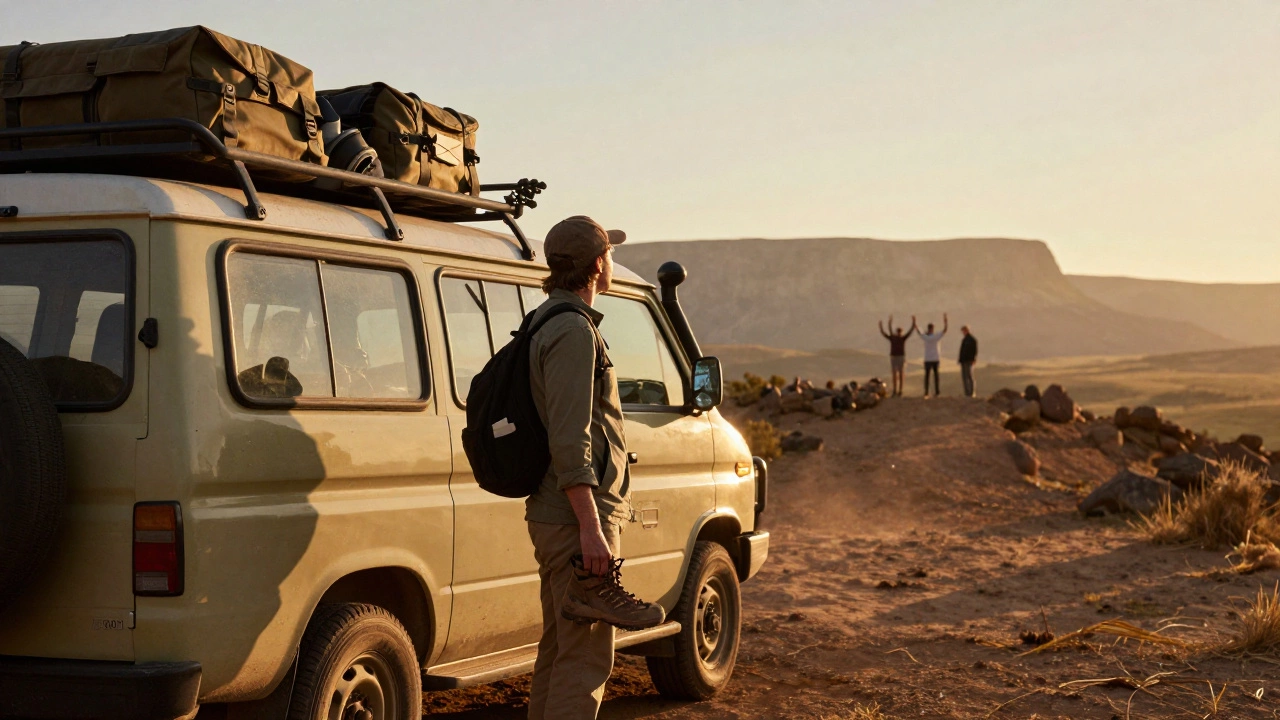
- Find a quiet moment-maybe as they’re loading gear into the van.
- Hand them the cash with a smile and say, “Thank you for making this trip special.”
- Don’t make a speech. Don’t over-explain. Just be sincere.
Some guides carry small notebooks. They write down names. They remember who tipped, who didn’t, and who asked thoughtful questions. That list doesn’t go to management. It goes into their heart.
The Hidden Cost of Not Tipping
When travelers skip tips, the impact isn’t just on one person. It’s on the whole system.
Companies notice when guides aren’t getting tips. They start cutting hours. They hire fewer locals. They bring in foreign guides who speak English better but know nothing about the local history. Soon, the stories you came to hear? They’re gone. Replaced by scripts written in a corporate office.
And the guides? They leave. They get jobs in hotels. They drive taxis. They stop sharing their culture because the cost of doing it is too high.
That’s not just sad. It’s a loss for everyone.

What You Can Do Right Now
Here’s a simple checklist before your next adventure:
- Check if your tour includes a tip in the price. Some do. Some don’t. Ask ahead.
- Set aside $5-$15 per day in cash before you leave home. Put it in a small envelope.
- Don’t wait for the guide to hint. Don’t wait for someone else to go first.
- If you’re unsure, give a little. It’s better than nothing.
- If you loved them? Give more. A $50 note after a week-long trek? They’ll buy their kid a new school uniform.
Tipping isn’t charity. It’s respect. It’s saying: I saw you. I heard you. I felt the difference you made.
Final Thought: The Guide You’ll Remember
I once met a guide in the Cederberg mountains who told me he used to work in a factory. He hated it. He started guiding part-time just to get out of the city. Now, he leads groups of 20 people every weekend. He’s never had a raise. He’s never gotten health benefits. But he says he’s never been happier.
“I show people the stars,” he told me. “I show them how the San people lived here 5,000 years ago. I show them the wild flowers no one else sees. And when they leave, they carry a piece of this place with them.”
He didn’t ask for a tip. But when I handed him $30, he didn’t say thank you. He just looked at me, nodded, and said, “You’ll come back.”
He was right. I did.
Is it illegal to not tip a tour guide?
No, it’s not illegal. Tipping is never mandatory anywhere in the world. But while it’s not against the law, it’s often against the unwritten code of travel ethics. Guides rely on tips to survive, especially in countries where wages are low. Skipping a tip can hurt their livelihood-even if it’s not technically wrong.
Should I tip if the tour was expensive?
Yes. High tour prices don’t mean high pay for guides. Many expensive tours are run by big companies that take the majority of the fee. A $500 tour might only pay the guide $50 total. That’s why tipping is still essential-even on pricier trips. The guide still needs you to help make ends meet.
Can I tip with a credit card or app?
Sometimes, yes. A few tour companies now offer digital tipping through apps or QR codes. But many guides, especially in remote areas, don’t have access to banking services. Cash is still king. If you can, bring small bills in local currency. It’s easier, faster, and more meaningful.
What if I’m traveling solo and on a tight budget?
Then give what you can. Even $2 or $5 shows appreciation. You can say something like, “I wish I could give more, but I’m stretching my budget.” Most guides will understand. What matters isn’t the amount-it’s the gesture. A sincere thank-you means more than money you can’t afford.
Do I need to tip every guide on a multi-day trip?
Yes, if they’re different people. If you have a guide for hiking, another for cultural tours, and a driver who also acts as a guide, each deserves recognition. A $5 note to each at the end of their day is enough. They’re not competing-they’re part of the same team making your trip whole.
Is it better to tip in local currency or USD/EUR?
Always tip in local currency. Guides need to pay for food, transport, and supplies where they live. USD or EUR might be harder to exchange, and they’ll lose money on conversion fees. A $10 bill in South African rand is worth more to them than a $5 USD bill.