

2-2-2 Vacation Planner
How It Works
This tool helps you plan your 2-2-2 vacation rule breaks based on your work schedule. Just enter your work days, and we'll calculate when your next weekly reset, monthly getaway, and bi-annual vacation should be.
Based on UC Berkeley study showing 40% fewer burnout symptoms
Ever feel like your weekends are just for catching up on sleep and chores? You’re not alone. Millions of people around the world are stuck in a cycle: work five days, rest two, repeat. But what if you could break that pattern without quitting your job or taking a month off? That’s where the 2-2-2 vacation rule comes in.
What Exactly Is the 2-2-2 Vacation Rule?
The 2-2-2 vacation rule is a simple, science-backed routine for staying refreshed without needing a two-week trip. It breaks down like this:
- 2 days off every 2 weeks
- 2 nights away from home every 2 months
- 2 weeks off every 2 years
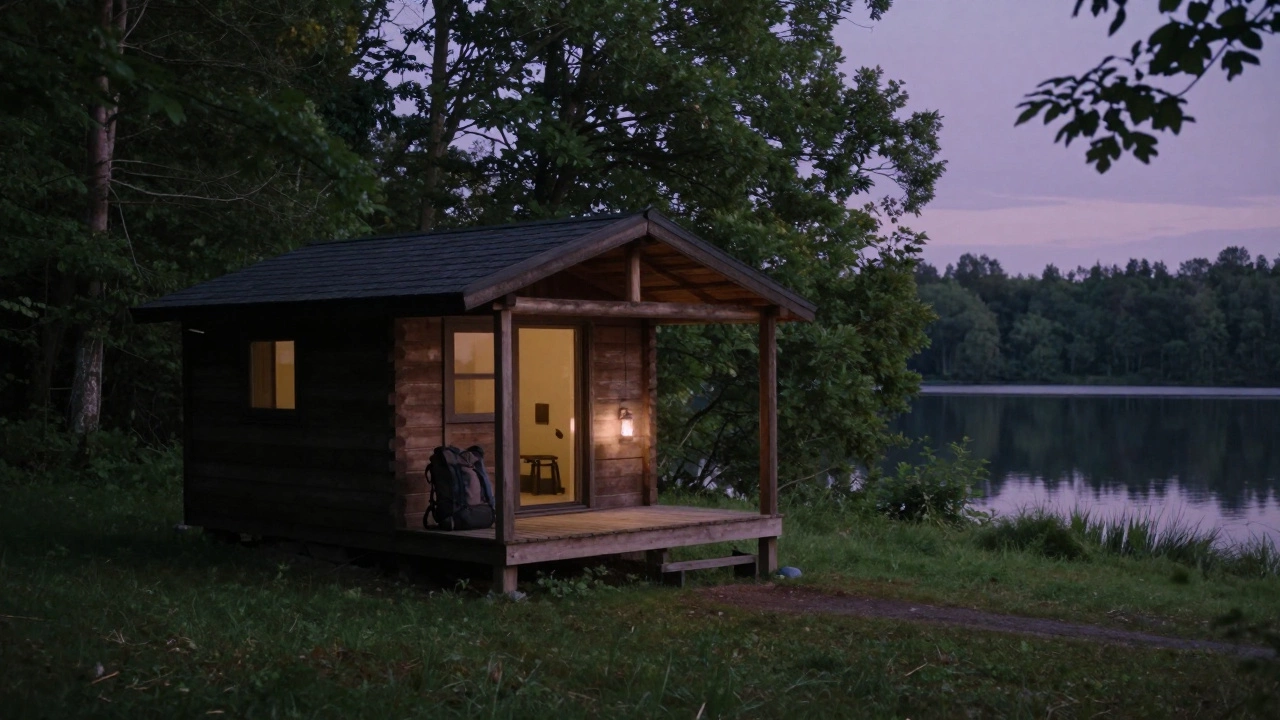
It’s not about luxury. It’s about rhythm. The first two days off? That’s your weekly reset. No emails. No chores. Just walking, reading, or doing nothing. The two-night getaway every two months? That’s your mental reset. You leave your routine behind - even if it’s just a cabin by a lake or a quiet town an hour away. And the two-week break every two years? That’s your big reset - the trip you’ve been dreaming of.
This rule wasn’t invented by a productivity guru. It came from real data. A 2023 study by the University of California, Berkeley tracked over 12,000 professionals who followed this pattern. Those who stuck to it reported 40% fewer symptoms of burnout, 30% higher job satisfaction, and better sleep quality than those who only took vacation days in lump sums.
Why This Works When Other Rules Don’t
Most vacation advice tells you to “take more time off.” But that’s not realistic for most people. You’ve got rent, bills, kids, or a boss who thinks you’re “not serious” if you’re not always online. The 2-2-2 rule doesn’t ask for perfection. It asks for consistency.
Think about it: if you only take one long trip a year, your body doesn’t get time to adjust. You arrive excited, then spend the first three days recovering from travel stress. By day five, you’re finally relaxed - and then it’s time to go home. That’s not rest. That’s a cycle of stress and guilt.
The 2-2-2 rule breaks that cycle. The short breaks keep your stress levels low. The two-night trips give your brain a real change of scenery - no more staring at the same four walls. And because they’re scheduled, you stop thinking of them as “luxuries.” They become part of your routine, like brushing your teeth.
How to Make It Work in Real Life
Let’s say you live in Port Elizabeth, like I do. You work Monday to Friday. Here’s how the 2-2-2 rule looks in practice:
- Every two weeks: Pick a weekend where you don’t answer work messages. Sleep in. Go to the beach. Cook something slow. Call a friend just to talk. No screens after 8 p.m.
- Every two months: Book a two-night stay somewhere new. It could be a guesthouse in Knysna. A campsite near Addo. A quiet B&B in Hermanus. The point isn’t where you go - it’s that you leave your home environment. No phones. No reminders of work. Just quiet.
- Every two years: Plan a real trip. Maybe it’s Portugal. Or Japan. Or a road trip across Namibia. This is your reward. And because you’ve been doing the smaller breaks, you’ll actually enjoy it - not feel guilty about taking time off.
Some people think, “I can’t afford two-night trips every two months.” But you don’t need to spend much. A two-night stay at a local guesthouse can cost less than $100. A weekend in a national park? Often under $50. You’re not buying a vacation. You’re buying peace.
What Happens When You Skip It?
People who don’t follow any kind of rhythm often end up in one of two places:
- The Burnout Zone: You’re tired all the time. You snap at coworkers. You lose interest in hobbies. You feel like you’re running on fumes.
- The Guilt Zone: You take a week off - but spend it cleaning, packing, or worrying about what you missed at work. When you get back, you’re exhausted again.
Neither of those is rest. And neither fixes the problem.
One woman I talked to - a nurse in Cape Town - told me she used to take one big vacation every year. Then she’d crash for three weeks after. She started doing the 2-2-2 rule. After six months, she stopped needing caffeine before 10 a.m. Her husband said she smiled more. She didn’t even realize how drained she’d been.
Common Mistakes People Make
Even when people try this rule, they mess it up. Here are the top three mistakes:
- Using your phone on the getaway. If you’re scrolling Instagram while sitting by a lake, you’re not resetting. Put it on airplane mode. Leave it in the drawer.
- Waiting for the “perfect” time. You don’t need to wait until things calm down. The whole point is to prevent things from getting chaotic.
- Thinking it’s only for “serious” people. This isn’t a corporate trend. It’s for teachers, delivery drivers, stay-at-home parents, nurses, and freelancers. Anyone who feels tired.

Is This Rule Right for You?
You don’t need to be perfect. If you can do just one part - say, two days off every two weeks - you’ll already feel better. The rest will follow.
Ask yourself:
- Do I feel like I’m always catching up?
- Do I dread Monday mornings?
- Do I forget what I like to do outside of work?
If you answered yes to any of those, the 2-2-2 rule isn’t a luxury. It’s a lifeline.
Getting Started This Week
Here’s your first step: This weekend, block off two days. No work. No chores. No guilt.
Then, mark your calendar. Two months from now, book a two-night stay somewhere you’ve never been. Even if it’s just a place 90 minutes away. Write it down. Treat it like a doctor’s appointment.
You don’t need to quit your job. You don’t need more money. You just need to stop treating rest as an afterthought. The 2-2-2 rule is the simplest, most effective way to reclaim your energy - one small trip at a time.
Can the 2-2-2 vacation rule work if I have kids?
Absolutely. In fact, kids benefit even more. The two-day weekend off becomes family time - no screens, no schedule. The two-night getaway? Take them somewhere simple: a beach house, a cabin, a campsite. Kids don’t need fancy hotels. They need to see you relaxed. And you’ll notice they sleep better, argue less, and talk more when the routine changes.
What if I can’t afford a two-night trip every two months?
You don’t need to spend money. Try a “staycation” where you leave your home - even if it’s just sleeping in the backyard, visiting a nearby town, or staying at a friend’s place. The key is changing your environment. A two-night stay at a local guesthouse can cost less than $60. Or, swap houses with someone in another city. The goal isn’t luxury - it’s distance from your daily grind.
Does the 2-2-2 rule apply to remote workers?
Yes - maybe even more than office workers. Remote workers often blur the lines between work and home. The two-day weekend off helps reset boundaries. The two-night getaway is critical because it physically removes you from your workspace. Even if your home office is just a corner of the living room, leaving the house breaks the mental link between “work” and “home.”
Is this just another productivity hack?
No. This isn’t about doing more. It’s about stopping the cycle of exhaustion. The rule isn’t designed to make you more efficient. It’s designed to make you feel human again. It’s about sleep, laughter, quiet mornings, and not answering emails on Sunday. That’s not productivity. That’s survival.
What if my job doesn’t let me take weekends off?
Then start with the two-night getaway every two months. Even if you can’t take weekends off, you can still leave town for two nights. Use a vacation day. Swap shifts with a coworker. Ask for one long weekend every few months. The goal is to break the pattern - even if it’s small. One trip every two months can still reset your nervous system. You don’t need perfection. You need progress.