
England Staycation Planner & Estimator
Pro Tip for This Trip:
The trend of staying close to home has shifted from a pandemic necessity to a conscious lifestyle choice for millions across the United Kingdom. In England, where travel costs and flight emissions are increasingly scrutinized, domestic tourism-often called "staycations"-has exploded. But where exactly do people go when they decide to skip the airport? The answer isn't just one place; it's a diverse mix of coastal escapes, rural hideaways, and cultural hubs that offer distinct experiences without the hassle of international borders.
The Coastal Revival: Why the Seaside is Back
For decades, the British seaside was considered outdated. You had the fish and chips, the arcades, and the grey skies. But in 2026, the coastline has undergone a massive rebrand. It’s no longer just about sunbathing (which remains unpredictable); it’s about wellness, food, and dramatic landscapes.
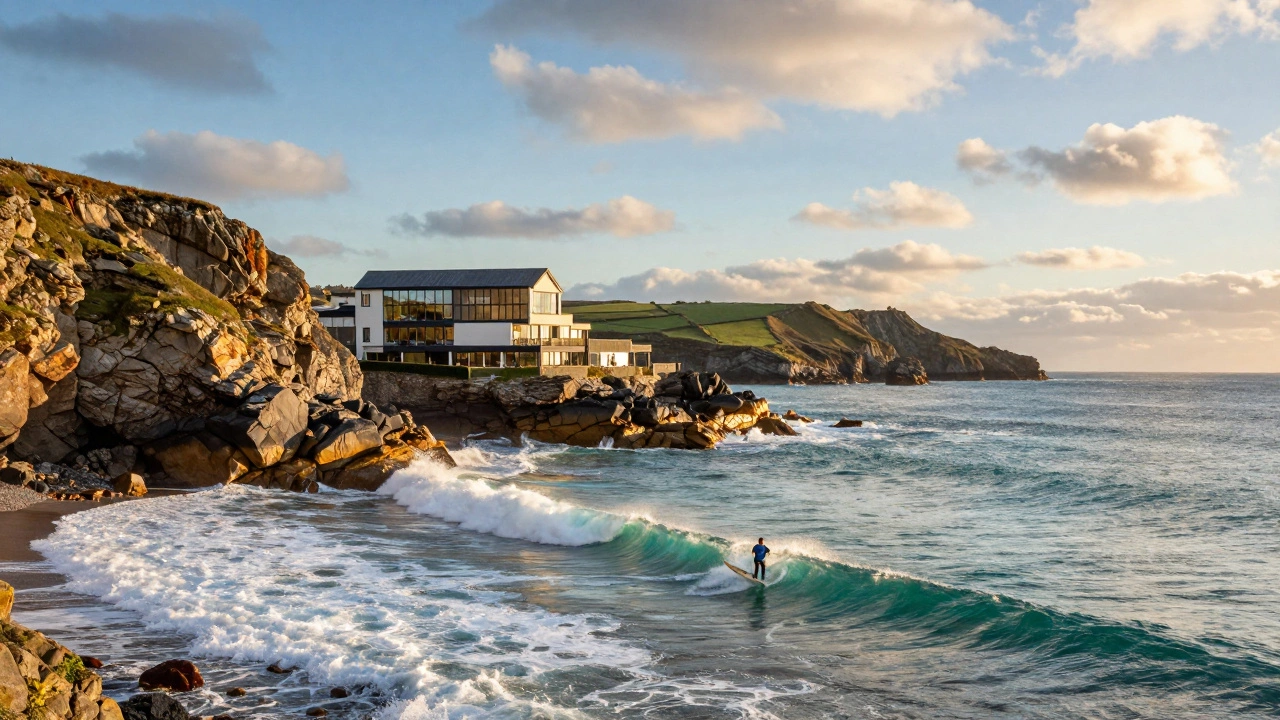
The South Coast continues to dominate. Brighton and Hastings have transformed into vibrant cultural centers with thriving food scenes and independent boutiques. Further west, Cornwall remains the heavyweight champion of English holidays. Places like St Ives and Newquay attract visitors not just for surfing but for their art galleries and cliff-top walks. The drive along the A39 is legendary, offering views that rival any Mediterranean destination.
If you head north, the Northumberland Coast offers a different vibe. It’s quieter, wilder, and perfect for those seeking solitude. The Northumberland National Park area provides dark sky reserves, ideal for stargazing, which has become a popular niche activity. Meanwhile, the Jurassic Coast in Dorset draws geology enthusiasts and families alike, with beaches like Lyme Regis offering fossil hunting opportunities that feel like stepping back in time.
- Cornwall: Best for surfers, artists, and luxury seekers.
- Brighton & Sussex: Ideal for culture vultures and nightlife.
- Dorset (Jurassic Coast): Perfect for families and nature lovers.
- Northumberland: Great for hikers and those seeking peace.
The Countryside Escape: Green Belts and Rolling Hills
Not everyone wants salt spray in their hair. A significant portion of England’s population heads inland to the country’s renowned national parks. These areas offer clean air, green spaces, and a slower pace of life that contrasts sharply with urban stress.
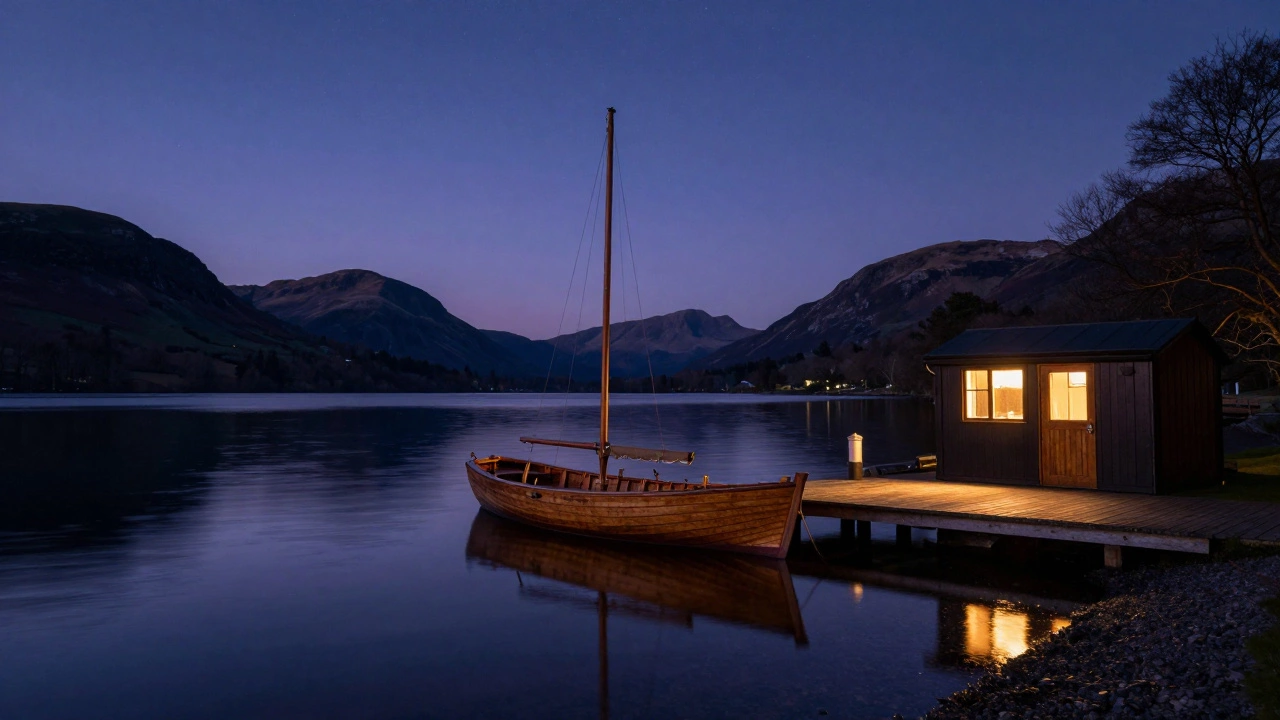
The Lake District is perhaps the most famous rural destination. With its stunning lakes and mountain peaks, it attracts walkers, cyclists, and boat enthusiasts. The region has seen an influx of high-end glamping sites and boutique hotels, making it accessible for travelers who want comfort alongside adventure. Windermere serves as a central hub, but venturing into smaller villages like Grasmere or Ambleside reveals the authentic charm of Cumbria.
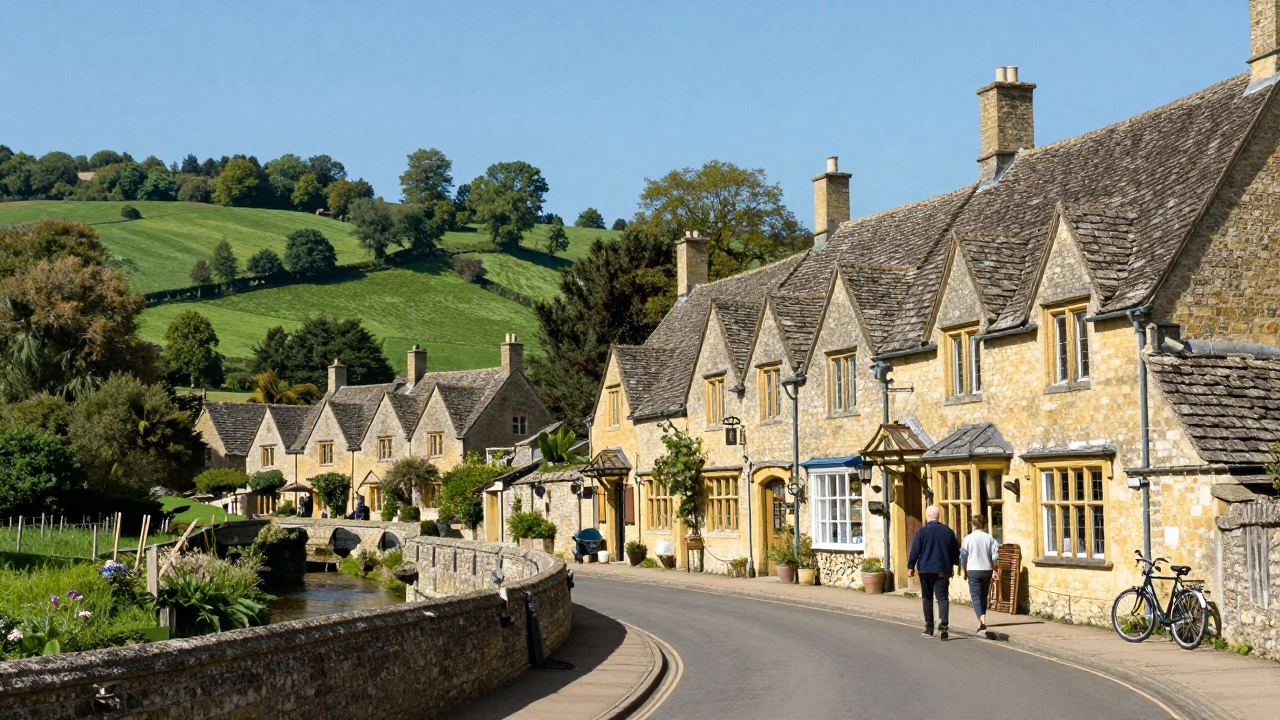
In the south, the Cotswolds remain a top choice for those seeking picturesque beauty. The honey-stone cottages, rolling hills, and quaint villages like Bourton-on-the-Water and Stow-on-the-Wold are iconic. This area is particularly popular for weekend getaways from London, offering pub lunches, shopping for handmade goods, and gentle walks through meadows. It’s less about rugged adventure and more about aesthetic relaxation.
The Peak District offers a middle ground. Located in the heart of England, it’s easily accessible from major cities like Manchester and Sheffield. It features both high moorland and low dales, providing varied terrain for hiking. The presence of historic estates like Chatsworth House adds a layer of cultural interest to the natural scenery.
| Destination | Best For | Average Daily Cost | Key Activity |
|---|---|---|---|
| Lake District | Hiking, Boating | £150 - £300 | Walking trails |
| Cotswolds | Relaxation, Shopping | £200 - £400 | Village tours |
| Peak District | Families, Cycling | £100 - £250 | Moorland walks |
Urban Retreats: City Breaks Within Reach
Some travelers prefer the energy of the city over the silence of the countryside. England’s cities offer rich cultural experiences, world-class museums, and diverse dining options. Since many of these cities are connected by high-speed rail, a day trip or short weekend break is incredibly convenient.
London needs no introduction, but even locals treat it as a holiday destination. Exploring neighborhoods like Shoreditch for street art, Kensington for museums, or Greenwich for history can feel like visiting a new place. The city’s extensive free museum network makes it budget-friendly, while its theater scene in the West End provides premium entertainment.
Edinburgh, though technically in Scotland, is often included in broader UK staycation plans due to its proximity to the English border and ease of access via train. However, focusing strictly on England, Bath stands out. Known for its Roman baths and Georgian architecture, Bath offers a sophisticated yet compact experience. It’s a favorite for literature fans (thanks to Jane Austen) and those interested in architectural history.
York combines medieval history with modern vibrancy. The Minster, the Shambles, and the city walls provide a tangible link to the past, while the city center boasts excellent pubs and shops. York is also a gateway to the Yorkshire Dales, allowing visitors to combine urban exploration with rural excursions.
Manchester has reinvented itself as a cultural powerhouse. From its music heritage to its sports stadiums and contemporary art galleries, it appeals to younger demographics. The Northern Quarter offers a gritty, creative atmosphere with independent cafes and bars, making it a hotspot for social travelers.
Historic Castles and Heritage Sites
England’s history is a major draw for domestic tourists. Many people plan their vacations around specific historical interests, whether it’s medieval castles, ancient ruins, or royal residences.
The Tower of London and Windsor Castle are obvious choices near London, but traveling further afield reveals hidden gems. Warwick Castle in the Midlands offers interactive experiences suitable for families, while Dover Castle provides strategic views of the Channel. In the north, Alnwick Castle in Northumberland is known for its gardens and Harry Potter connections.
Stately homes like Chatsworth House and Blenheim Palace attract visitors interested in interior design and landscape gardening. These estates often host events, concerts, and festivals, adding a dynamic element to the static architecture. Membership programs to groups like the National Trust or English Heritage allow frequent visitors to explore multiple sites cost-effectively.
Practical Tips for Planning Your English Staycation
To make the most of your time off, consider these practical advice points based on current trends and infrastructure.
- Book Early: Popular destinations like Cornwall and the Cotswolds fill up quickly, especially during school holidays. Booking accommodation at least two months in advance ensures better prices and selection.
- Use Rail Travel: Trains in England are efficient and scenic. Advance tickets can be significantly cheaper than buying on the day. Consider a rail pass if you plan to visit multiple cities.
- Embrace Shoulder Seasons: May, June, September, and October offer pleasant weather with fewer crowds compared to July and August. Prices for accommodation drop during these periods.
- Explore Local Food: England’s culinary scene has improved dramatically. Look for restaurants sourcing local produce, such as Cornish pasties, Lancashire hotpot, or Yorkshire puddings, to enhance your cultural experience.
- Combine Activities: Don’t limit yourself to one type of attraction. Mix a beach day with a castle visit, or pair a city tour with a countryside walk to maximize variety.
Sustainability and the Future of Domestic Travel
The rise of staycations aligns with growing environmental awareness. Flying short distances within Europe or beyond has a significant carbon footprint. By choosing trains or cars for domestic trips, travelers reduce their impact. Many hotels and attractions in England now promote eco-friendly practices, from renewable energy use to waste reduction programs.
This shift also supports local economies. Money spent on domestic holidays stays within the community, benefiting small businesses, artisans, and service providers. As climate concerns persist, expect this trend to strengthen, with more incentives for green travel and sustainable tourism initiatives emerging across the country.
What is the best time to visit England for a staycation?
The best times are late spring (May-June) and early autumn (September-October). During these months, the weather is generally mild, crowds are thinner, and accommodation prices are lower compared to the peak summer season of July and August.
Are English national parks free to enter?
Yes, entry to all national parks in England, including the Lake District, Peak District, and Cotswolds, is free. However, parking fees may apply at certain visitor centers and trailheads.
Is it cheaper to stay in cities or the countryside?
It depends on the location and season. Cities like London and Edinburgh tend to be more expensive, especially for hotels. Rural areas like the Cotswolds can also be pricey due to demand for boutique accommodations. Mid-range cities like Manchester or York often offer better value for money.
Can I visit multiple regions in one week?
Yes, England’s rail network makes it feasible to visit several regions in a week. For example, you could start in London, take a train to Oxford or Bath, then move to the Cotswolds or Bristol. Just ensure you book train tickets in advance to save costs.
What should I pack for an English countryside holiday?
Pack layers! Weather can change rapidly. Include waterproof jackets, comfortable walking shoes, warm sweaters, and sunglasses. Even in summer, evenings can be cool, so versatile clothing is key.