Split Daily Budget Calculator (2026)
Configure Your Trip
Select your preferences to see your estimated daily cost in Split.
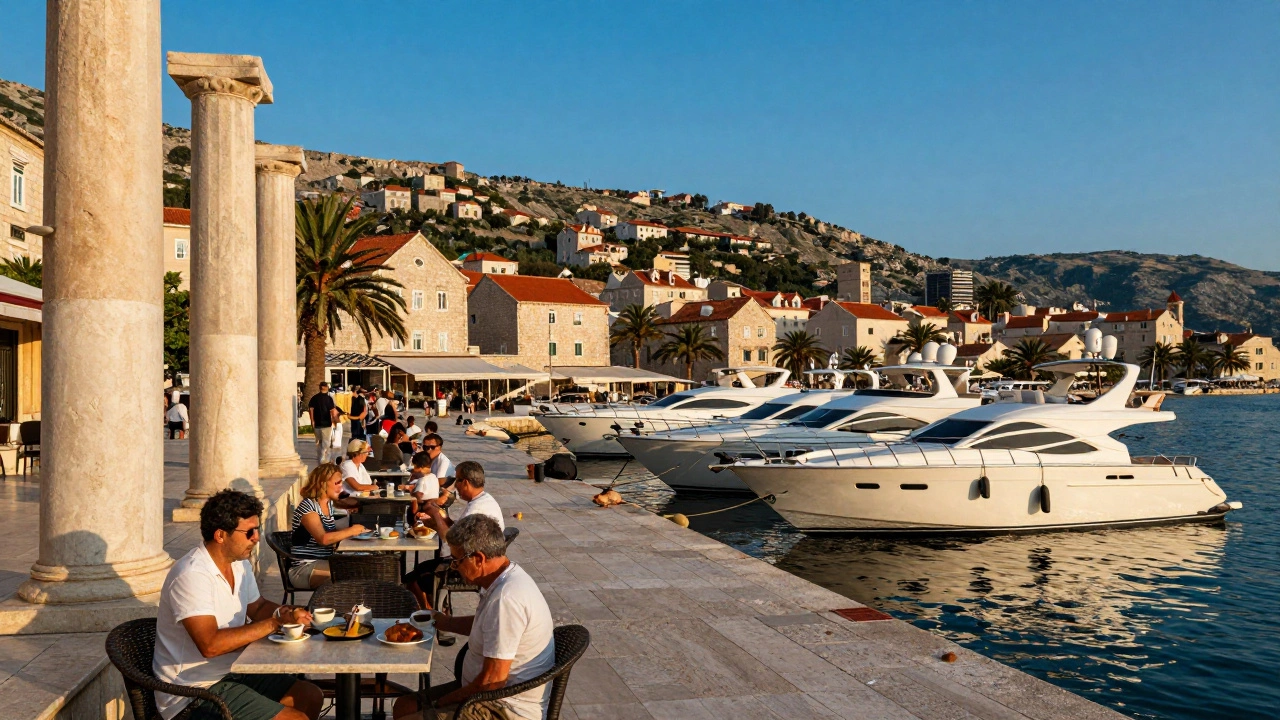
Split is often painted as the glamorous gateway to the Dalmatian coast. You see the photos: sun-drenched stone streets, luxury yachts bobbing in the harbor, and cocktails that look like they cost more than your flight ticket. It’s easy to assume that visiting this historic city means emptying your wallet. But here is the truth that most glossy brochures leave out: Split does not have to be expensive. In fact, if you know where to look and what to avoid, it can be surprisingly affordable compared to other European capitals.
I’ve spent time walking these marble-paved streets, eating at local konobas (taverns), and navigating the public transport system. The difference between a tourist trap and a genuine local experience in Split isn’t just about price-it’s about knowledge. This guide breaks down exactly how much you’ll spend on food, lodging, and fun, so you can plan a trip that fits your actual budget, not an inflated one.
Where Your Money Goes: Accommodation Costs
The biggest chunk of any travel budget usually goes to sleep. In Split, the location dictates the price tag. Staying right inside Diocletian’s Palace or within walking distance of the Riva waterfront commands a premium. You are paying for convenience and atmosphere. However, moving just twenty minutes away by bus opens up a world of cheaper options without sacrificing safety or comfort.
For solo travelers or couples on a tight budget, hostels in the Šalata or Varoš districts offer clean beds starting from €15 to €25 per night. These areas are lively, filled with locals, and just a short walk to the old town. If you prefer private rooms, Airbnb listings in neighborhoods like Bačvice or Marjan Hill range from €40 to €70 per night for a modest studio. Luxury hotels near the port easily exceed €150 per night, especially during the peak summer months of July and August.
| Accommodation Type | Budget Range (EUR) | Best For |
|---|---|---|
| Hostel Dorm Bed | €15 - €30 | Solo travelers, backpackers |
| Private Apartment/Airbnb | €45 - €90 | Couples, small families |
| Mid-Range Hotel | €80 - €150 | Comfort seekers, business travelers |
| Luxury Boutique Hotel | €200+ | Honeymooners, luxury experiences |
A pro tip: Book early. Prices in Split surge dramatically in June through September. If you visit in May or October, you can often find high-quality accommodations for half the peak-season price. The weather remains warm enough for swimming, but the crowds-and the costs-drop significantly.
Eating Well Without Breaking the Bank
Food in Split ranges from street-food snacks to Michelin-starred dining. The key to keeping costs down is understanding the local menu structure. Tourist menus in the Old Town often feature inflated prices for simple dishes. A plate of pasta might cost €18 in a restaurant facing the sea, whereas the same dish costs €8 in a neighborhood taverna three blocks away.
Start your day with coffee. Croatians take their morning espresso seriously. A standard 'kava' costs around €1.50 to €2.00. Avoid ordering cappuccinos after 11 AM; it’s considered a breakfast drink, and some places may charge extra or simply refuse. For lunch, look for 'dnevni meni' (daily menu) signs. Many local cafes and restaurants offer a set meal including soup, main course, and coffee for €10 to €15. This is where you get the best value.
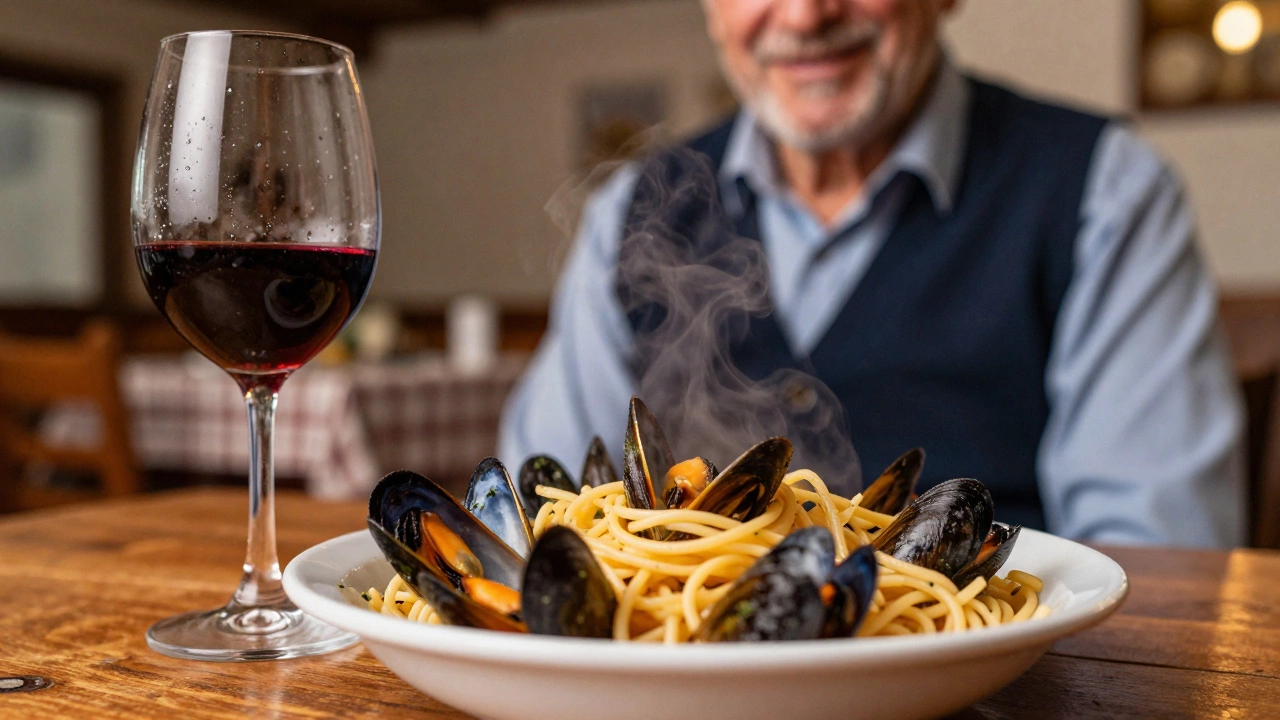
Dinner is where budgets can slip. Fresh seafood is delicious but pricey. Octopus, grilled fish, and calamari will run you €15 to €25 per portion. Instead, try traditional Croatian stews like 'špageti s ljemovima' (spaghetti with mussels) or 'fiš paprikaš' (fish stew). These are hearty, flavorful, and often cheaper than whole grilled fish. Don’t forget dessert: 'rožata' (similar to crème brûlée) is a must-try and typically costs €3 to €5.
- Cheap Eats: Try 'brudet' (fish stew) shared among friends to split the cost.
- Snacks: Buy fresh fruit from the market near the cathedral. Apples, oranges, and grapes are inexpensive and refreshing.
- Drinks: Beer costs €2.50 to €4.00 in bars. Wine by the glass is often €3 to €6. Stick to house wine for the best quality-to-price ratio.
Getting Around: Transport Costs
Split’s historic center is compact and entirely pedestrian-friendly. You can walk from the Riva promenade to Diocletian’s Palace in under five minutes. This makes walking the cheapest and most enjoyable way to explore the core attractions. No tickets needed.
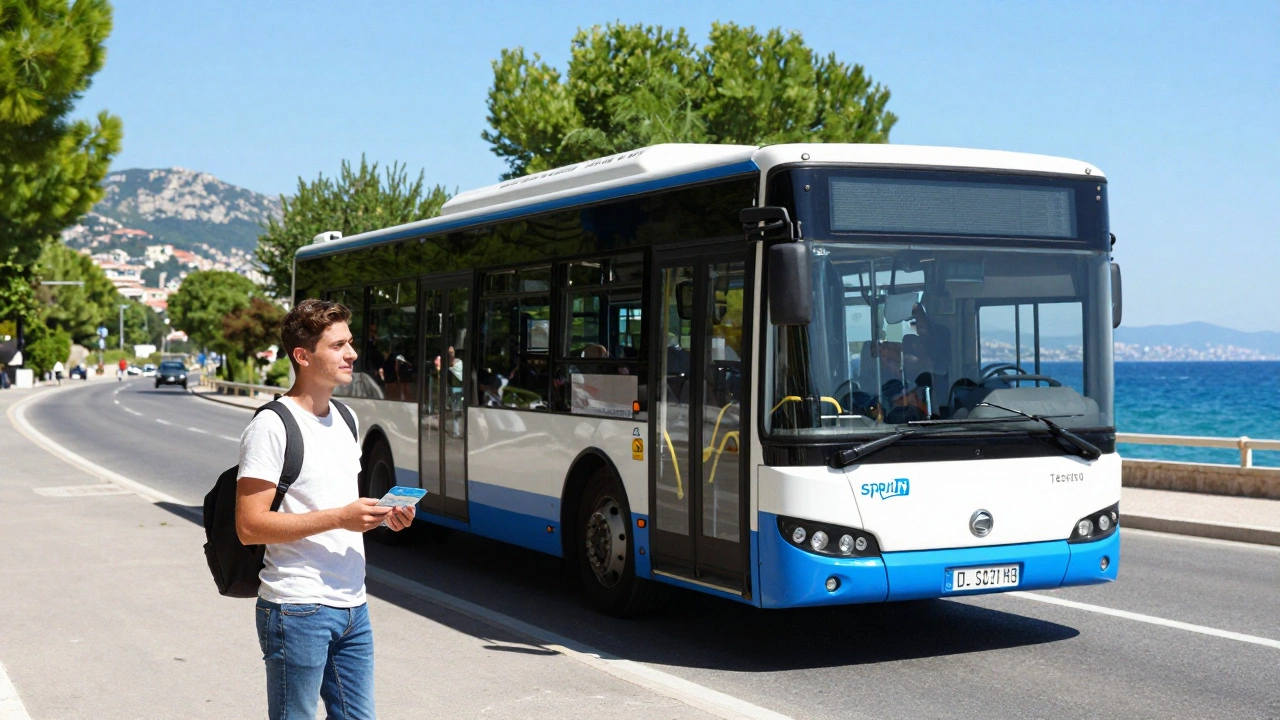
When you need to go further-perhaps to the airport, the train station, or nearby beaches like Bačvice-you’ll use public transport. Split’s bus network is efficient and affordable. A single bus ticket costs €1.50 if bought from the driver, or €1.20 if purchased in advance at kiosks or newsstands. Daily passes are available for €3.00, which pays for itself after two rides. Monthly passes exist but are only relevant for long-term stays.
Taxis are significantly more expensive. A ride from the airport to the city center can cost €25 to €35 depending on traffic and time of day. Always insist on using the meter, or agree on a price beforehand. Ride-sharing apps are not widely used in Split, so cash or card payments to drivers are standard.
If you’re planning island hopping, ferries are your best friend. Companies like Jadrolinija and Krilo operate regular routes to Hvar, Brač, and Vis. Tickets vary by destination and season. A ferry to Hvar Island might cost €20 to €40 round trip for foot passengers. Booking online in advance secures better rates and guarantees a seat.
Attractions and Entertainment: What’s Worth Paying For?
Many of Split’s top attractions are free. Walking through Diocletian’s Palace, exploring the Peristyle square, and wandering the narrow streets of the Old Town require no entry fee. The Riva waterfront is perfect for evening strolls, watching the sunset, and people-watching-all at zero cost.
However, some sites do charge entrance fees. The Cathedral of Saint Domnius offers panoramic views from its bell tower for about €5. The Diocletian’s Palace complex charges a small fee (around €5) for access to certain underground chambers and museums, though the outer areas remain free. Marjan Park, a lush green peninsula overlooking the city, is free to enter and ideal for hiking, cycling, and picnics.
For entertainment, live music is abundant in the summer. Many bars and squares host free concerts. If you want a guided tour, skip the large groups. Small, independent guides often offer personalized tours for €20 to €30 per person, providing deeper insights into Split’s Illyrian and Roman history.
Hidden Costs and Money-Saving Tips
Be mindful of seasonal variations. During July and August, prices for everything-from ice cream to hotel rooms-can double. Shoulder seasons (May, June, September, October) offer the best balance of good weather and reasonable prices.
Avoid exchanging money at airports or hotels. Use ATMs located in banks for the best exchange rates. Credit cards are widely accepted in Split, but carrying some cash (Croatian Kuna has been replaced by the Euro since 2023) is useful for small vendors, markets, and tips.
Tipping is customary but not mandatory. Leaving 10% at restaurants is appreciated for good service. In cafes, rounding up the bill or leaving small change is sufficient.
Is Split more expensive than Dubrovnik?
Yes, generally speaking. Dubrovnik is known for being one of the most expensive cities in Croatia due to its heavy tourism focus and limited space. Split offers more local life, diverse accommodation options, and slightly lower prices for food and activities, making it a more budget-friendly choice for many travelers.
How much should I budget per day in Split?
A budget traveler can manage with €40-€60 per day, covering hostel stays, self-catering or cheap meals, and free attractions. Mid-range travelers should expect to spend €80-€120 per day for private accommodation, restaurant meals, and paid tours. Luxury travelers can spend €200+ per day.
What currency is used in Split in 2026?
Croatia adopted the Euro (EUR) in January 2023. All prices in Split are now listed in Euros. You can use credit cards widely, but having some cash for small purchases is recommended.
Are there free things to do in Split?
Absolutely. Exploring Diocletian’s Palace exterior, walking the Riva promenade, visiting Marjan Park, relaxing on Bačvice Beach, and wandering the Old Town streets are all free. Many cultural events and concerts in the summer are also open to the public at no cost.
Is public transport in Split reliable and cheap?
Yes. Split’s bus system is reliable, frequent, and very affordable. Single tickets cost around €1.50, and daily passes are €3.00. Buses connect the city center to the airport, train station, and major beaches efficiently.