
Major Family Holiday Planner & Guide
It’s easy to get confused when someone asks, "What are all 10 holidays?" There isn’t one single official list of ten global holidays. Different countries, religions, and cultures celebrate different days. However, if you look at the calendar year across most Western-influenced or globally connected societies, there are roughly ten major events that dominate our schedules, drive travel traffic, and bring families together.
These aren't just random dates on a calendar. They represent a mix of religious significance, historical remembrance, and secular tradition. For many of us, these ten pillars structure the entire year. If you’re trying to plan family trips, understand cultural nuances, or simply figure out why everyone is off work, knowing these core celebrations is essential.
Why We Group Holidays Into "Top 10" Lists
You might wonder why people keep asking for a specific number like ten. It’s because our brains love patterns. When we look at the annual cycle, certain days stand out as "mandatory" social obligations. These are the days when schools close, businesses slow down, and family gatherings become non-negotiable.
In many parts of the world, particularly in Europe, North America, and increasingly in globalized cities elsewhere, these ten holidays serve as the backbone of the social calendar. They dictate when we buy gifts, when we cook big meals, and when we reconnect with relatives we haven’t seen in months. Understanding this group helps you navigate not just your own schedule, but also the expectations of friends, colleagues, and partners from different backgrounds.
1. New Year’s Day (January 1)
We kick off the list with the start of the Gregorian calendar year. New Year’s Day is almost universally recognized. While it lacks the heavy gift-giving of other holidays, it carries immense psychological weight. It’s the day of resolutions, fresh starts, and looking forward.
For families, this often means a quiet morning after the partying of New Year’s Eve. In some cultures, like in Spain, eating twelve grapes at midnight is crucial for luck. In others, like in Scotland, Hogmanay involves elaborate street parties. But globally, January 1st is a day of rest and reflection. It sets the tone for the coming twelve months.
2. Valentine’s Day (February 14)
While often viewed as a romantic holiday for couples, Valentine’s Day has evolved into a broader celebration of love and appreciation. Families use this day to teach children about kindness and affection. Schools often have craft activities, and friends exchange cards.
It’s a smaller-scale holiday compared to Christmas, but its commercial impact is huge. More importantly, it reinforces the value of relationships. In many modern households, it’s less about grand gestures and more about small tokens of care-a shared meal, a handwritten note, or a simple hug.
3. Easter (Spring - Date Varies)
Easter is a movable feast, usually falling in March or April. Originally a Christian celebration of resurrection, it has absorbed many pagan spring traditions. The symbols of eggs and bunnies represent fertility and new life.
For families, Easter is magical. It combines religious observance for believers with fun activities for everyone else. Egg hunts, chocolate treats, and spring cleaning are common themes. In South Africa, where I live, Easter coincides with the end of summer, making it a popular time for beach visits and braais (barbecues). It’s a holiday that bridges faith and folklore seamlessly.
4. Mother’s Day (Second Sunday in May)
This is a purely secular but deeply emotional holiday. Mother’s Day honors maternal figures and their influence. It’s not a public holiday in most countries, meaning people still go to work, but the social pressure to acknowledge moms is strong.
Families plan special lunches, buy flowers, or give handmade gifts. It’s a day focused on gratitude. For grandparents, it’s a chance to see their grandchildren make an effort. The simplicity of the gesture matters more than the cost. It reminds us to pause and appreciate the caregivers in our lives.
5. Father’s Day (Third Sunday in June)
Similar to Mother’s Day, Father’s Day celebrates paternal figures. Historically overshadowed by its counterpart, it has gained equal footing in recent decades. It’s a day to honor dads, grandfathers, and father figures who provide guidance and support.
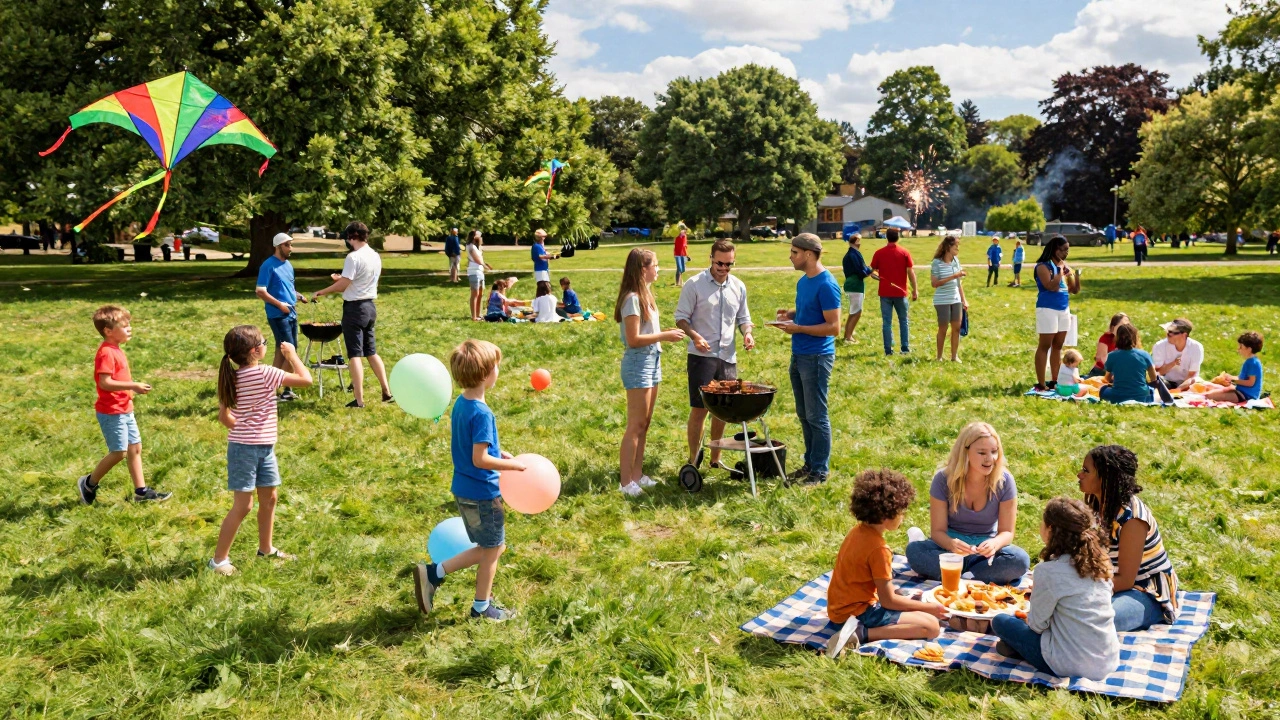
Traditions often involve outdoor activities, grilling, or sports. Gifts tend to be practical-tools, gadgets, or experiences. Like Mother’s Day, it’s about recognition. In a busy world, taking an hour to tell your dad you appreciate him can mean everything.
6. Independence Day / National Days (Varies by Country)
Every country has a day celebrating its sovereignty or founding. In the US, it’s July 4th. In France, it’s Bastille Day. In South Africa, we have Freedom Day in April. These holidays foster national pride and community spirit.
They are marked by parades, fireworks, and public speeches. For families, they are opportunities to connect with their heritage. You might wear national colors, eat traditional foods, or attend local festivals. These days remind us of the shared history and values that bind a society together.
| Season | Primary Focus | Typical Activities | Social Atmosphere |
|---|---|---|---|
| Winter (Dec-Jan) | Family reunion, generosity, reflection | Gift exchange, large meals, travel | High energy, sometimes stressful |
| Summer (Jun-Aug) | Community, leisure, patriotism | Outdoor events, barbecues, fireworks | Relaxed, casual, communal |
7. Labor Day / May Day (May 1 or First Monday in September)
Labor Day honors workers and the labor movement. The date varies significantly. In most of the world, it’s May 1st (International Workers' Day). In the US and Canada, it’s the first Monday in September, marking the unofficial end of summer.
Regardless of the date, the theme is rest and recognition of hard work. Families often take long weekends off. It’s a time to relax, enjoy the last bit of good weather, or prepare for the upcoming school year. It acknowledges that behind every product and service, there is human effort.
8. Halloween (October 31)
Halloween has exploded from a niche American tradition to a global phenomenon. Rooted in Celtic Samhain and Christian All Souls’ Day, it’s now primarily about costumes, candy, and spooky fun.
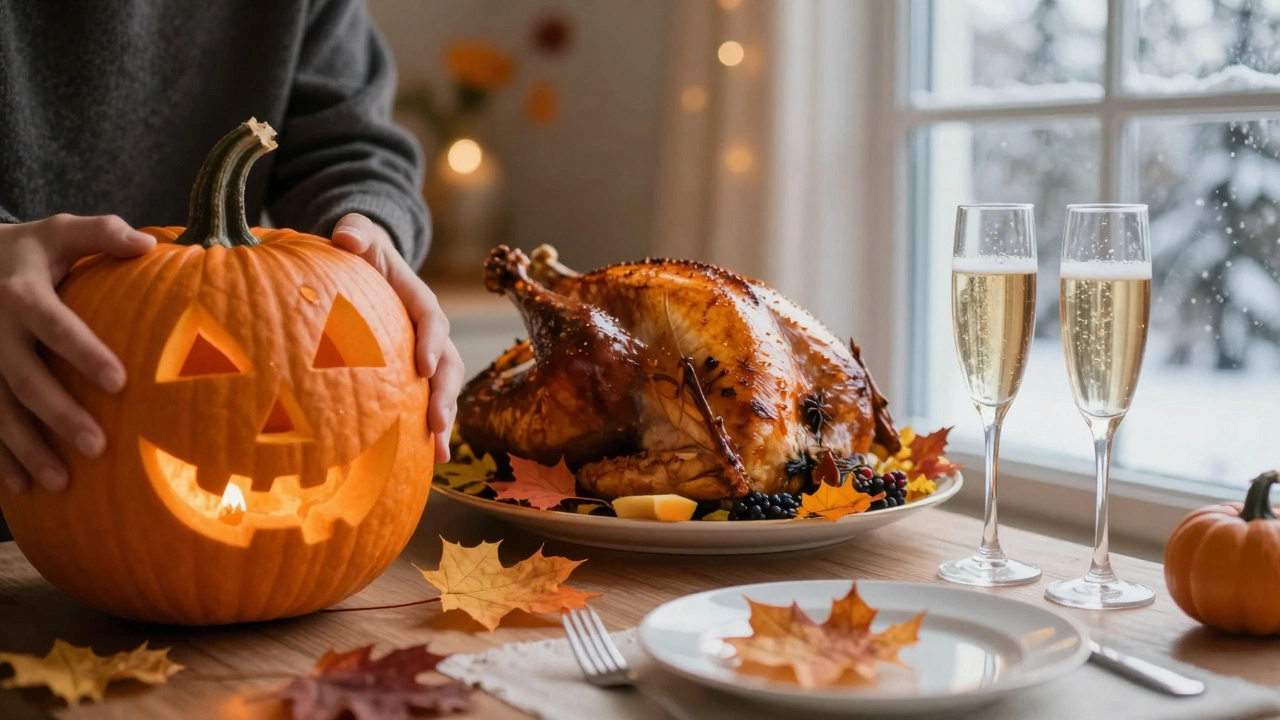
For families with young children, it’s a highlight of the year. Trick-or-treating, pumpkin carving, and haunted houses create memories. Even adults participate through themed parties. It’s one of the few holidays where dressing up is mandatory, encouraging creativity and playfulness.
9. Thanksgiving (Fourth Thursday in November - Primarily US/Canada)
Thanksgiving is a harvest festival centered on gratitude. While primarily celebrated in North America, its message resonates globally. It’s a day to gather around a table and thank each other for the past year’s blessings.
The meal is central-roast turkey, stuffing, pie. But the real value is the gathering. Many families use this time to reconnect before the chaos of Christmas. It teaches the importance of giving thanks, even when times are tough. In other parts of the world, similar harvest festivals exist, such as Pongal in India or Chuseok in Korea.
10. Christmas / Winter Solstice Celebrations (December 25 & Surrounding Days)
Christmas is the biggest of them all for billions of people. While religiously significant for Christians, it has become a cultural touchstone worldwide. Decorations, music, and gift-giving permeate December.
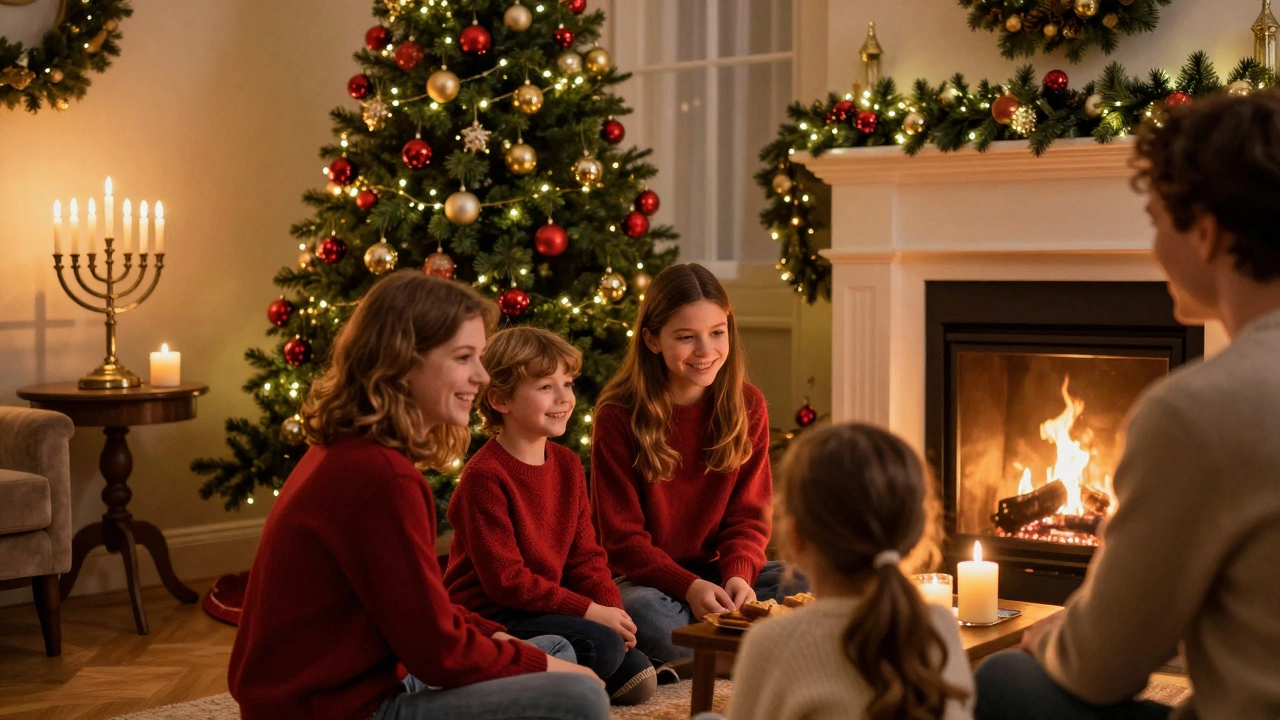
Alongside Christmas, we have Hanukkah (Jewish Festival of Lights), Kwanzaa (African-American heritage), and secular New Year’s Eve. This cluster creates a month-long festival season. For families, it’s the peak of emotional and financial investment. It’s about togetherness, charity, and hope. Even those who don’t celebrate religiously often enjoy the ambiance and the break from routine.
Navigating the Mix: Cultural Sensitivity and Inclusion
In today’s diverse world, your family might not celebrate all ten of these. You might prioritize Diwali over Halloween, or Eid over Christmas. That’s perfectly normal. The key is understanding that these holidays fill similar roles: marking time, honoring values, and connecting people.
If you’re in a multicultural household, blending traditions can be enriching. You might light menorahs while decorating a tree, or share a potluck with dishes from various cuisines. The goal isn’t to follow a rigid list, but to find what brings joy and meaning to your specific family unit.
Also, remember that not everyone enjoys these holidays. Some find them stressful, lonely, or financially burdensome. Being aware of this allows you to offer support. A simple check-in with a friend who seems overwhelmed can make a difference. Holidays should lift us up, not drag us down.
Planning Ahead: Making the Most of Each Holiday
To avoid the stress that often accompanies these ten major days, planning is key. Start early. Create a budget for gifts and food. Delegate tasks among family members. Don’t try to do everything yourself.
Focus on experiences rather than things. A homemade card often means more than an expensive gadget. A walk in the park can be better than a crowded restaurant. Quality time trumps quantity of presents every time.
Finally, stay flexible. Things will go wrong. Food might burn, guests might be late, kids might cry. Laugh it off. These imperfections are part of the memory-making process. The best holiday stories are often the ones where something went hilariously wrong.
Is there an official list of the top 10 holidays?
No, there is no single official global list. The "top 10" is a conceptual grouping based on widespread recognition, economic impact, and cultural significance in Western and globalized contexts. Different regions prioritize different holidays based on their religious and national calendars.
Which holiday is the most important for families?
Importance varies by culture and personal belief. For many, Christmas or Eid al-Fitr is the most significant due to its focus on family reunion and generosity. For others, Thanksgiving or Lunar New Year holds the deepest meaning. Ultimately, the most important holiday is the one that best aligns with your family’s values and traditions.
How can I celebrate holidays inclusively?
You can celebrate inclusively by learning about the traditions of others, inviting people from different backgrounds to share their customs, and focusing on universal themes like gratitude, love, and community. Avoid assuming everyone celebrates the same way, and always ask before participating in religious rituals.
Are these holidays public holidays everywhere?
Not at all. Public holidays vary by country. For example, Thanksgiving is a public holiday in the US and Canada but not in most other countries. Similarly, Diwali is a public holiday in India but not in Europe. Always check local laws and school calendars to know which days are officially observed.
What if my family doesn’t celebrate any of these ten holidays?
That’s completely fine! You can create your own traditions. Maybe you celebrate the changing seasons, anniversaries, or personal milestones. The essence of a holiday is marking time and connecting with loved ones. You don’t need a mainstream label to have meaningful celebrations.