Smart Travel Budget Estimator
Select your holiday type and dates to see estimated costs and smart booking tips based on 2026 trends.
Smart Booking Strategy
You’ve got the time off. You’ve got the itch to go somewhere. But your bank account is looking at you with that skeptical side-eye it gets when you mention flights. We’ve all been there-staring at a screen, wondering if we can actually afford to leave our house without eating instant noodles for a month afterward. The good news? You don’t need a lottery win to take a great trip. In fact, some of the most popular holidays are also the easiest on your wallet if you know how to navigate them.
So, what are the three most popular holidays right now? And more importantly, why do they keep winning people over year after year? It’s not just about the destination; it’s about the vibe, the cost, and the sheer ease of getting there. Whether you’re planning a quick escape or a proper two-week adventure, understanding these trends helps you book smarter, not harder.
The Summer Beach Getaway: Still King
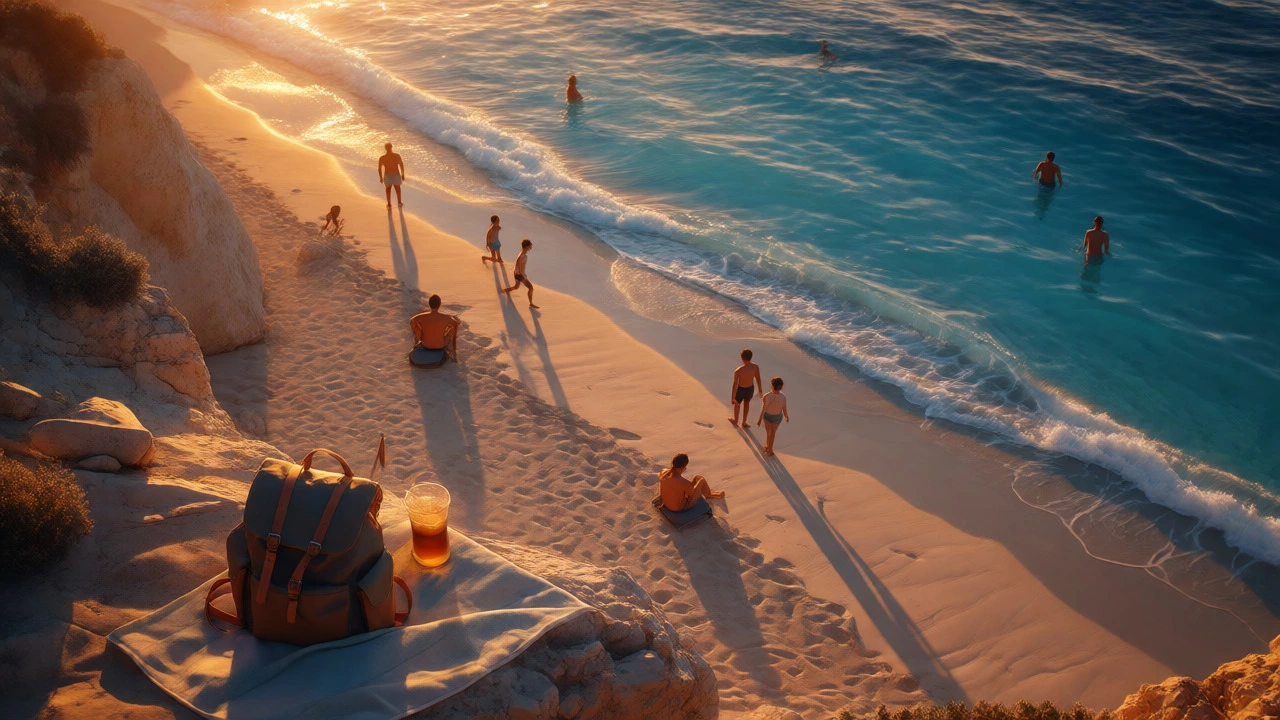
Let’s start with the obvious one. Every single year, without fail, the Summer Holiday is the undisputed champion of global travel. It’s the big one. The holiday everyone waits for. Why? Because humans crave sun, sand, and the feeling of doing absolutely nothing while drinking something cold.
A summer holiday is typically defined as a leisure trip taken during the warmest months of the year, often coinciding with school breaks and major public holidays. For us in the Southern Hemisphere, this means December through February. For Europe and North America, it’s June through August. The popularity here isn’t accidental. Airlines ramp up capacity, hotels compete fiercely for guests, and flight prices drop if you’re flexible enough to avoid the absolute peak weeks (think late July in Europe).
Here’s the trick with summer: it’s expensive if you follow the crowd. If you try to fly to Bali or Spain in mid-August, you’ll pay premium prices. But if you shift your dates by just two weeks into early September or late June, you can save up to 40% on airfare. That’s real money back in your pocket. Plus, the crowds thin out slightly, meaning better service and fewer queues at the beach bars.
Think about it this way: Do you want to be one of a million tourists fighting for a spot on a crowded Italian beach, or do you want to be one of the few enjoying the same weather but with half the noise? The latter is cheaper, too. Local vendors aren’t jacking up prices because demand has normalized. You get the authentic experience without the "tourist tax."
The Winter Break: Skiing and Sun Seeking
If summer is the loud, energetic party, the Winter Holiday is its moody, sophisticated sibling. This is the second most popular category, split neatly into two camps: those who love snow and those who hate it so much they flee to warmer climates.
Winter holidays encompass both ski resorts in high-altitude regions and tropical escapes sought by travelers escaping cold northern winters. For the ski crowd, places like the Alps, Colorado, or Lesotho (if you’re nearby) become hubs of activity. For the sun-seekers, destinations like Thailand, Mexico, or South Africa’s own Eastern Cape see massive influxes.
Why is this so popular? It’s the contrast. After months of gray skies and rain, the promise of sunshine feels life-saving. Or, for skiers, the crisp mountain air and adrenaline rush offer a reset button for the brain. The financial angle here is interesting. While ski gear can be pricey, many resorts offer "all-inclusive" packages that bundle lift passes, accommodation, and sometimes meals. These bundles often beat paying à la carte.
For the sun-seekers, the key is timing. Flying from London or New York to Southeast Asia in January is peak season, which means peak prices. However, flying in late November or early March hits the "shoulder season." You still get great weather, but the prices dip significantly. I remember booking a trip to Zanzibar in early March last year. The water was just as warm as in January, but my flight cost nearly half as much. Same sunset, different price tag.
| Holiday Type | Peak Season | Average Cost Trend | Main Attraction |
|---|---|---|---|
| Summer Beach | June-Aug (N. Hem), Dec-Feb (S. Hem) | High (drops in shoulder) | Sun, Sea, Relaxation |
| Winter/Ski | Dec-Mar | Variable (Gear costs add up) | Snow Sports, Cozy Vibes |
| Cultural City Breaks | Spring/Fall | Moderate to Low | History, Food, Art |

The Long Weekend City Break: The Budget Hero
This might surprise you, but City Breaks have quietly climbed to third place-and honestly, they deserve first. They are short, intense, and incredibly affordable if you plan well. A city break is usually three to four days, focused on urban exploration rather than lounging by a pool.
A city break is a short vacation spent in an urban area, focusing on sightseeing, dining, and cultural experiences rather than resort relaxation. Think Paris, Tokyo, Cape Town, or Berlin. Why are these so popular now? Because modern travelers value experiences over things. People would rather spend $500 on a weekend of incredible food and museum visits than $500 on a generic hotel room in a resort town where they do nothing.
The cost-saving hack here is obvious: shorter duration equals lower total cost. You don’t need to book a week-long stay. You book two nights. You fly red-eye or take a night train. You eat street food instead of fancy dinners every night. Suddenly, a "luxury" trip to a European capital becomes accessible. Plus, cities often have free attractions. Walking around Montmartre in Paris or hiking Table Mountain in Cape Town doesn’t cost a cent. Your spending goes toward memories, not overheads.
Also, consider the "hidden gems." Everyone knows Paris and Rome. But have you looked at Porto in Portugal or Ljubljana in Slovenia? They offer similar cultural richness at a fraction of the price. Flights are cheaper, meals are cheaper, and you still get the Instagram-worthy photos. The trend is moving away from the "big names" toward these smaller, more manageable cities.

How to Keep Costs Down Regardless of Holiday Type
No matter which of these top three holidays you choose, the difference between a cheap trip and an expensive one is rarely the destination itself. It’s the execution. Here are three rules I live by when planning trips from Port Elizabeth:
- Flexibility is currency. If you can move your dates by even three days, you can often save hundreds. Use tools that show price calendars, not just specific dates.
- Book flights separately from accommodation. Packages look convenient, but they’re rarely the cheapest option. Find the flight first, then hunt for lodging. Sometimes staying slightly outside the center saves 30%, and a cheap bus ride fixes the distance problem.
- Eat where locals eat. Tourist menus are marked up. Walk two blocks away from the main square, and you’ll find the same pasta for half the price. Better yet, ask a local. They always know the best spot.
Another tip: leverage credit card points or airline miles. Even if you don’t travel often, signing up for a rewards card for everyday purchases can fund a flight within a year. It’s free money waiting to be used.
Common Pitfalls When Booking Popular Holidays
Even experienced travelers make mistakes. One common error is ignoring the "total cost." You find a $50 flight, but then realize baggage fees are $30 each way, airport transfers are $20, and the hotel charges a resort fee. Suddenly, that $50 flight is $150. Always calculate the full landed cost before deciding.
Another trap is assuming popular equals bad value. Just because a destination is popular doesn’t mean it’s overpriced everywhere. Yes, central hotels in Barcelona are expensive. But stay in Gràcia or Poble-sec, and you’re in a cool neighborhood with local cafes and cheaper rents. Popularity drives infrastructure, which can actually lower costs for savvy travelers who know where to look.
Finally, don’t wait until the last minute thinking prices will drop. For popular holidays, especially summer and winter breaks, prices almost always rise closer to departure. The exception? Last-minute package deals, but those require extreme flexibility. If you have fixed dates, book early.
What is the cheapest time to book summer holidays?
The cheapest time to book summer holidays is typically 3 to 6 months in advance. Booking too early (9+ months) can sometimes mean higher prices due to limited inventory, while booking too late (under 1 month) risks price surges as seats fill up. Aim for the sweet spot of spring bookings for summer travel.
Are city breaks really cheaper than beach holidays?
Generally, yes. City breaks are shorter (2-4 days vs. 7-14 days), reducing accommodation costs. Additionally, many city attractions are free or low-cost, whereas beach holidays often involve paid activities, resort fees, and higher daily food costs in tourist zones. However, luxury city hotels can negate these savings, so choose accommodations wisely.
Which holiday type is best for families with kids?
Summer beach holidays are often preferred by families because children enjoy swimming and playing in the sand, requiring less active planning than city tours. All-inclusive resorts can also help manage budgets by covering meals and entertainment. However, if your kids are older, city breaks with interactive museums and parks can be equally engaging and cheaper.
How does seasonality affect holiday prices?
Seasonality directly impacts supply and demand. Peak seasons (summer, Christmas, ski season) have high demand, driving up prices. Shoulder seasons (spring and autumn) offer milder weather, fewer crowds, and significantly lower prices for flights and hotels. Off-seasons are the cheapest but may have limited services or poor weather.
Can I find cheap holidays to popular destinations?
Yes, by being strategic. Use budget airlines, stay in hostels or guesthouses instead of hotels, use public transport, and eat at local markets. Also, consider visiting popular destinations during their shoulder seasons. For example, visiting Rome in October is cheaper and less crowded than in July, but the weather is still pleasant.