Beach Sand Comfort Finder
Not sure which beach offers the barefoot bliss you're looking for? Answer three quick questions to get a personalized recommendation from our top global picks.
You know that feeling when you step off a plane or drive up to a coastline, and your feet immediately sink into something that feels less like dirt and more like warm flour? It’s not just about the view. The texture of the ground changes everything. If you’re planning a trip where barefoot comfort is non-negotiable, you’re probably asking yourself: what beach has the softest sand?
The answer isn’t just one single spot on a map. "Softness" is a mix of grain size, mineral composition, and how well-drained the area is. Some sands are powdery because they are made of crushed shells. Others are silky because they are pure quartz. And some are so fine they act like quicksand if you stand still too long. As someone who spends a lot of time walking the rugged, coarse-sand beaches of Port Elizabeth in South Africa, I can tell you that finding true powder-sand requires knowing what to look for.
Quick Summary
- Hyams Beach, Australia: Holds the Guinness World Record for whitest sand, which correlates with extreme fineness and softness.
- Whitehaven Beach, Australia: Famous for its 98% pure silica sand, which stays cool underfoot and doesn't stick to skin.
- Varadero Beach, Cuba: Offers incredibly fine, powdery sand across a massive stretch, ideal for families.
- Grace Bay, Turks & Caicos: Known for smooth, coral-derived sand that is gentle on sensitive feet.
- Silica vs. Calcium Carbonate: Silica sand (quartz) is generally softer and cooler than shell-based sand, which can be sharper.
Why Is Sand Soft? The Science of Grain Size
Before we pick winners, let’s talk about why some sand hurts your feet while others feel like velvet. Sand is categorized by grain size. Coarse sand, like gravel, has grains larger than 2mm. Medium sand ranges from 0.5mm to 1mm. Fine sand is between 0.0625mm and 0.2mm. But the "softest" sand often falls below 0.0625mm, entering the realm of silt or very fine dust.
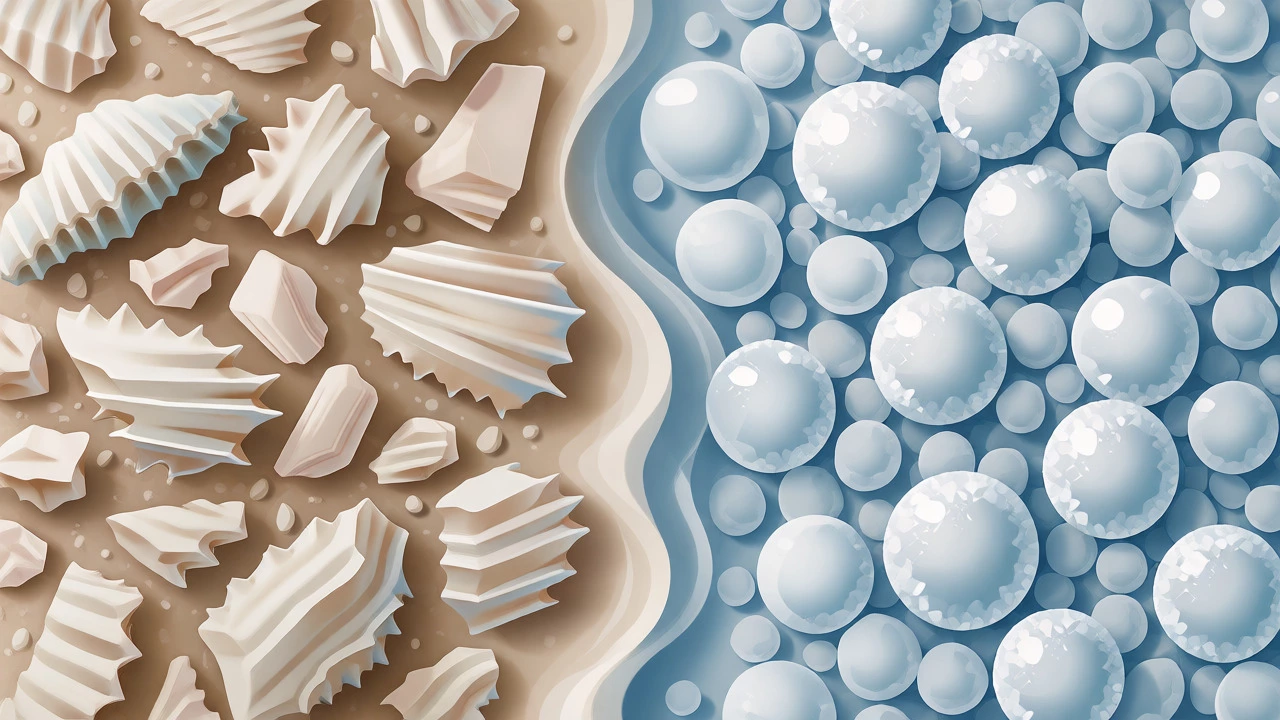
Most tropical white sand beaches are made of calcium carbonate-crushed shells, coral, and skeletons of microscopic organisms called foraminifera. Over centuries, waves grind this material down. If the grinding process is thorough, you get a powdery texture. However, if there are recent storms or nearby rocky outcrops, the sand might contain sharp fragments of broken shell. That’s why two beaches on the same island can feel completely different.
Then there is silica sand. This is made of quartz crystals. Because quartz is hard but breaks into uniform, rounded shapes over time, silica sand tends to be smoother and less abrasive than shell sand. It also reflects sunlight better, keeping it cooler. If you hate burning hot sand, silica is your friend.
The Contenders: Where to Find Powder-Sand Perfection
When travelers ask me for recommendations, I usually steer them toward three specific locations that consistently rank at the top for tactile comfort. These aren't just pretty pictures; they are engineered by nature to be gentle.
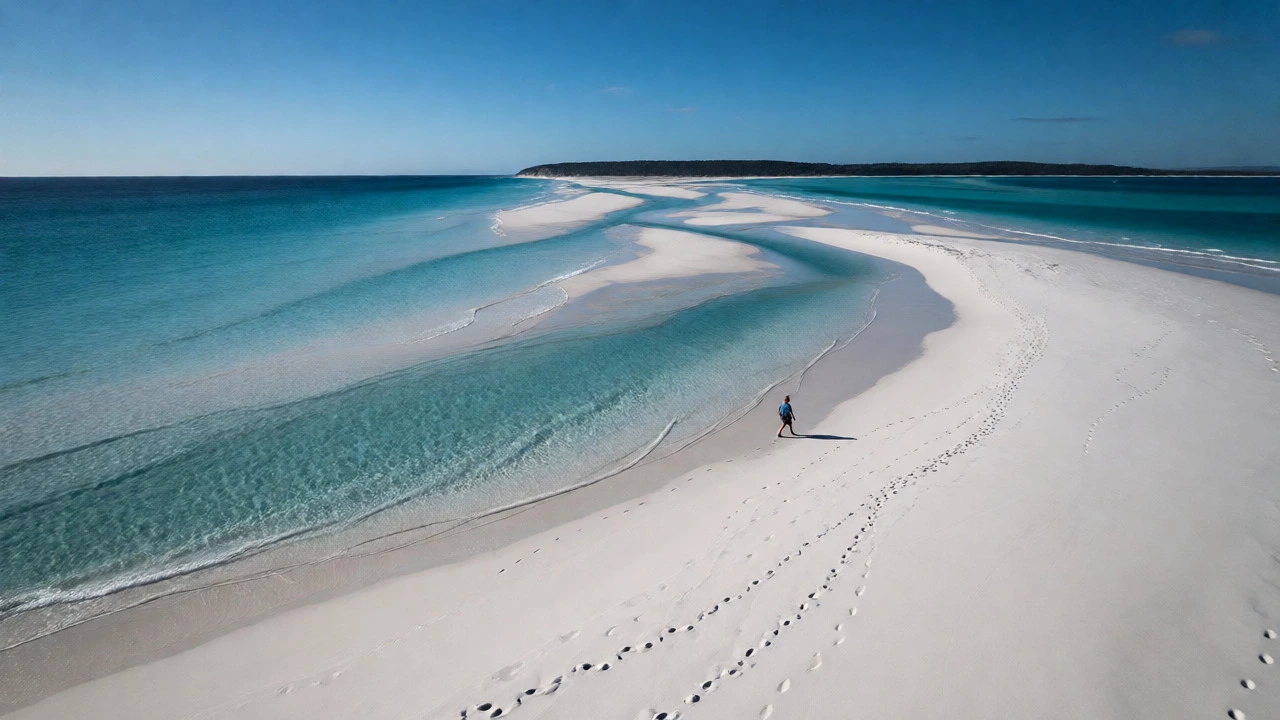
First, you have to look at Hyams Beach in New South Wales, Australia. It holds the official Guinness World Record for the whitest sand. While whiteness doesn't always equal softness, in this case, it does. The sand here is composed of extremely fine quartz particles. It’s so fine that locals joke it gets everywhere-even inside sealed containers. Walking here feels like stepping onto a cloud. The lack of coarse grit means no scraping sensation, even after hours of walking.
Nearby, in the Whitsunday Islands, lies Whitehaven Beach. This is arguably the most famous soft-sand beach in the world. The secret here is purity. The sand is 98% pure silica. Most other white sands are only 70-80% silica, with the rest being calcium carbonate or other minerals. Pure silica sand has a unique property: it doesn't hold heat. You can walk on Whitehaven at noon without burning your soles. Plus, it doesn't stick to wet skin. You shake it off easily. For parents with toddlers, this is a game-changer. No gritty mess in the car seat afterwards.
If you prefer the Caribbean, Varadero Beach in Cuba is a strong contender. Stretching for 20 kilometers, Varadero offers a consistent texture that rarely varies. The sand is powdery and pale yellow-white. It’s dense enough to pack well for castles but loose enough to sink into comfortably. Unlike some Florida beaches where coquina shells create a crunchy layer, Varadero’s sand is uniformly fine. It’s a favorite for honeymooners because it looks pristine in photos and feels luxurious in reality.
Comparing the Top Soft Sand Destinations
Not all soft sand experiences are created equal. Some are better for swimming, others for lounging. Here is a breakdown to help you decide which fits your travel style.
| Beach Name | Location | Sand Composition | Heat Retention | Best For |
|---|---|---|---|---|
| Hyams Beach | Australia | Fine Quartz (Whitest) | Moderate | Photography & Luxury |
| Whitehaven Beach | Australia | 98% Pure Silica | Low (Stays Cool) | Families & Hiking |
| Varadero Beach | Cuba | Powdery Calcium/Silica Mix | High | Resort Relaxation |
| Grace Bay | Turks & Caicos | Coral Dust | Moderate | Snorkeling & Comfort |
| Playa Blanca | Dominican Republic | Crushed Shell | High | Water Sports |
Regional Favorites: Beyond the Usual Suspects
While Australia and the Caribbean dominate the lists, don’t overlook other regions. In the Maldives, many private island resorts import sand or maintain their lagoons meticulously. The sand in the Maldives is almost entirely biogenic-meaning it comes from living things. Parrotfish play a huge role here. A single large parrotfish can produce hundreds of kilograms of sand per year by crushing coral. The result is a stark, blindingly white powder. However, because it is often shallow lagoon sand, it can sometimes contain tiny bits of live coral or sea grass roots. Check the tide lines before settling in for a nap.
In Europe, options are scarcer. Mediterranean beaches tend to be pebbly or coarse due to the geology of the coastlines. However, parts of Sardinia, Italy, specifically La Pelosa, offer surprisingly fine sand. It’s rare for the region. The sand here is mixed with small amounts of quartzite dust. It’s not as deep as Varadero, but it’s significantly softer than the typical French Riviera shingle. If you want European charm with toe-friendly terrain, Sardinia is your best bet.
For those staying closer to home in the Southern Hemisphere, check out Cape Le Grand National Park in Western Australia. While Hyams gets the headlines, Cape Le Grand offers uncrowded stretches of identical silica sand. It’s wilder, less commercialized, and equally soft. You’ll likely see kangaroos hopping along the dunes while you enjoy the powder beneath your feet.
Pitfalls: When "Soft" Sand Isn't What You Expect
Just because a beach looks white doesn't mean it’s soft. I’ve seen tourists disappointed by beaches that look like sugar but feel like glass. Why? Erosion patterns. If a beach faces a high-energy wave zone, the finer particles get washed away, leaving behind heavier, coarser grains. Conversely, protected bays accumulate fine sediment.
Another issue is contamination. In popular tourist spots, foot traffic compacts the sand. Compacted sand feels harder and hotter. If you visit during peak season, the first few meters near the entrance might be packed down. Walk further out, past the umbrellas, to find the natural, fluffy texture.
Also, beware of "sugar sand" that contains hidden hazards. Sometimes, the softness hides sharp objects like broken glass or rusty nails, especially in urban-adjacent beaches. Always do a quick sweep with your hand before letting kids crawl around. In remote areas like Whitehaven, the risk is low, but in places like Miami or Cancun, vigilance is key.
How to Test Sand Quality Before Booking
You can’t touch the sand through a screen, but you can gather intel. Look for reviews that mention "no shoes needed" or "cool sand." Search for terms like "silica content" or "powdery." Photos can be misleading; filters enhance whiteness but not texture.
Check the geological history. Volcanic islands often have black sand, which is usually coarse basalt. Limestone coasts often have jagged rocks. Coral reefs indicate potential for fine calcium carbonate sand. If the destination has a long history of tourism, the sand may be imported or replenished, which can alter its texture. Ask local forums or travel groups for recent firsthand accounts. A review from last week is worth ten from five years ago.
Final Thoughts on Barefoot Bliss
Choosing a beach based on sand texture might seem trivial, but it impacts your entire vacation experience. It determines whether you can walk freely, whether your children will cry from hot feet, and whether you’ll spend half the day brushing grit off your towels. If you prioritize comfort, aim for high-silica locations like Whitehaven or Hyams. If you want a balance of beauty and accessibility, Varadero or Grace Bay are excellent choices.
Remember, the softest sand is often found in places that protect their environment strictly. Overcrowding degrades sand quality. So, consider visiting these paradise spots during shoulder seasons. You’ll get the fluffiest sand and the quietest shores. Your feet will thank you.
Frequently Asked Questions
Which beach has the absolute softest sand in the world?
While subjective, Whitehaven Beach in Australia is widely considered the softest due to its 98% pure silica content. Hyams Beach is also a top contender, holding the record for the whitest sand, which typically indicates very fine, soft grains.
Is white sand always soft?
No. White sand is often made of crushed coral or shells. If the grinding process hasn't been complete, the sand can contain sharp fragments of shell or coral that feel prickly. Always check reviews for mentions of "sharp" or "gritty" texture.
Does soft sand get hot?
It depends on the composition. Silica sand (like at Whitehaven) reflects sunlight and stays relatively cool. Calcium carbonate sand (coral/shell) absorbs more heat and can become painfully hot during midday sun. If heat sensitivity is an issue, choose silica-based beaches.
Why does sand stick to my body at some beaches?
Sand sticks due to moisture and static electricity. Fine, powdery sand clings more easily to wet skin. However, pure silica sand at places like Whitehaven is hydrophobic to a degree and doesn't stick as much as mixed-mineral sands. Wearing a rash guard can also reduce sticking.
Are soft sand beaches bad for building sandcastles?
Not necessarily. Very fine sand requires more water to bind together properly. It can crumble easily if too dry. Coarser sand holds shape better with less water. However, with practice, fine sand makes incredibly detailed, smooth sculptures once compacted correctly.