G Adventures vs. Traditional Tours Matcher
Answer these questions based on your travel preferences to see which style matches your personality.
| Feature | Your Preference | Match |
|---|
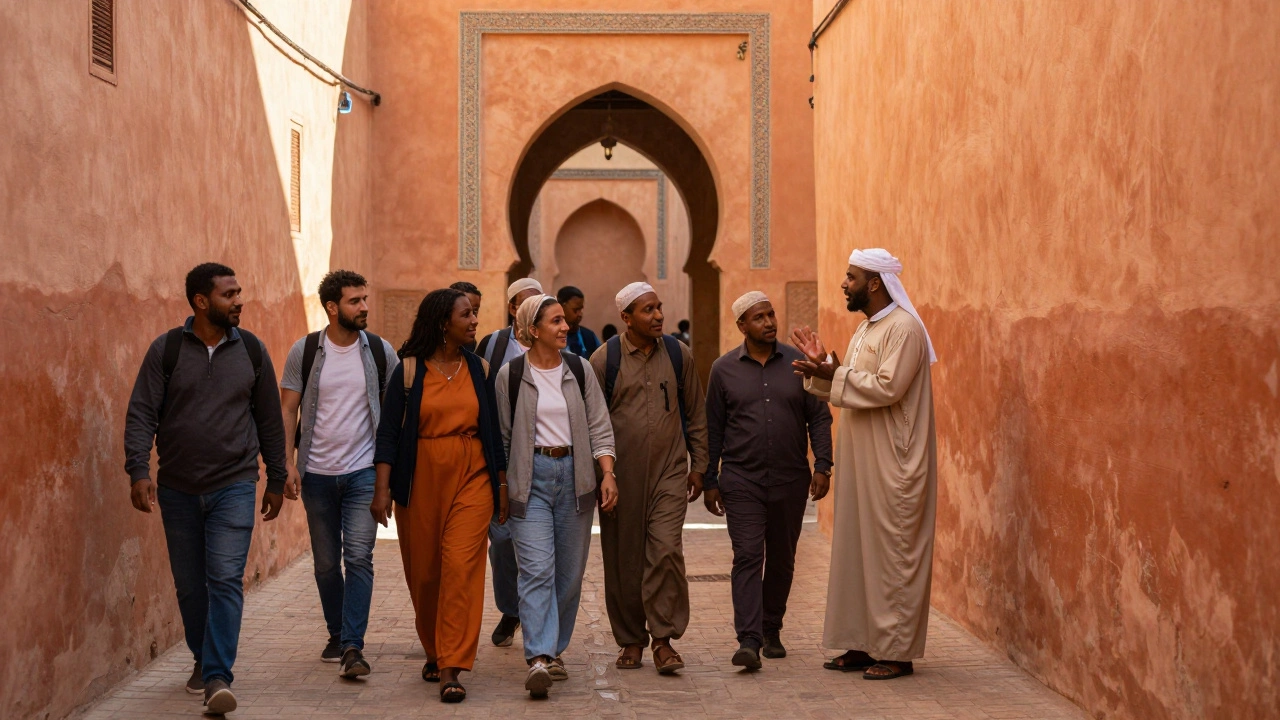
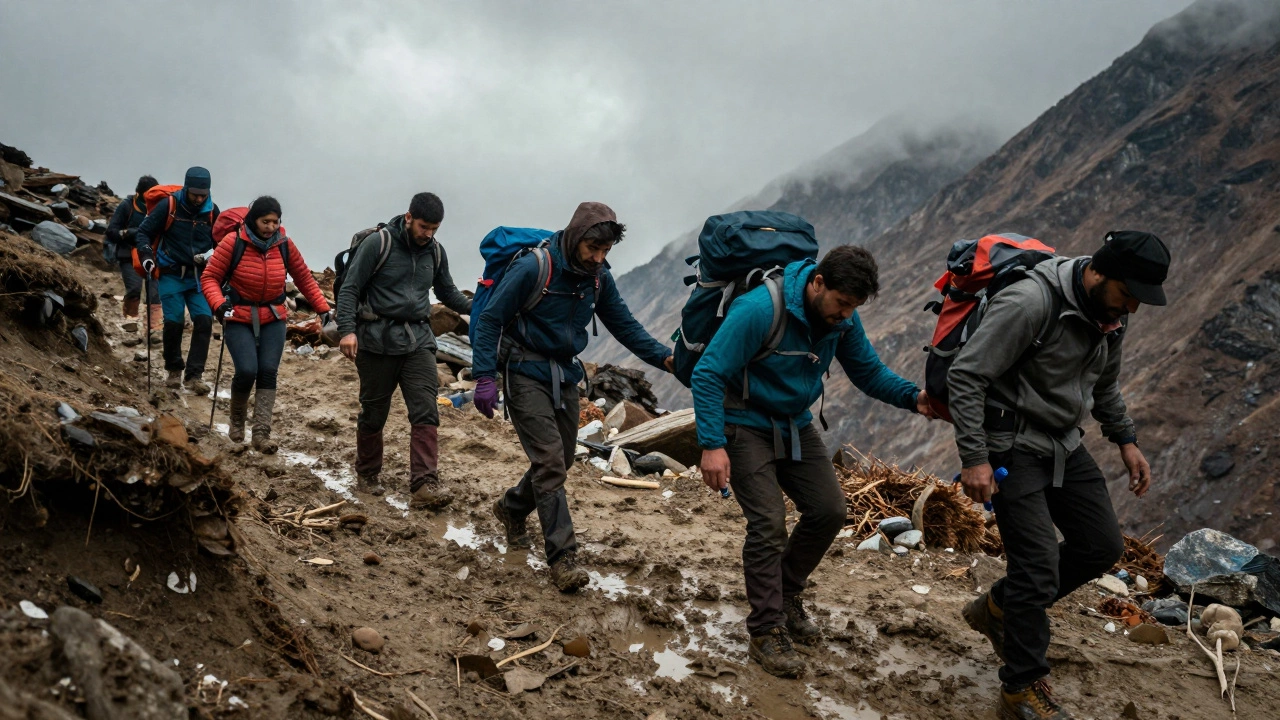
You’ve seen the buses. You know the logo. But when you look at a G Adventures itinerary, what are you actually signing up for? It’s not just another tour operator selling you a passport stamp. If you’ve ever wondered what does G Adventures stand for, the answer isn’t found in a corporate mission statement buried on their website. It’s found in the mud of a trek in Nepal, the crowded streets of Marrakech, and the quiet villages where their guides grew up.
Most people assume "adventure travel" means zip-lining and white-water rafting. That’s part of it, sure. But G Adventures was built on a different foundation. Founded by Bruce Poon Tip in 1990, the company started with a simple, almost naive idea: that travel could be a force for good. Not just for the traveler, but for the places they visit. Today, with millions of travelers passing through their network, that philosophy has evolved into a complex system of ethical practices, community partnerships, and transparent operations. Understanding this is crucial if you want to decide if their trips are right for you.
The Core Philosophy: People Over Places
At its heart, G Adventures stands for human connection. This isn’t fluffy marketing speak; it’s the operational model. When you book a trip, you aren’t buying access to a landmark. You’re buying access to a local perspective. The company emphasizes small groups-usually capped between 8 and 16 people. Why? Because big coaches can’t turn down side streets. They can’t stop for a chat with a market vendor or share a meal in a family home without causing a traffic jam or disrupting daily life.
This approach relies heavily on their guide network. Most guides are locals who live in the regions they show off. They don’t just recite dates and facts from a script. They introduce you to their friends, explain cultural nuances that outsiders miss, and ensure your presence benefits their immediate community. This creates a direct link between your spending power and local livelihoods. It shifts the dynamic from "tourist as observer" to "traveler as guest."
| Feature | G Adventures | Traditional Mass Tours |
|---|---|---|
| Group Size | Small (8-16 pax) | Large (30+ pax) |
| Guide Type | Local experts | Often non-local or generic |
| Accommodation | Mix of hostels, homestays, hotels | Standardized hotel chains |
| Focus | Cultural immersion & social impact | Sightseeing efficiency |
| Pace | Active, flexible | Rigid schedule |
Responsible Travel in Action
So, how do they put "responsible travel" into practice? It starts with transparency. In the past, companies would claim to be "green" without proof. G Adventures partnered with B Lab to become a Certified B Corporation. This is a legal certification that requires them to meet high standards of social and environmental performance. It’s not a badge they can buy; it’s an audit they have to pass every three years.
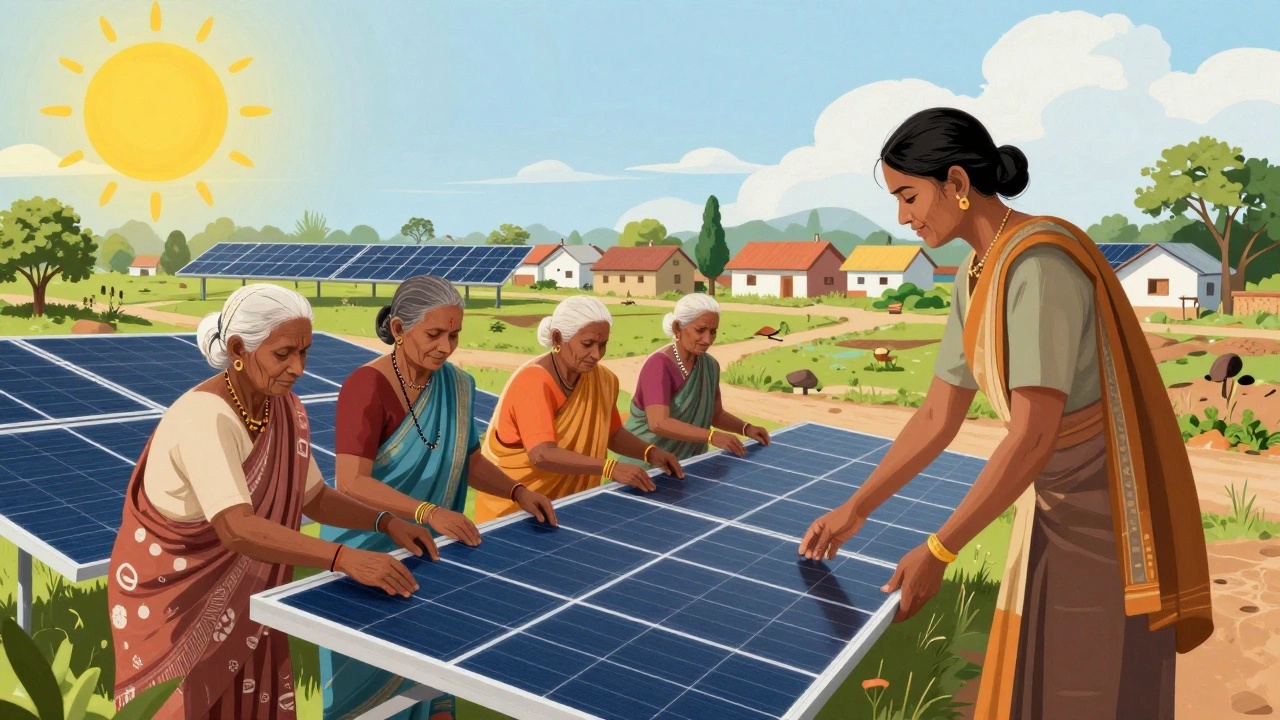
One of the most visible parts of this is their GiveBack Foundation. For every trip sold, a portion goes directly to community projects. But here’s the key: they don’t pick random charities. They work with long-term partners like Barefoot College, which trains grandmothers in rural India to build solar panels, or the Green School in Bali. You can see exactly where your money goes. This moves beyond "voluntourism," which often does more harm than good, toward sustainable development that empowers communities to help themselves.
They also tackle the elephant in the room: carbon emissions. Travel is inherently carbon-intensive. Instead of pretending otherwise, G Adventures calculates the footprint of each trip and offers offsetting options. But they go further by investing in renewable energy projects in developing countries. It’s a pragmatic approach. They acknowledge that we need to fly to get there, so let’s make sure that flight doesn’t destroy the place we’re visiting.
The Social Impact Model
Let’s talk about the money. When you pay for a G Adventures trip, where does it go? A significant chunk stays in the destination country. By using local guides, eating at local restaurants, and staying in locally-owned accommodations, the economic leakage-the money that flies out of the country to foreign hotel chains-is minimized. This is critical for places like Southeast Asia or Africa, where tourism dollars often bypass the actual communities.
Consider a typical day in Peru. Instead of eating at an international chain in Cusco, you might eat at a family-run restaurant recommended by your guide. Your guide gets a commission, the family keeps the profit, and you get authentic food. It’s a micro-economy boost. Over thousands of trips, this adds up to real economic stability for local workers. This is what "community-based tourism" looks like in reality. It’s not perfect, but it’s far better than the alternative.
Who Is This For?
Does this mean G Adventures is only for activists and backpackers? No. Their demographic has broadened significantly. While they started with young solo travelers, today they cater to families, couples, and even retirees. The "adventure" part is scalable. You can choose a walking tour in Europe or a rugged expedition to Antarctica. The core values remain the same, but the intensity changes.
If you prefer luxury all-inclusive resorts where nothing goes wrong because everything is controlled, G Adventures might feel too chaotic. You’ll sleep in hostels sometimes. You’ll take public transport. You’ll deal with minor delays. But if you value authenticity over comfort, and connection over convenience, this is your lane. It’s for people who want to see the world as it is, not as a postcard depicts it.
Common Misconceptions
There’s a myth that "ethical travel" means sacrificing fun. That’s false. Some of the most memorable moments come from the unplanned interactions made possible by small group sizes. Another misconception is that it’s expensive. While not the cheapest option, the value lies in the depth of experience. You’re paying for expertise and impact, not just a bed and a bus ticket. Comparing prices alone misses the point. You’re comparing apples to oranges.
Also, don’t confuse "small group" with "private tour." You will meet other travelers. The social aspect is huge. Many friendships start on these trips. The shared experience of navigating a new culture together creates bonds that last long after the trip ends. It’s a built-in social network for lonely travelers.
Is G Adventures safe for solo female travelers?
Yes, it is widely considered one of the safest options for solo female travelers. The small group format means you’re never alone, and the local guides provide crucial safety advice specific to the region. Plus, the demographic is diverse, with many women traveling solo finding a supportive community.
Do I have to participate in volunteer work?
No. Volunteer opportunities are optional add-ons. The core trips focus on sightseeing and cultural immersion. However, if you choose a "GiveBack" trip, a portion of your fee supports community projects automatically, so you contribute without having to manually volunteer.
How hard are the physical activities?
It varies by trip. Each itinerary lists a difficulty level from "Easy" to "Strenuous." An "Easy" trip might involve mostly walking and light hiking. A "Strenuous" trip could include multi-day treks at high altitudes. Always check the specific activity details before booking.
Are the accommodations always hostels?
Not anymore. While they started with hostels, they now offer a mix including boutique hotels, lodges, and private rooms. You can filter trips by accommodation type if you prefer more privacy or comfort.
What happens if I cancel my trip?
Cancellation policies vary by trip and timing. Generally, early cancellations incur lower fees. They also offer travel insurance options that cover unforeseen events. It’s important to read the specific terms for your chosen itinerary, as some remote locations have stricter cancellation windows.