
High Adventure Readiness Assessment
Physical Conditioning
High adventure requires significant endurance. Be honest about your current capabilities.
Technical Proficiency
Beyond fitness, do you have the hard skills required for navigation and safety?
Mental Fortitude
Remote environments test your patience and ability to handle discomfort.
Logistics & Risk Management
Preparation prevents disaster. Are your bases covered?
Past Experience
Your history predicts your future performance.
Calculating...
Analyzing your inputs...
Recommendation:
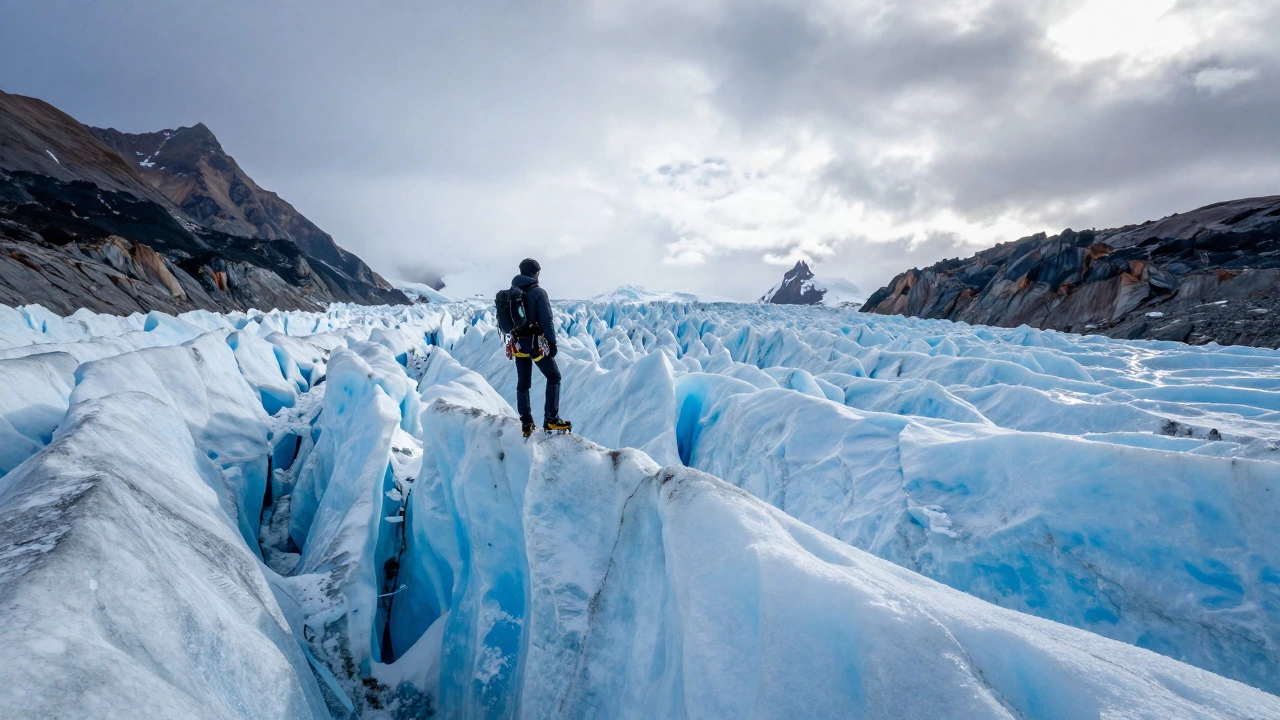
Imagine standing on the edge of a glacier in Patagonia, your crampons biting into blue ice, with nothing but wind and rock between you and the horizon. This isn't just a vacation; it's a test of limits. You might have heard the term high adventure trip thrown around in travel brochures or social media feeds, but what does it actually mean when you strip away the marketing gloss? It’s not just about booking a hotel near a hiking trail. It is a deliberate plunge into environments where comfort is secondary to challenge, skill, and raw nature.
If you are looking for a relaxing beach holiday, this definition will likely scare you off. But if you feel that standard tourism leaves something missing-that itch for genuine achievement and immersion-then understanding high adventure is your first step toward planning an expedition that changes how you see yourself and the world.
The Core Definition: Beyond Standard Tourism
At its heart, a high adventure trip is a journey characterized by significant physical exertion, technical skill requirements, and exposure to remote or hazardous natural environments. Unlike mass-market tourism, which prioritizes convenience and safety nets, high adventure embraces uncertainty. The goal isn't just to see a place; it is to engage with it physically and mentally.
Think of the difference between taking a guided bus tour of the Grand Canyon and backpacking through it without cell service. The former is sightseeing. The latter is high adventure. Key elements include:
- Physical Demand: Expect long hours of hiking, climbing, paddling, or skiing. Fitness is not optional; it is the entry ticket.
- Technical Skill: Many trips require specific competencies, such as rope management for mountaineering or navigation skills for backcountry travel.
- Remoteness: These destinations are often far from medical facilities or rescue teams. Self-reliance is critical.
- Risk Management: While danger is part of the allure, reckless behavior is not. Successful high adventure relies on rigorous preparation and risk assessment.
Types of High Adventure Experiences
High adventure isn't a monolith. It spans various disciplines, each with its own culture, gear, and challenges. Here are the most common categories you’ll encounter in the world of adventure holidays that focus on intense outdoor activities rather than relaxation.
| Discipline | Primary Activity | Skill Level Required | Typical Duration | Key Risks |
|---|---|---|---|---|
| Mountaineering | Climbing peaks above 6,000m | Advanced (technical climbing) | 1-4 weeks | Avalanches, altitude sickness, crevasses |
| Wilderness Trekking | Multi-day hiking in remote areas | Intermediate (fitness & nav) | 5-14 days | Weather, wildlife, injury isolation |
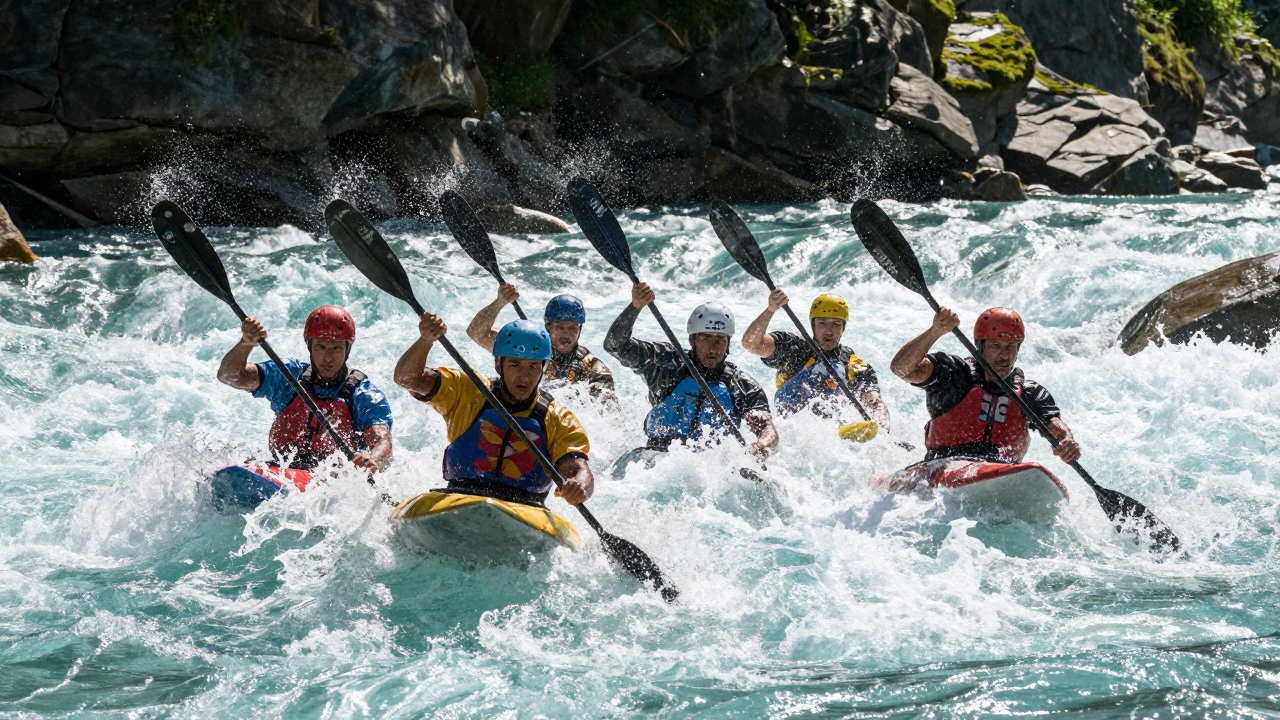
| White Water Rafting/Kayaking | Navigating Class IV-V rapids | Varies (guided vs. self-supported) | 3-10 days | Drowning, hypothermia, rock strikes |
| Polar Expeditions | Trekking on ice/snow in Arctic/Antarctic | Advanced (cold weather survival) | 2-6 weeks | Extreme cold, ice instability, isolation |
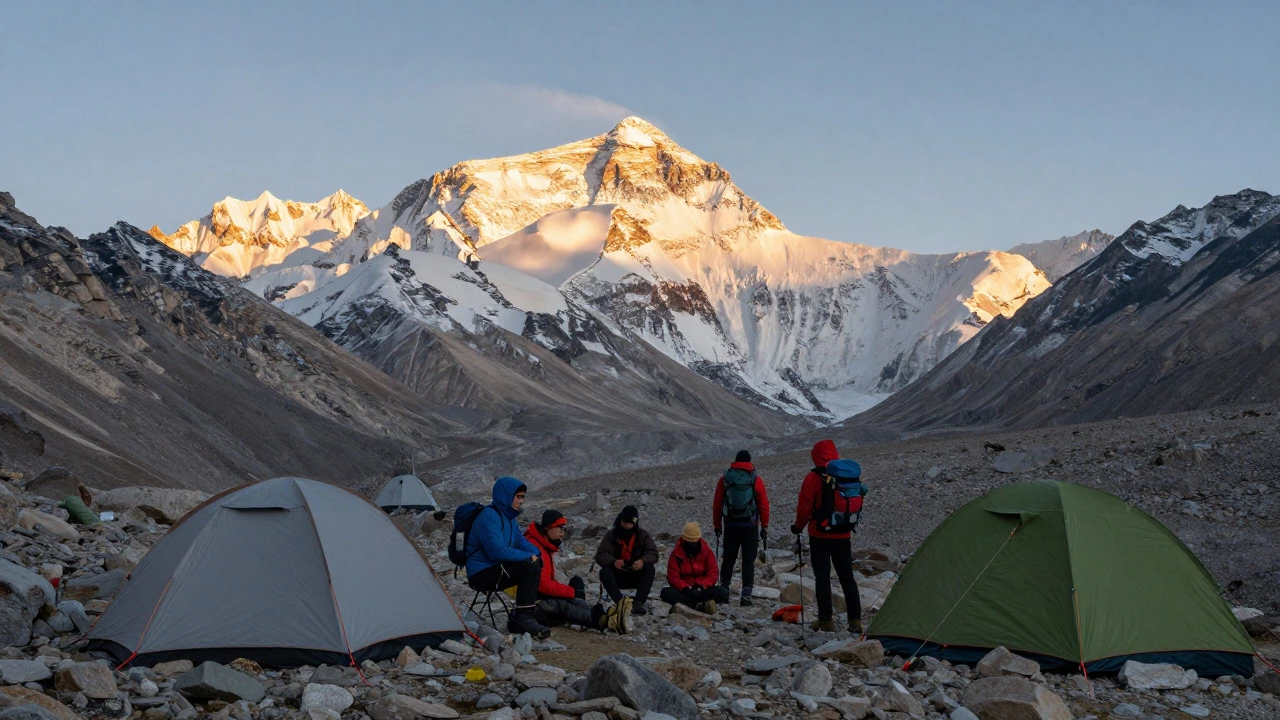
For example, a trek to Everest Base Camp is often marketed as high adventure, but it is more accurately a strenuous hike. True high adventure would involve summiting a peak using technical gear, like climbing Ama Dablam in Nepal. Understanding this distinction helps you choose trips that match your actual abilities, not just your aspirations.
Who Is High Adventure For?
You don’t need to be a professional athlete to enjoy high adventure, but you do need to be honest about your current fitness and skills. The audience for these trips has broadened significantly. In the past, it was dominated by young men seeking thrills. Today, you’ll find diverse groups: corporate teams building resilience, solo female travelers seeking empowerment, and older adventurers proving age is just a number.
Ask yourself these questions before committing:
- Can I carry my own pack for 8+ hours a day?
- Am I comfortable sleeping in basic shelters or tents in harsh weather?
- Do I have the mental fortitude to handle discomfort without complaining?
- Is my insurance valid for the specific activity and location?
If you answered "yes" to most, you’re likely ready. If not, consider starting with intermediate-level guided tours that offer training components. Organizations like the Boy Scouts of America's BSA High Adventure Bases, which operate three major centers for youth and adult high adventure programs, offer structured pathways for beginners to advance their skills safely.
Essential Preparation: Gear, Skills, and Mindset
Preparation is the bridge between a memorable adventure and a disaster. High adventure demands a systematic approach to getting ready.
1. Physical Conditioning
Start training at least three months before your trip. Focus on endurance, strength, and balance. If you’re going mountaineering, add stair climbing with a weighted pack. For kayaking, work on core stability and upper body strength. Don’t neglect flexibility-tight muscles lead to injuries on the trail.
2. Technical Skills
Identify the hard skills required for your chosen activity. Need to know how to use an ice axe? Take a clinic. Unsure about map and compass navigation? Practice in your local woods until it’s second nature. Many guide companies offer pre-trip workshops, which are invaluable for building confidence.
3. Gear Mastery
Your gear is your lifeline. Invest in quality, not quantity. A well-fitted backpack prevents blisters and back pain. Waterproof clothing keeps you dry and warm. Test everything at home before you go. Nothing ruins a trip faster than discovering your tent pole is broken halfway up a mountain.
4. Mental Resilience
High adventure tests your patience. Weather delays, group dynamics, and physical fatigue can wear you down. Develop strategies for staying positive under pressure. Meditation, journaling, or simply practicing deep breathing can help you maintain clarity when things get tough.
Safety and Risk Management
Safety in high adventure isn't about eliminating risk-it's about managing it intelligently. The concept of "acceptable risk" is central here. You accept certain dangers because they are inherent to the activity, but you mitigate them through preparation and judgment.
Key safety protocols include:
- Leave No Trace: Protect the environment by packing out all waste and minimizing impact.
- Emergency Plans: Know the evacuation routes and communication methods (satellite phones, PLBs) available.
- First Aid Training: Carry a comprehensive kit and know how to use it. Consider Wilderness First Responder (WFR) certification for serious expeditions.
- Group Dynamics: Travel with people who share your values and fitness level. Poor group cohesion is a leading cause of accidents.
Always check weather forecasts and terrain conditions right before departure. Flexibility is crucial-if conditions deteriorate, be willing to turn back. There’s no shame in postponing a climb due to bad weather; there is, however, tragedy in pushing forward despite clear warnings.
Choosing the Right Operator or Guide
If you’re not experienced enough to plan a solo expedition, hiring a reputable guide company is essential. Not all operators are created equal. Look for certifications from recognized bodies like the American Mountain Guides Association (AMGA) or the International Federation of Mountain Guide Associations (IFMGA).
Ask potential guides about their client-to-guide ratio, emergency procedures, and contingency plans. Read reviews from past clients, paying attention to comments about safety and professionalism. A good guide enhances your experience by teaching you skills and ensuring your safety, not just herding you along a path.
The Impact of High Adventure on Personal Growth
Beyond the adrenaline rush, high adventure offers profound personal benefits. Studies in environmental psychology suggest that challenging outdoor experiences can boost self-efficacy, reduce stress, and improve mental health. Overcoming physical obstacles builds confidence that translates to other areas of life.
Many participants report a deeper connection to nature and a greater appreciation for simplicity. In a world dominated by digital noise, the silence of the backcountry provides a rare opportunity for introspection. You learn what truly matters when stripped of modern conveniences.
Environmental Responsibility in Adventure Travel
As high adventure becomes more popular, so does its environmental footprint. Climate change threatens glaciers, coral reefs, and alpine ecosystems-the very places adventurers love to explore. Responsible travel means minimizing your impact.
Adopt sustainable practices: use biodegradable soap, stick to established trails, and support local conservation efforts. Choose operators who prioritize eco-friendly practices, such as carbon offsetting and waste reduction. Remember, we are guests in these wild places, and our permission to stay depends on how well we care for them.
What is the difference between high adventure and regular hiking?
Regular hiking typically involves well-marked trails, accessible amenities, and lower physical demands. High adventure involves remote locations, significant physical exertion, technical skills (like climbing or navigation), and higher levels of risk and self-reliance.
How much does a high adventure trip cost?
Costs vary widely based on destination, duration, and whether you hire guides. A domestic trekking trip might cost $1,000-$3,000, while international mountaineering expeditions can range from $5,000 to over $20,000. Budget for gear, insurance, and travel logistics separately.
Do I need special insurance for high adventure?
Yes, standard travel insurance often excludes high-risk activities. Look for specialized adventure travel insurance that covers medical evacuation, helicopter rescue, and specific sports like mountaineering or white water rafting.
What is the best age to start high adventure?
There is no strict age limit. Youth programs start as early as 13-14, while adults can begin at any age provided they are physically fit. Start with less demanding trips and gradually increase difficulty as you build skills and endurance.
Can I go on a high adventure trip alone?
While possible for highly experienced individuals, solo high adventure carries significantly higher risks. Most beginners should join guided groups or partner with experienced friends. Solo travel requires advanced navigation, first aid, and self-rescue skills.