UK Staycation Matcher
Not sure where to go? Answer these three questions to find your perfect UK getaway.
Urban Explorer
Museums, shopping, city lights.
History Buff
Castles, cathedrals, old streets.
Nature Lover
Mountains, lakes, fresh air.
Relax & Recharge
Spas, walking tours, slow pace.
Active Adventure
Hiking, festivals, exploring.
Smart Saver
Free entry sites, parks, self-catering.
Premium Experience
Paid attractions, fine dining, luxury.
Your Match:
Why it fits:
Key Attractions
Pro Tip
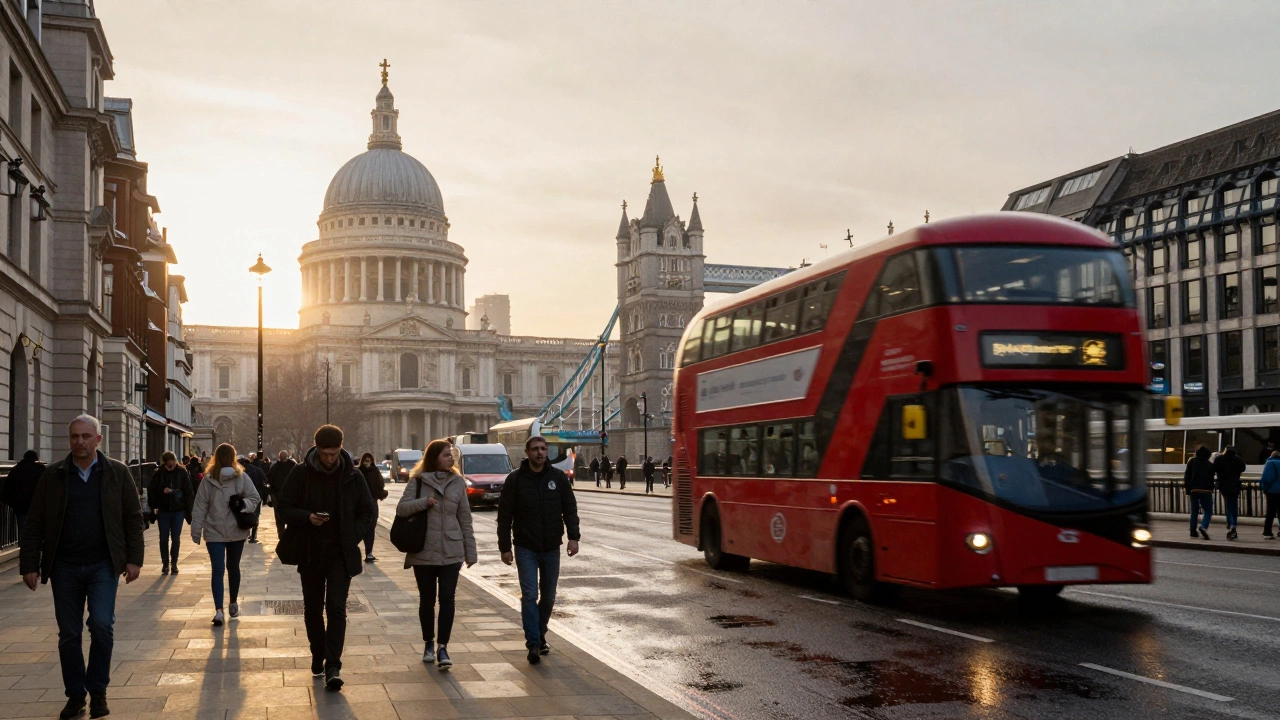
You might assume the answer is obvious. You picture red double-decker buses, the Tower of London, and endless queues for afternoon tea. But if you are looking at the raw numbers for most visited place in the UK, the reality is a bit more nuanced than just "London." It depends entirely on how you count.
If we talk about cities, London is the undisputed heavyweight champion. It pulls in millions of international tourists every year. However, if we look at specific attractions or sites within those cities, the title shifts. For domestic travelers-the people booking UK staycations-the definition changes again. They aren't just chasing global landmarks; they are hunting for coastal retreats, historic castles, and national parks that offer a break from the daily grind without the hassle of a passport control line.
The City vs. The Attraction: Defining "Most Visited"
To understand where everyone goes, we have to split the data into two buckets: the destination city and the specific attraction. This distinction matters because your travel plans will look very different depending on which bucket you are aiming for.
London is the capital city of England and the most visited metropolitan area in the United Kingdom. In recent years, pre-pandemic levels saw over 19 million overnight stays by international visitors alone. When you add domestic trips, that number skyrockets. It is the engine of UK tourism. But inside London, one site consistently outperforms the rest.
That site is the British Museum in a free-entry museum in Bloomsbury, London, housing a vast collection of world art and artifacts. Because it is free, it attracts a massive volume of foot traffic. In peak years, it sees over 5 million visitors. Compare that to the Tower of London, which charges steep entry fees and typically draws around 2.8 million visitors annually. The price tag makes a huge difference in visitor counts.
However, if you strip away London, the conversation changes. For many Britons planning a staycation, the goal isn't to see the Rosetta Stone. It's to see the sea. Or the mountains. Or a castle that actually feels remote.
The Power of Domestic Travel: Where Britons Actually Go
When international flights were restricted or expensive, domestic tourism exploded. This trend has stuck. Many UK residents now prefer driving or taking the train to nearby regions. This shift highlights several contenders for the "most visited" title outside the capital.
Bath is a UNESCO World Heritage city in Somerset known for its Roman-built baths and Georgian architecture. It consistently ranks as one of the most visited cities in the UK after London. Its compact size makes it perfect for a weekend trip. Visitors flock to the Roman Baths, a major archaeological site and museum complex in Bath that offers insights into ancient Roman life in Britain. The city's charm lies in its walkability. You can see the Abbey, the Circus, and the Thermae Bath Spa in a single day without needing a car.
Then there is Edinburgh, the capital of Scotland. While it doesn't match London's total volume, it punches above its weight for cultural impact. The Edinburgh Castle is a historic fortress standing atop Castle Rock in Edinburgh, serving as Scotland's most popular paid tourist attraction. During the Fringe Festival in August, the entire city becomes a magnet for millions. If you time your visit right, Edinburgh rivals London in sheer energy, though it remains smaller and more manageable.
Nature Calls: National Parks and Coastal Hotspots
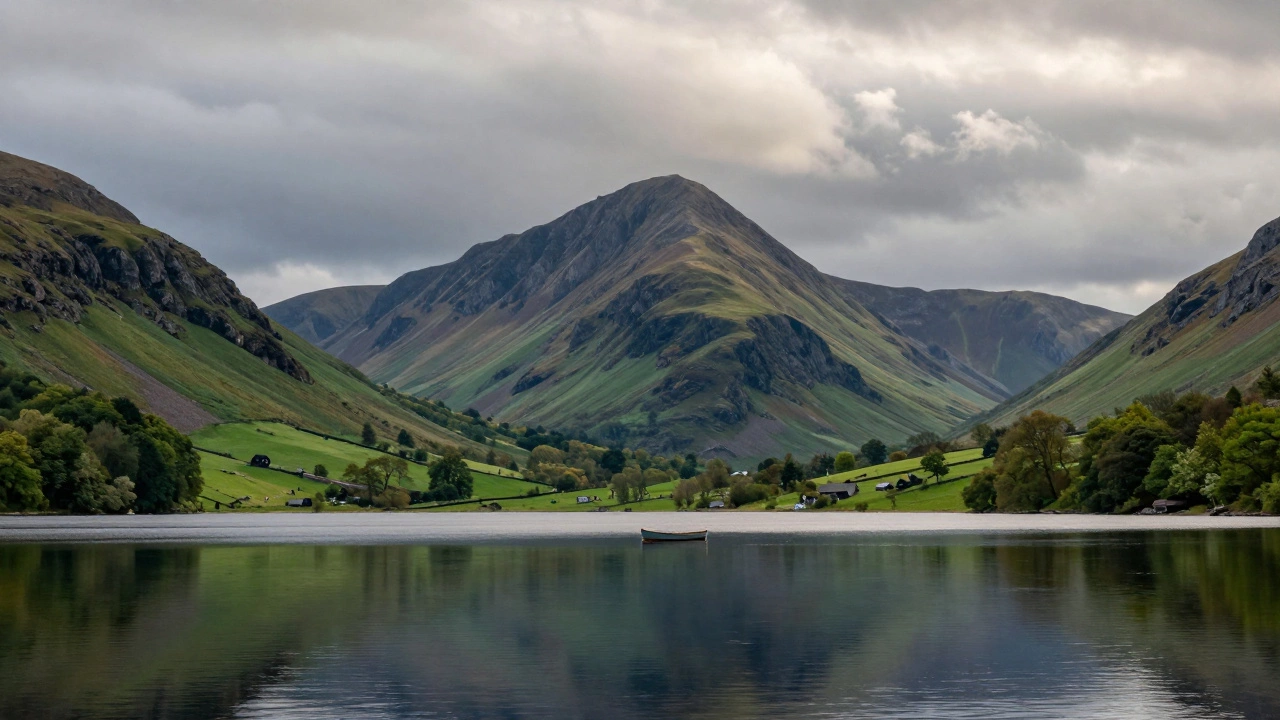
For the true UK staycation crowd, nature wins. The Lake District is a mountainous region in Cumbria, England, designated as a National Park and UNESCO World Heritage Site. It draws over 16 million visits annually. People go there to hike Scafell Pike, row on Derwentwater, or simply sit in a pub with a view of the fells. It is accessible from Manchester and Liverpool, making it a favorite for northern English travelers.
In Wales, Cadair Idris and the surrounding Snowdonia National Park attract hikers seeking rugged terrain. But perhaps the most visited natural feature is simply the coastline. The South West Coast Path is the longest waymarked national trail in the world, stretching along the coasts of Devon and Cornwall. Millions walk sections of it every year. Places like St Ives in Cornwall become packed during summer holidays. It is less about a single "place" and more about the experience of being near the ocean.

Comparison: Top Contenders for Your Staycation
| Destination | Type | Key Attraction | Best For | Crowd Level (Summer) |
|---|---|---|---|---|
| London | City | British Museum / Tower of London | Culture, History, Shopping | Very High |
| Bath | City | Roman Baths / Thermae Spa | Relaxation, Architecture | High |
| Edinburgh | City | Edinburgh Castle / Royal Mile | Festivals, Medieval History | High (Aug), Medium (Other) |
| Lake District | National Park | Scafell Pike / Lakes | Hiking, Nature, Peace | Medium-High |
| York | City | York Minster / Shambles | Medieval Streets, Food | Medium |
Why York and Chester Are Rising Stars
While London dominates the headlines, cities like York are a historic walled city in North Yorkshire, famous for its medieval cathedral and Viking heritage gaining serious traction. York Minster is one of the largest Gothic cathedrals in Northern Europe. The Shambles street, often cited as inspiration for Diagon Alley in Harry Potter, draws fantasy fans from all over. York is easily reachable by high-speed train from London, making it a prime staycation spot for southerners wanting history without the chaos.
Similarly, Chester is a city in Cheshire known for its well-preserved Roman walls and unique covered shopping arcades called Rows. It offers a quieter alternative to Bath but with equally impressive architecture. The Chester Zoo, while technically on the outskirts, is one of the most visited zoos in the world, pulling families into the region.
Planning Your Visit: Tips for Avoiding the Rush
If you decide to chase the "most visited" title, timing is everything. Here is how to make it work:
- Book Early for Paid Attractions: Places like the Tower of London and Edinburgh Castle sell out weeks in advance during summer. Buy tickets online before you arrive.
- Use Free Days Wisely: Many museums in London, including the British Museum and the Natural History Museum, are free. However, expect crowds. Go early in the morning (right when doors open) or late in the evening.
- Consider Shoulder Seasons: May and September offer better weather and fewer crowds than July and August. You'll find cheaper accommodation rates too.
- Stay Local: Instead of commuting back and forth, book a hotel or Airbnb near your main attraction. In Bath, staying near the Roman Baths saves hours of walking. In the Lake District, staying in Windermere gives you easy access to multiple lakes.
- Explore Hidden Gems: If London feels too crowded, head to Kent, often called the Garden of England. It has great beaches like Broadstairs and historic towns like Canterbury, which is much less hectic than York or Bath.
The Verdict: What Should You Choose?
So, what is the most visited place in the UK? Technically, it is London. Specifically, the British Museum if you count individual sites. But for a memorable UK staycation, the "best" place is subjective.
If you love urban energy, culture, and endless options, stick with London. Just be prepared for crowds. If you want history with a cozy vibe, choose Bath or York. If you need fresh air and dramatic landscapes, head to the Lake District or Snowdonia. And if you want a mix of castle grandeur and festival fun, Edinburgh is unbeatable in August.
The beauty of the UK is its diversity. You can go from a gritty industrial city to a serene lake district in under three hours by train. Use these insights to pick the destination that matches your mood, not just the visitor statistics.
Is London the most visited city in the UK?
Yes, London is by far the most visited city in the UK. It receives millions of international and domestic visitors annually, driven by its iconic landmarks, cultural institutions, and status as a global hub.
What is the most visited attraction in the UK?
The British Museum in London is typically the most visited single attraction due to its free entry policy. It attracts over 5 million visitors per year. Among paid attractions, the Tower of London and Edinburgh Castle are top contenders.
Where do Britons go for staycations?
Popular staycation destinations include the Lake District for nature lovers, Bath for history and relaxation, and coastal areas like Cornwall and Devon. Cities like York and Edinburgh are also favorites for short breaks.
Is Bath worth visiting for a weekend trip?
Absolutely. Bath is compact, walkable, and rich in history. The Roman Baths and Thermae Bath Spa provide unique experiences. Its proximity to London via train makes it an ideal weekend getaway.
When is the best time to visit the UK to avoid crowds?
The shoulder seasons of May and September offer pleasant weather and significantly fewer crowds compared to the peak summer months of July and August. Winter is quiet but colder.
How does Edinburgh compare to London in terms of tourism?
Edinburgh receives fewer total visitors than London but has a higher density of tourists during events like the Fringe Festival. It offers a more intimate historic atmosphere compared to London's sprawling scale.
Are UK national parks good for staycations?
Yes, national parks like the Lake District, Peak District, and Snowdonia are excellent for staycations. They offer hiking, scenic views, and a chance to disconnect from city life.