UK Staycation Planner & Cost Calculator
Forget the long-haul flights and the airport queues. In the United Kingdom, the way people relax has shifted dramatically. You don't need a passport to find paradise anymore. The modern British traveler is looking closer to home, driven by a mix of environmental concerns, budget pressures, and a genuine desire to explore their own backyard. This isn't just a temporary blip; it's a structural change in how holidays are booked and experienced across the country.
If you've ever wondered where your neighbors are packing their bags when they head off for a week off work, the answer is rarely a foreign capital. It’s the rugged coastline of Cornwall, the historic streets of York, or the quiet glamping sites in the Lake District. The concept of the UK staycation has moved from being a 'second-best' option to a primary choice for millions. Let's look at exactly where the crowds are heading and why these specific locations have become the new hotspots.
The Coastal Revival: Why Britain Loves Its Shores
For decades, Brits flocked to Spain and Greece for sun and sea. Today, the domestic coastlines are seeing record numbers of visitors. The appeal is simple: convenience and scenery. You can drive to the edge of the world in less than six hours.
| Destination | Region | Key Attraction | Best For |
|---|---|---|---|
| Cornwall | South West England | St Ives Bay, Eden Project | Families, foodies, nature lovers |
| The Scottish Highlands | Scotland | Loch Ness, Isle of Skye | Hikers, photographers, adventure seekers |
| The Jurassic Coast | Dorset & East Devon | Lulworth Cove, Durdle Door | Geology buffs, walkers, dog owners |
| Northumberland Coast | North East England | Bamburgh Castle, remote beaches | Quiet retreats, history enthusiasts |
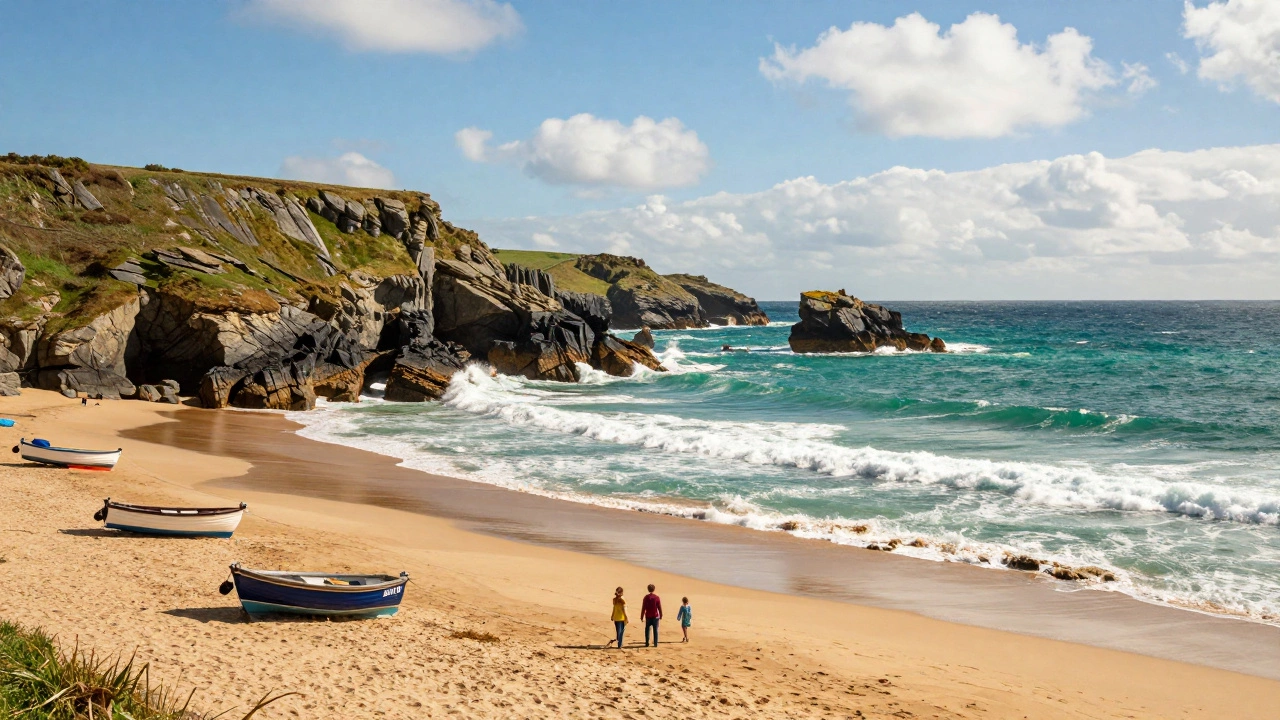
Cornwall remains the heavyweight champion of British beach holidays. But it’s not just about swimming. The region has transformed into a culinary destination with Michelin-starred restaurants tucked away in fishing villages. People are driving down the A30 not just to see the sea, but to eat fresh seafood and visit local markets. The same trend is visible in Wales, where Pembrokeshire offers dramatic cliffs and wild camping opportunities that rival any Mediterranean island.
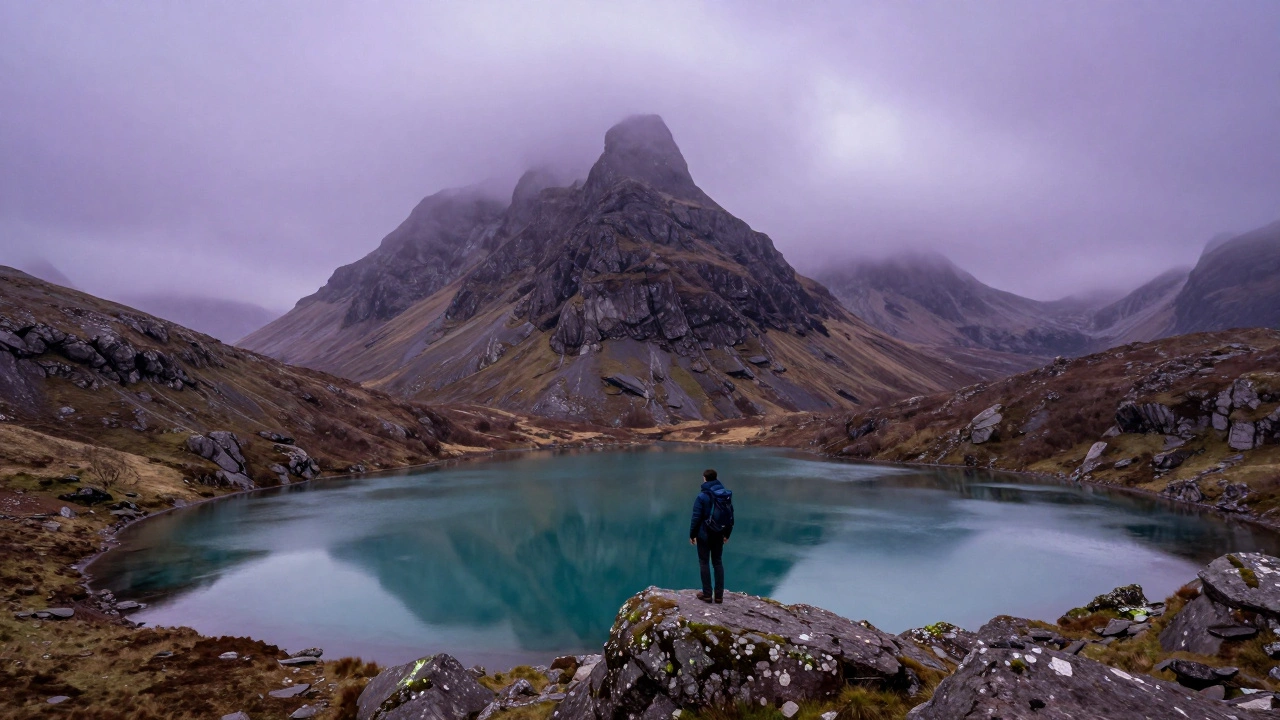
In Scotland, the focus shifts slightly. While there are beaches, the draw is often the combination of water and mountain. The Isle of Skye has become almost synonymous with the modern staycation aesthetic-misty peaks, turquoise lochs, and a sense of isolation that feels worlds away from London, despite being reachable by train.
City Breaks Without the Border Crossings
Not everyone wants sand between their toes. A significant portion of the UK population opts for urban explorations. These trips are shorter, often lasting three to four days, and focus on culture, shopping, and dining.
Edinburgh is a perennial favorite. Even though it hosts its famous festival in August, the city draws visitors year-round for its castle, its literary history, and its vibrant nightlife. It’s a compact city where everything is walkable, which appeals to travelers who want to minimize transport hassle.
Bristol has emerged as a cool alternative to London. With its street art scene, independent music venues, and proximity to the Avon Gorge, it attracts a younger demographic. Similarly, Manchester continues to reinvent itself. From its industrial heritage tours to its cutting-edge architecture along the Spinningfields district, it offers a dense package of entertainment that keeps locals and tourists alike busy.
York is another standout. Its medieval walls and Minster create an atmosphere that feels like stepping back in time. It’s particularly popular with families because it combines history with attractions like the National Railway Museum. The key here is accessibility. High-speed trains connect these cities to major hubs in under two hours, making them viable weekend getaways rather than lengthy vacations.
The Great Outdoors: National Parks and Glamping
A major driver of the staycation boom is the rise of outdoor leisure. After years of indoor confinement during the pandemic, there was a collective urge to breathe fresh air. This demand hasn't disappeared; it has evolved into a sustained interest in active holidays.
The Lake District in Cumbria is the epicenter of this movement. It’s not just about walking; it’s about immersing yourself in the landscape that inspired poets like Wordsworth. Visitors book cottages with views of Scafell Pike or take guided kayaking trips on Windermere. The infrastructure here is well-developed, with numerous visitor centers and trail networks catering to all fitness levels.
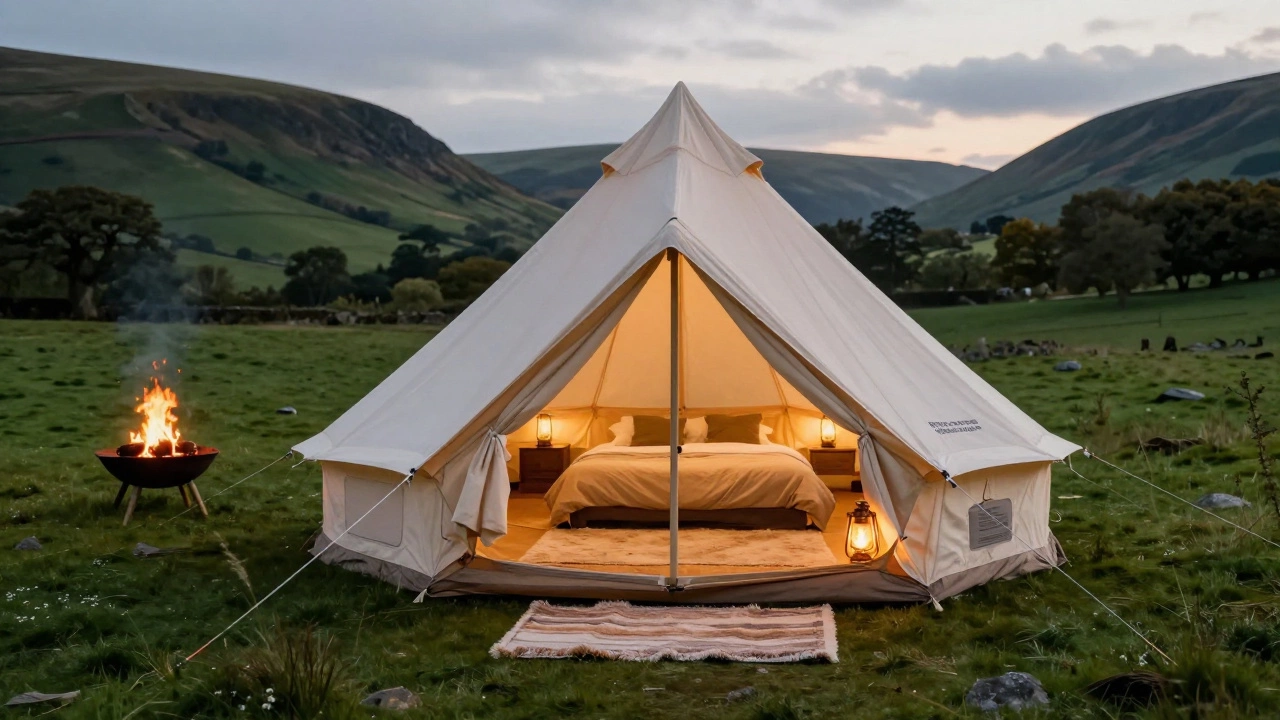
Glamping (glamorous camping) has also exploded in popularity. It bridges the gap between roughing it and hotel luxury. Sites in the Peak District and the New Forest offer bell tents with proper beds, en-suite bathrooms, and sometimes even fire pits. This trend allows people who might never consider traditional camping to experience nature without sacrificing comfort. It’s a low-barrier entry point for outdoor enthusiasts.
The Yorkshire Dales offers a quieter alternative. With its dry-stone walls and rolling hills, it provides a slower pace. Activities include caving, cycling, and visiting historic market towns like Harrogate. The emphasis is on relaxation and reconnection with nature, rather than ticking off landmarks.
Why the Shift? Economics and Environment
You might wonder why this shift happened so decisively. Two main factors are at play: cost and carbon footprint.
First, let's talk money. Traveling abroad involves hidden costs. Flights, transfers, currency exchange fees, and often more expensive meals add up quickly. A week in a Spanish resort can easily exceed £1,500 per person when you factor in everything. By contrast, a self-catered cottage in the Cotswolds or a B&B in North Wales can be found for significantly less. Plus, if you drive, you avoid parking fees at international airports. For many families, staying within the UK offers better value for money, allowing them to spend more on experiences rather than logistics.
Second, environmental awareness is higher than ever. Many travelers are conscious of the carbon emissions associated with flying. Choosing a train journey to Brighton or a car trip to Durham reduces their personal carbon footprint. This isn't just altruism; it's a practical decision aligned with personal values. Companies are also encouraging this by offering flexible working arrangements, making mid-week short breaks feasible.
Planning Your Own Domestic Escape
If you're considering joining the staycation trend, timing is everything. Peak season in the UK is July and August. Prices skyrocket, and accommodation books out months in advance. To get the best deals, aim for May, June, September, or October. The weather is often still pleasant, especially in the south, but the crowds thin out considerably.
Transportation strategy matters too. If you're going to a city, use the train. Railcards can save you up to one-third on fares. For rural destinations, renting a car gives you flexibility. However, be mindful of narrow country lanes and limited parking in historic towns. Booking accommodation with free parking is a small detail that can save you stress.
Finally, embrace the local. Part of the joy of a staycation is discovering places you didn't know existed. Talk to locals, eat at independent pubs, and wander off the main tourist trails. You might find a hidden gem that rivals any international destination.
What is the most popular place for a staycation in the UK?
Cornwall is consistently the most popular destination for UK staycations, particularly for coastal holidays. Other top contenders include the Lake District for nature lovers and Edinburgh for city breaks.
Are UK staycations cheaper than going abroad?
Generally, yes. When you factor in flights, airport transfers, and foreign exchange rates, a domestic trip often comes out cheaper. Self-catering accommodations in the UK provide excellent value compared to all-inclusive resorts abroad.
When is the best time to go on a staycation in the UK?
The shoulder seasons of May-June and September-October offer the best balance of good weather and lower prices. Avoid school holidays if you want to escape the crowds and secure better accommodation rates.
Is it easy to travel around the UK without a car?
Yes, the UK has an extensive rail network. Major cities are well-connected, and scenic routes exist for rural areas. However, for remote national parks or coastal villages, having a car can provide more flexibility and access to secluded spots.
What activities are popular on UK staycations?
Popular activities include hiking in national parks, visiting historic castles and museums, enjoying coastal walks, trying local cuisine, and participating in glamping or outdoor festivals. Cultural events in cities like Edinburgh and Bristol also draw large crowds.