
City Break Budget Estimator
Plan your finances for a high-impact short trip. Adjust the variables below to see how different choices affect your total spend.
Estimated Total Cost
You have two days off. Maybe three if you’re lucky. You want to escape your routine, but a full week in the mountains feels impossible to schedule. This is exactly where city breaks shine. They are not just about visiting famous landmarks; they are about compressing high-impact experiences into a manageable timeframe. Whether you are flying from Port Elizabeth or hopping on a train within Europe, the efficiency of urban travel makes it one of the most satisfying ways to use limited vacation time.
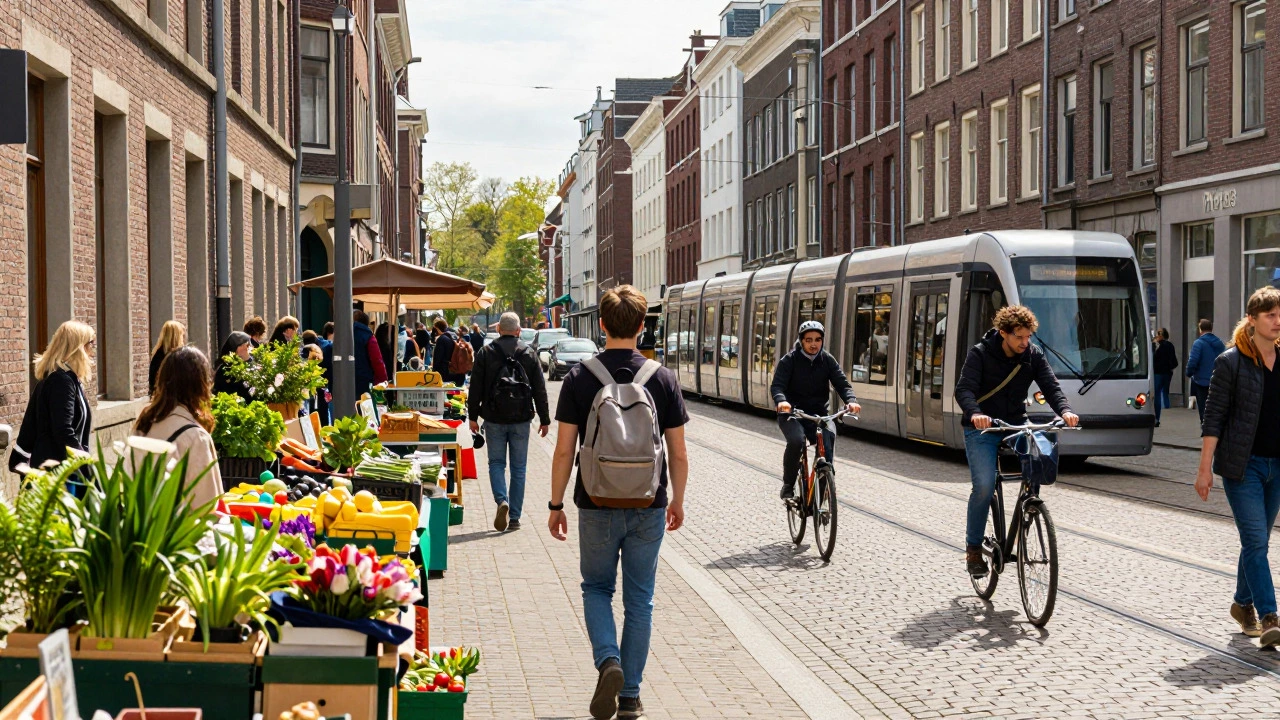
The core appeal lies in density. In a rural destination, you might spend half your day driving between points of interest. In a city, everything is clustered. Museums, restaurants, nightlife, and parks often sit within walking distance of each other. This proximity means you can switch contexts rapidly without losing momentum. You can start with a morning at an art gallery, move to a midday market for lunch, and end the evening with a live music show, all without touching a car.
The Efficiency Factor: Why Time Matters More in Cities
When you have only 48 hours, logistics make or break the trip. Cities offer superior infrastructure for short stays compared to remote locations. Public transport systems in major hubs like London, Tokyo, or New York are designed to handle millions of passengers daily. This means you can navigate complex areas quickly and predictably. You don’t need to rent a car, which saves you money on fuel, insurance, and parking fees that can eat up a significant portion of a short budget.
Consider the concept of 'micro-adventures.' A city break allows you to experience new cultures, cuisines, and architectures without the physical toll of hiking or the logistical headache of camping. The energy expenditure is lower, but the mental stimulation is higher. You are constantly absorbing new stimuli-sounds, smells, sights-which keeps the brain engaged. This is why many travelers report feeling more refreshed after a city trip than after a physically demanding outdoor holiday, despite doing less 'exercise.'
Cultural Immersion in a Compressed Format
Culture isn't just about museums. It’s about the rhythm of daily life. In a city, you observe this rhythm up close. You see how people commute, what they eat for breakfast, and how they interact in public spaces. Because city breaks are short, you are forced to be observant rather than passive. You don’t have the luxury of hiding away in a hotel room for three days. You must engage with the environment to make the most of your limited time.
This intensity leads to deeper connections with local culture. Instead of skimming the surface of a region over a week, you dive deep into specific neighborhoods. For example, spending two days exploring the food markets of Istanbul offers a more concentrated culinary education than a casual dinner in a resort town. You learn the ingredients, the preparation methods, and the social dynamics around food. This type of learning sticks because it is tied to immediate sensory experiences.
Budget Control and Predictability
One of the biggest myths is that city breaks are expensive. While accommodation in prime urban centers can be pricey, the overall cost structure is often more predictable than long-haul or rural trips. Flight prices to major cities are usually competitive due to high demand and frequent routes. Accommodation options range widely, from luxury hotels to budget hostels and serviced apartments. This variety gives you leverage to negotiate or find deals that fit your budget.
Food costs are another area where cities excel. Street food, cafes, and bistros offer high-quality meals at lower price points than fine dining establishments. You can eat well for a fraction of the cost by choosing local spots frequented by residents rather than tourists. Additionally, many cities offer free attractions-public parks, street art tours, and open-air concerts-that provide value without adding to your expense list. This mix of paid and free activities allows you to stretch your budget further.
| Feature | City Break | Rural/Remote Getaway |
|---|---|---|
| Transport Logistics | Highly efficient public transit; minimal driving required | Often requires private vehicle or long transfers |
| Activity Density | High; multiple interests within walking distance | Low; activities spread out over large distances |
| Cost Predictability | High; fixed prices for entry tickets and meals | Variable; dependent on weather and local availability |
| Cultural Exposure | Diverse; exposure to global influences and local traditions | Niche; focused on nature or specific regional customs |
| Flexibility | High; easy to change plans based on weather or mood | Lower; weather-dependent activities may require rescheduling |

Social Connectivity and Shared Experiences
City breaks are inherently social. Urban environments encourage interaction. You are more likely to strike up conversations in a busy cafe, a crowded museum queue, or a lively bar than in a secluded cabin. This social aspect is crucial for solo travelers who want to meet new people or couples who want to share vibrant experiences. The shared excitement of discovering a hidden gem or trying a new dish together strengthens bonds.
For solo travelers, the safety and accessibility of cities provide peace of mind. Well-lit streets, reliable police presence, and numerous tourist information centers make it easier to navigate unfamiliar territory alone. You can join guided walking tours or language exchange meetups, which are abundant in major cities. These opportunities turn a solitary trip into a community experience, reducing feelings of isolation and enhancing the overall enjoyment.
The Psychological Boost of Novelty
Human brains crave novelty. Routine breeds boredom, and boredom leads to stress. A city break disrupts this routine by placing you in an environment where every corner holds a potential surprise. The constant stream of new visual and auditory inputs stimulates dopamine release, the neurotransmitter associated with pleasure and reward. This psychological boost helps reset your mental state, making you return to work or home feeling recharged.
Unlike long vacations that can sometimes lead to 'vacation burnout' due to over-scheduling, city breaks are naturally self-limiting. The short duration forces you to prioritize. You choose the top three things you want to do and stick to them. This focus reduces decision fatigue and ensures that you leave the trip satisfied with what you accomplished, rather than stressed about what you missed. It’s a curated experience rather than an exhaustive tour.

Practical Tips for Maximizing Your City Break
To get the most out of a short urban trip, planning is key, but so is flexibility. Start by identifying one central theme for your visit. Is it food? Art? History? Focusing on a single theme prevents you from trying to do too much and ensures depth over breadth. Once you have your theme, map out the key locations related to it. Use public transport maps to understand how these locations connect. Aim to stay in a neighborhood that is walkable and has good access to transit hubs.
Pack light. Since you will be moving around frequently, a heavy suitcase is a liability. A backpack or small carry-on bag allows you to navigate stairs, crowds, and tight spaces easily. Bring comfortable shoes; you will likely walk 10,000 to 15,000 steps per day. Finally, keep a buffer in your schedule. If a rainstorm hits, you have indoor alternatives ready. If a museum is too crowded, you can pivot to a nearby park or cafe. This adaptability is the hallmark of a successful city break.
Frequently Asked Questions
How many days are needed for a proper city break?
Two to three days is the sweet spot for a city break. This duration allows enough time to explore key attractions and experience the local vibe without feeling rushed or exhausted. One day is often too short to settle in, while four or five days may start to feel like a standard vacation rather than a quick escape.
Are city breaks suitable for families with children?
Yes, provided you choose family-friendly destinations and plan accordingly. Cities with zoos, interactive museums, and parks are ideal. Keep schedules flexible to accommodate naps or rest breaks. Many cities also offer family discounts for attractions and public transport, making them accessible for parents.
What is the best season for a city break?
Spring and autumn are generally the best seasons for city breaks. The weather is mild, crowds are smaller than in summer, and prices for flights and hotels are often lower. Summer can be very crowded and hot, while winter may limit outdoor activities depending on the location.
Do I need to book accommodations in advance for a city break?
It is highly recommended to book accommodations at least two to three months in advance, especially for popular destinations. Last-minute bookings in cities can be risky and often result in higher prices or limited availability. However, booking flights slightly earlier can sometimes yield better rates, so monitor prices regularly.
How can I save money on a city break?
To save money, focus on free attractions like parks, street art, and public squares. Eat at local markets and cafes instead of tourist-trap restaurants. Use public transport passes rather than taxis. Consider staying in serviced apartments or hostels if you prefer independence over hotel services. Finally, look for city tourism cards that bundle entry fees for multiple attractions at a discount.