

Budget Holiday Cost Estimator
1. Choose Your Destination
2. Travel Details
Cost Breakdown
Total Estimated Cost
Compare with major city averages to see potential savings.
Most travelers assume the United States is an expensive place to visit. You need a credit card with infinite limits just to book a flight and a hotel room in New York or Los Angeles. But that assumption misses half the story. If you know where to look, you can experience the iconic American landscape for a fraction of the typical cost.
The secret isn't avoiding the country; it's avoiding the premium price tags attached to major metropolitan hubs. The cheapest places to holiday in America are often rural towns, smaller cities, or national park gateways that have escaped the radar of mass tourism. By shifting your itinerary from "what is famous" to "what is accessible," you unlock a different kind of trip-one where your money goes toward experiences rather than overhead costs.
Why Location Drives Your Travel Budget
In the US, geography dictates your wallet. Major coastal cities like San Francisco, Seattle, and Miami carry high operating costs due to real estate prices and labor rates. These costs pass directly to you through hotel rates and food prices. A simple breakfast coffee in downtown Chicago might cost $8, while the same cup in a small town in the Midwest could be $3.50.
When planning a budget trip, you must consider three main cost drivers:
- Lodging: This is usually the biggest expense. Rural areas often have fewer hotels, but those that exist are frequently older motels or family-run inns with lower nightly rates.
- Food: In tourist-heavy zones, restaurants inflate prices to capture transient income. In local communities, you eat where locals eat, which keeps costs down significantly.
- Transportation: Flying into secondary airports (like St. Louis instead of Chicago) often saves hundreds of dollars on airfare alone.
Understanding this dynamic helps you make smarter choices. It’s not about suffering; it’s about efficiency. You get more value for every dollar spent when you step away from the spotlight.
Top Affordable Destinations for 2026
Based on current pricing trends and infrastructure availability, these five regions offer the best balance of low cost and high quality experiences.
1. The Great Smoky Mountains, Tennessee/North Carolina
This area is arguably the best value in the entire country. Unlike many national parks that charge entry fees, the Great Smoky Mountains National Park is the most visited national park in the United States, known for its free entry policy. There is no fee to drive through or hike the trails. While lodging varies, there are plenty of budget-friendly cabins and motels in nearby towns like Gatlinburg and Pigeon Forge. The region also offers cheap dining options, with hearty Southern meals available for under $15 per person at local diners.
2. Kansas City, Missouri
3. Asheville, North Carolina
4. Albuquerque, New Mexico
5. Savannah, Georgia
| Destination | Avg. Hotel Rate (Per Night) | Avg. Meal Cost (Per Person) | Major Attraction Fees |
|---|---|---|---|
| New York City | $250+ | $30-$50 | High ($20-$50+) |
| San Francisco | $220+ | $25-$45 | Variable ($10-$40) |
| Kansas City | $90-$110 | $12-$18 | Low/Free |
| Great Smoky Mtns | $70-$100 | $10-$15 | Free Entry |
| Albuquerque | $80-$100 | $10-$14 | Moderate ($15-$30) |
How to Slash Your Airfare and Transport Costs
Your flight price can make or break a budget trip. Here are specific strategies to keep transportation costs low:
- Fly into Secondary Airports: Instead of flying into O'Hare (Chicago), fly into Rockford or Quad Cities. Instead of LAX (Los Angeles), consider Long Beach. These routes often have less competition and lower demand, resulting in cheaper fares.
- Use Rental Cars Wisely: In the US, a car is often essential. However, renting from the airport incurs extra fees. Try to pick up your rental car from an off-airport location if possible, as these locations often charge 10-20% less.
- Consider Amtrak for Short Distances: For trips between cities like New York and Philadelphia, or Chicago and Indianapolis, train travel can be surprisingly affordable, especially if booked in advance. It also eliminates parking fees at your destination.
- Book Flights Midweek: Tuesdays and Wednesdays typically see lower airfares. Avoid flying on Fridays and Sundays, which are peak business and leisure travel days.
Pro Tip: Always check bus services like FlixBus or Greyhound for intercity travel. They are significantly cheaper than driving or flying for distances under 500 miles.
Eating Well on a Budget
Food is where many travelers overspend. To keep costs down, adopt these habits:
- Breakfast at Home: Most hotels include breakfast, but if not, buy groceries from local supermarkets like Kroger, Walmart, or Publix. A bagel and coffee from a grocery store costs less than half of what a cafe charges.
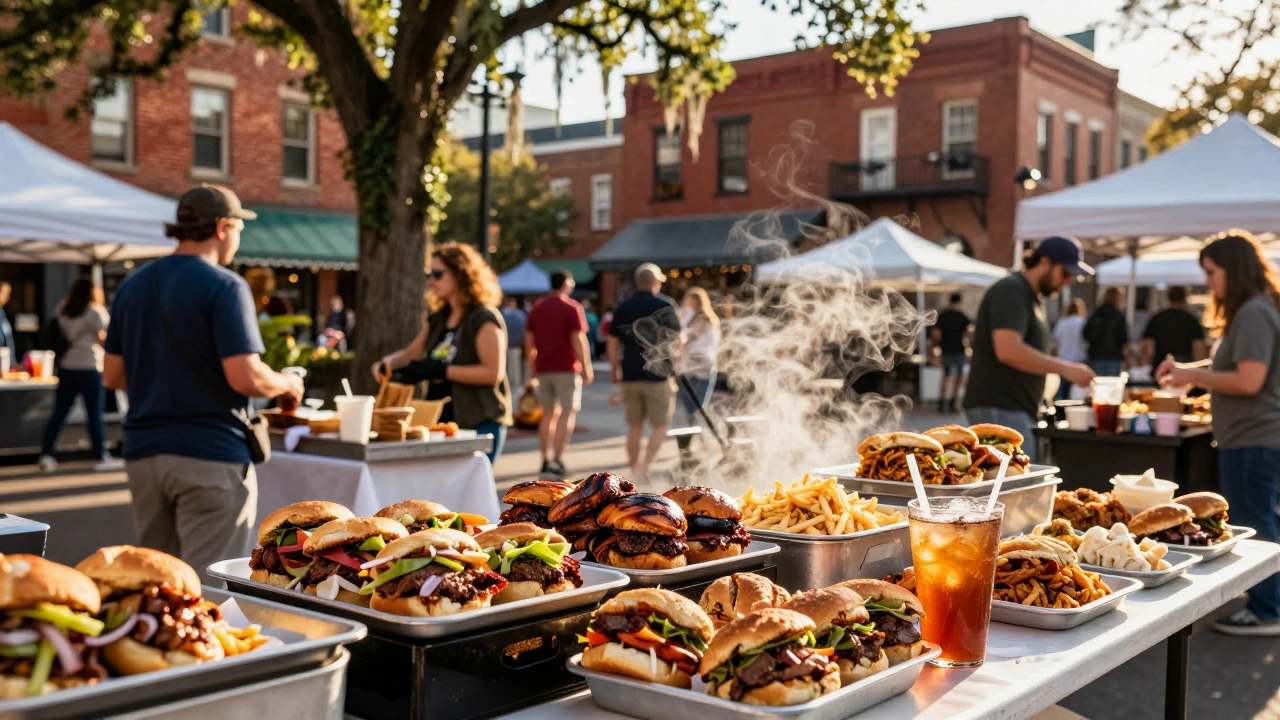
- Lunch Buffets and Diners: Look for local diners or restaurants with lunch specials. In many parts of the South and Midwest, a full meal with sides and drink can cost under $12.
- Dinner Out, Breakfast In: Save your restaurant budget for dinner, when you want to enjoy the local atmosphere. Keep breakfast and lunch simple and self-catered.
- Avoid Tourist Traps: Restaurants within walking distance of major landmarks are almost always overpriced. Walk five minutes further, and you’ll likely find better food for less money.
Hidden Costs to Watch Out For
Even in cheap destinations, unexpected fees can creep up. Be aware of these common pitfalls:
- Taxes and Service Charges: In the US, taxes (sales tax) and service charges (gratuities) are often not included in menu prices. Expect to add 8-10% for sales tax and 15-20% for service in sit-down restaurants.
- Parking Fees: Urban areas, even smaller ones, may charge for street or garage parking. Check if your hotel includes free parking before booking.
- National Park Passes: While the Smoky Mountains are free, other parks like Yellowstone or Grand Canyon charge per vehicle ($35). Buy the America the Beautiful Pass if you plan to visit multiple parks, as it pays for itself after two visits.
- Data Roaming: Ensure your phone plan covers US data, or buy a local SIM card/eSIM. Data roaming charges can be exorbitant.
Best Time to Visit for Lower Prices
Timing is everything. Prices fluctuate based on seasonality. Here’s how to leverage the calendar:
- Shoulder Seasons (April-May, September-October): These months offer mild weather and lower prices than peak summer. Crowds are thinner, and hotel rates drop by 15-25%.
- Off-Peak Summer (July-August): While summer is high season, traveling in late August often sees a dip in prices as families return to school.
- Winter (November-March): Except for ski resorts, winter is the cheapest time to visit most of the US. Florida and the Caribbean coast remain popular, but the rest of the country sees significant discounts.
Avoid major holidays like Thanksgiving, Christmas, and New Year’s Eve, as prices spike across the board.
Practical Tips for Solo and Group Travelers
Your travel style affects your budget. Here’s how to optimize for different groups:
- Solo Travelers: Consider hostels or shared apartments via platforms like Airbnb. Many US cities have growing hostel scenes that offer private rooms at lower rates than hotels. Splitting costs with strangers can also reduce food and activity expenses.
- Couples: Look for packages that combine lodging and activities. Some vacation rentals offer weekly discounts, which can save 20-30% compared to nightly rates.
- Families: Stay in vacation homes with kitchens. Cooking meals at home drastically reduces food costs. Also, many museums and attractions offer free admission for children, so focus on family-friendly spots.
Frequently Asked Questions
Is it safe to travel on a budget in America?
Yes, generally speaking. Safety concerns are often overstated in media. Stick to well-lit areas at night, use reputable booking platforms, and research specific neighborhoods. Most budget destinations like Kansas City, Asheville, and the Smoky Mountains are very safe for tourists.
Do I need a car to travel cheaply in the US?
It depends on your destination. In cities like New York, Boston, or Chicago, public transit is excellent and cheaper than renting a car. However, in rural areas like the Great Smoky Mountains or parts of the Southwest, a car is essential for accessing attractions and saving on taxi rides.
What is the best month to visit the US for the lowest prices?
January and February are typically the cheapest months, excluding holiday periods. Shoulder seasons in April and October also offer good deals with better weather. Avoid July and August if you want the lowest possible prices, as these are peak family travel months.
Are credit cards accepted everywhere in budget areas?
Yes, credit cards are widely accepted in the US, even in small towns. However, some rural gas stations or small vendors may prefer cash. It’s wise to carry a small amount of cash for tips, vending machines, or emergency situations.
How much should I tip in the US?
Tipping is expected in the US. For sit-down restaurants, tip 15-20% of the pre-tax bill. For hotel housekeeping, $2-$5 per night. For bartenders, $1-$2 per drink. Tipping is not required for fast food or self-service orders.