Holiday Cottage Fit Checker
Answer the questions below to see if a holiday cottage fits your travel style better than a hotel or guesthouse.
You’ve seen the listings online. Maybe you’re planning a weekend escape from the city noise, or perhaps you’re wondering if buying a property in the countryside makes financial sense. But before you book or buy, there’s a fundamental question: what is the meaning of holiday cottage? It sounds simple, but the term carries specific legal, practical, and cultural weight depending on where you are.
A holiday cottage isn’t just any house you rent for a few days. It’s a distinct category of accommodation with unique rules about ownership, usage, and taxation. Confusing it with a standard hotel room or a long-term residential lease can lead to expensive mistakes. Let’s break down exactly what defines these properties, how they differ from other rentals, and why this distinction matters for your next trip or investment.
The Core Definition: More Than Just a Rental House
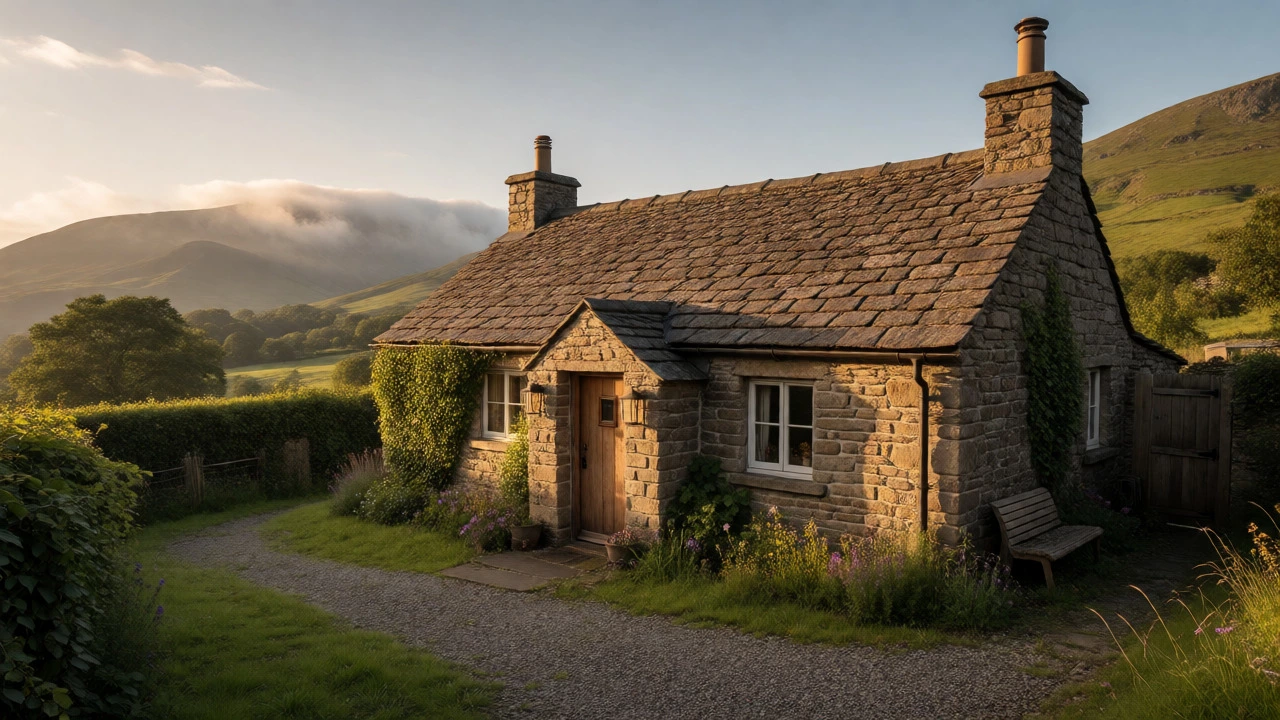
At its heart, a holiday cottage is a self-contained dwelling designed specifically for short-term leisure stays. Unlike a regular apartment in a city center that might be rented out occasionally by an owner, a holiday cottage is usually situated in a rural or semi-rural location-think coastal villages, mountain valleys, or forest edges. The key identifier here is intent: the property exists primarily for tourism and recreation, not for permanent residency.
In many jurisdictions, particularly in the UK and South Africa, local councils enforce strict zoning laws. You cannot simply convert your primary residence into a commercial holiday letting without permission. This separation ensures that residential neighborhoods aren’t overrun by transient tourists while preserving the character of rural areas. When you look at a listing, check if it’s classified as a "short-term let" or "holiday let." If it requires a special license from the municipality, it’s likely operating under holiday cottage regulations.
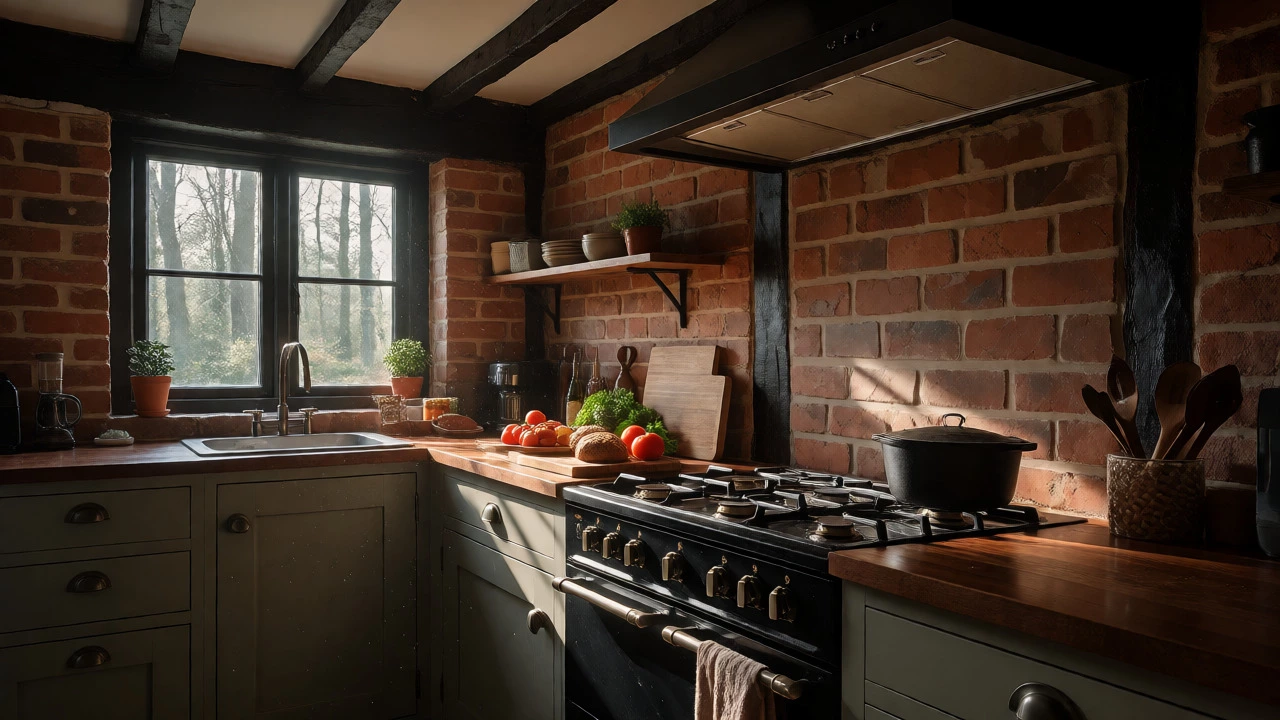
Another defining feature is self-catering facilities. While some luxury cottages offer breakfast services, the baseline expectation is that guests cook their own meals. This contrasts sharply with hotels, where food service is central to the experience. The presence of a fully equipped kitchen, laundry facilities, and often outdoor space like a garden or patio sets the holiday cottage apart. It offers autonomy. You decide when to eat, when to sleep, and whether to spend the day hiking or reading on the porch.
Holiday Cottage vs. Other Accommodation Types
People often use terms like "vacation rental," "Airbnb," and "guesthouse" interchangeably. They aren’t. Understanding the differences helps you choose the right option for your needs and budget. Here’s how a holiday cottage stacks up against common alternatives.
| Feature | Holiday Cottage | Hotel | Guesthouse/B&B | Long-Term Rental |
|---|---|---|---|---|
| Primary Purpose | Short-term leisure/tourism | Commercial lodging | Accommodation + Breakfast | Residential living |
| Location | Rural, coastal, scenic | Urban, tourist hubs | Suburban, town centers | Any residential area |
| Services | Self-catering (minimal) | Full service (room, food) | Breakfast included | None (tenant responsibility) |
| Privacy | High (entire property) | Low (shared spaces) | Medium (shared host) | High |
| Duration | Nights to weeks | Nights to weeks | Nights to weeks | Months to years |
Notice the privacy factor. In a hotel, you interact with staff daily. In a guesthouse, you share a dining table with the owners. In a holiday cottage, once you have the keys, you are largely invisible. This appeal drives the market. Travelers increasingly seek isolation and control over their environment, especially post-pandemic. The ability to work remotely from a quiet cottage without worrying about lobby noise or housekeeping schedules is a major selling point.
Legal and Regulatory Implications
If you’re thinking of renting out your spare room or buying a second home, the legal definition of a holiday cottage impacts your wallet significantly. Tax authorities treat income from holiday lets differently than residential rent. In many countries, you must register the property as a business entity. Failure to do so can result in fines or back-taxes.
Zoning is another critical layer. Some municipalities cap the number of holiday lets per neighborhood to prevent housing shortages for locals. For example, in popular tourist spots like Cape Town or Cornwall, new licenses may be restricted. Before signing a purchase agreement, verify the property’s current status. Is it already licensed? Can you transfer the license? Or will you need to apply for one, which could take months?
Insurance also differs. Standard homeowner’s insurance rarely covers commercial activity. You need specialized holiday let insurance that covers accidental damage by guests, loss of income due to cancellations, and liability claims. Don’t assume your landlord’s policy covers you as a tenant either; read the lease carefully regarding guest policies and subletting rights.
Economic Impact and Market Trends
The holiday cottage sector has evolved from a niche market to a dominant force in global tourism. Platforms like Airbnb and Vrbo democratized access, allowing individual owners to compete with large resort chains. This shift has had mixed effects. On one hand, it distributed tourist spending into local economies, benefiting small shops and cafes in remote areas. On the other, it contributed to rising property prices in desirable locations, sometimes pricing out local residents.
As of 2026, travelers prioritize experiences over amenities. A cottage with a wood-burning stove and a view of the ocean often outperforms a sterile apartment complex, even if the latter has a gym. Sustainability is also becoming a key differentiator. Eco-friendly cottages using solar power, rainwater harvesting, and local materials attract environmentally conscious tourists willing to pay a premium.
For investors, the yield potential varies widely. High-demand seasonal areas like the Garden Route in South Africa or the Lake District in the UK command higher nightly rates but suffer from off-season vacancies. Urban-adjacent cottages offer more consistent year-round demand but lower peak prices. Calculating return on investment requires realistic occupancy projections, not just best-case scenarios.
How to Choose the Right Holiday Cottage
Not all cottages are created equal. To ensure a good experience, focus on these practical criteria:
- Verification: Look for official registration numbers in listings. Reputable platforms often display badges indicating verified hosts and licensed properties.
- Reviews Specificity: Ignore generic five-star ratings. Read recent reviews mentioning cleanliness, Wi-Fi reliability, and accurate descriptions of surroundings. A complaint about "no hot water" three times in a month is a red flag.
- Accessibility: Rural charm often comes with steep driveways or gravel paths. Check if the property suits your mobility needs, especially if traveling with elderly relatives or young children.
- Connectivity: If you plan to work remotely, confirm internet speed via screenshots provided by the host. "Fast Wi-Fi" is subjective; ask for Mbps figures.
Beware of hidden costs. Cleaning fees, security deposits, and tourist taxes can add 15-20% to the advertised price. Always calculate the total cost before comparing options. Also, clarify check-in procedures. Many cottages use keyless entry codes, which require reliable mobile reception to receive instructions. If the cottage is in a dead zone, arrange an alternative contact method.
Cultural Nuances: Regional Differences
The meaning of "holiday cottage" shifts across borders. In the UK, it implies a traditional stone-built house, often with a fireplace, located in the countryside. In Australia, similar properties might be called "beach houses" or "cabins," emphasizing proximity to water. In South Africa, the term overlaps with "guest lodge" but retains a private, self-catering identity distinct from commercial lodges.
Understanding local customs enhances your stay. In some European regions, quiet hours are strictly enforced, and noisy parties are prohibited. In others, bringing pets is standard practice, but always confirm beforehand. Respecting local norms prevents conflicts with neighbors, who live there year-round and may be sensitive to tourist behavior.
Ultimately, a holiday cottage represents a temporary immersion into a different lifestyle. It’s less about the building itself and more about the freedom it provides-to disconnect, to explore locally, and to live at your own pace. Whether you’re seeking solitude or family bonding time, knowing the true meaning of the term helps you set realistic expectations and enjoy a seamless getaway.
Is a holiday cottage the same as an Airbnb?
Not exactly. "Airbnb" is a platform name, while "holiday cottage" describes a type of property. An Airbnb listing can be a shared room, an apartment, or a holiday cottage. However, most standalone, self-catering rural properties listed on Airbnb fit the definition of a holiday cottage. The key difference is regulatory: holiday cottages often face stricter licensing requirements than casual homestays.
Can I live permanently in a holiday cottage?
Usually no. Most holiday cottages are zoned for short-term tourist use only. Living there permanently typically violates local planning laws unless you obtain a change-of-use permit, which can be difficult and costly. Always check local council regulations before considering permanent residence.
Do holiday cottages include utilities?
Typically, yes. Electricity, water, gas, and Wi-Fi are included in the rental price. However, some high-consumption items like air conditioning or electric heating might have caps or surcharges during peak seasons. Check the listing details for utility limits.
Are holiday cottages pet-friendly?
Many are, but it is not universal. Owners set their own policies. Always filter searches for "pet-friendly" and communicate directly with the host to confirm breed restrictions, cleaning fees for pets, and whether dogs are allowed on furniture.
What is the average size of a holiday cottage?
There is no standard size, but most range from 40 to 120 square meters. They typically accommodate 2 to 6 people. Larger properties marketed as "cottages" might actually be converted barns or farmhouses, offering more space but potentially less cozy charm.