
Mini-Break Budget Calculator
Plan Your Budget-Friendly Mini-Break
Calculate costs for 2 nights at one of 7 affordable U.S. destinations. All prices based on midweek travel for two people.
Destination
What to Expect
Select your destination and budget to see if your trip fits.
Detailed Breakdown
Choose a destination to see your budget breakdown.
Ever feel like you need to get away but don’t have the time or money for a week-long trip? You’re not alone. A mini break doesn’t have to mean skipping vacation altogether. It just means being smart about where you go - and what you do there. The best short escapes don’t require a big budget, a passport, or a week off work. Just a Friday afternoon and a willingness to explore something new.
Why mini breaks actually work
A 2023 study from the University of Surrey found that people who took two or three short trips a year reported higher levels of happiness than those who took one long vacation. Why? Because the anticipation, the change of scenery, and the mental reset happen faster. You don’t need two weeks to recharge. Sometimes, 48 hours is enough to reset your brain.
That’s the secret: mini breaks aren’t about luxury. They’re about change. A different bed, a new street to walk, a coffee shop with no Wi-Fi. That’s all it takes.
1. Lake George, New York
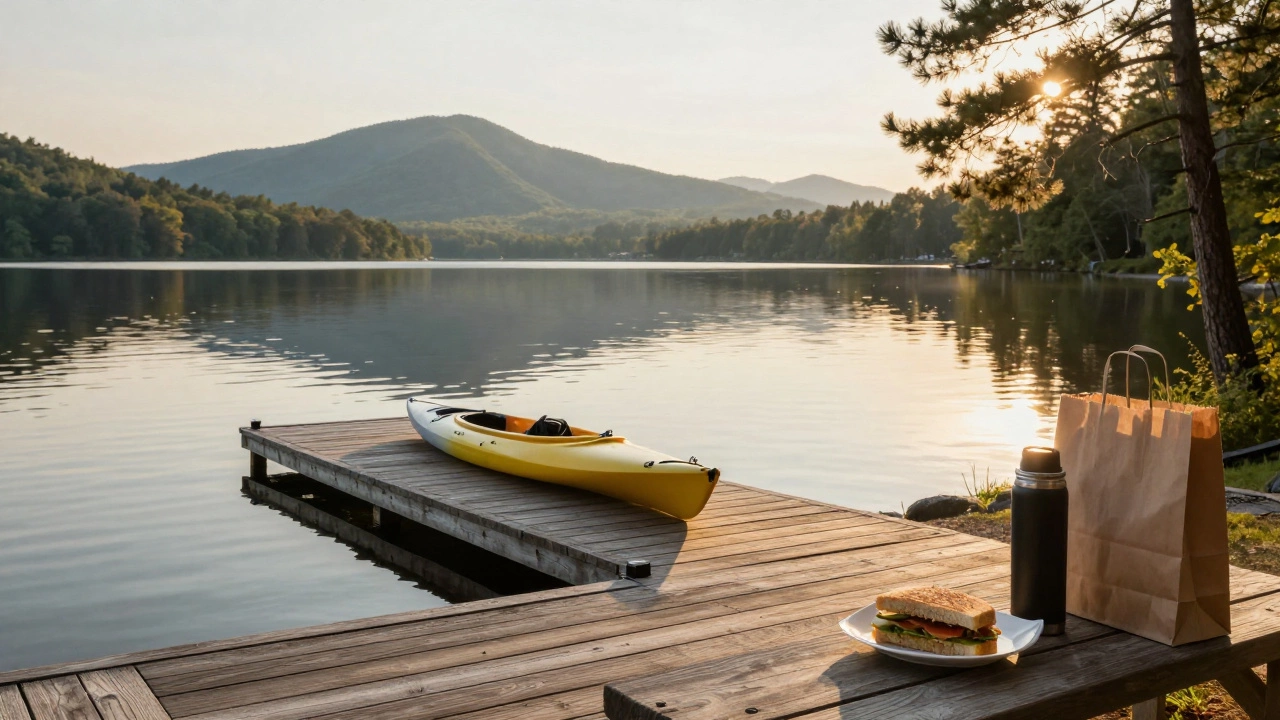
Just three hours from New York City, Lake George feels like a world away. Rent a kayak for $15 an hour, hike the easy trails at Prospect Mountain, or just sit on the dock and watch the sun dip behind the Adirondacks. The town has dozens of budget motels under $90 a night - some with lake views. Skip the fancy restaurants. Grab a sandwich from the local deli, picnic on the shore, and call it a perfect day.
There’s no need to book months ahead. Most places have walk-in availability on weekdays. Even in peak season, you can find deals if you go midweek.
2. Lancaster County, Pennsylvania
Amish country isn’t just about buggies and homemade pies - though those are great too. This region is one of the cheapest places in the U.S. to spend a weekend. Stay in a converted barn-turned-B&B for $75 a night. Visit the farmers market on Saturday morning, watch a blacksmith at work, and eat a full country breakfast for under $10.
The best part? No tourist traps. Everything here feels real. You won’t find overpriced souvenirs or crowded boardwalks. Just quiet roads, fresh food, and slow living.
3. Asheville, North Carolina
Yes, Asheville is trendy. But it’s still one of the most affordable mountain towns in the Southeast. You can find a cozy Airbnb for $80 a night outside the downtown core. Hike the Blue Ridge Parkway for free. Visit the River Arts District, where local artists sell handmade ceramics for under $20. The city’s public bus system runs for just $1.25 a ride.
Don’t miss the rooftop at the Hotel Indigo - it’s open to the public. Order a local beer, look out over the mountains, and pretend you’re on vacation in the Alps.

4. Marfa, Texas
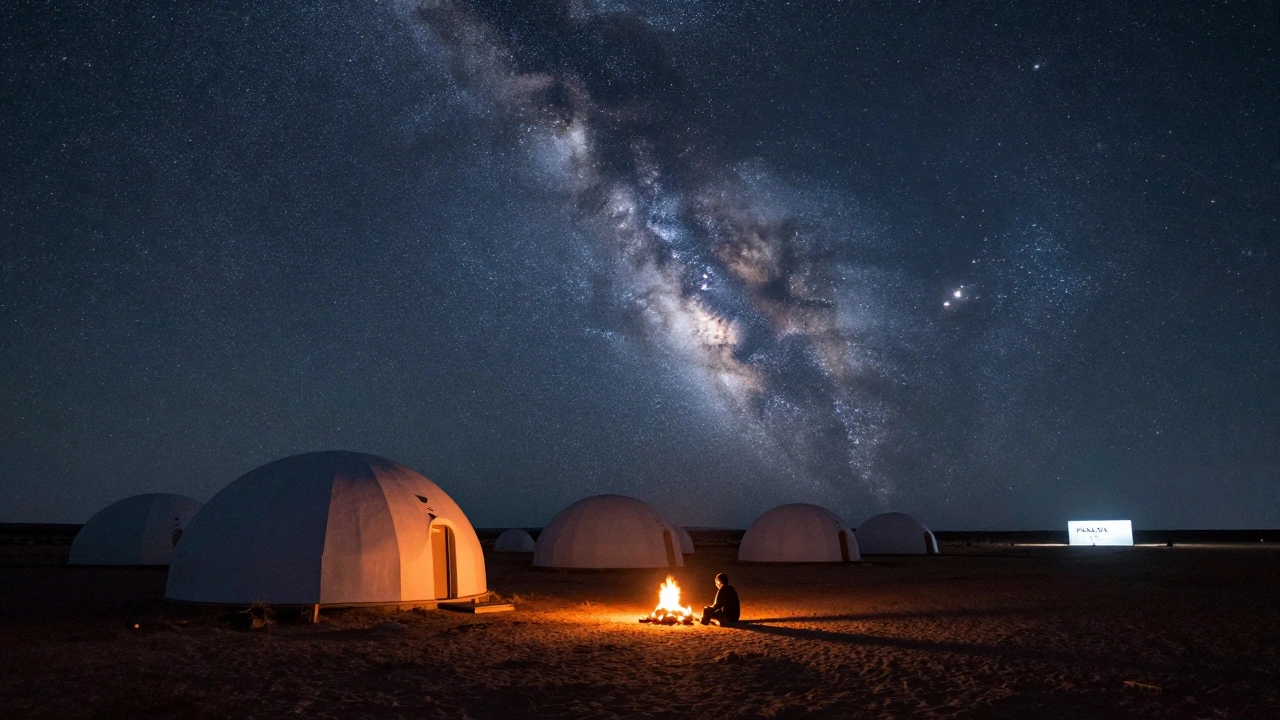
If you’re craving weird, quiet, and totally unexpected - Marfa’s your spot. It’s a 6-hour drive from Austin, but worth every mile. The town has fewer than 2,000 people, and the only thing brighter than the desert sky is the art.
The Prada Marfa installation is free to visit. It’s a real Prada store, frozen in time, out in the middle of nowhere. Stay at the El Cosmico dome hotel for $110 a night - it includes a communal kitchen and bonfire nights. Bring your own food. Eat under the stars. No Wi-Fi. No noise. Just silence and the Milky Way.
5. Door County, Wisconsin
Think of it as Wisconsin’s version of Napa - without the price tag. Cherry orchards, lighthouses, and small-town charm. You can rent a cabin on the lake for $70 a night in April. Walk the Peninsula State Park trails. Eat fish boils at a family-run restaurant for $12. Try a cherry pie. Then try another.
The best time to go? Late April or early October. Fewer crowds, lower prices, and the air still smells like pine and lake water.
6. Santa Fe, New Mexico
It’s easy to assume Santa Fe is expensive. It’s not. The downtown plaza is free to walk. The Georgia O’Keeffe Museum has a $10 discount on Tuesdays. Stay at a historic adobe guesthouse for under $100 a night - many include breakfast.
Take the free shuttle to the Canyon Road art district. Browse galleries without pressure. Buy a handmade turquoise ring for $15 from a local artist. Eat green chile stew at a hole-in-the-wall taqueria. No one will know you’re on a budget. Everyone will think you’re on vacation.
7. Cape May, New Jersey
It’s not just for summer. Cape May is magical in spring and fall. Victorian houses line the streets. The boardwalk is quiet. The beach is empty. You can rent a two-bedroom cottage for $90 a night in February.
Take a free walking tour of the historic district. Watch the sunset from the lighthouse. Eat lobster rolls at the pier for $14. Bring a book. Sit on the porch. Listen to the waves. You won’t need a plane ticket. You won’t need a big wallet. You’ll just need a weekend.
How to plan a mini break that doesn’t suck
Most people ruin short trips by over-planning. Here’s how to avoid that:
- Choose a place under 5 hours from home - train, bus, or drive.
- Book your stay on a Thursday night. You’ll get the best rates.
- Leave your laptop and work email behind. Seriously.
- Set a $200 budget for the whole trip - including gas, food, and a treat.
- Plan one main activity. The rest? Let it happen.
Don’t try to see everything. See one thing well. Walk a trail. Eat one meal you won’t forget. Talk to a local. That’s enough.
What not to do
Don’t book a resort. Don’t go somewhere that requires a rental car. Don’t try to Instagram your trip. The goal isn’t to post about it - it’s to feel like you’ve escaped.
And please, don’t wait for the "perfect" time. There’s no perfect time. There’s only now. Friday. Tomorrow. Next week. That’s your window. Take it.
Final thought
You don’t need to go far to feel far away. Sometimes, the best vacation is just a change of pavement. A new sky. A different rhythm. The world is full of quiet, cheap, beautiful places waiting for you to show up - even if it’s just for two nights.
Can I really do a mini break on a $200 budget?
Yes, absolutely. Most of the destinations listed - like Lake George, Door County, or Cape May - have lodging under $100 a night, free outdoor activities, and cheap local eats. Gas, snacks, and one nice meal can easily fit in the rest. The key is avoiding tourist traps, booking midweek, and skipping fancy restaurants.
Do I need a passport for these mini breaks?
No. All the places mentioned are within the U.S. and require no passport. If you’re looking for international options, you’ll need to plan ahead and budget more. But for quick, easy escapes, staying domestic saves time, money, and stress.
What if I don’t have a car?
You still have options. Cities like Asheville and Santa Fe have decent public transit. Lake George and Cape May have shuttle services. Many budget stays offer free pickup from nearby train or bus stations. Use Google Maps to check transit routes before booking. If you’re within 50 miles of a major city, you’re likely within reach of a cheap getaway.
Are these places safe for solo travelers?
Yes. All the destinations listed are known for being safe, quiet, and welcoming to solo visitors. Places like Marfa and Door County have very low crime rates. Just use common sense: stick to well-lit areas at night, let someone know where you’re staying, and trust your gut. Most locals are happy to point you to good coffee or a hidden trail.
What’s the best time of year to take a mini break?
Late spring (April-May) and early fall (September-October) are ideal. Prices drop, crowds thin out, and the weather is usually perfect. Even in winter, places like Marfa and Santa Fe are quiet and cozy. Avoid holidays and school breaks - that’s when prices spike.