
Weekend Anxiety & Burnout Checker
Answer these questions honestly to uncover why your weekends might feel stressful instead of relaxing.
Your Analysis
Recommended Fixes:
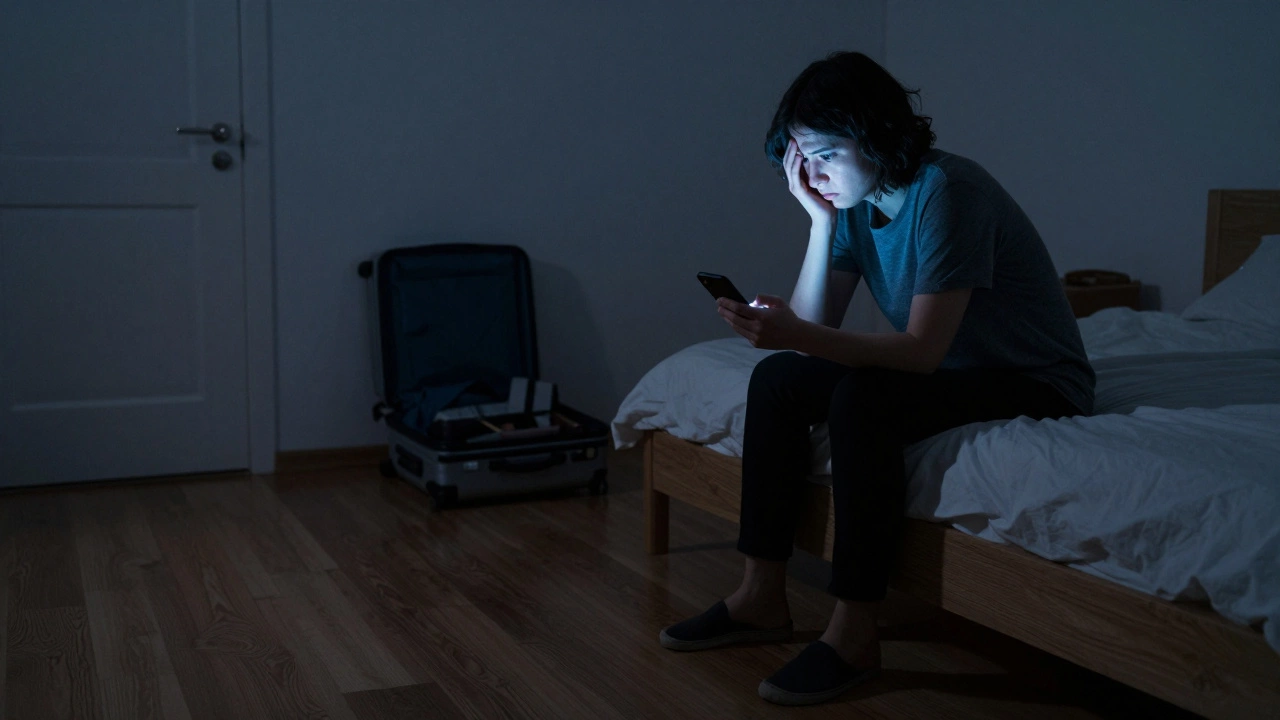
It’s Friday evening. You’ve just clocked out. Your phone buzzes with plans for a weekend getaway, which is a short trip taken during the weekend to relax or explore a new place. But instead of excitement, you feel a heavy knot in your stomach. Maybe it’s dread. Maybe it’s exhaustion. Or maybe you just want to stare at the ceiling until Monday morning arrives again. If this sounds familiar, you are not alone. In fact, many people experience what psychologists call "weekend anxiety" or the "Sunday scaries," even if they have nothing stressful scheduled.
We often assume weekends are the universal cure for burnout. We book trips, plan brunches, and schedule chores, believing that time off equals happiness. But for a growing number of us, the weekend brings a strange mix of guilt, pressure, and isolation. Why does the break from work sometimes feel heavier than the work itself? Let’s look at the psychology behind why we feel bad when the clock strikes Saturday and how to reclaim those days.
The Pressure to "Optimize" Leisure Time
In today’s hyper-connected world, leisure has become a performance. Social media feeds are flooded with photos of perfect weekend getaways, curated coffee dates, and productive hobby sessions. This creates a subconscious benchmark: if you aren’t doing something "worth posting," are you really enjoying your weekend?
This phenomenon is known as "productivity guilt." We’ve internalized the idea that our value is tied to our output. When we stop producing, we feel like we’re falling behind. You might find yourself scrolling through travel blogs about coastal escapes while sitting on your couch, feeling annoyed that you didn’t pack a bag. The gap between your idealized weekend (the getaway) and your actual weekend (doing laundry) creates cognitive dissonance. Your brain interprets this mismatch as failure, triggering stress hormones rather than relaxation chemicals.
To combat this, try defining "success" for your weekend differently. Success isn’t a checked-off itinerary; it’s a rested mind. If you spend Saturday reading a book and napping, that is valid rest. You don’t need a passport stamp to prove you took a break.
Social Battery Depletion and Introvert Burnout
For many, the weekend is synonymous with socializing. After five days of office interactions, client calls, and team meetings, the idea of adding more people to the mix can be overwhelming. This is especially true for introverts or highly sensitive people who recharge by being alone.
When you force social interaction without adequate recovery time, you experience "social hangover." This isn’t just tiredness; it’s a physiological response to overstimulation. Your nervous system remains in a state of high alert, making it difficult to relax even when you’re home alone. You might feel irritable, withdrawn, or physically drained after a simple dinner with friends.
- Signs of social depletion: Dreading text messages, needing silence to think, feeling emotionally raw after small talk.
- The fix: Schedule one "no-contact" day per weekend. Tell close friends you’re recharging. Protect this time fiercely.
If you love connecting but hate the pressure, shift from large group events to one-on-one meetups. A walk with a friend requires less emotional energy than a crowded party. Quality over quantity always wins when your battery is low.
The Illusion of Control and Unstructured Time
Workdays have structure. You know when to start, when to eat, and when to leave. This external framework reduces decision fatigue. Weekends, however, are blank slates. For some, unstructured freedom is liberating. For others, it’s paralyzing.
Psychologists note that humans crave routine because it provides a sense of safety and predictability. When that structure vanishes, the brain can interpret the void as instability. You might wake up on Saturday unsure of what to do, leading to hours of procrastination followed by guilt for "wasting" the day. This cycle fuels anxiety. You feel bad not because of what you’re doing, but because you feel like you’re losing control of your time.
You don’t need a rigid schedule to regain control. Try "anchoring" your weekend with two non-negotiable activities. For example, a morning walk and a weekly meal prep session. These anchors give your day shape without turning it into a second job. The space between anchors is yours to fill-or not fill-as you please.

Financial Stress and the Cost of Escapism
Let’s talk money. The culture of weekend getaways often comes with a price tag. Flights, hotels, dining out, and activities add up quickly. If you’re living paycheck to paycheck, the expectation to "treat yourself" can induce significant financial anxiety.
You might feel pressured to spend money to validate your hard week. This is a common coping mechanism: retail therapy or travel therapy. But if your bank account doesn’t support these habits, the post-weekend bill becomes a source of dread that lingers into Monday. This financial stress undermines any relaxation you gained during the trip.
| Activity Type | Example | Emotional Impact |
|---|---|---|
| High-Cost Getaway | Flying to Cape Town for a beach resort stay | Short-term joy, long-term financial stress |
| Local Exploration | Hiking a nearby trail or visiting a local museum | Moderate joy, no financial burden |
| Home-Based Rest | Cooking a new recipe and watching movies | Deep relaxation, zero cost |
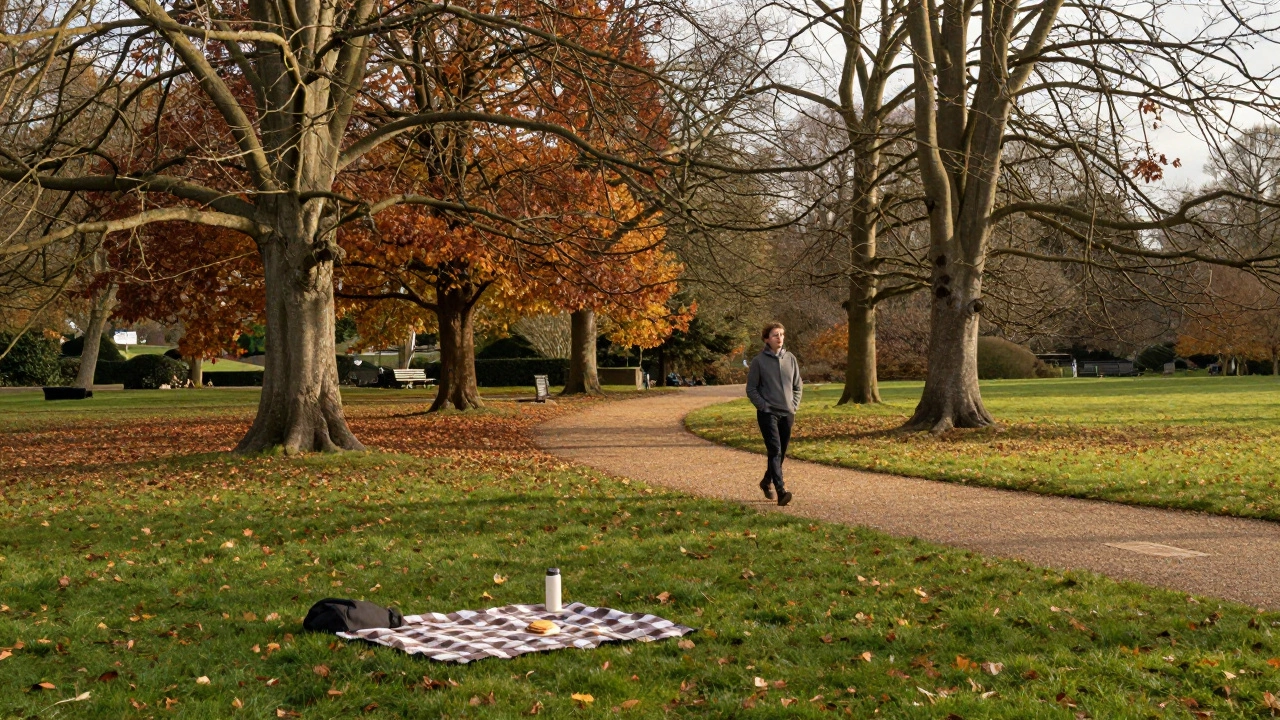
Redefine luxury. Luxury isn’t a five-star hotel; it’s the absence of worry. Planning a budget-friendly picnic in the park can be more relaxing than an expensive trip if it aligns with your financial reality. Be honest with yourself about what you can afford, and let go of the FOMO (fear of missing out) driven by Instagram influencers.
Underlying Mental Health Factors
Sometimes, feeling bad on weekends is a symptom of deeper issues. Depression, anxiety disorders, and unresolved trauma can manifest as weekend-specific distress. During the workweek, distractions keep these feelings at bay. On weekends, the noise stops, and the emotions surface.
If you consistently feel hopeless, anxious, or empty on Saturdays and Sundays, it may be time to speak with a mental health professional. Therapists can help you identify patterns and develop coping strategies. Cognitive Behavioral Therapy (CBT), for instance, is effective for challenging negative thought loops about leisure time.
Remember, seeking help is a sign of strength, not weakness. Your mental health is the foundation of your ability to enjoy life-both at work and during weekend getaways.
Reclaiming Your Weekend: Actionable Steps
Fixing weekend blues doesn’t require a personality transplant. It requires small, intentional shifts in how you view and use your time. Here are practical steps to transform your weekends from sources of stress into true sanctuaries.
- Set Boundaries Early: Stop checking work emails on Thursday night. Create a ritual that signals the end of the workweek, like changing clothes or taking a bath.
- Plan One Thing, Not Ten: Over-scheduling leads to burnout. Pick one activity you genuinely look forward to. Everything else is optional.
- Embrace Boredom: Allow yourself to do nothing without guilt. Boredom is essential for creativity and mental reset.
- Connect with Nature: Studies show that spending time outdoors reduces cortisol levels. Even a 20-minute walk in a local park can improve mood.
- Digital Detox: Limit screen time, especially social media. Comparison is the thief of joy. Turn off notifications and put your phone in another room.
Consider trying a "staycation" mindset. Treat your home city like a tourist destination. Visit places you’ve never been, eat at new restaurants, or explore hidden gardens. This satisfies the desire for novelty without the stress and cost of traveling far.
Conclusion: Redefining Rest
Feeling bad on weekends is a signal, not a sentence. It’s your body and mind telling you that something is off-balance. Whether it’s pressure to perform, social exhaustion, financial strain, or underlying mental health concerns, the solution lies in awareness and adjustment.
You don’t need a fancy weekend getaway to heal. You need permission to rest without conditions. Start small. Listen to your needs. And remember, a quiet Saturday spent doing absolutely nothing is still a successful weekend if it leaves you feeling renewed.
Is it normal to feel anxious on weekends?
Yes, it is quite common. Many people experience "Sunday scaries" or weekend anxiety due to lack of structure, social pressure, or anticipation of the upcoming workweek. It becomes a concern only if it significantly impacts your quality of life or daily functioning.
How can I stop feeling guilty for resting on weekends?
Challenge the belief that productivity equals worth. Remind yourself that rest is necessary for long-term performance and health. Set specific goals for relaxation, such as "I will read for one hour," to make rest feel intentional rather than lazy.
What are cheap alternatives to expensive weekend getaways?
Try local hiking trails, library visits, cooking new recipes at home, or having a movie marathon with friends. Exploring your own city as a tourist can provide novelty without the high costs of travel and accommodation.
Can weekend anxiety be a sign of depression?
It can be. If you consistently feel hopeless, empty, or unable to enjoy activities you once loved, it may indicate underlying depression. Consulting a mental health professional can help determine the cause and provide appropriate support.
How do I manage social battery depletion on weekends?
Prioritize solitude. Schedule at least one day with no social obligations. Communicate your need for recharge time to friends and family. Opt for low-energy social interactions, like walking or quiet dinners, instead of loud parties.