
All-Inclusive Resort Cost Estimator
Calculate Your Potential Extra Costs
Dining Options
Drinks & Beverages
Additional Services
Estimated Additional Costs
Remember: Main dining is included. Costs reflect premium options not covered in standard packages.
You book an all-inclusive resort because you want to relax-no counting coins at dinner, no surprise charges after a cocktail. But then you get there, and someone says, "The lobster isn't included." Wait, what? If it’s all-inclusive, why are you being asked to pay extra for food? The truth is, all-inclusive doesn’t mean everything. It means most things-within limits.
What "All-Inclusive" Actually Covers
At its core, an all-inclusive resort promises meals, drinks, and basic activities without extra fees. That usually means three meals a day, snacks between meals, and a selection of local and international beverages-beer, wine, soft drinks, and sometimes basic cocktails. Breakfast, lunch, and dinner are served in main dining rooms or buffet-style venues. You can eat as much as you want, and you won’t be charged per plate.
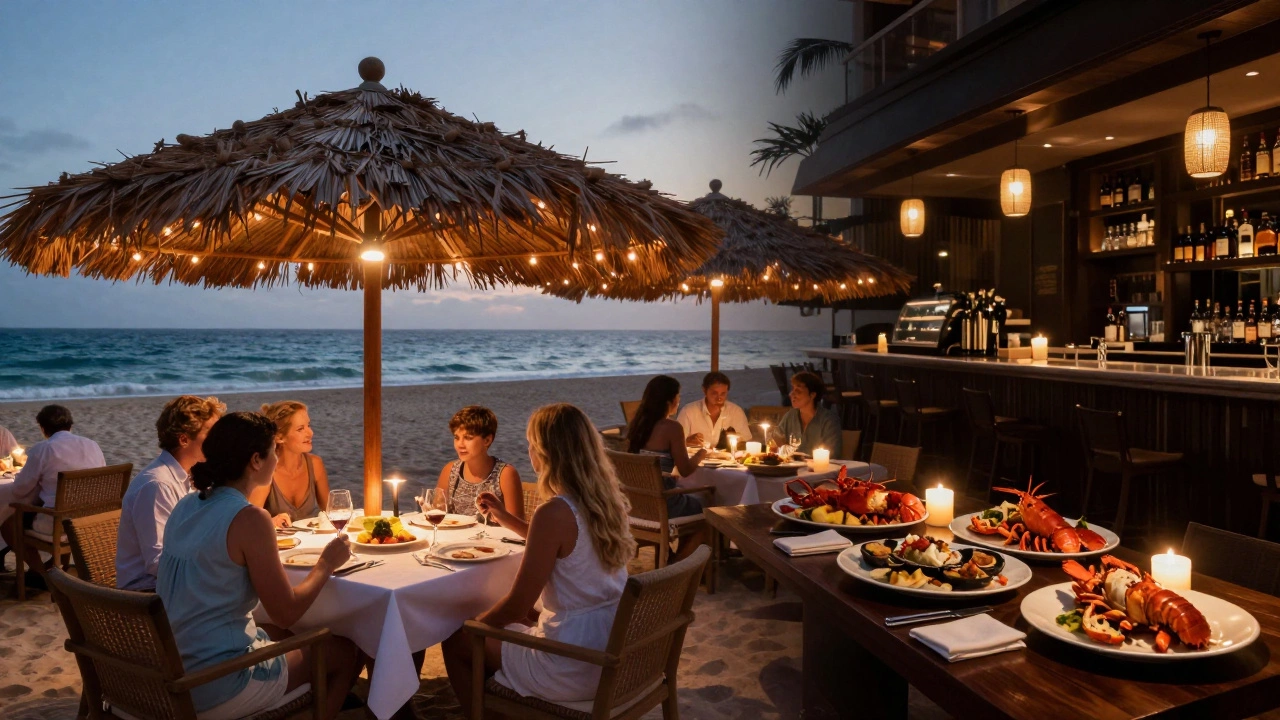
But here’s where people get tripped up: not every restaurant is included. Many resorts have specialty restaurants-think Italian, Japanese, or steakhouse-that require reservations and often cost extra. These aren’t hidden fees; they’re clearly marked on the resort’s dining guide. If you want to eat at the surf-and-turf place with truffle pasta and dry-aged ribeye, you’ll pay $30-$70 per person on top of your room rate. It’s not a scam. It’s a choice.
Drinks: The Big Gray Area
Drinks are the most confusing part. Most all-inclusive packages include local beer, house wine, soda, and standard cocktails. But premium brands? That’s a different story. If you order a Grey Goose martini, a bottle of Macallan 18, or imported champagne, you’ll likely get a bill. Same goes for coffee drinks at the café bar-espresso, cappuccino, or latte made with specialty beans often cost extra.
Some resorts, especially higher-end ones, now offer upgraded packages labeled "premium all-inclusive" or "elite drinks." These include top-shelf liquor, branded spirits, and sometimes even room service. But unless you paid extra for that tier, stick to the house brands. It’s not about being cheap-it’s about knowing what you signed up for.
Food Outside the Main Dining Areas
Let’s say you wake up craving pancakes at 10 a.m. The main buffet is closed. But there’s a café open with a breakfast menu. Is that included? Maybe. But if that café is branded as a "gourmet experience" or has a separate menu with prices listed, it’s probably not. Resorts often use these smaller venues to upsell. You might think you’re just grabbing a quick bite, but you’re stepping into a pay zone.
Same goes for midnight snacks. If you walk into the lobby bar at 2 a.m. and order a burger, you might be surprised to see a $25 charge. That’s because late-night dining is often considered a premium service. It’s not the food itself-it’s the timing and the service level.

What’s Almost Always Extra
Some things are never included, no matter how fancy the resort. These include:
- Specialty restaurants (unless you booked a premium package)
- Alcohol beyond the house brand (premium spirits, imported wine)
- Room service (in most cases)
- Off-resort excursions (even if they include lunch)
- Spa treatments, massages, or salon services
- Shopping at resort boutiques
- Tip gratuities (some resorts add them automatically, others don’t)
These aren’t tricks. They’re business models. Resorts make money on upgrades. If you want lobster, wine pairings, or a massage after your swim, you pay extra. That’s how they keep the pools clean, the staff paid, and the food fresh.
How to Avoid Surprises
Before you book, read the fine print. Not the glossy brochure. The actual terms on the booking site or email confirmation. Look for phrases like:
- "Select restaurants included"
- "House beverages only"
- "Premium brands extra"
- "Gratuities not included"
Call the resort directly. Ask: "What’s not included in the all-inclusive rate?" Don’t let them brush you off. If they hesitate, that’s a red flag. You deserve to know what you’re paying for.
Once you’re there, grab the dining guide. It’s usually handed out at check-in or available at the front desk. It lists every restaurant, what’s included, and what costs extra. Keep it handy. Use it like a map.
Is It Worth It?
Yes-if you manage your expectations. All-inclusive resorts are great for families, couples who want to unwind, or travelers who hate budgeting day-to-day. You can eat three meals a day, sip drinks by the pool, and join snorkeling or yoga without checking your wallet.
But if you’re a foodie who loves trying new cuisines, or you drink premium whiskey every night, you’ll pay more than you think. In that case, a room-only booking with a food budget might save you money and give you more freedom.
There’s no right or wrong. Just know what you’re getting. The word "all-inclusive" is marketing. What’s really included? That’s the question you need to answer before you book.
Real Example: A Day at an All-Inclusive Resort
Imagine this: You wake up at 8 a.m. and head to the buffet. Pancakes, fruit, eggs, yogurt-all free. You grab a coffee and a mimosa. Included. At noon, you eat grilled fish and rice at the beachside grill. No charge. In the evening, you walk to the Italian restaurant. The menu says "$45 per person." You decide to stay at the main dining room and have pasta with house wine. Still free.
Later, you want a whiskey. The bartender asks if you want "house" or "premium." You say "house." It’s a local blend, but it’s smooth. You don’t miss the $120 bottle you could’ve had.
You didn’t pay extra for food. You didn’t go broke. But you also didn’t eat lobster or sip Dom Pérignon. You got exactly what you paid for: a stress-free, full-service vacation.
Final Rule: All-Inclusive Isn’t Free-It’s Predictable
The magic of all-inclusive isn’t that everything is free. It’s that you know the cost upfront. You pay one price, and you don’t have to worry about daily spending surprises. That’s the real value.
Food? Usually included. Premium food? Pay extra. Drinks? Basic ones, yes. Fancy ones, no. Activities? Most are covered. Spa? That’s on you.
Don’t go expecting a five-star restaurant experience for the price of a motel. Go expecting comfort, convenience, and control over your budget. If you do that, you’ll leave happy-not shocked by a bill you didn’t see coming.
Is everything really free at an all-inclusive resort?
No. All-inclusive means meals, basic drinks, and standard activities are covered. Premium restaurants, top-shelf alcohol, room service, spa treatments, and off-resort excursions usually cost extra. Always check the fine print before booking.
Do I need to tip at an all-inclusive resort?
It depends. Some resorts automatically add a service charge to your bill. Others don’t. Even if tipping isn’t required, many guests leave small amounts for housekeeping, waitstaff, or bartenders who went above and beyond. A few dollars per day is common and appreciated.
Can I eat at every restaurant without paying extra?
No. Most resorts have 1-3 main dining venues included in the package. Specialty restaurants-like sushi bars, steakhouses, or fine dining spots-usually require an additional fee. You’ll see the prices listed on menus or in the resort’s dining guide.
Are alcoholic drinks truly unlimited?
Unlimited, yes-but only for house brands. Beer, wine, and cocktails made with local or standard spirits are included. Premium brands like Grey Goose, Macallan, or imported champagne cost extra. Some resorts offer upgraded drink packages if you want those.
What if I want to eat lobster or steak?
You can, but you’ll likely pay extra. Lobster, premium steaks, and other high-end dishes are typically only available in specialty restaurants that charge additional fees. The main buffet and standard dining rooms serve simpler, included meals. Plan ahead if you want a special night out.