British Holiday Greeting Calculator
When is it?
Recommended Phrase
"Merry Christmas" is the most common British greeting. It's the phrase used by Queen Elizabeth II and in BBC broadcasts. "Happy Christmas" is also widely accepted but feels less commercial to many Brits.
Why It Matters
Brits don't use "Happy Holidays" because they view Christmas as a specific, traditional event rather than one of many holidays. The phrase "Happy Holidays" is seen as American and overly inclusive.
If you're in a multicultural UK city, "Happy Holidays" might be more common—but it's still not the traditional British phrase.
When you hear someone in the UK say "Happy Holidays," you might expect a warm, American-style greeting. But if you’ve spent any time in Britain around December, you’ve probably noticed something different. Brits don’t really say "Happy Holidays" at all-not in the way Americans do. It’s not that they’re unfriendly. They just don’t use that phrase. Instead, they’ve got their own way of wishing people well during the winter break, and it’s tied to centuries of tradition, weather, and a healthy dose of understatement.
What Brits Actually Say Instead of "Happy Holidays"
If you walk into a shop in London, Manchester, or even a small village in Cornwall in late December, you’re far more likely to hear:
- "Merry Christmas!"
- "Happy Christmas!"
- "Have a good one!"
- "See you in the New Year!"
- "Enjoy the break!"
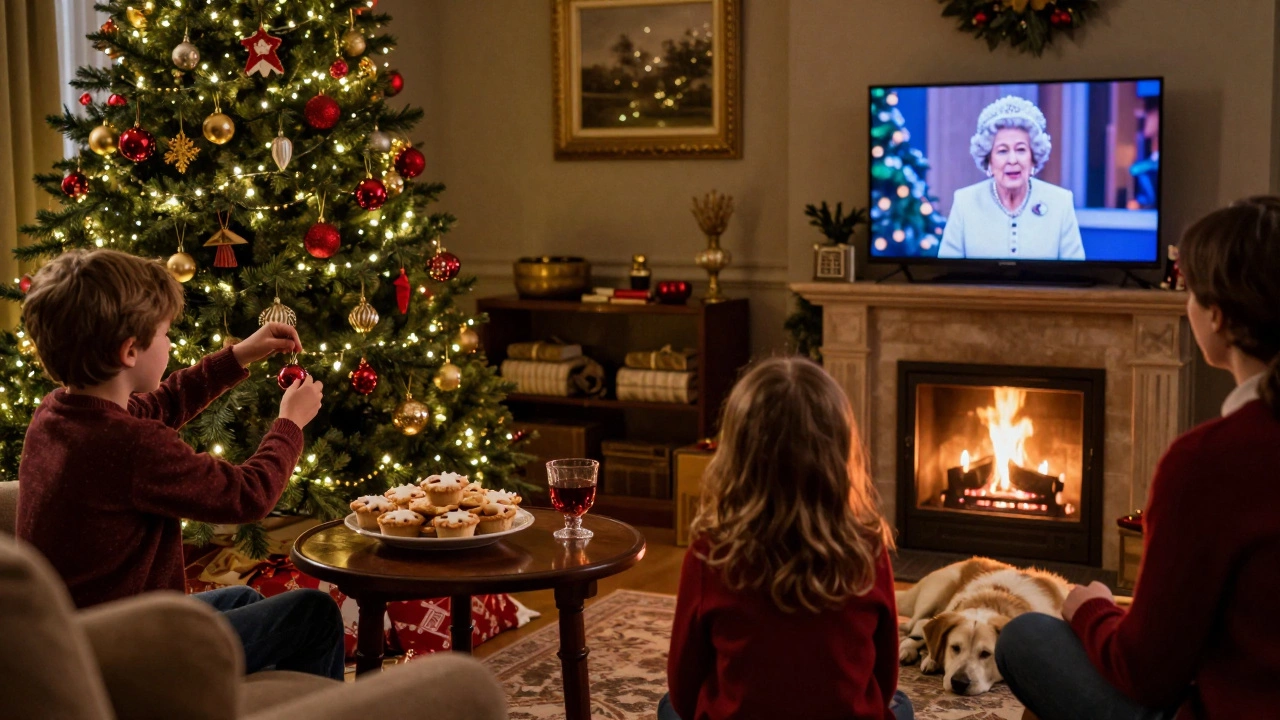
"Merry Christmas" is the most common. It’s used by shop assistants, bus drivers, neighbors, even strangers on the street. But here’s the twist: many Brits say "Happy Christmas" instead. That’s not a mistake-it’s a preference. "Happy Christmas" sounds less commercial to them. It’s the phrase Queen Elizabeth II used in her annual televised address, and it stuck. You’ll hear it in British films, on BBC radio, and in homes where they still light the fire and put out the mince pies.
"Happy Holidays"? It’s rarely heard. If someone does say it, they’re either American, have lived abroad, or are trying too hard to sound inclusive. Most Brits don’t think of "holidays" as a blanket term for the entire winter break. To them, "holidays" means vacation-like a trip to Spain in July or a week in the Lake District. Christmas is its own thing.
Why "Happy Holidays" Doesn’t Fit British Culture
The difference isn’t just about words. It’s about values. British culture leans toward tradition, specificity, and quiet celebration. They don’t feel the need to bundle everything under one phrase. Christmas is Christmas. New Year’s is New Year’s. Boxing Day? That’s a public holiday with its own history-originally a day when servants got gifts from their employers. Now it’s sales and football.
There’s also the matter of tone. Brits are famously reserved. Loud, sweeping phrases like "Happy Holidays!" can feel over-the-top. "Have a good one" or "See you next year" carries the same warmth but with a shrug and a smile. It’s polite, not performative. You don’t need to shout joy to express it.
Even the word "holiday" itself has a different weight. In the US, "holiday" can mean Thanksgiving, Halloween, or Independence Day. In the UK, "public holiday" means bank holiday-official days off work. The winter period isn’t one big holiday block. It’s a sequence: Christmas Eve, Christmas Day, Boxing Day, New Year’s Eve, New Year’s Day. Each has its own rituals.
How Brits Celebrate the Season-Without Saying "Happy Holidays"
What do Brits actually do during this time? And how does it shape how they speak?
- Christmas Eve: Families decorate the tree together, often with handmade ornaments. Some leave out mince pies and sherry for Santa. Others just watch The Queen’s Speech and argue over who gets the last Brussels sprout.
- Christmas Day: Turkey, roast potatoes, cranberry sauce, and a paper crown in the Christmas pudding. The TV is on-Doctor Who Christmas special, EastEnders live episode, and the Top of the Pops rerun. No one says "Happy Holidays." They say, "That was a good dinner."
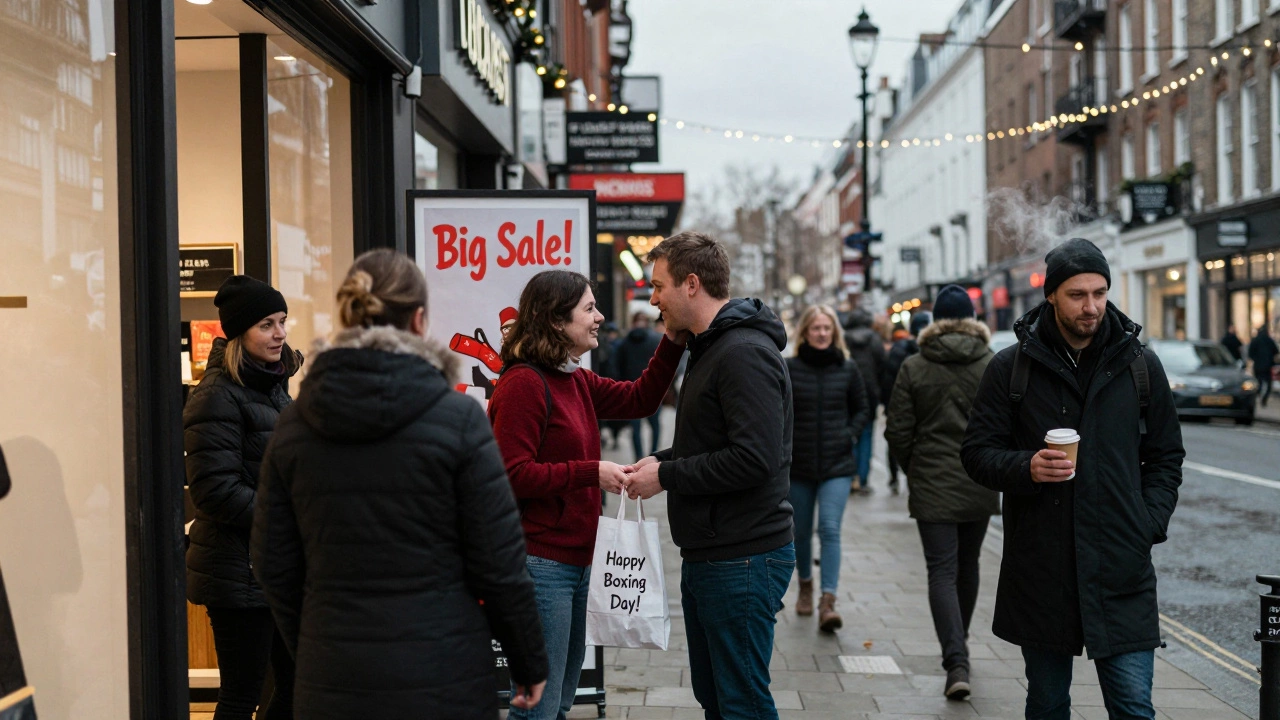
- Boxing Day: The shops open at 7 a.m. People queue for discounts. Others go for a walk in the park, even if it’s freezing. The phrase "Happy Boxing Day" is sometimes used, but only if you’re feeling cheeky.
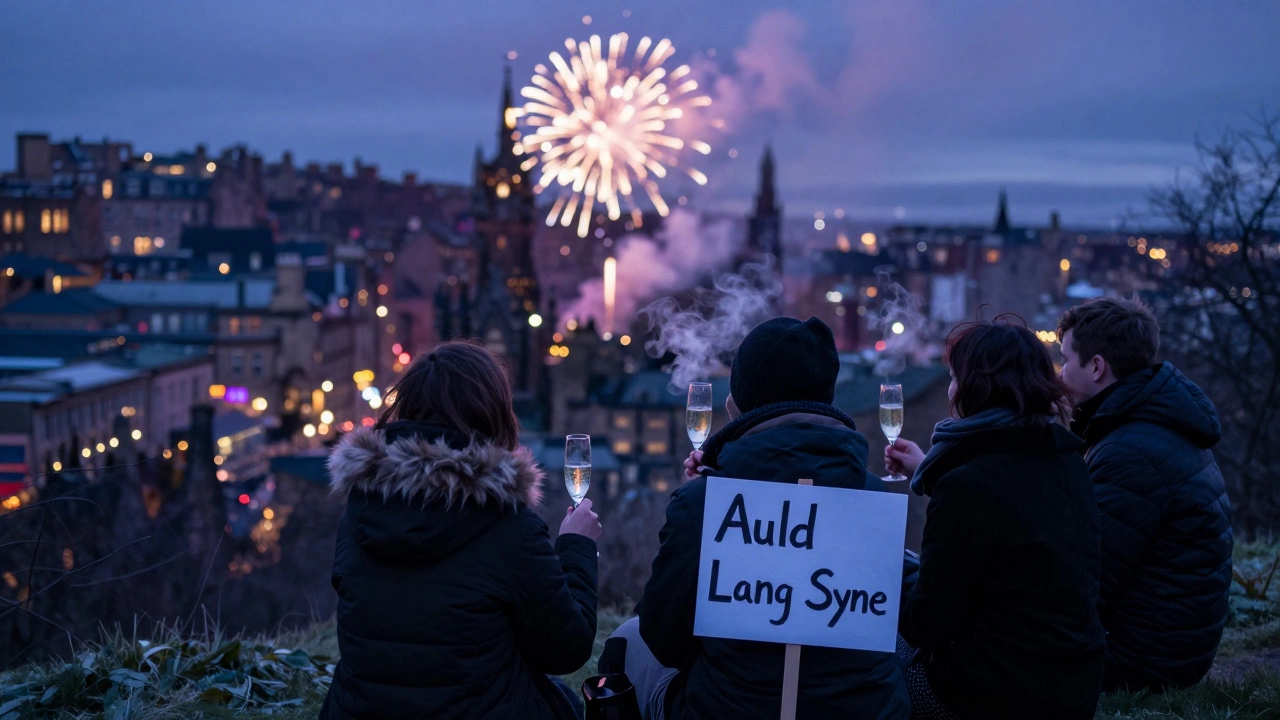
- New Year’s Eve: Fireworks in London, Hogmanay in Scotland, and a lot of people staying in with a bottle of prosecco. The countdown ends with "Auld Lang Syne," not "Happy New Year!"-though that’s said too, quietly.
Notice anything? No one’s shouting "Happy Holidays!" They’re just living it. The greetings are simple, specific, and tied to actual moments-not abstract wishes.
What Happens When Americans Say "Happy Holidays" in the UK?
If you’re visiting and say "Happy Holidays," most Brits won’t think you’re rude. They’ll just think you’re American. Some might smile and say, "Thanks, you too!" Others might quietly correct you with, "Merry Christmas!"-not to be pedantic, but because it’s what they believe in.
There’s one exception: multicultural cities like Birmingham, Leicester, or London. In neighborhoods with large South Asian, Muslim, or Eastern European communities, you might hear "Happy Holidays" used more broadly. But even then, it’s usually among younger people or those who’ve been influenced by American media. The older generations still say "Merry Christmas" or "Happy New Year," depending on their faith and tradition.
So if you want to blend in, don’t force "Happy Holidays." Say "Merry Christmas" if it’s before January 1st. After that, switch to "Happy New Year." If you’re unsure, just say, "Hope you’ve had a good one." It’s safe, warm, and very British.
How to Respond When a Brit Wishes You Well
When someone says "Merry Christmas," don’t reply with "You too!"-that’s fine, but you can do better. Try:
- "Thanks, you too!"
- "Happy Christmas!"
- "Same to you!"
- "Hope you have a lovely break!"
And if they say "See you in the New Year?"-don’t just nod. Say, "Absolutely. See you then!" It shows you’re listening, not just waiting for your turn to speak.
There’s no need to overthink it. Brits aren’t judging your wording. They’re just used to a quieter rhythm of greeting. A simple, sincere response is all they want.
What You’ll Hear on British TV and Radio
Listen to BBC Radio 2 in December. You won’t hear a single ad that says "Happy Holidays!" You’ll hear:
- "Wishing you a Merry Christmas and a peaceful New Year."
- "From all of us at BBC, have a wonderful festive season."
- "Enjoy your time with family and friends."
Notice the absence of "holidays." Instead, they say "festive season"-a phrase that covers Christmas, New Year, and the quiet days in between. It’s vague enough to be inclusive, but not so vague that it feels empty. "Festive season" is the British equivalent of "Happy Holidays," but with more soul.
Why This Matters for Travelers and Expats
If you’re planning a staycation in the UK this winter-or even just visiting-you’ll notice how much the language reflects the culture. Brits don’t say "Happy Holidays" because they don’t see the season as one big, blurry event. It’s a series of small, meaningful moments: the smell of pine needles, the clink of glasses at midnight, the quiet after the last present is opened.
Using their phrases isn’t about being politically correct. It’s about showing you’ve paid attention. It’s a small thing, but it makes a difference. When you say "Merry Christmas" to a shopkeeper in Edinburgh, they’ll remember you. When you say "Happy Holidays," they’ll think you’re nice… but a little out of place.
And if you’re staying in a UK home this December? Don’t be surprised if someone says, "Hope you’ve had a good one," as you leave. It’s not a farewell. It’s a blessing.
Do Brits say "Happy Holidays" at all?
Rarely. "Happy Holidays" is mostly an American phrase. Brits prefer "Merry Christmas," "Happy Christmas," or "Happy New Year," depending on the date. If you hear "Happy Holidays," the speaker is likely American, young, or influenced by US media.
What’s the difference between "Merry Christmas" and "Happy Christmas"?
There’s almost no difference in meaning. "Happy Christmas" is more common in the UK, especially in formal or traditional settings. It’s the phrase used by the royal family and on BBC broadcasts. "Merry Christmas" is also widely used, but "Happy Christmas" sounds less commercial to many Brits.
Is it okay to say "Happy Holidays" in the UK?
Yes, but it will mark you as a foreigner. Most Brits won’t be offended, but they’ll notice. If you want to fit in, stick to "Merry Christmas" before January 1st and "Happy New Year" after. "Have a good one" works anytime.
Do Brits celebrate holidays other than Christmas?
Absolutely. Boxing Day is a major public holiday. New Year’s Eve and New Year’s Day are widely celebrated, especially in Scotland with Hogmanay. Many people also observe Hanukkah, Eid, or Diwali, especially in cities. But Christmas remains the central winter celebration in terms of public culture and language.
What’s the best way to wish someone well in the UK during winter?
Before January 1st, say "Merry Christmas" or "Happy Christmas." After that, use "Happy New Year." If you’re unsure or speaking to someone you don’t know well, "Hope you’ve had a good one" or "Enjoy the break" is safe, warm, and very British.