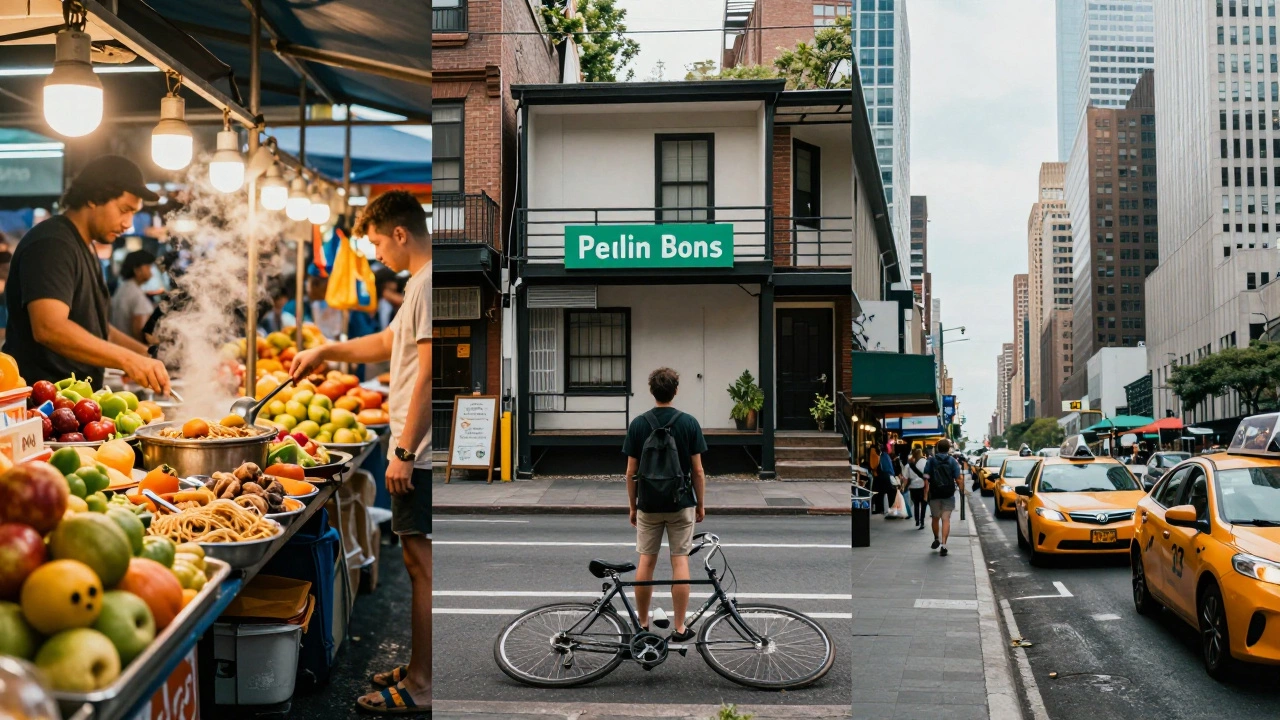
Planning a 3-day trip budget for a city break? You might think it’s straightforward, but costs vary wildly. A budget traveler in Bangkok might spend $250 for three days, while the same trip in New York City could cost over $500. Let’s break down exactly what shapes your budget and how to plan it smartly.
What shapes your 3-day trip budget?
Your budget isn’t random-it’s built from five key factors. First, location matters most. A hostel in Berlin costs $20/night, but in Paris it’s $45. Second, time of year. Summer in Rome means hotel prices double compared to winter. Third, accommodation type. Hostels are cheap, but boutique hotels can triple your costs. Fourth, food expenses. Street food in Bangkok costs $2 per meal, while fine dining in London hits $50. Fifth, activities. Free museums in Amsterdam save money, but guided tours in Tokyo cost $100+.
Real-world budget examples
| Destination | Budget Traveler | Mid-Range | Luxury |
|---|---|---|---|
| Bangkok | $200-$250 | $400-$500 | $1,000-$1,200 |
| Berlin | $250-$300 | $500-$650 | $1,200-$1,500 |
| New York City | $450-$550 | $800-$1,000 | $2,000-$2,500 |
| Barcelona | $270-$320 | $550-$700 | $1,300-$1,600 |
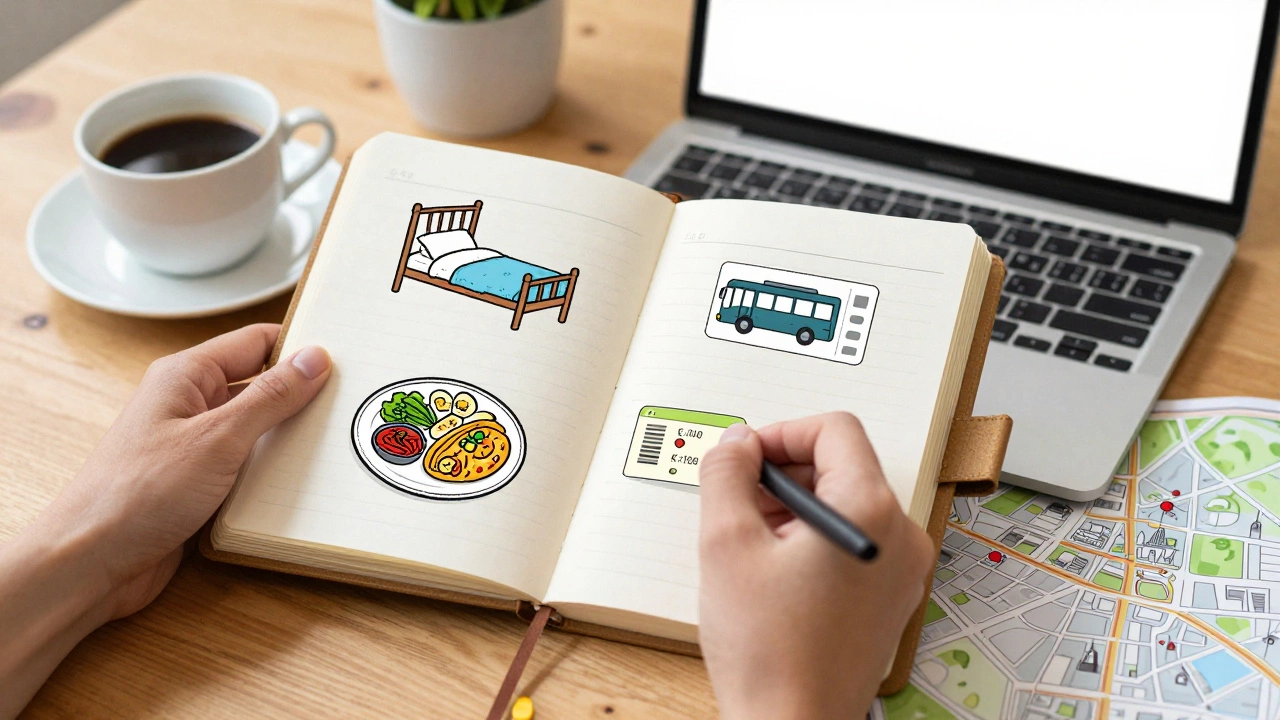
These numbers include flights, accommodation, food, transport, and activities. For example, a budget traveler in Bangkok spends $15/night on hostels, $10/day on street food, and $5 on public transport. Mid-range travelers upgrade to $40 hotels, $25 meals, and $15 for taxis. Luxury travelers splurge on $200+ hotels, $60 meals, and private drivers.
How to save money on your city break
- Book flights early. Airlines raise prices 3-4 weeks before departure. Use Google Flights to track deals.
- Use public transport passes. Berlin’s 3-day pass costs $18, saving $30+ over single tickets. Tokyo’s Suica card offers discounts on subway rides.
- Eat where locals eat. Skip tourist traps. In Barcelona, eat at tapas bars near Gracia neighborhood-$8 meals instead of $25 in Gothic Quarter.
- Choose free activities. London’s free museums (British Museum, Tate Modern) save $30+ per person. Rome’s Pantheon and Spanish Steps are free.
- Avoid touristy souvenirs. Buy local crafts at markets. In Bangkok, Chatuchak Weekend Market offers $5 hand-painted ceramics instead of $20 souvenir shops.
Common budgeting mistakes to avoid
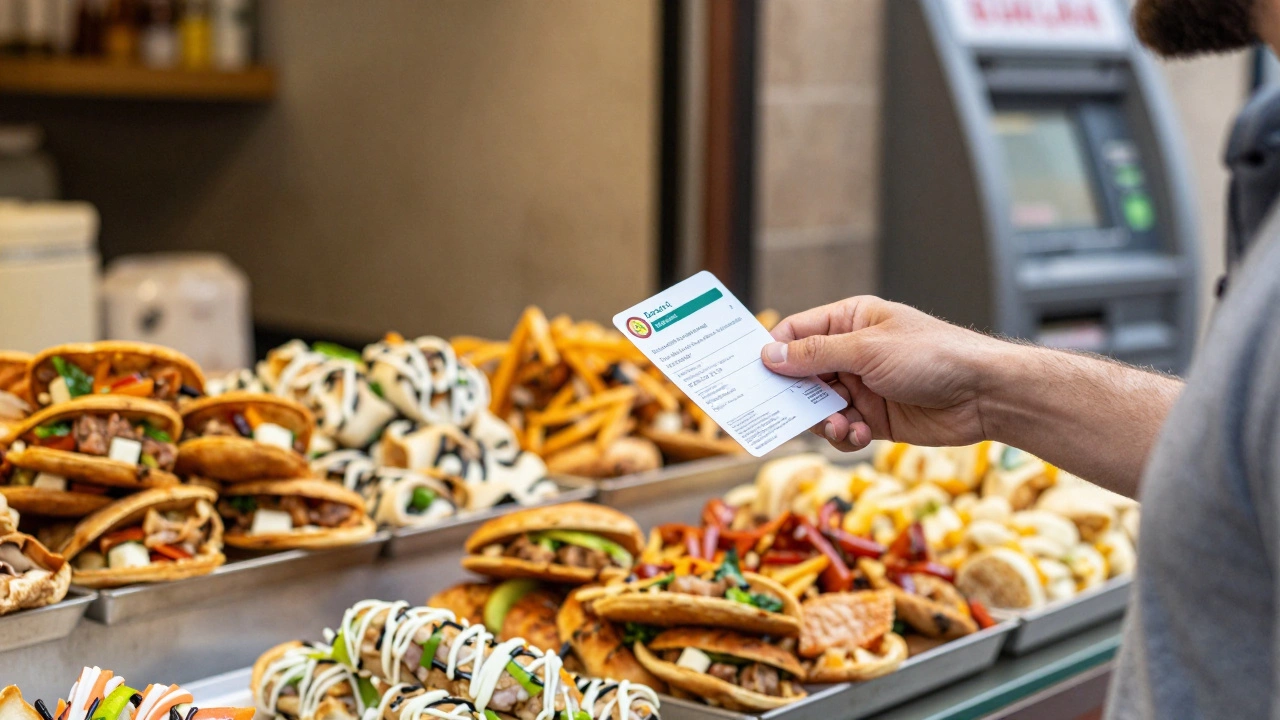
Many travelers underestimate costs. First, transportation between attractions adds up. In Paris, a single metro ticket costs $2.20, but a 3-day pass is $15-always buy the pass. Second, travel insurance is non-negotiable. A $30 policy covers medical emergencies or lost luggage. Third, currency exchange fees. Avoid airport exchange booths-they charge 15% more. Use ATMs with no foreign transaction fees.
Also, forget about "free" attractions with hidden costs. Many museums have free entry days but charge $15 for special exhibits. Always check the fine print. Finally, don’t skip budgeting for emergencies. Set aside 10% of your total budget for unexpected costs like taxi rides home late at night.
Frequently Asked Questions
Is $500 enough for a 3-day trip in Europe?
Yes, but only if you’re a budget traveler. In cities like Berlin or Prague, $500 covers hostels ($20/night), street food ($10/day), public transport, and free attractions. Avoid luxury hotels or fine dining. For Paris or London, $500 is tight-you’ll need to skip some activities or stay in cheaper suburbs.
How much should I budget for food each day?
It depends on the city. In Bangkok or Hanoi, $10-$15 covers street food and markets. In Berlin or Lisbon, $20-$30 for casual restaurants. In New York or London, $35-$50 for affordable eateries. Skip fancy restaurants to stay on budget.
What’s the cheapest way to get around a city?
Public transport passes are always cheapest. Berlin’s 3-day pass is $18, Tokyo’s Suica card offers 10% discounts, and Barcelona’s Hola BCN card saves 20% over single tickets. Walking is free but only practical in compact cities like Amsterdam or Copenhagen. Avoid taxis unless absolutely necessary.
Should I buy a sightseeing pass?
Only if you plan to visit 3+ paid attractions. In Paris, the Paris Pass covers 60+ sites but costs $150 for 3 days-you’ll need to visit the Eiffel Tower, Louvre, and Notre Dame to break even. In Rome, the Roma Pass saves money only if you plan to use public transport and visit the Colosseum. Always calculate costs before buying.
How to handle currency exchange for a short trip?
Never exchange at airports-they charge 10-15% fees. Use ATMs with no foreign transaction fees (like Charles Schwab). Withdraw cash in local currency, not USD. In Europe, use euros; in Thailand, use baht. Credit cards with no foreign fees work well for larger purchases. Always check your bank’s fees before traveling.