
UK Staycation vs. International Trip Cost Calculator
Compare the real costs of staying in the UK versus traveling abroad for your next holiday. Based on 2026 price data from the article.
Your UK Staycation
International Trip
For most people in the UK, the idea of a holiday abroad feels like a dream - until you check the price of a flight, the cost of a hotel, or the exchange rate. Suddenly, that sunny beach in Spain or the historic streets of Italy don’t seem so affordable. Meanwhile, staying in the UK feels like the safe, boring option. But is it really cheaper? Let’s cut through the noise and look at what you actually pay when you plan a week-long trip in 2026.
Flights and transport: The hidden cost of going abroad
Think you’re saving money by flying to Portugal? Think again. In early 2026, the average return flight from London to Lisbon for two people costs £380 - and that’s if you book three months ahead and fly midweek. If you wait until the last minute? That jumps to £620. Add £40 for checked baggage, £25 for airport transfers, and £15 for airport food, and you’re already at £460 before you even land.
Compare that to a train from Manchester to Edinburgh: £120 for two, with no baggage fees, no security lines, and no waiting. Or a drive from Birmingham to the Lake District: £60 in fuel, £30 for parking, and you’re there in four hours. No jet lag. No lost luggage. No 5 a.m. airport dash.
And don’t forget the currency. Even with a strong pound, the EU still charges extra for everything - ATMs that take 3% fees, restaurants that add service charges, and hotels that don’t include breakfast. In Portugal, a simple lunch for two can cost €45 - that’s £38. In the UK, you’d get the same meal for £25.
Accommodation: What you get for your money
Let’s say you’re looking at a 3-star hotel in Barcelona. In peak season, it’s £140 a night. In the UK, you can get a boutique B&B in the Cotswolds for £110 - with homemade breakfast, free parking, and a garden to sit in. Even a luxury hotel in York costs £130 a night, and you’re in a city full of history, museums, and pubs.
Booking.com data from December 2025 shows UK accommodation prices dropped 7% year-over-year as more people chose staycations. Meanwhile, prices in Spain, Italy, and Greece rose 12% due to increased demand and inflation. Airbnb in Bali? £90 a night. But you’re paying £600 just to get there. In the UK, you could stay in a converted barn in Wales for £75 a night - and fly nowhere.
Plus, UK stays often include perks you don’t get abroad: free Wi-Fi, no cleaning fees, no tourist taxes, and no language barriers when you need help. A broken shower in a Spanish apartment? Good luck finding someone who speaks English. A broken boiler in a Scottish cottage? The owner shows up in 20 minutes.
Food and drinks: The real budget killer
Here’s where it gets real. In a seaside town in Cornwall, you can get a full English breakfast, a sandwich for lunch, and fish and chips for dinner - all for under £40. In a similar town in Spain? The same meals cost €70 - that’s £59. And that’s if you avoid tourist traps.
Drink prices tell the same story. A pint of local beer in a London pub? £5.50. In Berlin? €5.50 - £4.70. Sounds better? Until you factor in the cost of getting there. A bottle of wine in a supermarket in the UK? £7. In a French village? €10 - £8.50. And if you want a coffee and pastry in a café in Rome? €6.50. In the UK? £3.50.
Supermarkets in the UK are also cheaper for self-catering. A week’s groceries for two people - pasta, vegetables, cheese, fruit, milk - costs £35 in a Tesco in Leeds. In Italy? €65 - £55. And that’s before you pay for a kitchen rental fee on Airbnb.
Activities and entry fees: More than just sightseeing
Going abroad means paying for everything. Entry to the Colosseum? €24 per person. A gondola ride in Venice? €80. A day pass for the metro in Paris? €22. In the UK, you get free access to national parks, historic castles, museums, and galleries. The British Museum? Free. The Tower of London? £33. But that’s a one-time cost. In Rome, you pay for every single site - and most of them close on Mondays.
UK attractions are also more flexible. You can visit the Lake District anytime, hike without tickets, and picnic on the beach without paying a fee. In Spain, many beaches have paid parking. In France, many hiking trails charge entry. Even a simple boat trip on the Thames costs £18 - but it’s still cheaper than a ferry to France, which costs £45 per person just to cross.
Hidden costs: The stuff no one tells you
Going abroad comes with invisible expenses. Travel insurance? Mandatory. In the UK? Optional - and if you have a credit card with travel cover, you might not need it. Overseas? You’ll pay £30-£50 for basic coverage. Currency exchange fees? Another £10-£20. SIM cards or roaming? £5 a day. In the UK, you’re already covered.
Then there’s time. Flying means 4 hours of travel, 2 hours of check-in, 1 hour of baggage claim. That’s 7 hours just to get to your destination. A drive to the Scottish Highlands? 3 hours. You’re relaxing before you even arrive.
And what about the stress? Missing a flight. Lost luggage. A language barrier when you’re sick. A hotel that doesn’t match the photos. In the UK, you know what you’re getting. You know the weather. You know the roads. You know the rules.
Real numbers: A week-long comparison
Let’s compare two real trips - one abroad, one in the UK - for two people.
| Expense | UK Staycation (e.g., Lake District) | Abroad (e.g., Portugal) |
|---|---|---|
| Flights | £0 | £380 |
| Accommodation (7 nights) | £770 | £980 | Food & drinks | £280 | £410 |
| Transport (local) | £60 | £120 |
| Activities | £50 | £150 |
| Travel insurance | £0 | £45 |
| Exchange fees & currency | £0 | £30 |
| Other (SIM, parking, tips) | £30 | £70 |
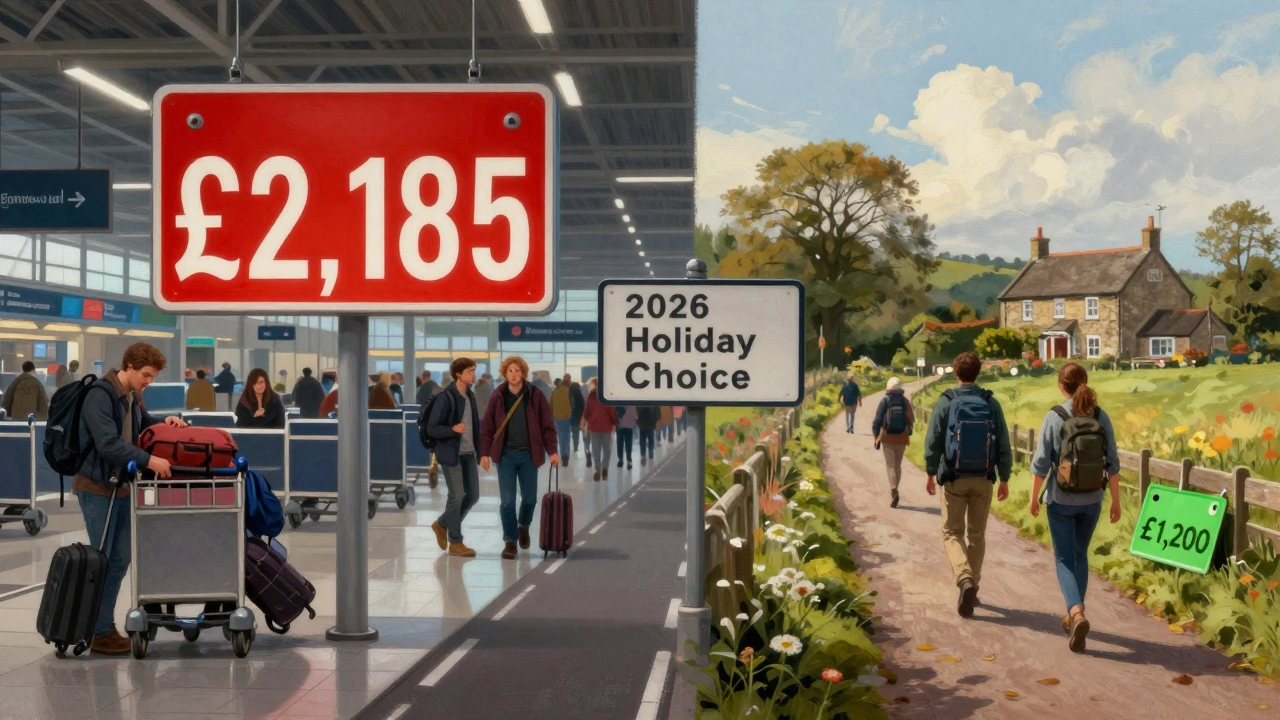
| Total | £1,200 | £2,185 |
That’s nearly £1,000 more for the trip abroad. And that’s with a budget flight, no luxury spending, and no unexpected costs.
When going abroad still makes sense
Of course, there are exceptions. If you’re visiting family in Poland or have a once-in-a-lifetime trip to Japan, then the cost is worth it. If you’re a digital nomad and want to work from a beach in Croatia, the long-term savings might balance out. But for a regular holiday? For most people? The UK offers more value.
And here’s the thing - you don’t have to sacrifice fun. The UK has 15 national parks, 10 World Heritage Sites, hundreds of coastal towns, and more Michelin-starred restaurants per capita than France. You can hike the Pennines, kayak in Loch Lomond, eat oysters in Cornwall, and sleep in a castle in Wales - all without leaving the country.
Final verdict: Stay in the UK - unless you’re chasing something specific
Is it cheaper to go abroad or stay in the UK? The numbers don’t lie. In 2026, staying in the UK saves you an average of £900-£1,200 on a week-long trip. You spend less, stress less, and still have a great time. The UK isn’t boring - it’s full of hidden gems you’ve never explored.
Before you book that flight, ask yourself: What am I really paying for? A beach? You’ve got one in Cornwall. A city? You’ve got Edinburgh. A historic site? You’ve got Stonehenge. The only thing you’re missing by staying home is the excuse to spend more.
Is a UK staycation really cheaper than going abroad in 2026?
Yes, for most people. A typical week-long trip abroad costs £2,000-£2,500 for two people, while a UK staycation averages £1,100-£1,300. The biggest savings come from flights, food, and hidden fees like currency exchange and travel insurance.
What’s the cheapest part of the UK to visit?
North Wales, the Lake District, and parts of Yorkshire offer the best value. Accommodation is affordable, attractions are free or low-cost, and food prices are lower than in London or the South East. You can stay in a self-catering cottage for £60-£80 a night and still have plenty to do.
Do I need travel insurance for a UK holiday?
Not usually. Most UK holidays don’t require travel insurance because you’re not crossing borders. If you have a credit card with travel protection, it might cover lost luggage or cancellations - but it’s not mandatory. Overseas trips require insurance by law in many countries.
Are UK hotels more expensive than abroad?
Not anymore. In 2025-2026, UK hotel prices dropped 7% as demand shifted to staycations. Meanwhile, prices in Spain, Italy, and Greece rose over 10%. A 3-star hotel in the UK often costs less than one abroad - and includes breakfast, Wi-Fi, and parking.
Can I save money by self-catering in the UK?
Absolutely. Supermarkets like Aldi, Lidl, and Tesco are cheaper than in most European countries. A week’s groceries for two costs £30-£40 in the UK. In Portugal or Spain, the same food costs €60-€70. Cooking your own meals cuts your food bill by 40-50%.
What’s the best time of year for a UK staycation?
April-May and September-October are ideal. Prices are lower, crowds are smaller, and the weather is still pleasant. Summer (July-August) is peak season - prices double. Winter can be cheap, but some attractions close. Spring and autumn give you the best balance of cost and experience.
Next steps: How to plan your UK staycation
Start by listing what you love: mountains? Beaches? History? Food? Then pick a region. The Lake District for hiking. Cornwall for coastlines. York for medieval charm. The Highlands for wild scenery.
Book accommodation with free cancellation. Use Airbnb or local B&Bs - they’re often cheaper than hotels. Cook at least half your meals. Use public transport or walk. Visit free museums and parks. And don’t forget to explore your own backyard - you might be surprised what’s right around the corner.
Staying in the UK isn’t settling. It’s smart. It’s affordable. And in 2026, it’s the best way to have a real holiday without the stress - or the bill.