Split Budget Calculator
Plan Your Split Trip
Estimate daily costs for your city break based on season, duration, and group size. Costs are based on the article's pricing guidelines.
Estimated Cost
Total: €0
Based on 3 days, 2 travelers, peak season
Accommodation
€20-25 per night
€0
Food & Drinks
€30-40 per meal for two
€0
Transport
€1.50 per ride
€0
Activities
Free to €25 per activity
€0
Split isn’t just another Croatian town on the map-it’s a living museum, a beachside cafe culture, and a backpacker’s dream all rolled into one. If you’re wondering whether it’s worth a short trip, the answer is yes-but only if you know what you’re getting into. This isn’t a quiet, polished European capital. It’s raw, loud, sunbaked, and full of character. And that’s exactly why it works so well for a city break.
Why Split Works for a Short Trip
Most city breaks last three to five days. Split fits perfectly into that window. You can walk from the old town to the beach in 15 minutes. You can climb Diocletian’s Palace in the morning, eat grilled sardines by the water at noon, and sip local wine in a hidden courtyard by sunset. There’s no need to rent a car. No long commutes. No confusing subway maps. Everything you need is within walking distance-or a short bus ride away.
Unlike Venice or Barcelona, Split hasn’t been overrun by mass tourism. Sure, cruise ships dock here daily, but most visitors leave by evening. The real magic happens after 7 p.m., when the palace walls cool down and locals spill out onto the Riva promenade. You’ll hear Croatian, Italian, German, and English-all mixed together like a well-blended cocktail.
What You Can’t Miss
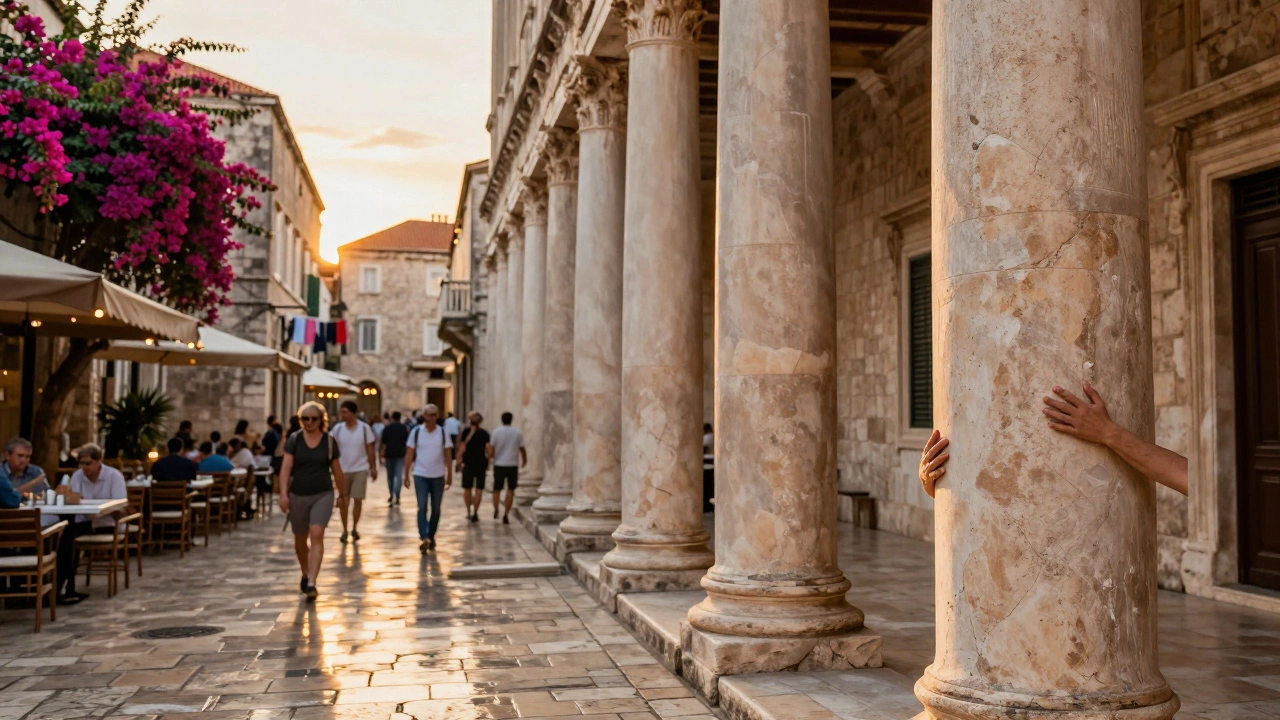
- Diocletian’s Palace-built in 305 AD, this isn’t a ruin. It’s a neighborhood. Apartments, shops, and restaurants live inside the ancient walls. Walk through the Peristyle, touch the columns worn smooth by 1,700 years of hands, and find the basement corridors where Roman soldiers once slept.
- Mount Marjan-a 30-minute hike up gives you panoramic views of the city and the Adriatic. Locals jog here every morning. Bring water. The sun doesn’t forgive.
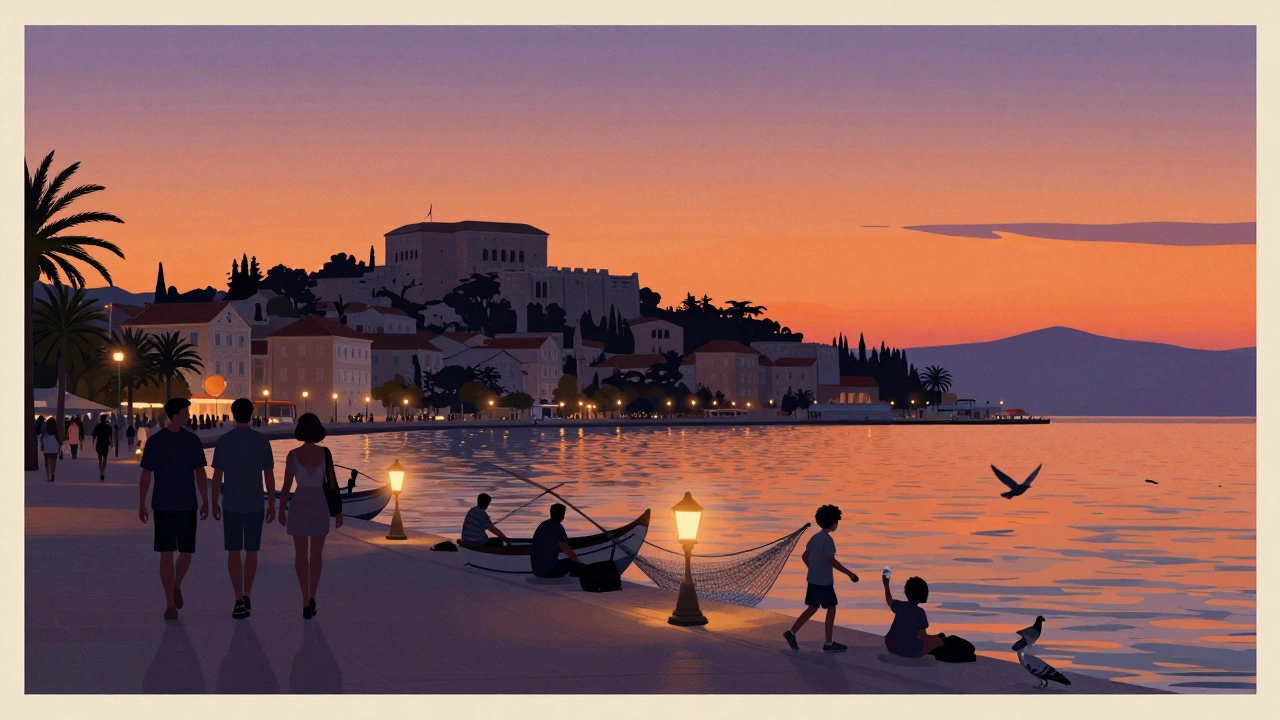
- The Riva-Split’s waterfront promenade. Bench after bench, ice cream after ice cream. Watch fishermen mend nets, kids chase pigeons, and couples kiss under the lanterns. There’s no better place to do nothing.
- Green Market (Pazar)-open daily except Monday. Try fresh figs, local cheese wrapped in vine leaves, and plum brandy (šljivovica) that’ll make your eyes water. Talk to the vendors. They’ll give you extra olives if you smile.
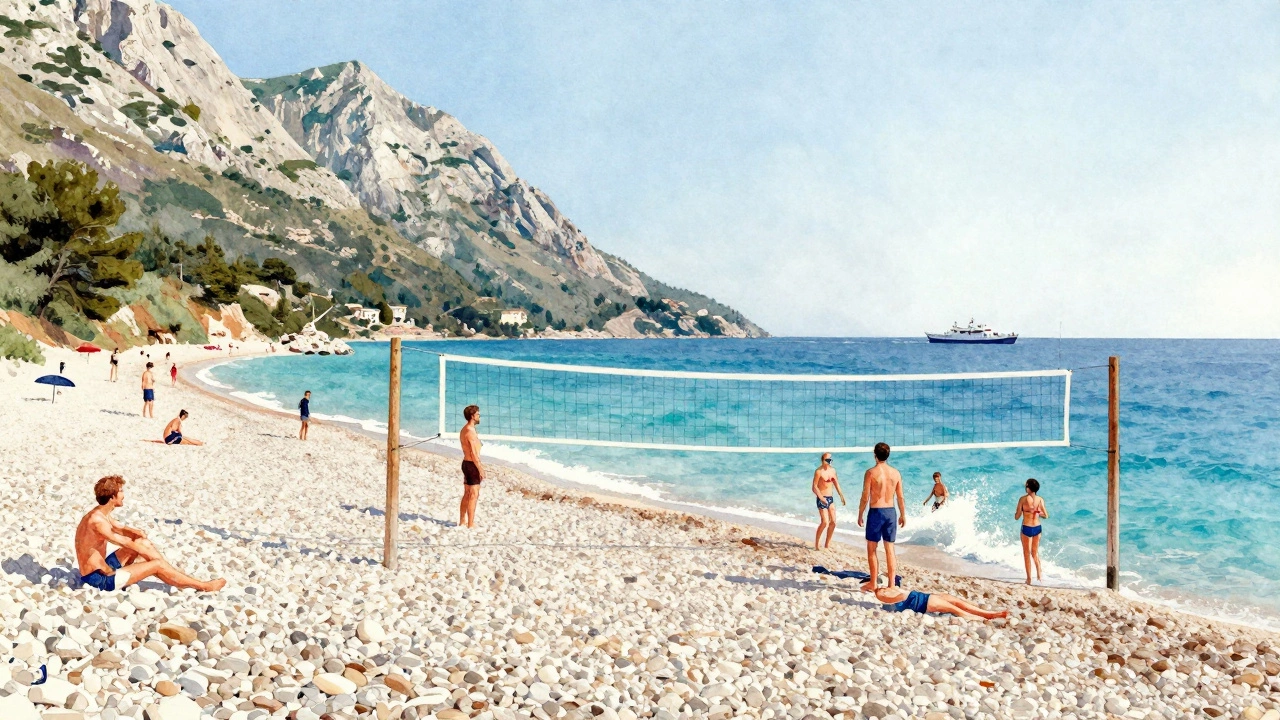
- Beaches-Bacvice is the main one. White pebbles, clear water, and volleyball nets set up like clockwork every afternoon. It’s not a private resort. It’s public, crowded, and perfect.
Food That Actually Matters
Split’s food isn’t fancy. It’s honest. You won’t find molecular gastronomy here. You’ll find grilled octopus with lemon, black risotto made with squid ink, and seafood stews simmered for hours. The best meal I had was at a tiny place called Konoba Matejuska, tucked behind the palace. A plate of fresh mackerel, two glasses of Pošip wine, and a view of the harbor. Total cost: €18. No reservations needed. Just show up early.
Don’t skip the pastries. Štrudla-a local twist on apple strudel with raisins and walnuts-is sold warm from corner bakeries. Eat it while standing up. That’s how locals do it.
Who It’s Not For
Split isn’t the place if you want luxury resorts, quiet libraries, or five-star spas. There are no Michelin stars here. No silk-lined hotel lobbies. If you’re expecting polished service, you’ll be disappointed. Waiters don’t rush. They don’t refill your water unless you ask. That’s not rude-it’s just how things are.
It’s also not ideal for families with toddlers. The streets are cobblestone. Many buildings have no elevators. And the beach isn’t sandy. It’s pebbles. Bare feet hurt at first.
And if you’re looking for nightlife that lasts until 5 a.m., you’ll find it-but only in the summer. Outside of June to August, most bars close by midnight. Split isn’t Ibiza. It’s Split.
When to Go
June and September are the sweet spots. The weather is warm, the crowds are thinner, and the sea is still perfect for swimming. July and August? Hot. Packed. Expensive. Hotel prices double. You’ll pay €15 for a bottle of water. It’s doable, but not pleasant.
October is quiet. The water is chilly, but the sun still shines. You can sit on the Riva in a light jacket and feel like you have the city to yourself. Winter? Most places shut down. Only the locals remain. Not ideal for a break unless you’re into solitude and rain.
Getting There and Around
Split Airport (SPU) is small and easy. Flights from London, Frankfurt, Milan, and Amsterdam land daily. From the airport, a shuttle bus takes you to the city center in 30 minutes for €5. Taxis cost €25. Don’t take one unless you’re late and tired.
Once you’re in, walk. Seriously. The old town is small. Buses run to Bacvice and Marjan, but you’ll see more by foot. Bikes are rented for €8 a day. No one rides them. Everyone walks.
Costs You Should Know
Split is affordable by Western European standards. A decent meal for two: €30-€40. A hostel bed: €20-€25. A mid-range hotel room: €70-€100. A one-way bus ticket: €1.50. A bottle of local wine: €8. A gelato: €2.50.
ATMs are everywhere. Cards are accepted almost everywhere, even small stalls. But always carry some cash. The old market vendors don’t take cards. And you’ll want to buy those figs.
Final Verdict
Is Split a good city break? Yes-if you want history you can touch, food you can taste, and a vibe you can feel. It’s not Instagram-perfect. It’s not quiet. It’s not easy. But it’s real. And in a world full of sanitized tourist traps, that’s rare.
Go for three days. Stay in the old town. Walk everywhere. Eat like a local. Don’t try to see everything. Just sit on the Riva at sunset and watch the light hit the sea. That’s the Split experience. Nothing more, nothing less.
Is Split safe for solo travelers?
Yes, Split is very safe for solo travelers. Crime is low, especially in the tourist areas. The old town is well-lit and busy even at night. Just use common sense-don’t leave your bag unattended on the beach, avoid overly drunk crowds after midnight, and keep your passport in the hotel safe. Locals are friendly and will help if you look lost.
Can you do Split in one day?
You can see the highlights in one day-Diocletian’s Palace, the Riva, and a quick climb up Marjan-but you won’t feel it. Split rewards slow time. One day means rushing. Two days let you wander. Three days let you breathe. If you’re on a tight schedule, skip it. Come back when you have more time.
Is Split crowded in summer?
Extremely. July and August are peak season. Cruise ships drop thousands of people into the old town by 9 a.m. The beaches are packed. Restaurants require reservations. Prices spike. If you don’t mind the noise and the crowds, it’s still worth it. But if you want peace, go in June or September.
What’s the best way to get to nearby islands from Split?
Ferries leave daily from Split Port, just a 10-minute walk from the old town. Jadrolinija runs regular routes to Hvar, Brač, and Vis. Tickets cost €10-€25 one-way, depending on the island. Book online in summer to avoid lines. A day trip to Hvar is easy-you can be there by 10 a.m. and back by 7 p.m.
Do you need to speak Croatian in Split?
No. English is widely spoken, especially in tourist areas. Most hotel staff, restaurant workers, and shopkeepers speak at least basic English. Younger people are fluent. Learning a few Croatian phrases-like "hvala" (thank you) or "dobar dan" (good day)-goes a long way. Locals appreciate the effort, even if you butcher the pronunciation.