
Cultural Tourism Type Finder
What most excites you about travel?
Select your primary interest
When people think of travel, they often picture beaches, skyscrapers, or adventure hikes. But millions of travelers every year are chasing something quieter, deeper, and more meaningful: cultural tourism. It’s not just about seeing landmarks. It’s about understanding how people live, what they believe, and why their traditions matter. Whether you’re standing in a 12th-century temple, learning to weave textiles from a local artisan, or sharing a meal with a family in a remote village, you’re taking part in cultural tourism.
Heritage Tourism
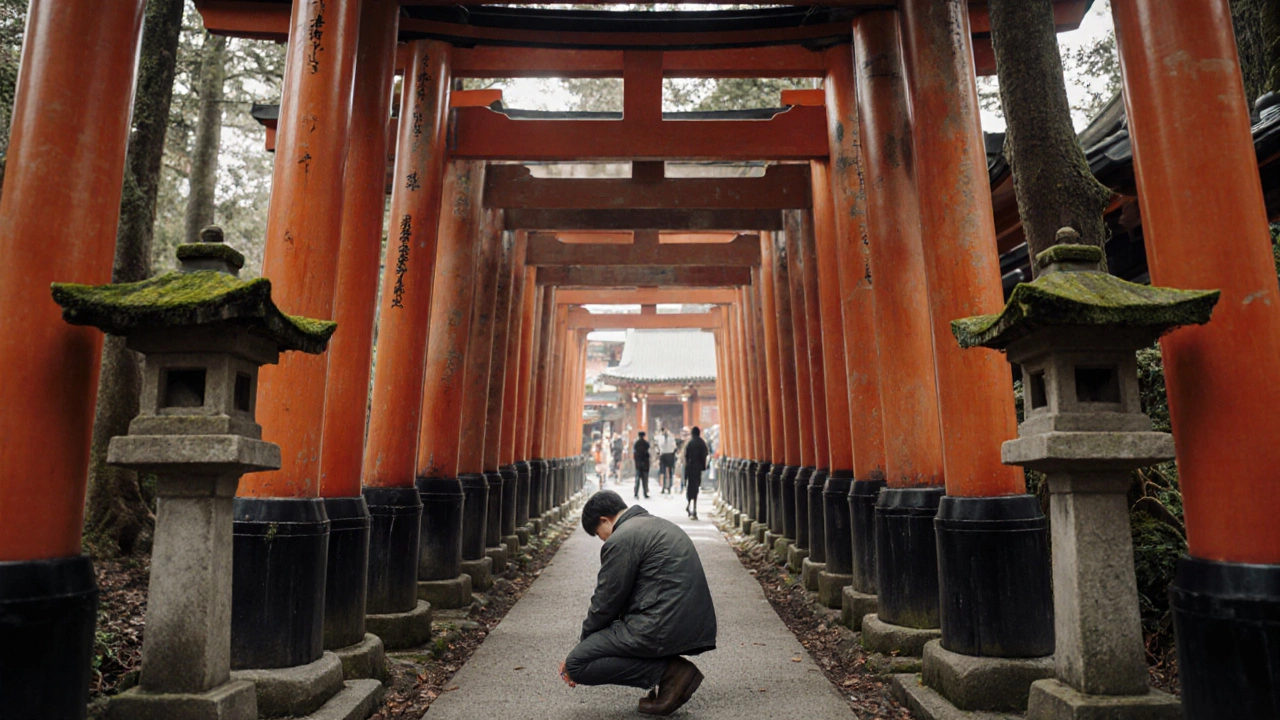
Heritage tourism is the most common type of cultural travel. It’s when people visit places tied to history, architecture, or national identity. Think of the Colosseum in Rome, Machu Picchu in Peru, or the Great Wall of China. These aren’t just photos backdrops-they’re physical reminders of how civilizations rose, fought, and survived.
What makes heritage tourism different from regular sightseeing? It’s the context. Travelers don’t just snap pictures-they read plaques, hire local guides who tell family stories, and visit museums that explain how a city changed over centuries. In Kyoto, visitors don’t just walk through Fushimi Inari Shrine. They learn about Shinto rituals, the meaning of the red torii gates, and how the shrine has been maintained by the same family line for over 1,200 years.
Heritage tourism thrives in places with strong preservation efforts. Cities like Prague, Cusco, and Luang Prabang have strict rules to keep historic centers intact. That’s why these places still feel authentic, even with crowds. But it also means travelers need to be respectful. Littering, climbing on ruins, or taking flash photos in sacred spaces can damage both the site and the community’s trust.
Arts Tourism
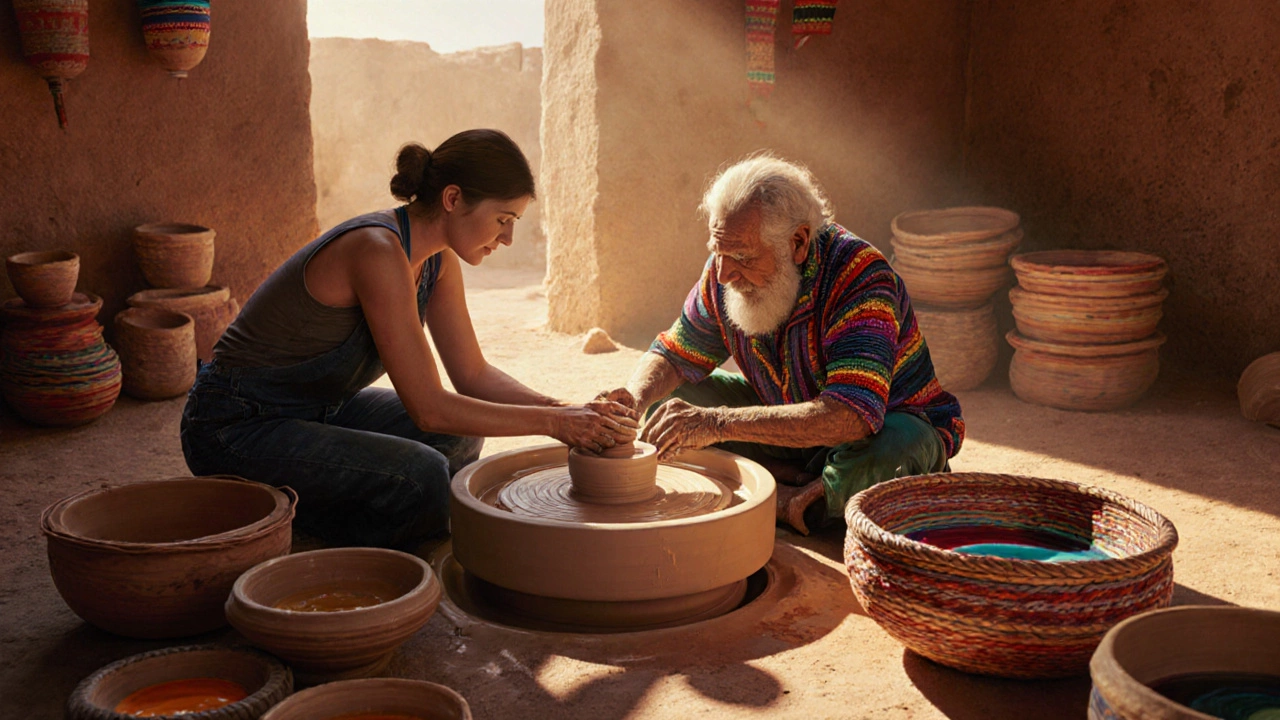
Arts tourism is about experiencing creativity in action. It’s not just visiting a gallery-it’s watching a flamenco performance in Seville, attending a Balinese dance ritual, or joining a pottery workshop in Oaxaca. Artists are the living keepers of culture, and when you engage with their work, you’re stepping into a tradition that’s been passed down for generations.
In Japan, arts tourism includes watching a tea ceremony, learning calligraphy from a master, or seeing a Noh theater performance. These aren’t tourist shows-they’re disciplined art forms with deep spiritual roots. In Morocco, visitors don’t just buy rugs-they meet the weavers in the Atlas Mountains, learn how natural dyes are made from plants, and understand the symbolism behind each pattern.
What’s growing fast is participatory arts tourism. More travelers now want to create, not just observe. In Bali, you can spend a week learning traditional gamelan music. In Guatemala, you can dye threads with indigo and weave your own huipil blouse. These experiences cost more than a museum ticket, but they leave you with skills, not just souvenirs.
Religious Tourism
Religious tourism is one of the oldest forms of cultural travel. People have journeyed for centuries to sacred sites-not just to pray, but to connect with something bigger than themselves. Today, millions visit Mecca, Varanasi, Jerusalem, Lourdes, and the Camino de Santiago every year.
What makes this type of tourism unique is the intention. Many travelers are pilgrims, not tourists. They walk barefoot, fast, or carry heavy packs because the journey itself is part of the faith. But even non-religious visitors find meaning here. In Varanasi, you might watch a sunrise ceremony on the Ganges River. You won’t be praying, but you’ll feel the weight of centuries of devotion in the air.
Religious sites often host festivals that draw huge crowds. The Hajj in Saudi Arabia, Kumbh Mela in India, and Holy Week in Spain aren’t just religious events-they’re cultural explosions. Music, food, dress, and rituals all come alive. Travelers who visit during these times often say it’s the most intense cultural experience of their lives.
But it’s also sensitive. Dress codes, photography rules, and behavior expectations are strict. In some places, non-believers can’t enter certain areas. Respecting those boundaries isn’t optional-it’s part of the experience.
Ethnographic Tourism
Ethnographic tourism is about meeting people whose ways of life are very different from your own. It’s visiting indigenous communities in the Amazon, the Maasai in Kenya, or the Hmong in northern Vietnam. Unlike heritage or arts tourism, this isn’t about old buildings or performances-it’s about daily life.
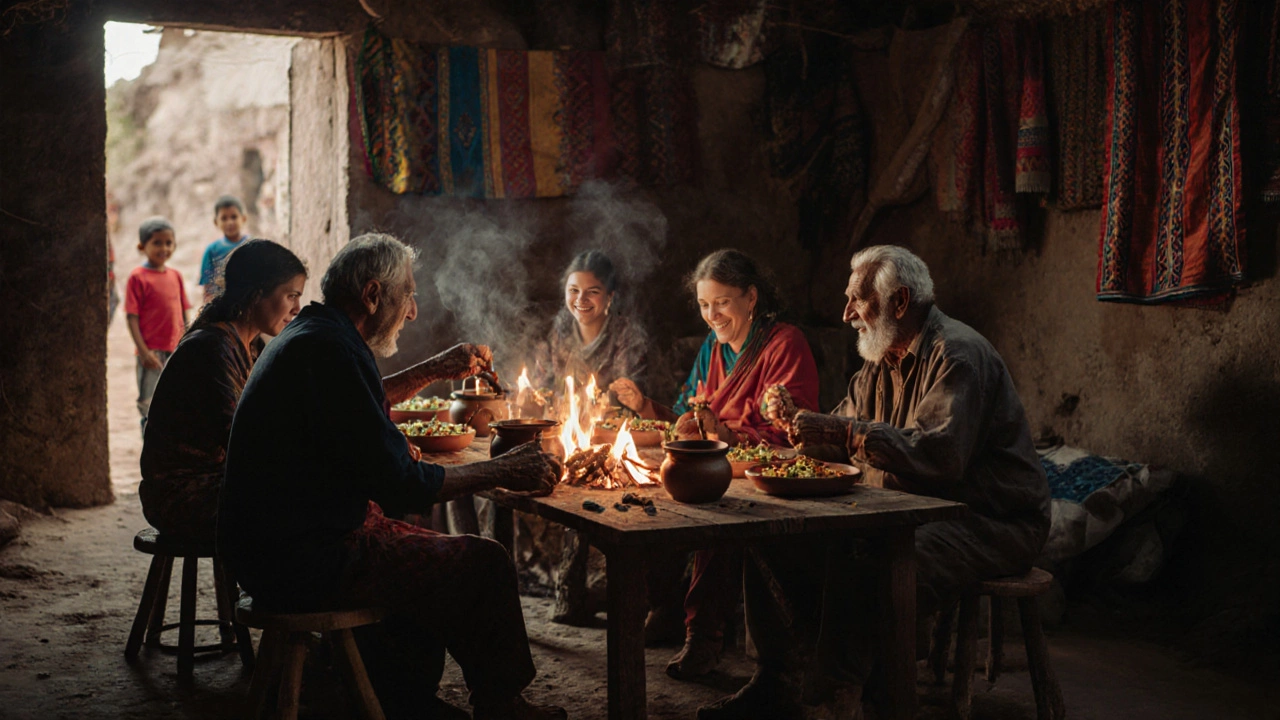
Good ethnographic tourism doesn’t turn people into exhibits. It’s built on mutual respect. In Ecuador, some communities run homestays where visitors sleep in traditional homes, eat food cooked over open fires, and join in harvesting quinoa or weaving alpaca wool. The host families set the rules: no cameras without permission, no asking for photos of children, no barging in during ceremonies.
This kind of travel can be eye-opening. You learn that “poverty” isn’t always what it looks like. In many indigenous communities, people have little money but strong social ties, deep knowledge of plants and weather, and a sense of belonging that’s rare in modern cities. The challenge? Avoiding the “poverty porn” trap-where travelers take pictures to shock their friends back home. Ethnographic tourism should leave you humbled, not voyeuristic.
Look for community-run tours. These ensure money stays local. Avoid companies that bring in big buses, let tourists take photos from a distance, and leave after two hours. That’s not tourism-it’s exploitation.
Culinary Tourism
Culinary tourism is the tastiest form of cultural travel. It’s not about eating at fancy restaurants. It’s about food as identity. In Italy, pasta isn’t just a dish-it’s a family story. In Thailand, street food is a social ritual. In Mexico, mole sauce carries centuries of indigenous and Spanish blending.
Travelers who do culinary tourism don’t just order dishes. They visit markets, learn how to make tortillas by hand, join a tea ceremony in Japan, or take a cooking class with a grandmother in Georgia. In Vietnam, you might spend a morning with a fisherwoman in Hoi An, learning how she selects the freshest shrimp, then eat what you helped prepare at her kitchen table.
Food connects to religion, history, and environment. In Israel, kosher rules shape what’s eaten and how. In India, vegetarianism is tied to Hindu beliefs. In Scandinavia, fermentation traditions come from long winters. When you eat with locals, you’re tasting their values, their climate, their past.
Best part? You can do this anywhere. Even in a small town, there’s a bakery, a market, or a family recipe passed down for generations. Ask for the dish that means something to the cook. That’s where the real story lives.
How to Choose the Right Cultural Trip
Not all cultural tourism is the same. Your goal shapes your trip. If you love history, pick heritage sites. If you want to create something, go for arts workshops. If you’re seeking meaning, try a pilgrimage. If you want to understand inequality and resilience, visit indigenous communities. And if you’re hungry-literally and figuratively-go straight to the kitchen.
Here’s what to avoid: tours that promise "authentic experiences" but take you to staged village shows, or companies that don’t name their local partners. Real cultural tourism is transparent. You should know who runs the tour, where the money goes, and how the community benefits.
Start small. You don’t need to fly to Bali to experience cultural tourism. Visit a local immigrant neighborhood. Talk to the owner of a family-run bakery. Attend a cultural festival in your own city. Culture isn’t far away-it’s right around the corner, if you know how to look.
What’s the difference between cultural tourism and regular tourism?
Regular tourism focuses on sights, relaxation, or entertainment-like visiting a theme park or lying on a beach. Cultural tourism is about connection. It’s learning why things matter, meeting people who keep traditions alive, and understanding the stories behind food, art, rituals, and places. You don’t just see a temple-you learn what it means to the people who still worship there.
Is cultural tourism expensive?
It can be, but it doesn’t have to be. Big-name heritage sites like the Pyramids or the Louvre cost money, but many cultural experiences are low-cost or free. Walking through a local market, joining a neighborhood festival, or eating at a family-run eatery often costs less than a fast-food meal elsewhere. Participatory experiences like cooking classes or craft workshops cost more, but they’re an investment-you leave with skills, not just a photo.
Can I do cultural tourism in my own country?
Absolutely. Cultural tourism isn’t about crossing oceans. It’s about curiosity. Visit a Native American reservation, attend a Mardi Gras parade, explore a historic immigrant district, or learn how your town’s old factory shaped its identity. Every place has stories. You just have to ask the right questions.
How do I know if a cultural tour is ethical?
Look for three things: Who runs the tour? Is it owned by locals? Where does the money go? Do they limit group sizes? Do they ask for permission before taking photos? If the company doesn’t name its local partners or says "authentic" without details, walk away. Ethical tours involve communities in planning, pay fair wages, and respect cultural rules-even if it means fewer visitors.
What should I pack for cultural tourism?
Pack modest clothing if visiting religious or conservative areas-shoulders and knees covered. Bring a reusable water bottle, a small notebook, and a respectful attitude. Leave the selfie stick at home. Instead, bring curiosity. Ask questions. Listen more than you talk. And don’t bring gifts unless asked. Unwanted donations can disrupt local economies and create dependency.